


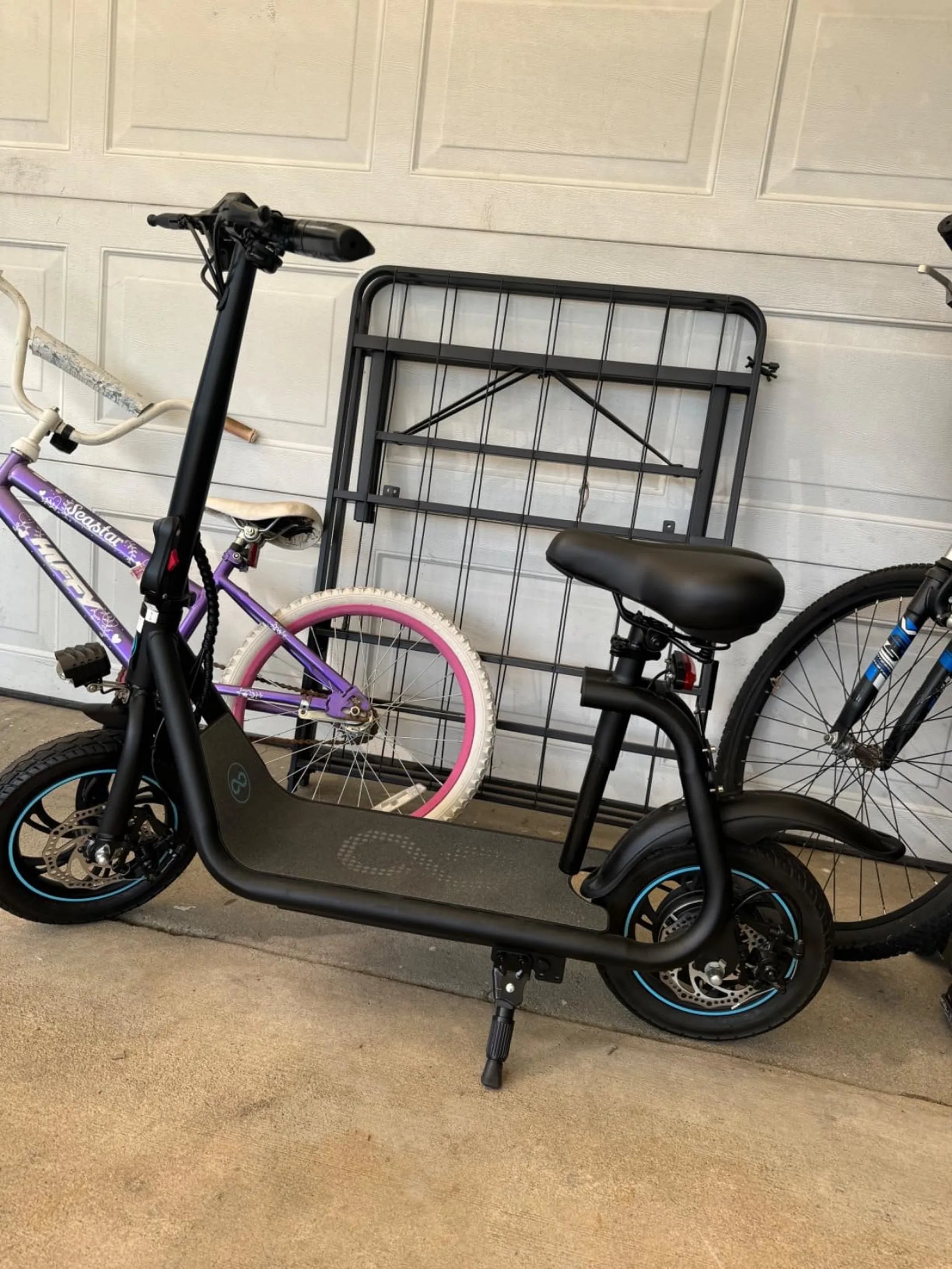
Introduction to the 125cc Scooter Segment
The search for the best 125 cc scooter leads many urban commuters to a perfect balance of power and practicality. These machines occupy a sweet spot in personal transportation, offering more capability than 50cc models while remaining accessible to riders with standard car licenses in most regions. You'll learn what defines this category, its core advantages, and how to identify the right model for your daily needs.
A 125cc scooter typically produces between 10-15 horsepower, enabling confident city travel and light highway use. This engine size represents the threshold where scooters gain meaningful acceleration and hill-climbing ability without the complexity of larger motorcycles. The best 125 cc scooter provides a compelling alternative to car ownership for millions worldwide.
Modern 125cc designs prioritize fuel efficiency, storage, and rider comfort. Manufacturers have refined these platforms over decades, resulting in remarkably reliable and economical transportation. This guide will help you navigate the key considerations, from performance metrics to ownership costs, ensuring you make an informed decision.
We'll examine leading models from established brands and explore how electric alternatives are reshaping urban mobility. Whether you prioritize Italian style, Japanese reliability, or modern electric convenience, understanding the 125cc landscape is the first step toward finding your ideal commuter.
Key Factors to Consider When Choosing a 125cc Scooter
Selecting the best 125 cc scooter requires evaluating several practical factors beyond brand preference. Performance characteristics determine how the scooter handles real-world conditions, while running costs impact long-term ownership satisfaction. A methodical approach ensures your choice aligns with both your riding needs and budget constraints.
Engine performance varies significantly within the 125cc category. Some models prioritize smooth acceleration from stoplights, while others focus on top-end speed for highway stretches. Transmission type—typically automatic CVT—affects responsiveness and maintenance requirements. Consider your typical route's demands when comparing specifications.
Fuel efficiency represents a major advantage for 125cc scooters over cars and larger motorcycles. Most modern models achieve 80-100 miles per gallon under normal riding conditions. This exceptional economy translates to substantial savings on daily commutes, making the best 125 cc scooter an economically rational choice for urban transportation.
Practical features significantly enhance daily usability. Under-seat storage capacity determines whether you can secure a full-face helmet or just groceries. Wind protection, seat comfort, and instrument clarity contribute to riding pleasure. Advanced features like anti-lock braking systems (ABS) provide additional safety margins in adverse conditions.
Performance & Handling
Performance in the 125cc class focuses on usable power rather than outright speed. Acceleration from 0-30 mph matters most for city riding, where quick getaways from intersections improve safety. Top speeds generally range from 55-70 mph, sufficient for brief highway segments but not sustained high-speed travel.
Handling characteristics depend on chassis design, wheel size, and suspension tuning. Larger wheels (14-16 inches) typically offer better stability over rough pavement, while smaller wheels (10-12 inches) enhance low-speed maneuverability. Suspension travel affects comfort on imperfect urban roads, a crucial consideration for daily commuters.
Weight distribution impacts both low-speed balance and highway stability. Lighter scooters (under 300 pounds) prove easier to manage in parking lots and tight spaces. Heavier models often provide a more planted feel at speed but require more effort during low-speed maneuvers. Test rides reveal these subjective handling qualities better than specifications alone.
Braking performance deserves particular attention in urban environments. Disc brakes front and rear offer stronger stopping power than drum setups, with ABS preventing wheel lock during emergency braking. The best 125 cc scooter balances progressive brake feel with adequate power for sudden stops in traffic.
Fuel Efficiency & Running Costs
Fuel economy represents the most quantifiable advantage of 125cc scooters. Modern fuel-injected engines consistently deliver 80-100 MPG in mixed riding, with some models exceeding 110 MPG under ideal conditions. This efficiency stems from lightweight construction, aerodynamic bodywork, and engine management systems optimized for partial-throttle operation.
Maintenance costs remain reasonable compared to automobiles. Service intervals typically span 2,500-4,000 miles, with oil changes, filter replacements, and belt inspections constituting routine upkeep. Parts availability varies by brand, with Japanese manufacturers generally offering the widest dealer networks and most accessible components.
Insurance premiums for 125cc scooters fall significantly below car rates, especially for experienced riders with clean records. Registration fees also prove minimal in most jurisdictions. These ongoing expenses, combined with low fuel consumption, make the best 125 cc scooter one of the most affordable motorized transportation options available.
Depreciation affects total ownership cost, with certain brands and models holding value better than others. Generally, scooters from established manufacturers with strong reputations for reliability experience slower value decline. Well-maintained examples with complete service records command premium prices in the used market.
Practicality & Features
Storage capacity separates adequate scooters from exceptional daily companions. The best 125 cc scooter offers under-seat compartments capable of holding at least one full-face helmet, with many providing additional frunk storage or hook options for bags. Weather protection includes leg shields, windshields, and sealed compartments that keep contents dry.
Instrumentation has evolved from basic analog gauges to comprehensive digital displays. Modern dashboards show speed, fuel level, trip meters, ambient temperature, and maintenance reminders. Some models incorporate smartphone connectivity for navigation and call management, though these features add complexity and cost.
Lighting technology significantly impacts nighttime visibility and safety. LED headlights and taillights offer brighter illumination with lower power draw than traditional halogen bulbs. Automatic headlight systems enhance convenience, while position lights improve conspicuity to other road users during daytime operation.
Comfort features transform commuting from endurance test to enjoyable experience. Adjustable windshields, ergonomic seating positions, and vibration isolation make longer rides tolerable. Heated grips and seats extend riding seasons in cooler climates, though these amenities typically appear only on premium models.
Top Contenders in the 125cc Category
The market for the best 125 cc scooter includes established leaders and compelling alternatives. Japanese manufacturers dominate with refined engineering, while European brands offer distinctive styling and heritage. Understanding each model's strengths helps match scooter characteristics to rider priorities.
Honda's PCX125 sets the benchmark for refinement and overall competence. Its smooth engine, generous storage, and comfortable riding position appeal to commuters seeking reliable transportation. The ADV125 variant adds rugged styling and longer suspension travel for riders who encounter rough urban terrain.
Yamaha counters with the NMAX 125, featuring variable valve actuation for strong low-end torque and excellent fuel economy. Its lightweight design and agile handling suit dense urban environments. The XMAX 125 offers maxi-scooter proportions and features in the 125cc class, appealing to riders who prioritize comfort and presence.
Vespa maintains its iconic status with the Primavera 125 and Sprint 125 models. Steel unibody construction provides distinctive handling characteristics and premium aesthetics. These scooters trade some practicality for undeniable style, attracting riders for whom image matters as much as function.
Kymco delivers value-oriented alternatives with the retro-styled Like 125 and technologically advanced AK 550. Taiwanese manufacturing provides competitive pricing without sacrificing quality. These models prove particularly appealing to budget-conscious buyers seeking the best 125 cc scooter without premium branding.
Aprilia's SR 125 caters to sport-oriented riders with aggressive styling and performance-focused components. Its motorcycle-inspired design includes larger wheels and sport suspension for enthusiastic cornering. This model demonstrates how diverse the 125cc category has become, accommodating varied riding preferences.
Honda PCX125 / ADV125
The Honda PCX125 represents the evolution of the modern 125cc scooter. Its liquid-cooled engine delivers smooth power across the rev range, while the chassis provides stable yet agile handling. Storage capacity leads the class, with the underseat compartment accommodating two full-face helmets in some markets.
Comfort receives particular attention in the PCX design. The seat offers generous padding and a low height accessible to most riders. Wind protection proves effective without creating excessive buffeting, and vibration isolation minimizes fatigue during extended rides. These qualities explain why many consider this the best 125 cc scooter for daily commuting.
The ADV125 variant applies adventure styling to the proven PCX platform. Increased suspension travel, block-pattern tires, and hand guards create visual distinction while enhancing capability on imperfect surfaces. This model appeals to riders who appreciate the PCX's fundamentals but desire more rugged aesthetics.
Both models benefit from Honda's legendary reliability and extensive dealer network. Service intervals extend to 4,000 miles in some regions, reducing maintenance frequency. Resale values remain strong due to consistent demand, making these scooters sensible long-term investments for practical riders.
Yamaha NMAX 125 / XMAX 125
Yamaha's NMAX 125 employs Blue Core technology to optimize combustion efficiency and reduce friction losses. The result is exceptional fuel economy without sacrificing performance. Its lightweight chassis and responsive handling make filtering through traffic effortless, a key advantage in congested urban environments.
The NMAX prioritizes value within Yamaha's lineup, offering essential features without unnecessary complexity. Storage capacity accommodates most full-face helmets, and the digital dashboard provides clear information in all lighting conditions. For riders seeking the best 125 cc scooter with proven Yamaha engineering at a competitive price, the NMAX deserves serious consideration.
The XMAX 125 brings maxi-scooter comfort to the 125cc category. Its larger dimensions provide more legroom and weather protection, while the twin rear shock absorbers enhance ride quality. Additional features like a 12-volt power outlet and larger windshield distinguish it from more basic models.
Both Yamaha models benefit from the company's motorsport-derived engineering. Braking systems offer progressive feel and adequate power, while suspension components provide compliant damping over urban imperfections. These scooters demonstrate how thoughtful design can enhance the riding experience within practical constraints.
Vespa Primavera 125 / Sprint 125
Vespa's Primavera 125 embodies seven decades of scooter evolution while incorporating modern technology. Its steel monocoque frame provides distinctive handling characteristics—stable yet responsive—that devotees appreciate. The single-sided front suspension remains a signature design element, though it requires different maintenance approaches than conventional forks.
The Primavera's styling remains timeless, with curved bodywork and chrome accents that reference Vespa's heritage. Practical considerations include reasonable under-seat storage and a fuel tank positioned for optimal weight distribution. For riders prioritizing aesthetics alongside function, this represents a strong candidate for the best 125 cc scooter.
The Sprint 125 adopts a more angular, contemporary design language while retaining Vespa's essential character. Its slightly sportier orientation includes a different seat profile and handlebar position. Performance remains similar to the Primavera, with the same reliable engine and transmission serving both models.
Ownership costs for Vespas exceed those of mass-market Japanese scooters, reflecting their premium positioning and Italian manufacturing. Maintenance requires specialized knowledge, particularly for the unique front suspension system. These factors make Vespa ownership a lifestyle choice as much as a transportation decision.
Kymco Like 125 / AK 550
Kymco's Like 125 offers retro styling with modern mechanical components at a competitive price point. Its air-cooled engine provides adequate power for urban use with minimal complexity. Storage capacity proves generous for the class, with the underseat compartment accommodating a full-face helmet plus additional items.
The Like demonstrates Kymco's manufacturing expertise, with fit and finish approaching that of Japanese competitors. Instrumentation includes both analog and digital elements, providing essential information with vintage aesthetic appeal. For budget-conscious buyers seeking the best 125 cc scooter with distinctive styling, this model warrants consideration.
The AK 550 represents Kymco's technological flagship, though its 550cc displacement places it outside the 125cc category discussed here. Its inclusion demonstrates Kymco's engineering capabilities and provides context for the company's approach to scooter design. The parallel-twin engine and sophisticated suspension showcase what's possible in premium scooter construction.
Kymco's value proposition centers on delivering features and quality comparable to established brands at lower price points. Dealer networks continue expanding in North America and Europe, improving parts availability and service access. These scooters appeal to pragmatic buyers who prioritize substance over brand prestige.
Aprilia SR 125
Aprilia's SR 125 targets riders who appreciate sportbike aesthetics alongside scooter practicality. Its aggressive styling includes angular bodywork, twin headlights, and motorcycle-inspired instrumentation. The larger 16-inch wheels enhance stability at speed and over uneven surfaces, distinguishing it from smaller-wheeled competitors.
Performance emphasizes responsiveness rather than outright power. The engine delivers strong acceleration in the lower rev range, useful for urban riding situations. Suspension tuning favors sporty handling, with firmer damping than comfort-oriented models. This approach creates engaging dynamics for enthusiastic riders.
Practical considerations include adequate storage for daily essentials rather than maximum capacity. The sport seat design prioritizes rider positioning over passenger accommodation. These trade-offs reflect the SR's focused mission: providing scooter convenience with motorcycle-inspired character.
Aprilia's racing heritage influences the SR's design philosophy, though actual performance remains constrained by its 125cc displacement. The model demonstrates how diverse the scooter market has become, accommodating riders who reject traditional scooter aesthetics while appreciating their practical advantages.
The Electric Alternative: Gyroor's Perspective on Urban Mobility
Electric personal transportation represents a fundamental shift in urban mobility, offering compelling alternatives to traditional 125cc scooters. Gyroor, as a leader in electric scooters and e-bikes, provides solutions that address many commuting needs with distinct advantages. Understanding these options completes the picture of modern urban transportation.
Electric propulsion eliminates tailpipe emissions, reducing environmental impact during operation. Charging costs typically fall below gasoline expenses, especially when utilizing off-peak electricity rates. Simplified mechanical designs reduce maintenance requirements, addressing common pain points of internal combustion engine ownership.
Instant torque delivery characterizes electric motors, providing responsive acceleration from stoplights and up inclines. This performance characteristic proves particularly valuable in urban environments where quick acceleration enhances safety. Regenerative braking systems extend range while reducing brake wear, demonstrating how electric designs optimize multiple systems simultaneously.
Gyroor's approach emphasizes safety and reliability through certified components and thoughtful engineering. UL-certified battery packs undergo rigorous testing for thermal stability and cycle life, ensuring long-term performance. IPX5 water resistance provides confidence in varied weather conditions, while comprehensive warranties support customer satisfaction.
Cost-Per-Mile & Environmental Impact
Operating costs for electric scooters typically measure in pennies per mile rather than dollars per gallon. Charging a standard electric scooter battery costs approximately $0.15-0.30 for 20-40 miles of range, compared to $2-4 for equivalent gasoline consumption. This economic advantage accumulates significantly over daily commuting distances.
Environmental impact extends beyond zero tailpipe emissions. Well-designed electric scooters utilize recyclable battery materials and efficient manufacturing processes. Their silent operation reduces noise pollution in dense urban areas, contributing to more pleasant living environments. These factors align with growing consumer preference for sustainable transportation options.
Total environmental assessment must consider electricity generation methods, which vary regionally. Areas with renewable energy sources maximize the ecological benefits of electric transportation. Even in regions relying on fossil fuels for electricity, the centralized generation and emissions controls of power plants often prove more efficient than distributed internal combustion engines.
Gyroor's commitment to environmental responsibility includes product longevity and serviceability. Durable construction extends usable life, while accessible components facilitate repairs rather than replacement. This circular approach to product design minimizes waste and resource consumption throughout the ownership cycle.
Instant Torque & Simplified Maintenance
Electric motors deliver maximum torque immediately from zero RPM, eliminating the power delay inherent in internal combustion engines. This characteristic provides confident acceleration when merging with traffic or climbing steep inclines. Power delivery remains smooth and linear, enhancing control in varied riding conditions.
Maintenance simplification represents a major advantage of electric designs. Elimination of oil changes, air filters, spark plugs, and transmission fluids reduces both cost and complexity. Regenerative braking extends mechanical brake component life, while sealed bearings and brushless motors require minimal periodic attention.
Diagnostic capabilities in modern electric scooters surpass traditional mechanical systems. Integrated sensors monitor battery health, motor temperature, and system performance, alerting riders to potential issues before they cause failures. This predictive maintenance approach enhances reliability and reduces unexpected downtime.
Gyroor implements these advantages through thoughtful engineering and quality components. Motors undergo extensive testing for durability under varied load conditions, while battery management systems optimize performance and longevity. The result is transportation that requires less attention while delivering consistent operation.
Gyroor's Commitment to Safety and Reliability
Battery safety receives paramount attention in Gyroor's design philosophy. UL-certified lithium-ion packs incorporate multiple protection systems against overcharge, short circuit, and thermal runaway. Rigorous testing validates performance across 500+ charge cycles, ensuring capacity retention throughout the product's service life.
Water resistance addresses real-world riding conditions where precipitation is inevitable. IPX5 certification confirms protection against water jets from any direction, allowing operation in rain without electrical system compromise. This engineering consideration demonstrates understanding of actual commuting environments rather than ideal laboratory conditions.
Structural integrity combines lightweight materials with robust construction methods. Frames undergo stress testing to validate durability under repeated loads, while suspension components provide controlled damping over urban imperfections. These mechanical foundations support the sophisticated electrical systems that define modern electric scooters.
Customer support extends beyond point-of-sale transactions through comprehensive one-year warranties and accessible technical assistance. Gyroor's growing community of over 100,000 riders across North America and Europe provides real-world validation of product reliability. This track record builds confidence for new adopters of electric personal transportation.
Making Your Decision: 125cc vs. Electric
Choosing between traditional and electric personal transportation requires evaluating specific needs and circumstances. Each technology offers distinct advantages that align with different use cases and priorities. A systematic comparison reveals which approach best serves individual commuting requirements.
Range considerations often dictate practical suitability. Gasoline-powered 125cc scooters typically provide 150-200 miles per tank, enabling longer trips without refueling concerns. Electric models offer 20-40 miles per charge in standard configurations, sufficient for most daily urban commutes but requiring more frequent energy replenishment.
Infrastructure availability influences convenience and practicality. Gasoline stations remain ubiquitous, enabling refueling almost anywhere. Electric charging requires accessible outlets, though standard household electricity suffices for overnight replenishment. Riders without dedicated parking or garage access may find gasoline refueling more convenient.
Performance characteristics differ in meaningful ways. Gasoline engines provide consistent power regardless of charge level, with quick refueling enabling continuous operation. Electric motors offer superior low-speed acceleration and silent operation, advantages in dense urban environments. The best 125 cc scooter for your needs depends on which performance profile aligns with your riding patterns.
| Comparison Factor | 125cc Gasoline Scooter | Electric Scooter Alternative |
|---|---|---|
| Fuel/Energy Cost per Mile | $0.03-$0.05 (gasoline) | $0.005-$0.01 (electricity) |
| Range per Fill/Charge | 150-200 miles | 20-40 miles |
| Refuel/Recharge Time | 2-5 minutes | 4-8 hours (standard) |
| Maintenance Requirements | Regular oil changes, filters, belts | Minimal; brake pads, tires |
| Top Speed | 55-70 mph | 15-25 mph (varies by class) |
| License Requirements | Standard motorcycle license often required | Varies by jurisdiction; often fewer restrictions |
Use Case Scenarios
Long-distance commuters (over 20 miles daily) often benefit from gasoline scooters' extended range and quick refueling. Riders covering significant highway distances appreciate the additional power reserves of 125cc engines. Those without reliable charging access at home or work find gasoline's infrastructure advantage decisive.
Urban dwellers with shorter commutes (under 10 miles) frequently prefer electric options for their lower operating costs and reduced maintenance. Apartment residents with elevator access can often charge electric scooters indoors, eliminating weather exposure concerns. City centers with traffic restrictions or emissions zones increasingly favor electric vehicles.
Mixed-use riders who combine short urban trips with occasional longer excursions face the most complex decision. Gasoline scooters provide versatility for varied distances, while electric models excel at frequent short trips. Some households ultimately choose both: an electric scooter for daily errands and a gasoline model for longer recreational rides.
Climate considerations affect technology suitability. Gasoline engines require careful cold-weather starting procedures but provide consistent range regardless of temperature. Electric batteries experience reduced capacity in freezing conditions, though modern thermal management systems mitigate this effect. Riders in extreme climates should evaluate real-world performance data for their specific conditions.
Total Ownership Considerations
Purchase price represents only the initial investment in personal transportation. Gasoline scooters typically carry higher upfront costs than comparable electric models, though premium electric designs approach parity. Government incentives for electric vehicles sometimes offset this difference, improving the economic case for electrification.
Operating expenses accumulate significantly over ownership periods. Gasoline, insurance, registration, maintenance, and depreciation combine to determine true transportation costs. Electric models reduce several of these expense categories, though battery replacement represents a potential future cost that gasoline vehicles avoid.
Convenience factors resist monetary quantification but significantly impact user satisfaction. Time spent refueling versus charging, maintenance appointments versus plugging in overnight, and repair complexity versus simplicity all influence long-term ownership experience. Individual priorities determine which convenience factors matter most.
Resale value depends on technological evolution and market perceptions. Gasoline scooters from established brands maintain predictable depreciation curves based on age, condition, and mileage. Electric models face more uncertain residual values as battery technology advances, though strong warranties and proven reliability mitigate this concern.
Frequently Asked Questions (FAQ)
What license do I need for a 125cc scooter?
License requirements vary significantly by jurisdiction. In most European countries, a standard car license (Category B) obtained before specific dates permits 125cc scooter operation, though some require additional training. In the United States, a motorcycle endorsement (Class M) is typically mandatory. Always verify local regulations before purchasing.
Can a 125cc scooter go on the highway?
Most 125cc scooters can legally use highways with speed limits up to 60-65 mph, though their limited power makes sustained high-speed travel challenging. Brief highway segments for entering or exiting urban areas prove manageable, but extended interstate travel exceeds their comfortable capabilities. Rider experience and traffic conditions significantly affect highway suitability.
How much does it cost to insure a 125cc scooter?
Insurance premiums range from $200-$800 annually depending on rider age, location, driving record, and coverage level. Scooters generally cost less to insure than cars due to lower repair costs and reduced risk of severe accidents. Many insurers offer discounts for completion of motorcycle safety courses, further reducing premiums.
What is the average fuel economy of a 125cc scooter?
Modern fuel-injected 125cc scooters achieve 80-100 miles per gallon under normal riding conditions. Careful throttle management and proper maintenance can extend this to 110+ MPG in ideal circumstances. These figures represent approximately one-quarter the fuel consumption of typical compact cars, creating substantial savings for daily commuters.
Are 125cc scooters reliable for daily commuting?
Well-maintained 125cc scooters from reputable manufacturers provide exceptional reliability for daily use. Their simple mechanical designs and proven engineering result in fewer failure points than complex automobiles. Regular maintenance according to manufacturer schedules ensures consistent performance through years of commuting service.
How does storage compare between scooter types?
Storage capacity varies widely within the 125cc category. Maxi-style scooters often accommodate two full-face helmets under their seats, while compact models may struggle with one. Electric scooters typically offer less integrated storage due to battery placement, though add-on options provide flexibility. Evaluate your daily carry requirements when comparing models.
What maintenance does a 125cc scooter require?
Routine maintenance includes oil changes every 2,000 - 4,000 miles, air filter cleaning or replacement, drive belt inspection, brake service, and tire replacement as needed. Valve adjustments may be required at longer intervals. Following the manufacturer's maintenance schedule prevents most mechanical issues and extends service life significantly.
Finding Your Perfect Urban Ride
The quest for the best 125 cc scooter reveals diverse options catering to varied priorities and preferences. Traditional gasoline models from established manufacturers continue offering proven reliability and extensive range, while electric alternatives provide innovative solutions with distinct advantages. Your ideal choice depends on specific commuting patterns, available infrastructure, and personal values.
Gasoline-powered 125cc scooters excel at longer commutes and situations requiring quick refueling. Their decades of development refinement result in remarkably efficient and practical transportation. For riders covering significant distances or lacking consistent charging access, these models represent the most practical motorized personal transportation available.
Electric scooters and e-bikes address urban mobility with silent operation, minimal maintenance, and reduced environmental impact. Brands like Gyroor demonstrate how thoughtful engineering creates reliable electric transportation suitable for daily use. As charging infrastructure expands and battery technology advances, electric options become increasingly viable for more riders.
Ultimately, the best transportation solution aligns with your lifestyle, budget, and values. Test rides provide invaluable insights into handling characteristics and comfort that specifications cannot convey. Consider total ownership costs rather than just purchase price, and evaluate how each option integrates with your daily routine. The right choice transforms commuting from chore to pleasure.
Explore Gyroor's collection of electric scooters and e-bikes to discover modern alternatives to traditional transportation. With UL-certified safety, IPX5 water resistance, and comprehensive warranties, these vehicles represent the evolving landscape of urban mobility. Visit gyroorboard.com to browse the full range and find your perfect urban ride.
36V Scooter Battery Charger: The Complete Guide to Safe, Fast Charging
10x2.75-6.5 Scooter Tire: The Complete Sizing, Performance, and Maintenance Guide