


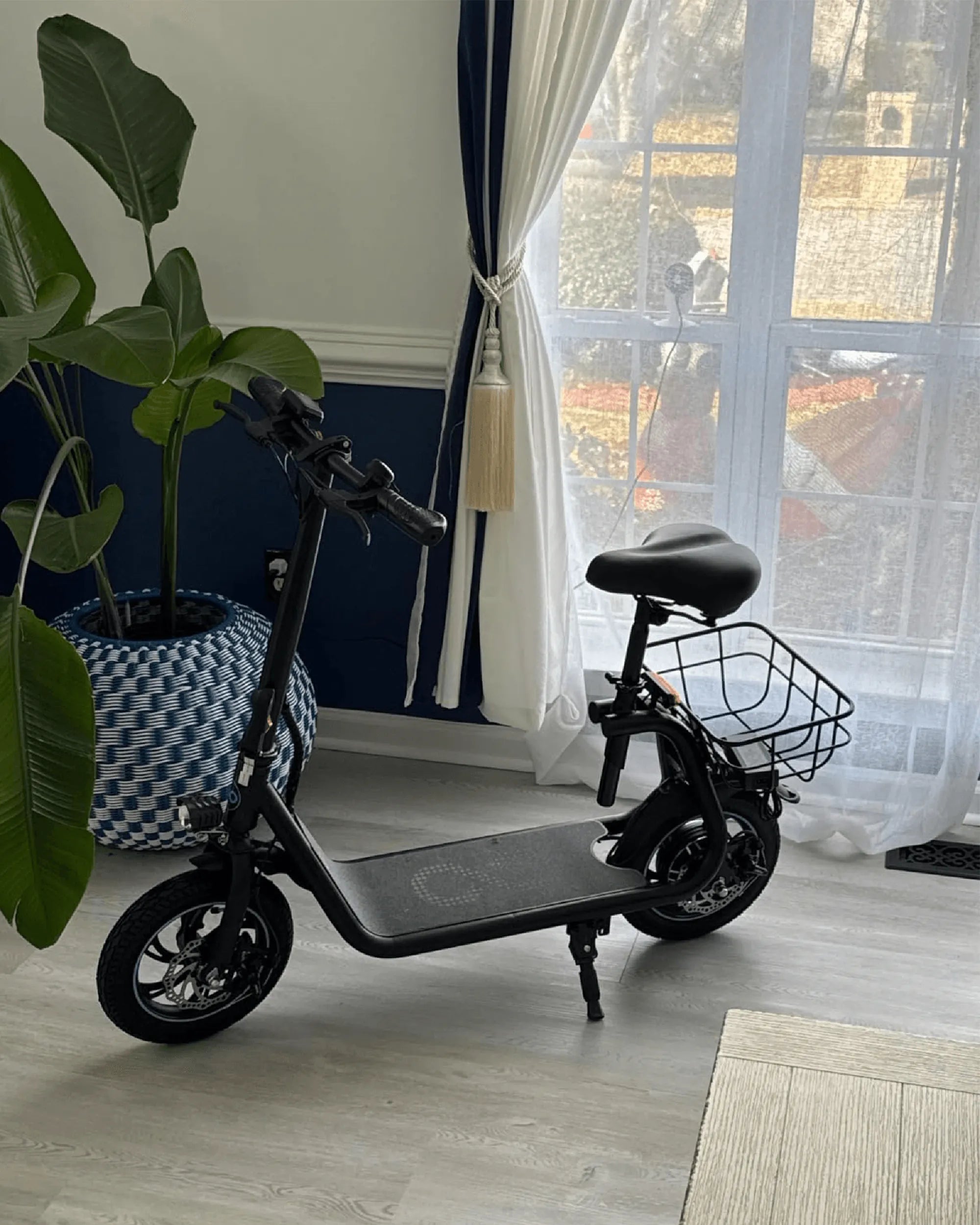
Introduction: Finding the Perfect First Electric Ride
Choosing the best 2 wheel scooter for a 7 year old is a significant decision that blends excitement with responsibility. At this age, children are developing crucial motor skills, balance, and a sense of independence, making a well-chosen electric scooter a fantastic tool for outdoor fun and growth. This guide cuts through the noise to provide a data-driven, safety-first analysis of what makes a scooter truly suitable for a young rider.
You will learn the non-negotiable safety features, understand key comfort and usability factors, and discover how to match a scooter's capabilities to your child's maturity level. We'll analyze specific model attributes, provide a clear parental action plan, and answer all common concerns. The goal is to ensure the first riding experience is joyful, confident, and, above all, safe.
Why a 7-Year-Old is Ready for a Two-Wheel Electric Scooter
Developmentally, seven is often the sweet spot for introducing a powered two-wheeler. Children at this age typically have significantly improved gross motor skills, coordination, and core strength compared to younger kids. They can balance more effectively, follow multi-step instructions, and understand basic cause-and-effect relationships, which is crucial for operating a scooter with a throttle and brake.
Their cognitive ability to grasp and remember safety rules—like scanning for obstacles, signaling stops, and respecting speed limits—makes supervised scooter riding a viable activity. It's an opportunity to teach responsibility, road awareness (even on sidewalks), and the importance of protective gear. The key is pairing this readiness with a scooter designed for their capabilities, not an adult's.
It's vital to assess your individual child's maturity and coordination, not just their age. A cautious, rule-following 7-year-old might be a better candidate than an impulsive one. Parental supervision remains non-negotiable, especially during the initial learning phase and whenever riding in non-controlled environments. Setting clear ground rules from day one establishes a framework for safe enjoyment.
Key Safety Features: The Non-Negotiables
Safety is the paramount criterion when selecting the best 2 wheel scooter for a 7 year old. The right features can prevent accidents and build a child's confidence. Prioritize models that incorporate these fundamental safety technologies, which are designed to mitigate common risks associated with beginner riders.
Speed Limiters and Parental Controls
Adjustable speed settings are the most critical safety feature for a child's e-scooter. Look for models with at least two, preferably three, speed modes. A beginner mode should cap speed at 5-7 mph (8-11 km/h), allowing the child to master balance and control in a safe, manageable way. Intermediate and advanced modes can incrementally increase to a maximum of 10-12 mph for experienced young riders.
Advanced parental controls, such as a remote control that allows a parent to limit speed or even initiate a remote stop from a distance, provide an extra layer of security. Some models use a PIN code to lock the scooter's settings, preventing the child from altering the speed mode without permission. This ensures the scooter's performance grows with the child's skill under parental guidance.
Stable Wheel and Deck Design
Stability is born from the contact points. Wider wheels (at least 6 inches in diameter) provide better balance and roll more smoothly over small cracks and debris than tiny, hard plastic wheels. Air-filled (pneumatic) or high-quality rubber tires offer superior shock absorption and grip compared to solid plastic, making rides more comfortable and controlled on varied surfaces.
The deck should be low to the ground to lower the center of gravity and wide enough for a child to place both feet comfortably side-by-side. A textured, anti-slip surface is essential to maintain footing, especially during braking or on damp pavement. This design minimizes the risk of tipping and helps the rider feel secure.
Reliable Braking System
Predictable and smooth stopping power is a must. For young riders, a combination braking system is often ideal. An electronic (e-brake) or regenerative brake activated by the throttle or a button provides initial stopping power, while a physical foot brake or rear disc brake offers a more familiar, mechanical backup.
The brake should engage progressively, not abruptly, to prevent the child from being thrown forward. Test the braking response; it should feel intuitive and instill confidence. A scooter that stops erratically or requires excessive force is not suitable for a beginner.
Durable Construction and Weight Limit
The frame must be robust enough to handle the bumps and occasional mishaps of learning. Aircraft-grade aluminum alloy is a standard for quality, offering a strong yet relatively lightweight structure. Check the welds and joints for solid construction.
Always choose a scooter with a maximum weight limit that exceeds your child's current weight by a significant margin—aim for a limit of at least 120-150 lbs. This accounts for growth, the weight of a backpack, and ensures the scooter operates within its engineered safety parameters, preserving motor and battery life.
Essential Comfort and Usability Factors
Beyond pure safety, a scooter must be comfortable and easy to use to ensure it gets ridden. Features that enhance the ergonomic fit and practical operation are key to long-term satisfaction and frequent use.
Adjustable Handlebar Height
An often-overlooked feature, adjustable handlebars are crucial for proper posture and control. The ideal handlebar height for a 7-year-old typically ranges from 28 to 34 inches from the deck. The child should be able to stand upright on the deck with a slight bend in the elbows when gripping the handles.
Handlebars that can be raised as the child grows extend the scooter's usable life by 2-3 years, making it a smarter investment. Look for a simple, tool-free adjustment mechanism that uses a quick-release clamp or push-button system for easy changes.
Battery Life and Charging Safety
Realistic range expectations are important. For a child's scooter, a battery that provides 40 to 60 minutes of continuous ride time on a single charge is typically sufficient for neighborhood adventures. This usually translates to a range of 6-10 miles depending on speed, terrain, and rider weight.
Charging safety is paramount. Insist on a scooter that uses a UL-certified battery pack and charging system. These have undergone rigorous testing for overcharge protection, short-circuit prevention, and thermal stability. Brands like Gyroor prioritize this, using UL-certified batteries tested for 500+ charge cycles. Charge time should be reasonable, typically 3-5 hours, and the charger should have automatic shut-off.
Portability and Overall Weight
The scooter needs to strike a balance between sturdiness and manageability. A weight between 15 and 22 lbs is ideal. It's light enough for a parent to easily lift into a car trunk or carry home if needed, yet heavy enough to feel stable and substantial under a child's weight.
Some models feature a folding mechanism, which is a significant advantage for storage and transport. Ensure the folding latch is robust, secure, and designed to prevent accidental collapse during riding. A simple, one-step fold is best.
Top Recommended Model Archetypes & Comparison
Based on the criteria above, here are three archetypes of the best 2 wheel scooter for a 7 year old, illustrating how different feature sets cater to varying priorities. These represent the kind of thoughtful engineering parents should seek.
| Feature | Archetype A: The Balanced Performer | Archetype B: The Safety-First Guardian | Archetype C: The Lightweight Explorer |
|---|---|---|---|
| Primary Focus | Best overall value & growth | Maximum safety for cautious starters | Portability & off-path capability |
| Max Speed (Modes) | 9 mph (3 modes: 4/7/9 mph) | 7 mph (2 modes: 4/7 mph) | 10 mph (2 modes: 5/10 mph) |
| Key Safety Tech | Remote start/stop, E-brake + foot brake | Wider deck, dual disc brakes, bright LEDs | Larger air-filled tires, thumb throttle control |
| Battery & Range | UL-certified, ~8 mile range | UL-certified, ~6 mile range | UL-certified, ~7 mile range |
| Ideal For | The child ready to grow into their scooter | Parents who prioritize control and stability | Active kids on grass, gravel, or bumpy paths |
Archetype A: The Balanced Performer
This model, akin to what Gyroor offers in its junior lineup, represents the ideal middle ground. It features three speed modes, allowing a child to start at a walking pace (4 mph) and progress as their skill and confidence grow. A remote control gives parents the ability to start, stop, or limit the scooter from up to 20 meters away.
It combines a reliable electronic brake with a rear foot brake for layered stopping power. With air-filled tires for comfort, an adjustable handlebar, and a robust aluminum frame backed by a 1-year warranty, it's designed for durability and long-term use. This is often the best 2 wheel scooter for a 7 year old seeking a versatile, growth-oriented ride.
Archetype B: The Safety-First Guardian
Designed for the utmost peace of mind, this archetype emphasizes stability and control. It features a noticeably wider deck and wheelbase for exceptional balance. The speed is conservatively capped, and it may include dual mechanical disc brakes for very responsive, predictable stopping.
Enhanced visibility is a hallmark, with integrated bright LED headlights, deck lights, and rear brake lights. The construction is ultra-durable, often with reinforced joints. This is the perfect choice for a child's first powered vehicle or for parents who value maximum risk mitigation above top speed or range.
Archetype C: The Lightweight Explorer
Built for the adventurous child, this scooter prioritizes handling on uneven terrain. It features larger, air-filled tires (often 8 inches) with deeper treads to handle grass, dirt paths, and gravel better than standard models. The frame is engineered to be exceptionally light without sacrificing strength, making it easy to carry.
It maintains crucial safety features like speed limiters and reliable brakes but pairs them with a more responsive motor for tackling slight inclines. This model is for the 7-year-old who sees the backyard, park, or trail as their playground, not just the driveway.
Setting Up for Success: The Parental Guidance Checklist
Purchasing the best 2 wheel scooter for a 7 year old is only the first step. Proper preparation, training, and maintenance are what transform a toy into a safe, enjoyable activity.
Gear Up: Essential Safety Equipment
Never ride without a CPSC-certified bicycle helmet that fits snugly. This is non-negotiable. Additionally, invest in a set of knee and elbow pads designed for action sports; they offer superior protection to basic toy versions. Wrist guards are also highly recommended to prevent common scooter fall injuries.
Outfit your child in closed-toe, sturdy shoes (like sneakers) – no sandals or flip-flops. Bright, visible clothing is a plus. Consider a safety vest with reflectors if riding near dusk. This gear should be worn every single time, setting a non-negotiable safety standard.
The First Ride: Teaching and Practice Protocol
Begin in a completely safe, controlled environment: an empty parking lot, a smooth driveway, or a quiet cul-de-sac. Set the scooter to its slowest speed mode. Have your child practice basic maneuvers without power first: pushing off, balancing, and using the foot brake.
Then, introduce the throttle. Practice starting, gentle acceleration, and braking to a complete stop. Drill "look where you want to go" and scanning for obstacles. Establish simple hand signals for stopping and turning. Supervise closely for the first several hours of total ride time, gradually introducing new environments like smooth park paths.
Maintenance and Care Basics
Regular, simple checks ensure longevity and safety. Before each ride, inspect tires for proper inflation and wear. Ensure all bolts (especially on the handlebar stem and folding mechanism) are tight. Check that brakes engage smoothly and effectively.
Keep the scooter clean and dry. Wipe it down after use on wet surfaces. Store it in a dry place, avoiding extreme temperatures. Follow battery care instructions: don't leave it fully discharged for long periods, and avoid charging immediately after a long, hot ride. Adhering to the manufacturer's guidelines preserves the battery's 500+ charge cycle life.
Frequently Asked Questions (FAQs)
Q: Is an electric scooter safe for a 7-year-old?
A: Yes, when paired with the correct safety-focused scooter model, comprehensive protective gear, proper adult supervision, and thorough training. The key is choosing a scooter with speed limiters, stable design, and reliable brakes specifically engineered for young beginners.
Q: What is a good maximum speed for a child's e-scooter?
A> For a 7-year-old beginner, a maximum speed of 9-10 mph is generally sufficient and safe. More important is having a beginner mode that limits speed to 5-7 mph for initial learning. The ability to adjust the speed cap as the child's skill progresses is a valuable feature.
Q: How long does the battery typically last on a single charge?
A> Most quality models offer 40 to 60 minutes of continuous ride time, translating to a range of 6-10 miles. Real-world range depends heavily on the speed mode used, rider weight, terrain, and temperature. Batteries from reputable brands like Gyroor are rated for 500+ charge cycles, meaning several years of regular use.
Q: Can the scooter be used on sidewalks or in parks?
A> Local laws vary, so always check municipal regulations. Generally, sidewalks are permissible for children's scooters at low speeds, with extreme caution for pedestrians. Smooth park paths are ideal practice areas. Avoid roads, steep hills, and wet or sandy surfaces. Teach your child to yield right-of-way.
Q: What should I do if the scooter gets wet?
A> While many scooters have IPX4 or IPX5 water-resistant ratings meaning they can handle light rain and puddles, they are not waterproof. If it gets wet, immediately dry it off with a towel, paying special attention to the deck, brakes, and charging port. Never submerge it or charge it while wet. Store it in a dry place to prevent corrosion.
Investing in Fun, Freedom, and Responsibility
Selecting the best 2 wheel scooter for a 7 year old is an investment in more than a toy; it's an investment in outdoor activity, skill development, and responsible independence. The ideal choice seamlessly integrates critical safety engineering—like adjustable speed limiters, stable wide wheels, and UL-certified batteries—with comfort features that ensure a perfect fit for a growing child.
By following the data-driven criteria outlined here, from prioritizing parental controls to establishing a rigorous practice protocol, you can confidently navigate the market. The result is a purchase that delivers joy without compromising on security. A well-chosen scooter becomes a source of pride for the child and peace of mind for the parent, creating memories of childhood freedom built on a foundation of safety.
Ready to explore a range of electric scooters built with these exacting safety and quality standards in mind? Browse the full Gyroor collection, trusted by over 100,000 riders for UL-certified batteries, IPX5 water-resistant designs, and reliable 1-year warranties, at gyroorboard.com.
Mini Scooter Bike for Adults: The Ultimate Guide to Compact Electric Mobility
Double Wheel Scooter: The Ultimate Guide to Enhanced Stability & Safety