



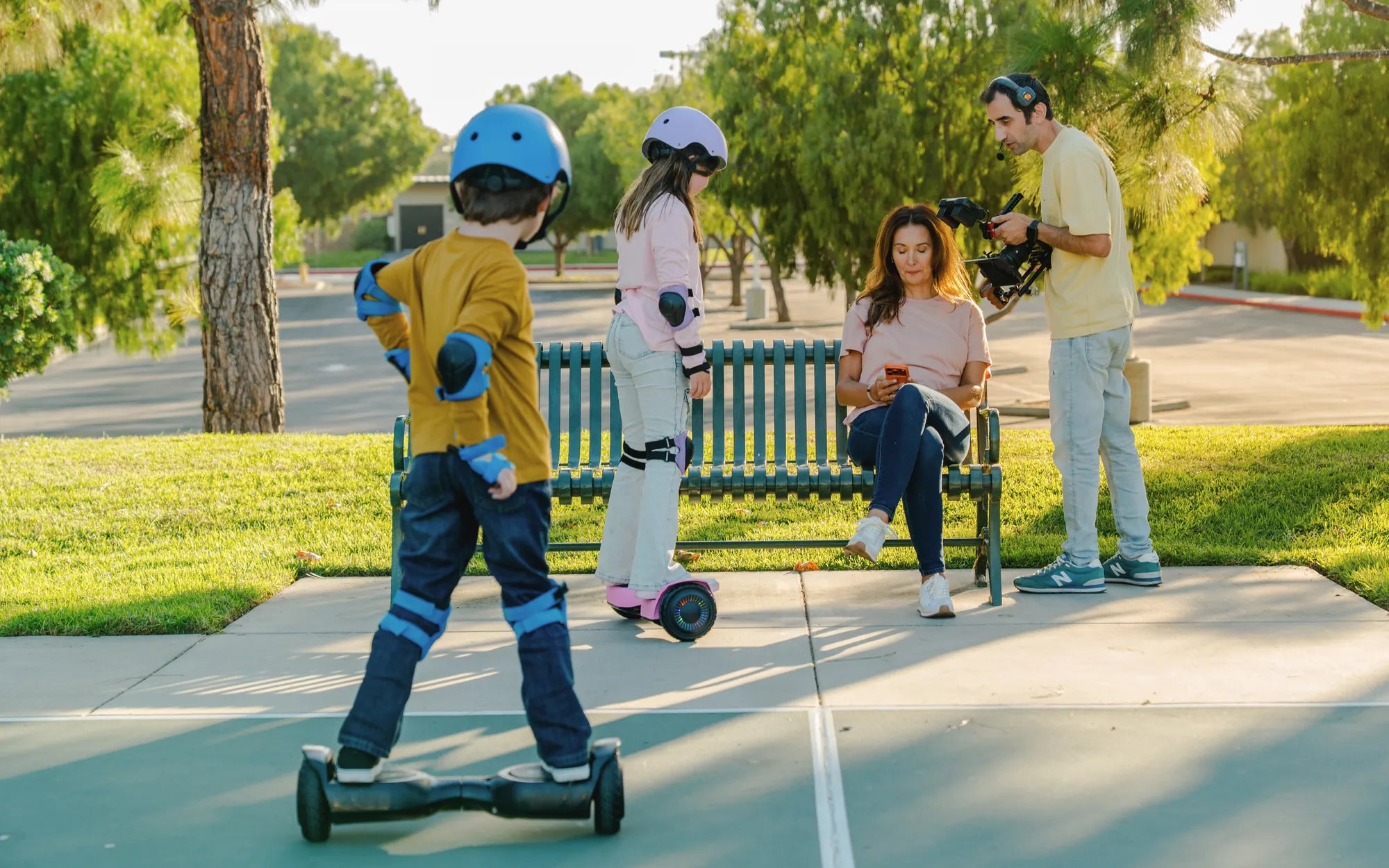
Introduction: The 3-Wheel Revolution in Kids' Electric Mobility
Choosing the right first electric vehicle for your child involves balancing exhilaration with security. The Best 3 Wheel Electric Scooter for Kids achieves this equilibrium, merging the thrill of independent mobility with a foundation of inherent stability that two-wheel models often lack. This guide will dissect the critical elements that define a top-tier scooter: certified safety protocols, engaging fun that promotes outdoor play, and construction durability that withstands years of adventure. We will provide a data-driven framework for your decision, ensuring your investment delivers countless smiles and secure rides.
The evolution from push scooters to electric models represents a significant leap in play and development. A quality 3-wheel electric scooter is more than a toy; it's a tool that builds coordination, confidence, and a love for the outdoors. The key is finding a model where engineering prioritizes a child's safety without sacrificing the pure joy of the ride.
Parents today seek products that offer long-term value and mitigate risk. The market is filled with options, but the standout models distinguish themselves through robust construction, reliable power systems, and thoughtful design tailored to young riders' abilities. We will explore these benchmarks in detail.
By the end of this analysis, you will understand precisely what to look for in speed settings, braking systems, battery safety, and frame construction. You'll be equipped to select a scooter that not only captivates your child today but also remains a dependable companion for their growing years.
The Unbeatable Stability of Three Wheels: Engineering for Confidence
The primary advantage of a three-wheel configuration is its transformative impact on stability. Unlike a two-wheeled scooter that requires constant balance adjustment—a challenging skill for younger children—a 3-wheel design creates a stable triangular contact patch with the ground. This geometry dramatically reduces the risk of lateral tip-overs during starts, stops, and turns, providing a crucial safety buffer for beginners.
This inherent stability allows children to focus on mastering the controls—the throttle, brake, and steering—without the added anxiety of falling over at a standstill. It builds foundational confidence, making the learning curve gentler and more enjoyable. The psychological benefit is significant: a child who feels secure is more likely to practice and develop their skills rapidly.
From a physics standpoint, the wider wheelbase and lower center of gravity common in these designs increase rotational inertia, making the scooter more resistant to unwanted changes in direction. This engineering translates directly to a smoother, more predictable ride on typical surfaces like driveways, sidewalks, and park paths.
For parents, this design means less hands-on supervision is required during the initial learning phase. You can transition from holding the handlebars to watching from a short distance much faster, knowing the scooter's design is actively working to keep your child upright.
Key Stability Features to Look For
Not all 3-wheel scooters are equal in their execution of stable design. Specific features enhance this core principle. First, examine the steering mechanism. Lean-to-steer systems, where the child shifts their weight to turn, are intuitive and promote natural balance development while maintaining a very stable base, as the front wheels tilt together.
Second, the deck design is critical. A wide, textured deck provides ample foot space and superior grip, preventing slips. A deck positioned low to the ground further lowers the center of gravity, enhancing stability. Look for a deck length that allows for a comfortable, staggered stance.
Finally, wheel size and composition matter. Larger, air-filled (pneumatic) or high-quality rubber wheels absorb bumps and cracks better, providing a stable ride over imperfect terrain. Wider wheels also offer more contact with the ground, improving grip during turns. Avoid hard plastic wheels for anything beyond perfectly smooth indoor surfaces.
Beyond Fun: The Holistic Developmental Benefits
While the fun factor is obvious, a 3-wheel electric scooter serves as a powerful developmental tool. It encourages sustained outdoor physical activity, combating sedentary habits. The act of riding engages core muscles, improves overall coordination, and refines gross motor skills as the child learns to steer, balance, and brake effectively.
Riding fosters spatial awareness and risk assessment. Children learn to judge distances, navigate obstacles, and understand cause-and-effect (e.g., throttle input equals acceleration). This promotes cognitive development and independent decision-making in a controlled, engaging environment.
Furthermore, managing their own vehicle instills a sense of responsibility and ownership. Children learn to check battery levels, perform basic maintenance like keeping tires inflated, and follow safety rules. This can be a foundational step in teaching respect for possessions and understanding operational limits.
The social and emotional benefits are also notable. Riding with friends or family promotes shared experiences and can boost self-esteem as children master a new skill. The confidence gained from successfully operating a scooter often translates to other areas of a child's life.
Durability Decoded: Materials and Construction That Last
Durability in a kids' product is non-negotiable. It is intrinsically tied to safety—a failing component can cause an accident—and to value—a scooter that breaks in months is a poor investment. True durability stems from high-grade materials and intelligent engineering designed to absorb the rigors of active play.
The frame is the skeleton. Look for aircraft-grade aluminum or reinforced steel constructions. These materials offer an optimal strength-to-weight ratio, resisting bends and cracks from jumps off curbs or accidental collisions. Welds should be clean and robust, not spotty or thin.
The deck should be made of reinforced polymer or composite materials that won't crack under weight or impact. Handlebars and their stem require strong clamping mechanisms and often a reinforced folding mechanism if the scooter is collapsible. Every moving part is a potential failure point, so build quality is paramount.
Electrical component resilience is equally important. Wiring should be internally routed and protected from pinch points. Switches and connectors must be robust. A scooter's durability is only as good as its weakest part, so a holistic view of construction is essential when evaluating options.
The Gyroor Standard: Built for Real-World Adventure
As a leader trusted by over 100,000 riders, Gyroor exemplifies the durability benchmark. Their approach integrates safety and resilience at every level. First, the use of UL-certified battery packs is fundamental. These batteries undergo rigorous testing for over 500 charge cycles, ensuring stable, long-lasting power and eliminating risks associated with inferior power cells.
Second, Gyroor models often carry an IPX5 water-resistance rating. This engineering protects the scooter's vital electronics from water jets from any direction, making it capable of handling wet pavement, puddles, and light rain. This feature dramatically expands the scooter's usable life and play opportunities.
Finally, Gyroor backs its robust construction with a comprehensive 1-year warranty, covering manufacturing defects. This warranty reflects confidence in their materials and assembly, providing parents with long-term peace of mind. This combination—certified batteries, water resistance, and strong warranty support—defines a scooter built to last.
Choosing the Perfect Ride: A Parent's Decision Matrix
Selecting the right scooter requires matching specifications to your child's age, size, and skill level. A scooter that is too powerful or too large can be intimidating and unsafe, while one that is underpowered will be quickly outgrown. This checklist transforms technical specs into practical parenting advice.
Start with the intended use case. Will it be used primarily on smooth, flat driveway concrete, or on park paths with slight inclines and cracks? This determines the necessary motor power and wheel type. A 100-watt motor may suffice for flat ground, while inclines demand 150 watts or more.
Consider the scooter's weight and portability. If you'll need to carry it frequently, a lighter aluminum frame is beneficial. However, ensure it doesn't sacrifice strength. Also, check if it has a folding mechanism for easy storage and transport.
Age, Weight, and Speed: Finding the Sweet Spot
Aligning the scooter's capabilities with your child's development is crucial for safety and enjoyment. Use this general guide as a starting point:
- Ages 3-5 (Beginners): Look for a maximum speed capped at 3.5 mph. Weight capacity should be at least 44 lbs. Essential features include a very low deck, lean-to-steer for stability, and a simple push-button or twist throttle.
- Ages 6-9 (Intermediate): Optimal speed range is 7-10 mph, often with multiple speed modes. Weight capacity should extend to 120-150 lbs. Features should include a hand brake, brighter LED lights, and possibly a digital display.
- Ages 10+ (Advanced Kids): Can handle speeds up to 12-15 mph, but parental discretion is advised. Weight capacity should be 150+ lbs. Features like suspension, stronger disc brakes, and longer range become more relevant.
Always prioritize scooters with adjustable handlebar heights. This single feature allows the scooter to "grow" with your child, extending its usable life by several years.
Safety Features You Shouldn't Compromise On
Certain safety elements are non-negotiable. A reliable braking system is the most critical. For younger kids, a foot brake (pressing down on the rear fender) can be intuitive. For older or faster models, a hand-operated electronic disc or drum brake provides more controlled, powerful stopping.
Speed limiters or multiple speed modes are essential. They allow you to lock the scooter into a slow, safe mode while your child is learning, and unlock higher speeds as their proficiency grows. This feature is a direct tool for parental control.
Visibility is safety. Integrated bright LED headlights and taillights, and sometimes wheel or deck lights, are vital for dusk riding. They ensure your child is seen by others. Finally, the deck surface must have a pronounced, non-slip texture to keep feet firmly planted, especially during braking.
Head-to-Head: Comparing Key Scooter Specifications
The table below compares typical specifications across different tiers of 3-wheel electric scooters for kids, highlighting how features evolve with the intended age and use case. This data-driven comparison helps visualize the trade-offs and key upgrades.
| Feature | Beginner Model (Ages 3-5) | Intermediate Model (Ages 6-9) | Advanced Youth Model (Ages 10+) |
|---|---|---|---|
| Max Speed | 3 - 4 mph | 7.5 - 10 mph | 12 - 15 mph |
| Motor Power | 80W - 100W | 120W - 150W | 200W - 250W |
| Max Weight Capacity | 44 - 66 lbs | 120 - 154 lbs | 154 - 220 lbs |
| Battery & Range | 4Ah, 3-5 miles | 5-7.5Ah, 6-10 miles | 7.5-10Ah, 10-15 miles |
| Brake Type | Foot Brake / Regenerative | Hand Brake + Foot Brake | Electronic Disc Brake |
| Key Safety Features | Speed Limiter, Low Deck, Lean-to-Steer | 3 Speed Modes, LED Lights, Non-Slip Deck | Speed Modes, Suspension, Advanced Lighting |
| Durability Focus | Reinforced Plastic/Steel Frame | Aluminum Frame, IPX4 Rating | Aircraft Aluminum, IPX5 Rating, UL-Certified Battery |
The Gyroor Advantage: Synthesizing Safety, Fun, and Durability
Gyroor's product philosophy directly addresses the core concerns outlined in this guide. By engineering scooters around a UL-certified battery standard, they provide a foundation of power safety that eliminates a major source of worry for parents. This certification is a tangible differentiator from generic models using uncertified cells.
The IPX5 water-resistant rating is not merely a spec sheet bullet point; it's a design commitment that acknowledges how kids play. It allows for spontaneous fun without the fear of a ruined scooter from a puddle or a sudden rain shower, directly contributing to the product's long-term durability and value.
Furthermore, Gyroor's adherence to robust frame construction and reliable componentry, backed by their 1-year warranty, creates a complete ecosystem of trust. Parents can be confident they are purchasing a vehicle designed for real-world use, not just a fragile toy. This holistic approach—where safety, durability, and enjoyable performance are not trade-offs but integrated goals—defines the Gyroor advantage.
<Frequently Asked Questions (FAQs)
Q: What is the ideal age for a child to start using a 3-wheel electric scooter?
A: Most children are ready around age 3, provided the scooter is a beginner model with a very low speed (under 4 mph), a low deck, and a stable lean-to-steer design. Always assess your child's individual coordination, ability to follow instructions, and comfort level.
Q: How long does the battery typically last on a single charge, and how long does it take to recharge?
A: Range varies by battery capacity and usage. Beginner models may offer 3-5 miles per charge, while intermediate models can achieve 6-10 miles. Recharge times typically range from 3 to 5 hours for a full charge. Always use the manufacturer-provided charger.
Q: Are these scooters safe for use on public sidewalks or driveways?
A> They are designed for smooth, hard surfaces like driveways, sidewalks, park paths, and bike lanes. Always supervise your child, ensure they wear a helmet and other protective gear, and teach them to yield to pedestrians, watch for driveways, and avoid streets with vehicular traffic.
Q: What is the importance of a UL-certified battery, and why should I insist on it?
A> A UL certification means the battery pack has been tested by Underwriters Laboratories for safety hazards like overheating, short-circuiting, and fire risk. In a kids' product, this independent verification is critical. It ensures the power source meets rigorous electrical and construction safety standards, providing essential peace of mind.
Q: How does the 1-year warranty typically handle normal wear and tear?
A> Warranties generally cover defects in materials and workmanship, not damage from accidents, misuse, or normal wear items like tires, grips, and brake pads. However, a strong warranty from a reputable brand like Gyroor indicates confidence in their core components (motor, battery, frame) and ensures support if a manufacturing flaw appears.
Your Child's First Electric Adventure Awaits
The quest for the Best 3 Wheel Electric Scooter for Kids culminates in a choice that prioritizes secure foundations without dimming the spark of adventure. It's an investment in a product that will be a backdrop for countless hours of outdoor play, skill development, and joyful independence. By focusing on certified safety features like UL-approved batteries, tangible durability markers like water resistance, and adaptive designs with speed limiters and adjustable parts, you select a companion for your child's growth.
Remember, the right scooter empowers. It builds confidence through stable design, fosters responsibility through ownership, and creates memories through pure, active fun. In a market of endless options, let safety certifications, robust construction, and adaptable performance be your guiding stars.
Ready to explore a range of scooters engineered with these precise principles in mind? Discover models that blend proven stability, long-lasting durability, and exhilarating fun for every age and stage. Browse the full Gyroor collection at gyroorboard.com to find the perfect electric scooter that will kickstart your child's journey to confident riding.
Electric Balancing Scooter: The Future of Urban Mobility
How Do You Ride a Hoverboard: A Step-by-Step Guide for Beginners