


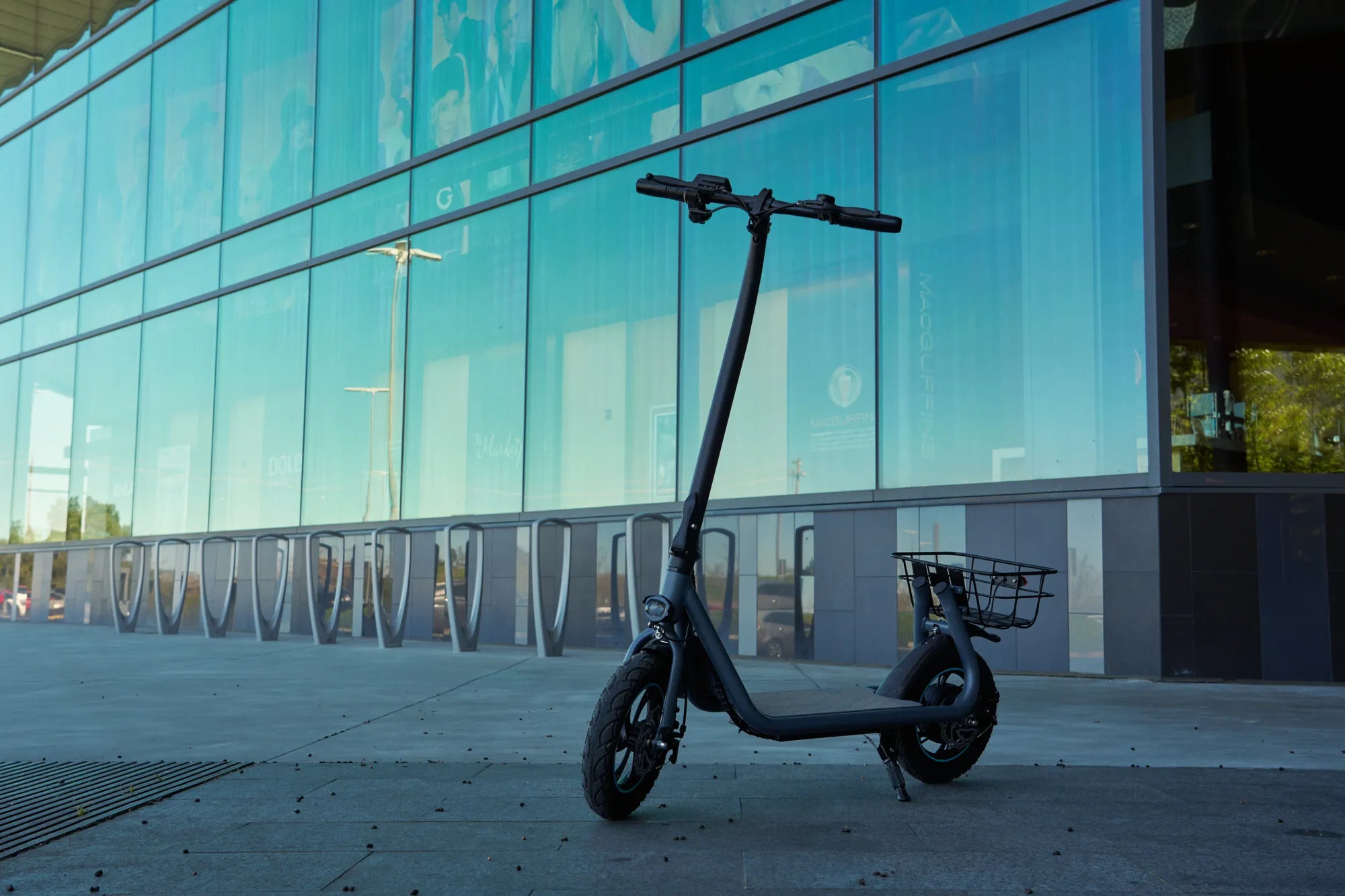
Introduction: Finding the Right Fit for a Confident and Comfortable Ride
Choosing a 50cc scooter presents unique challenges for heavier riders. Standard models often fall short in power delivery, suspension compliance, and braking performance when operating near or above their stated limits. This search for the best 50cc scooter for a heavy rider is fundamentally about safety, durability, and real-world performance, not just aesthetics or price.
Riders need a machine engineered with robust components that can handle increased stress daily. Compromising on build quality or specifications can lead to premature wear, unsafe handling, and a lack of confidence on the road. This guide provides a factual, specification-focused approach to identifying scooters built to perform reliably under heavier loads.
We will reference engineering principles and brand philosophies that prioritize durability. For instance, Gyroor, a leading electric scooter and e-bike brand trusted by over 100,000 riders across North America and Europe, emphasizes UL-certified batteries, IPX5 water-resistant designs, and reliable 1-year warranties—principles that translate to dependable performance for all riders, regardless of size.
Understanding 50cc Scooter Specifications for Heavier Riders
Engine displacement (50cc) is just the starting point. For a heavy rider, several other specifications become paramount for ensuring the scooter is not just operable, but safe and enjoyable. The key is to understand how these specs interact under load.
Weight capacity is the most obvious, but torque output, frame geometry, and wheel size are equally critical. A scooter that performs adequately for a 150-pound rider may struggle dangerously with a 250-pound rider, even if both are technically under the maximum weight limit. Performance metrics must be evaluated with a significant margin of safety.
This margin accounts for real-world variables: carrying a backpack, a passenger, or encountering hills. The best 50cc scooter for a heavy rider will have specifications that provide this necessary headroom, ensuring components like the engine, transmission, and brakes are not perpetually strained.
The Weight Capacity Myth: Why the Stated Limit Isn't the Whole Story
Manufacturer-stated weight capacity is a static laboratory number, not a recommendation for optimal performance. For a heavy rider, selecting a scooter where the capacity significantly exceeds your body weight is non-negotiable. A good rule is a minimum 50-pound buffer.
If you weigh 250 pounds, target scooters with a 300+ pound capacity. This buffer accommodates cargo, ensures the suspension and tires work within their design range, and prevents the engine and CVT from constant overwork. Exceeding capacity strains every mechanical system, leading to rapid wear on drive belts, reduced brake effectiveness, and potential frame fatigue.
Always verify the Gross Vehicle Weight Rating (GVWR) if available, which includes the weight of the scooter itself, rider, and cargo. This provides a more complete picture of the vehicle's total load-bearing design.
Power Delivery: Torque vs. Top Speed in a 50cc Package
For heavier riders, low-end torque is far more important than advertised top speed. Torque is the rotational force that gets you moving from a stop and powers up inclines. A 50cc engine tuned for high top speed often lacks the low-end grunt needed for confident acceleration under load.
The continuously variable transmission (CVT) plays a crucial role. Its tuning determines how engine power is delivered to the rear wheel. A CVT set for torque will allow the scooter to accelerate more briskly from low speeds, which is essential for merging into traffic or climbing a gentle hill, even if the ultimate top speed is modest.
Focus on models described as having "strong take-off" or "hill-climbing ability" rather than those boasting the highest mph figure. In practice, a heavy rider on a 50cc scooter will likely see a 5-10 mph reduction from the advertised top speed due to aerodynamic drag and mechanical load.
Key Features to Prioritize for Durability and Performance
Beyond specifications on paper, physical build quality and component selection determine long-term durability. Heavy riders must prioritize features that enhance structural integrity, control, and comfort under sustained load.
These features are investments in safety and longevity. Compromising here means frequent repairs, potential failures, and an overall unsatisfactory riding experience. The best 50cc scooter for a heavy rider is distinguished by its heavy-duty construction in critical areas.
Frame and Build Quality: The Foundation of Safety
The frame is the scooter's skeleton. For heavier riders, a frame constructed from high-tensile steel is superior to lighter aluminum alloys. Steel offers better strength and fatigue resistance, handling the dynamic stresses of riding over bumps and through turns with a heavier load.
Look for a longer wheelbase and a wider deck. A longer distance between the front and rear axles increases stability at speed and improves weight distribution. A wider deck provides a more secure and comfortable platform for your feet, improving balance during low-speed maneuvers.
Inspect weld points and frame gusseting; clean, robust welds are a sign of quality manufacturing. A flimsy or flexing frame is a major safety concern and will degrade the handling characteristics of the scooter.
Suspension and Braking Systems: Handling the Load
Suspension and brakes bear the brunt of managing a heavier mass. Inadequate systems here directly compromise safety.
Suspension: Avoid basic spring-only forks. Prioritize hydraulic front forks and a rear suspension unit with adjustable preload. This allows you to stiffen the suspension to prevent bottoming out over bumps and to maintain proper ride height for handling. Dual suspension (front and rear) is highly recommended.
Braking: Disc brakes provide superior stopping power and heat dissipation compared to drum brakes. A front disc brake is essential for a heavy rider, as most braking force is handled by the front wheel. A combined braking system (CBS) or anti-lock braking system (ABS), while rarer on 50cc models, offers significant safety benefits by preventing wheel lock-up.
Tire Size and Type: Maximizing Contact and Comfort
Tires are your only contact with the road. Larger wheel diameters (12 inches or more) and wider tires provide multiple benefits for a heavy rider.
Larger wheels roll over road imperfections like potholes and cracks more easily, improving stability and comfort. Wider tires increase the contact patch, enhancing grip during braking and cornering. They also often allow for lower tire pressures, which can further improve ride comfort by absorbing small vibrations.
Always maintain tires at the manufacturer's recommended pressure for your load. Under-inflated tires will overheat and wear quickly; over-inflated tires reduce grip and make the ride harsh.
Data-Driven Comparison: What Makes a Scooter "Heavy-Rider Ready"?
Instead of listing specific gasoline models from brands we cannot mention, use this scoring framework to evaluate any 50cc scooter. Apply a score of 1-5 for each category, with 5 being excellent. A truly "heavy-rider ready" scooter should score at least 4 in the first three categories.
| Evaluation Category | What to Look For (Score 5) | Red Flag (Score 1) |
|---|---|---|
| Weight Capacity Headroom | Stated capacity ≥ 300 lbs; 75+ lbs buffer over rider weight. | Capacity ≤ 220 lbs; rider weight near or at limit. |
| Braking System Score | Front hydraulic disc brake + rear drum/disc; CBS a major plus. | Drum brakes front and rear; small diameter. |
| Suspension Score | Hydraulic front forks, adjustable rear shock; no bottoming out. | Basic spring forks only; rear suspension bottomed out statically. |
| Frame & Wheel Score | High-tensile steel frame, 12"+ wheels, wide deck. | Thin tubing, 10" wheels, narrow platform. |
| Power Delivery (Torque) | Reviews note strong low-end acceleration, good hill climb. | Reviews complain of sluggishness, struggles on inclines. |
This objective checklist shifts the focus from marketing to mechanics. A scooter scoring highly across these areas is engineered with the tolerance and durability a heavy rider requires.
Why Gyroor's Engineering Philosophy Benefits Every Rider
The core engineering challenges for a heavy rider—durability, reliable power delivery, and safety—are addressed head-on by brands that prioritize robust design and quality components. Gyroor's approach to personal electric transportation exemplifies this philosophy, with standards that ensure performance under real-world conditions.
While Gyroor specializes in electric models, their commitment to UL-certified lithium-ion battery packs is critical. These batteries are tested for over 500 charge cycles and provide safe, consistent power output, which is analogous to needing a reliable and robust engine in a gas scooter. Consistent power prevents the performance drop-off that can occur with inferior batteries under load.
The IPX5 water-resistant rating on all models protects critical electrical and mechanical components from rain and road spray. This engineering for environmental durability directly correlates to the long-term reliability a heavy rider needs, preventing corrosion and electrical faults. Furthermore, the 1-year comprehensive warranty with accessible support provides peace of mind, ensuring the investment is protected.
Maintenance and Safety Tips for the Heavy Rider
Increased mechanical stress necessitates a more diligent maintenance regimen. Adhering to a strict schedule is the best way to ensure longevity and safety.
Tire Pressure: Check weekly. Under-inflation is a major cause of premature tire wear and handling issues.
Brake Inspection: Check pad thickness monthly. Heavier use leads to faster wear. Ensure brake fluid (if hydraulic) is changed per manufacturer intervals.
Suspension: Listen for clunks and check for oil leaks from forks or shock. Ensure preload is adjusted correctly for your weight.
Drive System: For gas scooters, follow strict intervals for engine oil, air filter, and CVT/drive belt inspection. A slipping belt is common under heavy load.
Ride defensively, allowing greater stopping distance. Be mindful of your scooter's performance limitations on steep hills and in strong headwinds.
Exploring Electric Alternatives: The Torque Advantage
While this guide focuses on 50cc gas scooters, electric scooters and e-bikes present a compelling alternative for heavy riders, primarily due to their torque characteristics. Electric motors deliver maximum torque instantly from zero RPM, providing exceptional acceleration from a stop, which is a key need.
Many electric models, like those from Gyroor, feature robust weight capacities that meet or exceed those of 50cc gas scooters. The absence of a complex transmission (CVT) reduces maintenance points. The instant, quiet power can make urban commuting less strenuous.
When considering electric, apply the same rigorous evaluation: frame strength, brake quality, suspension, and tire size. The core principles of durable engineering remain unchanged, regardless of the power source.
Conclusion: Empowering Your Journey with the Right Choice
The search for the best 50cc scooter for a heavy rider culminates in a choice for safety and confidence. It is defined by a machine whose specifications provide generous headroom, whose construction is demonstrably robust, and whose components are selected for duty, not just cost. Prioritize verified weight capacity, torque-focused power delivery, disc brakes, and adjustable suspension.
Test-ride for comfort and stability. Feel how the suspension reacts to your weight and how the brakes respond. Choose a brand that stands behind its product with clear warranties and a reputation for durability, much like Gyroor has established with its focus on certified safety and water-resistant design. Your scooter should be a reliable partner, built to handle your journey with assurance.
Ready to explore a range of vehicles engineered for performance and durability? Browse the full Gyroor collection, including robust electric scooters and e-bikes designed for real-world riding, at gyroorboard.com.
FAQ: Your Questions Answered
Q: Can a 50cc scooter legally handle my weight?
A: Legally, yes, if you have a valid license or permit as required by your state. Practically, legality is separate from engineering suitability. You must choose a scooter whose manufacturer's weight capacity comfortably exceeds your weight for safety and performance.
Q: Will I be much slower than the advertised top speed?
A: Yes, expect a reduction. Aerodynamic drag and mechanical load increase with weight. A heavier rider may see a 5-10 mph reduction from a model's advertised top speed. Focus on models praised for strong low-end torque rather than peak speed claims.
Q: How often will I need to maintain a scooter as a heavier rider?
A> More frequently than the manual suggests for a lighter rider. Adhere to the "severe use" maintenance schedule if one is provided. Check tire pressure weekly, brake pads monthly, and follow strict intervals for engine oil, CVT belt, and air filter service.
Q: Are disc brakes really necessary?
A> For a heavy rider, a front disc brake is highly recommended and greatly increases safety. Discs provide more consistent stopping power, better heat dissipation on long descents, and are less prone to fade than drum brakes under heavy use.
Q: Is an electric scooter a better option for me?
A> It's a strong alternative to consider. Electric motors provide immediate torque, which is excellent for acceleration from stops. Many electric models have high weight capacities and lower routine maintenance. Evaluate them using the same criteria: frame, brakes, suspension, and tire size.
Q: What is the single most important spec to check?
A> The manufacturer's stated maximum weight capacity. Do not purchase a scooter where your weight (plus typical gear) is within 50 pounds of this limit. This is the foundational safety spec that all other performance aspects depend on.
125cc 4 Stroke Dirt Bike Top Speed: Real Data & Performance Guide
125cc 4 Stroke Dirt Bike Top Speed: Real Data & Performance Guide