

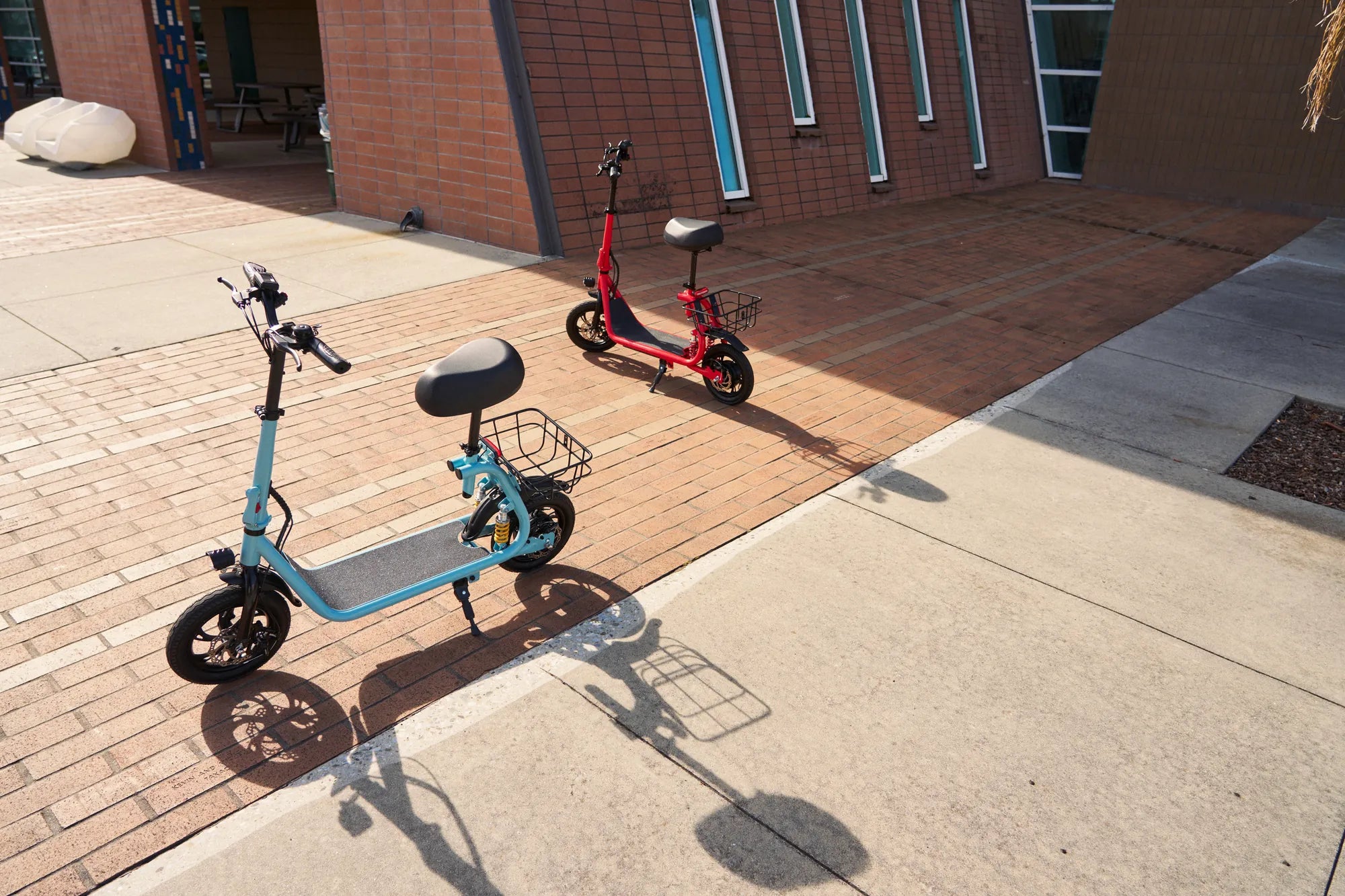
Electric scooters have revolutionized urban mobility, offering a convenient and eco-friendly way to navigate crowded streets. But the heart of any electric scooter is its battery—the component that determines how far you can go and how long your ride will last. Choosing the best battery type for your electric scooter can be overwhelming, given the variety of options available. This guide breaks down the pros and cons of each battery type, helping you make the right choice for your needs.
Why the Right Battery Matters
The battery is the most critical part of an electric scooter, influencing everything from range and speed to charging time and overall durability. A high-quality battery ensures consistent performance, while a poor choice can lead to frequent replacements and disappointing rides. Understanding the different battery technologies will help you maximize your scooter's potential.
Types of Electric Scooter Batteries
There are three primary battery types used in electric scooters: lead-acid, nickel-metal hydride (NiMH), and lithium-ion (Li-ion). Each has unique characteristics that affect performance, cost, and longevity.
1. Lead-Acid Batteries
Lead-acid batteries are the oldest and most affordable option. They are widely used in budget-friendly electric scooters due to their low upfront cost. However, they come with significant drawbacks:
- Heavy and Bulky: Lead-acid batteries add considerable weight to the scooter, reducing portability.
- Short Lifespan: These batteries typically last 300-500 charge cycles before performance degrades.
- Slow Charging: They take longer to recharge compared to modern alternatives.
Despite these limitations, lead-acid batteries remain a viable option for those on a tight budget or for short-distance commuting.
2. Nickel-Metal Hydride (NiMH) Batteries
NiMH batteries offer a middle ground between lead-acid and lithium-ion batteries. They are lighter and more efficient than lead-acid but still fall short in some areas:
- Better Energy Density: NiMH batteries store more energy than lead-acid, providing a longer range.
- Moderate Lifespan: They last around 500-800 charge cycles, outperforming lead-acid but not matching Li-ion.
- Environmental Concerns: NiMH batteries contain toxic metals, making disposal more complicated.
While NiMH batteries are less common in modern electric scooters, they can still be found in some mid-range models.
3. Lithium-Ion (Li-ion) Batteries
Lithium-ion batteries are the gold standard for electric scooters, offering superior performance in almost every aspect:
- Lightweight and Compact: Li-ion batteries are significantly lighter, improving portability and handling.
- Long Lifespan: They can last 800-1,200 charge cycles, making them a long-term investment.
- Fast Charging: Li-ion batteries recharge quickly, often in just a few hours.
- High Energy Density: They provide the longest range and most consistent power output.
The main drawback of Li-ion batteries is their higher upfront cost, but their durability and efficiency often justify the price.
Factors to Consider When Choosing a Battery
Selecting the best battery type for your electric scooter depends on several factors:
1. Range Requirements
If you need a scooter for long commutes, a lithium-ion battery is the best choice due to its high energy density. For shorter trips, a lead-acid or NiMH battery might suffice.
2. Budget
Lead-acid batteries are the most affordable, but their shorter lifespan may lead to higher long-term costs. Lithium-ion batteries, while expensive initially, offer better value over time.
3. Weight and Portability
If you frequently carry your scooter or need a lightweight model, lithium-ion is the clear winner. Lead-acid batteries are cumbersome and impractical for portable use.
4. Charging Time
Lithium-ion batteries charge faster, reducing downtime. If you need quick turnarounds between rides, this is a critical advantage.
Maintenance Tips for Electric Scooter Batteries
Regardless of the battery type, proper maintenance can extend its life and optimize performance:
- Avoid Deep Discharges: Try not to drain the battery completely before recharging.
- Store Properly: Keep the battery in a cool, dry place when not in use.
- Regular Use: Batteries perform best when used consistently; long periods of inactivity can harm them.
- Follow Manufacturer Guidelines: Always adhere to the recommended charging and usage instructions.
The Future of Electric Scooter Batteries
Battery technology is constantly evolving, with researchers exploring alternatives like solid-state batteries and graphene-based solutions. These innovations promise even higher energy densities, faster charging, and longer lifespans, potentially revolutionizing the electric scooter industry.
Choosing the best battery type for your electric scooter is a decision that impacts your riding experience, budget, and convenience. Whether you prioritize affordability, performance, or longevity, understanding the differences between battery types ensures you make the right investment. Ready to upgrade your ride? The perfect battery is just a charge away!
Top Rated Electric Dirt Bike: The Ultimate Off-Road Adventure Companion
Best Electric Scooter with Suspension UK: Top Picks for a Smooth Ride