



Your First Commuter Bike – A Guide to Starting Smart
Choosing your first commuter bike is more than a simple purchase; it's an investment in your daily life. The right bike can transform your commute from a stressful chore into a highlight of your day, offering savings, health benefits, and a profound sense of freedom. For a beginner, the "best" bike isn't about top-tier racing specs. It's the machine that feels comfortable from day one, proves utterly reliable in rain or shine, and offers tangible value that encourages you to ride again tomorrow.
This decision hinges on balancing practical needs with personal comfort. A bike that's intimidating, difficult to maintain, or poorly suited to your route will likely end up gathering dust. Conversely, a well-chosen commuter becomes a trusted partner, seamlessly integrating into your routine. Our goal is to demystify the process, moving from broad categories to specific features, and finally to the smart considerations that lead to a perfect first ride.
We'll explore why certain designs are inherently better for newcomers, how electric assist is revolutionizing accessibility, and what you must know before spending a dime. By the end, you'll have a clear framework for selecting the best beginner commuter bike for your unique journey, whether it's a two-mile flat sprint or a ten-mile hilly challenge.
What Defines a Great Beginner Commuter Bike?
For a first-time commuter, specific attributes far outweigh raw performance. The ideal bike prioritizes rider confidence and low-friction ownership above all else. It should feel intuitive, require minimal upkeep, and be equipped for the realities of daily travel, from potholes to sudden rain showers. Understanding these core pillars will help you cut through marketing jargon and focus on what truly matters.
Beginner-friendly geometry, durable components, and integrated practicality form the holy trinity. A bike excelling in these areas reduces barriers to entry and builds positive riding habits. It's the difference between a commute that feels like a grueling workout and one that feels like an efficient, enjoyable transition between home and work. Let's break down each defining characteristic.
Comfort and Upright Geometry
An upright riding position is non-negotiable for most beginners. This posture places less strain on your lower back, neck, and wrists compared to the aggressive, leaned-over stance of a road bike. It allows you to easily see your surroundings, making urban navigation and traffic awareness significantly easier and less stressful. Comfort directly correlates to how often you'll choose to ride.
Look for a frame that enables a natural, slightly reclined seat-to-handlebar relationship. A steel or compliant aluminum frame can also absorb road vibrations better than a ultra-stiff racing frame. This geometry, often found on hybrid, city, and comfort bikes, promotes confidence. You feel in control and connected to your environment, not stretched out and focused solely on the pavement ahead.
Reliability and Low Maintenance
Your commuter bike is a tool, not a hobby project. Reliability means consistent performance with minimal surprise repairs. Key features include puncture-resistant tires with ample tread, which drastically reduce flats. Mechanical disc brakes offer strong, consistent stopping power in all weather conditions and are easier to maintain than high-end hydraulic systems for a novice.
Drivetrain simplicity is another hallmark. An internal gear hub (IGH) encloses the gears within the rear hub, protecting them from dirt and grime and eliminating the need for frequent derailleur adjustments. A single-speed or 3-speed IGH setup is incredibly robust for flatter routes. For more gears, a proven external derailleur system from a major brand like Shimano or SRAM is a solid choice, provided it's not their lowest-tier componentry.
Practicality and Built-in Features
A true commuter bike comes ready for duty. Integrated features save you money and hassle later. Full-length fenders are essential for keeping you dry and clean on wet roads. A sturdy rear rack provides a platform for panniers or strapping down a bag, freeing your back from sweat and strain. Always-on, dynamo or battery-powered front and rear lights are a critical safety feature for visibility.
Other practical touches include a chain guard or an enclosed chain case to protect your clothing from grease. Kickstands, bell, and reflective sidewall tires add convenience and safety. The best beginner commuter bike often has these elements as standard or includes dedicated mounting points (braze-ons) for easy aftermarket addition. A bike lacking these provisions may be a road or mountain bike in disguise, not a purpose-built commuter.
Top Bike Styles for the New Commuter: A Breakdown
With core principles established, we can evaluate the bicycle categories best suited for a beginner's commute. Each style has a distinct personality, strengths, and ideal use case. The choice largely depends on your route's terrain, distance, and your personal priorities regarding speed, comfort, and cargo. The following comparison table provides a high-level overview before we dive into the details.
| Bike Style | Best For | Key Pros | Key Cons |
|---|---|---|---|
| Hybrid Bike | Mixed surfaces, versatile commuting, most beginners | Upright comfort, stable handling, mounting points for racks/fenders | Not optimized for pure speed or rough trails |
| Fitness/Flat-Bar Road Bike | Paved paths/roads, speed-focused riders | Lighter, faster than hybrids, efficient posture | Less comfortable on bumps, fewer built-in features |
| Electric Commuter Bike | Hilly routes, longer distances, riders seeking assist | Flattens hills, reduces sweat, makes commuting accessible | Higher initial cost, heavier, battery management |
| City/Comfort Bike | Short, casual urban trips, maximum comfort | Very upright, often includes full accessories | Slow, heavy, not for fitness or long distances |
The Hybrid Bike: The All-Rounder Champion
For most beginners, the hybrid bike is the top recommendation and the safest starting point. It masterfully blends attributes from road and mountain bikes to create a supremely versatile machine. You get the relatively smooth-rolling 700c wheels of a road bike paired with a wider, more comfortable tire (around 35-42mm) and a flat handlebar for upright control.
This combination is ideal for the mixed conditions of a typical commute: paved roads, bike paths, and the occasional gravel shortcut. The geometry is stable and forgiving, inspiring confidence during those first few wobbly starts. Most quality hybrids come with or can easily accommodate all the essential commuter features: fenders, a rack, and lights. They represent the "goldilocks" zone for a new rider—not too specialized, just right for daily utility.
The Fitness Bike: For the Speed-Inclined Beginner
If your commute is exclusively on paved surfaces and you're eager to cover ground quickly, a fitness bike (or flat-bar road bike) is a compelling option. It shares the hybrid's flat handlebar but adopts a lighter frame, narrower tires (28-35mm), and a more forward-leaning riding position. This geometry is more aerodynamic and engages your core muscles more, translating pedal power into speed more efficiently.
It's an excellent choice for the beginner who views the commute as both transportation and a fitness session. However, the trade-off is a slightly firmer ride due to the thinner tires and less shock-absorbing frame. These bikes also less frequently come with commuter accessories as standard, so you'll likely need to add fenders and a rack separately. It's a step towards performance while retaining beginner-friendly handling.
The Electric Commuter Bike: Conquering Hills and Distance with Ease
The electric commuter bike is a transformative category, effectively removing the two biggest barriers for beginners: hills and fitness level. A pedal-assist system (PAS) provides a boost that amplifies your pedaling effort, making steep inclines feel flat and long distances feel short. You arrive at your destination energized, not exhausted, and with minimal sweat—a major concern for workplace commuters.
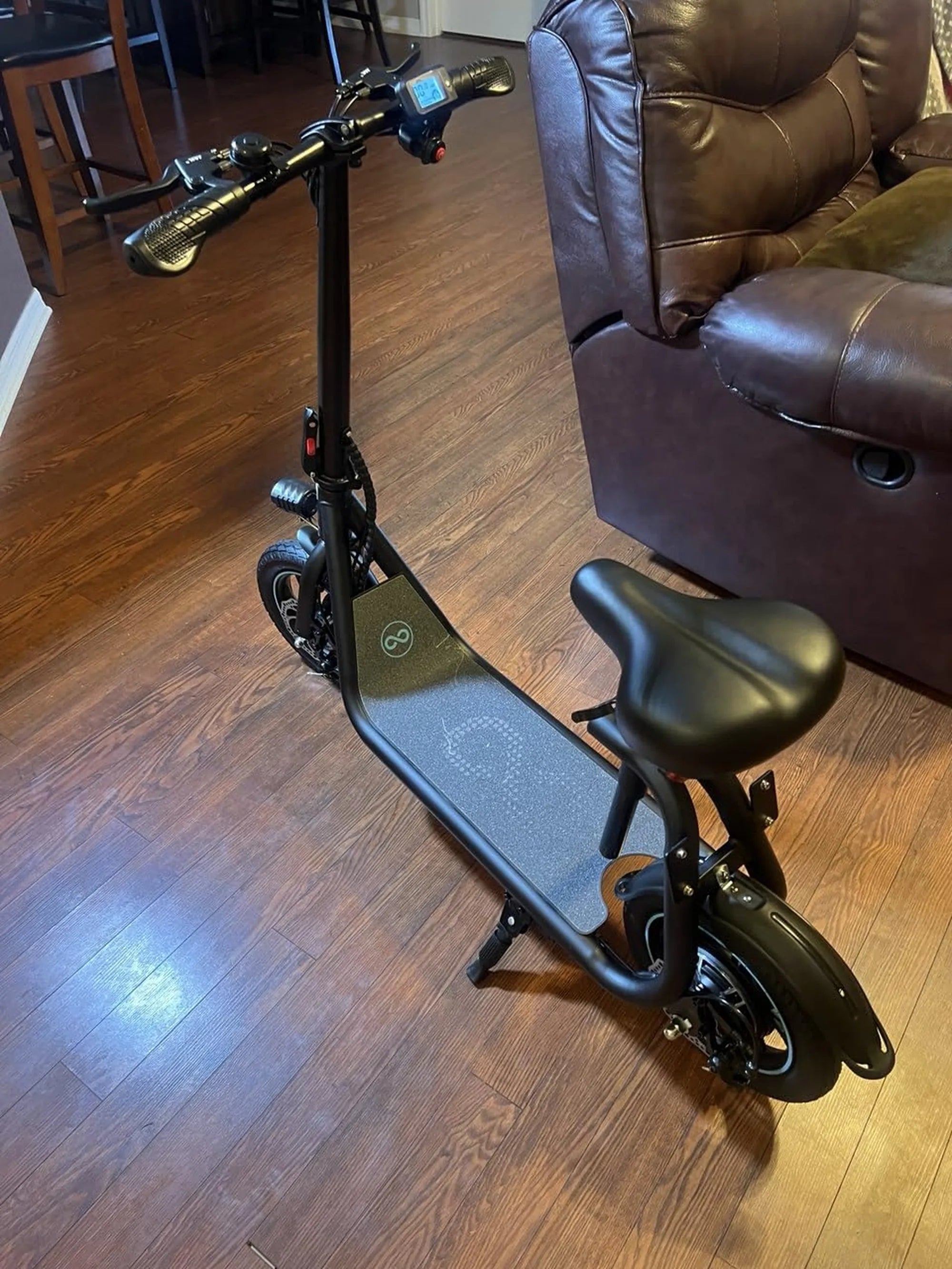
Modern e-bikes like those from Gyroor are designed as complete commuter solutions. They integrate the motor and battery sleekly, include essential features, and are built with daily reliability in mind. For a beginner, an e-bike can be the most encouraging choice, as it guarantees a manageable and enjoyable experience from day one, regardless of route difficulty. It's an investment that can replace car trips more convincingly than any traditional bicycle.
Why a Gyroor Electric Commuter Bike is an Ideal Beginner Choice
Modern electric bikes, particularly from brands with a focus on safety and reliability, represent a paradigm shift for the novice commuter. Gyroor, a leading electric scooter and e-bike brand trusted by over 100,000 riders across North America and Europe, engineers its commuter bikes to directly address the classic pain points of starting out. Choosing a Gyroor is not just buying a vehicle; it's opting for a supported, worry-free introduction to bike commuting.
The brand's philosophy centers on accessibility and durability. By focusing on UL-certified battery safety, robust water-resistant construction, and comprehensive customer support, Gyroor removes the technical anxiety that can surround e-bikes. For a beginner, this translates to confidence. You can focus on the joy of riding and the rhythm of your new routine, not on potential mechanical or battery issues. This peace of mind is a critical, often overlooked component of the best beginner commuter bike.
Eliminating the Fitness Barrier
One of the most common reasons beginners abandon commuting is physical intimidation. A Gyroor e-bike's pedal-assist system completely neutralizes this. With multiple levels of assist, you can tailor the effort to your day—use more power when you're tired or facing a headwind, and less when you want a workout. This adaptability makes it easier to form a consistent habit.
You're more likely to commit to a 7-mile commute if you know an electric boost will help you over the big hill in the middle. This isn't "cheating"; it's smart transportation. It allows riders of all ages and fitness levels to participate, build stamina gradually on their own terms, and enjoy the mental and physical benefits of cycling without the risk of burnout or injury from overexertion.
Built for Real-World Reliability
Gyroor's core engineering principles align perfectly with beginner needs for dependable, all-weather use. Every model uses UL-certified battery packs, a crucial safety benchmark that ensures protection against overheating, short-circuiting, and fire risk. This certification provides peace of mind that is absolutely worth prioritizing over uncertified, potentially hazardous alternatives.
Furthermore, IPX5 water-resistant designs mean you can ride in rain or through puddles without panic, a must for a daily commuter. Coupled with a reliable 1-year warranty and accessible customer support, the ownership experience is designed to be hassle-free. For a beginner, this reliability guarantee means you can trust your bike as a primary transport method, reducing dependency on a car or public transit.
A Practical, Ready-to-Ride Package
Gyroor commuter e-bikes, such as those in their C-series, are conceived as complete solutions. They often come equipped with integrated bright LED headlights and taillights, full-coverage fenders, and a rear cargo rack—the very accessories a beginner would need to purchase separately for a traditional bike. The frame geometry is crafted for an upright, comfortable riding posture that maximizes visibility and control in traffic.
This thoughtful outfitting means you can unbox the bike, make minor adjustments, and start commuting immediately. There's no need for a separate shopping spree at the bike shop or complex installation. The bike arrives as a practical tool, allowing you to invest your time and mental energy into route planning and riding, not accessory research and assembly. This seamless start is invaluable for building momentum in your new commuting habit.
Key Considerations Before You Buy: Fit, Budget, and Test Rides
Armed with knowledge about bike types and features, the final step is personalization. The perfect bike on paper must also be the perfect bike for your body, your finances, and your gut feeling. This stage involves practical logistics that ensure long-term satisfaction and prevent the common mistake of buying a bike that looks good but feels wrong.
Prioritize the experience of riding over a list of specifications. A slightly heavier bike that fits you perfectly will be more enjoyable than a lightweight one that causes discomfort. Be realistic about total cost, including necessary gear. And above all, engage directly with the bikes you're considering. This hands-on phase is where theoretical knowledge becomes practical certainty.
Getting the Right Frame Fit
Frame size is the most critical factor for comfort and control. Most manufacturers provide size charts based on rider height. As a general rule, you should be able to stand over the top tube (the horizontal or sloping bar between seat and handlebars) with about 1-2 inches of clearance. When seated, your leg should have a slight bend (about 80-90% extension) at the bottom of the pedal stroke.
Visit a local bike shop for a professional fitting if possible. They can adjust saddle height, fore/aft position, and handlebar stem to fine-tune your posture. A well-fitted bike prevents knee, back, and hand pain, making your commute pleasant rather than painful. Don't assume you know your size; always verify, as sizing can vary between brands and styles.
Budgeting for the Bike and Essential Gear
Your budget must extend beyond the bicycle's sticker price. For a traditional bike, a $600-$1000 range is a sweet spot for a quality, reliable beginner commuter from a reputable brand. For an electric commuter like a Gyroor, expect to invest more upfront, with the savings accruing from reduced transportation costs over time.
Allocate funds for non-negotiable gear: a high-quality helmet ($50-$150), a sturdy U-lock ($70-$120), a set of bright front and rear lights if not included ($40-$80), and a floor pump with a pressure gauge ($40-$60). Fenders and a rack may also be needed. Setting a total budget that includes these items prevents financial surprise and ensures you're fully equipped for safe, practical commuting from day one.
The Non-Negotiable: The Test Ride
Never buy a commuter bike without a test ride. It is the single most important step. Visit shops that carry the models you're interested in. Ride for at least 10-15 minutes on varied terrain, if possible. Pay attention to how the bike feels when you start from a stop, shift gears, and apply the brakes. Is it stable and predictable? Does the riding position feel natural or strained?
Assess the ease of mounting and dismounting, especially if you'll be stopping at lights frequently. Listen for any concerning noises from the drivetrain or brakes. The right bike will instill a sense of confidence and ease. It should feel like an extension of your body, not a machine you're fighting to control. Trust your instincts—if something feels off, it probably is, even if the specs are impressive.
The Essential Commuter Gear & Accessories Checklist
Your bike is the foundation, but the right gear transforms a ride into a reliable commute. This checklist covers the essentials that complement your beginner commuter bike, ensuring safety, comfort, and convenience. Investing in these items upfront prevents frustration and makes your new habit sustainable through all seasons and situations.
Safety gear is paramount and should be considered part of the bike's cost. Comfort and utility items, while sometimes optional, dramatically improve the experience. Think of these accessories as the tools that enable your bike to fulfill its role as a true car replacement. Quality matters here; durable, well-designed gear lasts for years and performs when you need it most.
Safety & Security: A properly fitted bicycle helmet is non-negotiable. Choose a U-lock or heavy-duty folding lock from a trusted brand like Kryptonite or Abus for primary security, supplemented by a cable for the front wheel. Bright, USB-rechargeable front (500+ lumens) and rear lights are essential for being seen, even during the day.
Comfort & Utility: Padded cycling shorts or a ergonomic saddle can prevent soreness on longer rides. A rear rack paired with panniers or a sturdy basket keeps your back sweat-free and distributes weight evenly. Full-length fenders are a must for wet weather commuting. A basic repair kit with a spare tube, tire levers, a multi-tool, and a mini-pump or CO2 inflator will handle most roadside issues.
Frequently Asked Questions for First-Time Bike Commuters
It's normal to have questions and even anxieties about starting to bike commute. Addressing these common concerns head-on can provide the final nudge of confidence needed to begin. Here are detailed answers to the questions most frequently asked by beginners.
1. What if I'm not in good shape? Will I be able to handle a commute?
Absolutely. This is one of the most common fears. Start by choosing a bike that helps you: a hybrid for its comfort or, better yet, an electric commuter bike for its assist. Begin with shorter, flatter practice rides on weekends. Your fitness will improve rapidly with consistent riding. The key is to start easy and build gradually; your commute is not a race.
2. How do I deal with traffic and stay safe on busy roads?
Plan your route carefully using bike maps or apps to find quieter streets, dedicated bike lanes, and paths. When in traffic, ride predictably, obey traffic signals, use hand signals for turns, and make eye contact with drivers. Assume you are not seen. Wearing bright clothing and using lights during the day increases visibility. Many communities offer adult bike safety courses—highly recommended for beginners.
3. Where will I store my bike at work and at home?
Investigate workplace options first: Is there a secure bike room, parking garage, or even an office you can use? A high-quality U-lock is essential for public racks. At home, consider a wall-mounted or free-standing rack to keep it off the ground and prevent clutter. Security at both ends of your journey is critical for peace of mind.
4. What do I do in bad weather?
With the right gear, you can ride in most conditions. Fenders keep water and mud off you. A waterproof jacket, pants, and shoe covers are worthwhile investments for rainy climates. For cold weather, layering is key. In extreme conditions, have a backup plan (transit, carpool). An e-bike can be particularly helpful in headwinds or when you're wearing heavier clothing.
5. Is an expensive bike necessary for a beginner?
No, but extremely cheap, big-box store bikes often are. They use subpar components that wear out quickly, are difficult to adjust, and can make riding a chore. Investing in a quality bike from a reputable brand (or a trusted e-bike maker like Gyroor) in the $600+ range for traditional or correspondingly more for electric ensures reliability, safety, and enjoyment. It's the difference between a tool that serves you and an obstacle that discourages you.
The Journey Begins with the Right Ride
Selecting the best beginner commuter bike is the foundational act that unlocks a healthier, more economical, and deeply satisfying way to navigate your world. It's a decision that prioritizes long-term joy over short-term specs, comfort over pure speed, and reliable partnership over flashy trends. Whether you choose the versatile hybrid, the efficient fitness bike, or the empowering electric commuter, the goal remains the same: to find the machine that makes you want to ride, day after day.
Remember, the perfect bike is the one that fits your body, suits your route, and aligns with your lifestyle. It should feel like an invitation, not a challenge. For those looking to seamlessly integrate commuting into a busy life, a well-built electric bike from a brand like Gyroor offers a compelling, future-proof solution. It combines the foundational benefits of cycling with modern technology that flattens hills and shortens distances, making the transition from car to bike not just possible, but preferable.
Your new routine awaits. Take the insights from this guide, visit a local bike shop for a test ride, or explore the engineered-for-reality options from trusted brands. The first pedal stroke of your commuting life is the most important one. Make it on a bike that ensures it won't be your last. Ready to find your ideal electric commuter? Browse the full, UL-certified Gyroor collection at gyroorboard.com and start your journey with confidence.
What Age for Scooter? The Complete Guide to Safe, Age-Appropriate Riding
Scooter That Doesn't Need License: Your 2024 Guide to Legal, Hassle-Free Rides