



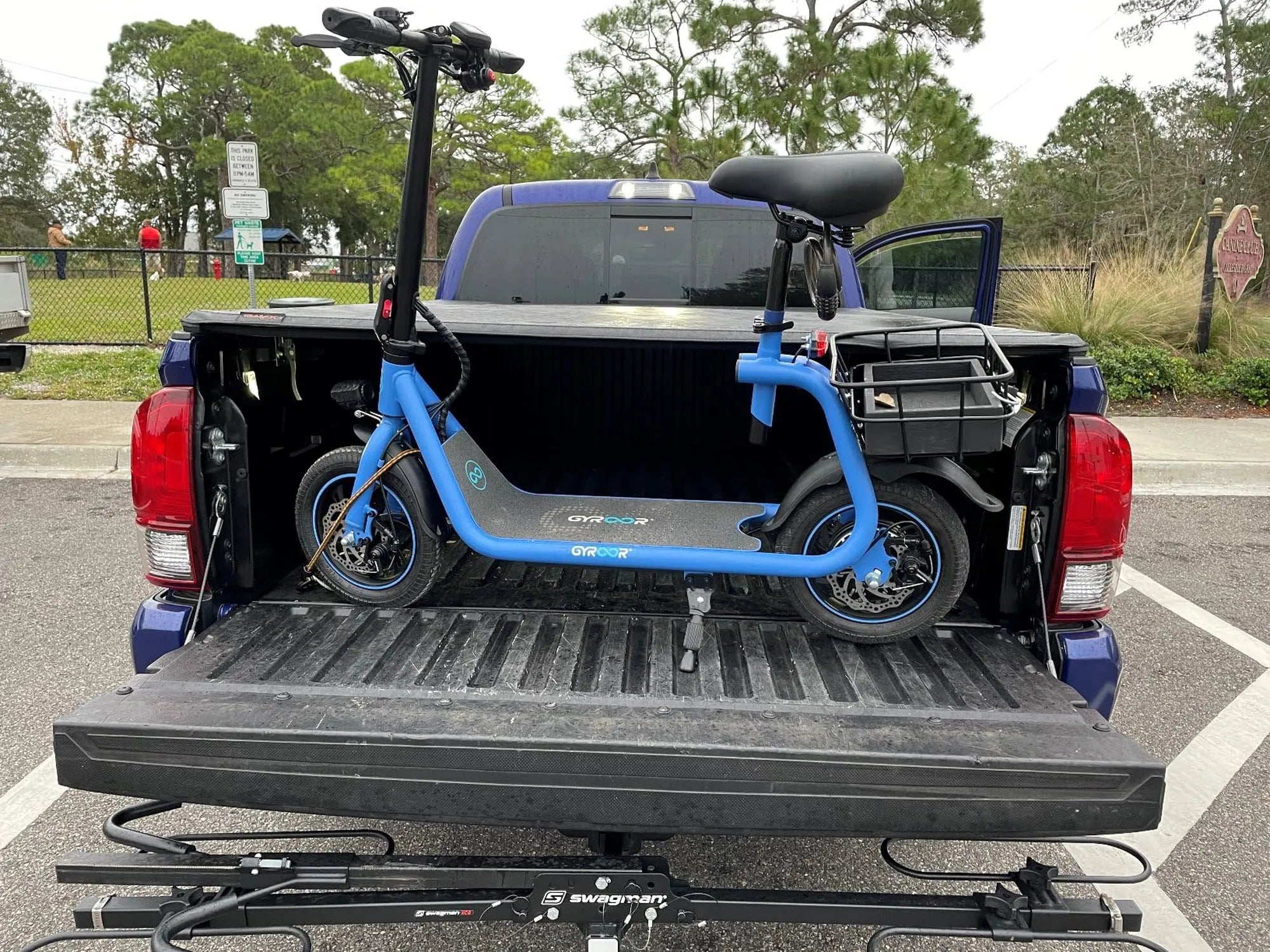
Finding the best budget e-bike in 2025 requires cutting through marketing hype to identify genuine value. This guide provides comprehensive analysis of affordable electric bicycles that deliver reliable performance, essential safety features, and lasting durability. You'll learn how to evaluate motor specifications, battery certifications, and frame construction to make an informed purchase that fits your lifestyle and budget.
What Defines a "Budget" E-Bike in 2025?
The budget e-bike market has evolved dramatically. In 2025, "budget" typically means $800 to $1,800, representing exceptional value rather than cheap construction. This price bracket now includes features previously reserved for premium models.
Key value indicators extend beyond the initial price tag. Consider the motor type: hub motors offer affordability and simplicity, while mid-drive systems provide better weight distribution and hill-climbing efficiency. Battery capacity measured in watt-hours (Wh) directly impacts your realistic range.
Frame material remains crucial. Aluminum alloy frames dominate this category, offering the ideal balance of strength, weight, and corrosion resistance. Look for welded joints and reinforced stress points for long-term durability.
Included accessories significantly affect overall value. Many 2025 budget models come with integrated lights, fenders, rear racks, and digital displays as standard equipment. These additions represent substantial savings compared to purchasing them separately.
Key Features to Prioritize for Value and Safety
Safety should never be compromised for cost savings. The most critical component is the battery system. Insist on UL 2271 or UL 2849 certified battery packs, which undergo rigorous testing for thermal stability and electrical safety.
Motor performance determines your riding experience. A minimum of 350W continuous power (not peak power) provides adequate assistance for most urban environments. For hilly areas, 500W or higher delivers more consistent performance.
Braking systems require careful consideration. Mechanical disc brakes offer reliable stopping power in various weather conditions with easier maintenance than hydraulic systems. Look for 160mm or larger rotors for effective heat dissipation.
Water resistance ratings protect your investment. An IPX5 rating ensures protection against water jets from any direction, making the e-bike suitable for riding in rain or through puddles. This specification is often overlooked in budget models but is essential for real-world use.
Motor and Battery Technology: Understanding the Essentials
Hub Motors vs. Mid-Drive Systems
Hub motors integrate directly into the front or rear wheel. They're generally more affordable, require less maintenance, and provide straightforward power delivery. Rear hub motors offer better traction, while front hubs can affect steering feel.
Mid-drive motors mount at the bike's crankset. They leverage the bicycle's gears for more efficient power application, especially on hills. While typically more expensive, some budget models now incorporate basic mid-drive systems for improved performance.
Torque sensors represent a significant advancement. Unlike basic cadence sensors that activate based on pedal movement, torque sensors measure how hard you're pedaling. This results in more natural-feeling assistance that matches your effort.
Battery Capacity and Management Systems
Battery capacity directly determines your riding range. Calculate actual capacity by multiplying voltage by amp-hours (e.g., 48V × 10Ah = 480Wh). Higher watt-hour ratings generally mean longer range, though rider weight, terrain, and assist level significantly impact real-world results.
Battery management systems (BMS) protect against overcharging, deep discharge, and temperature extremes. A quality BMS extends battery life beyond the typical 500+ charge cycles. Look for models that specify BMS protection in their technical details.
Charging specifications matter for convenience. Faster chargers (3-4A) reduce downtime but may slightly reduce long-term battery health compared to standard 2A chargers. Some models offer removable batteries for convenient indoor charging.
Top Contenders: Best Budget E-Bike Categories for 2025
Best for Urban Commuting
Urban commuters need practical features for daily use. Integrated lighting systems with both front and rear LEDs are essential for visibility. The lights should be powered by the main battery rather than separate cells.
Fender coverage protects against road spray. Full-length fenders with mud flaps offer the best protection. A rear rack capable of supporting 25kg or more enables carrying bags, groceries, or additional cargo.
Upright riding geometry reduces strain during longer commutes. Adjustable stems and seat posts accommodate different rider heights. Look for puncture-resistant tires with urban tread patterns that balance rolling resistance and wet weather grip.
Best for Light Trail & Recreational Use
Recreational e-bikes require enhanced durability. Front suspension with at least 50mm of travel smooths out rough paths and light trails. Lockout features allow for more efficient riding on paved sections.
Wider tires (2.1" to 2.4") provide stability on varied surfaces. Some models feature fat tires (4"+) for sand or snow, though these increase rolling resistance on pavement. Knobbier tread patterns improve off-road traction.
Torque sensors shine in recreational contexts. The natural power delivery helps maintain traction on loose surfaces. Higher ground clearance prevents pedal strikes on uneven terrain, while reinforced frames handle the additional stresses of trail riding.
Best for Compact Storage & Portability
Folding e-bikes solve space constraints. The folding mechanism should be robust yet simple to operate. Look for models that fold at both the frame and stem for maximum compactness.
Smaller wheels (16" to 20") enhance portability but affect ride comfort. Some models incorporate suspension in the seat post or frame to compensate. Weight becomes critical—aim for under 50 pounds for manageable carrying.
Multi-modal commuters benefit from folding designs. Quick-fold mechanisms allow transitions between cycling and public transportation. Removable batteries enable charging at your destination without bringing the entire bike inside.
Comparison Table: Budget E-Bike Features Analysis
| Feature Category | Entry-Level Budget ($800-$1,200) | Mid-Range Budget ($1,200-$1,600) | Premium Budget ($1,600-$1,800) |
|---|---|---|---|
| Motor Type & Power | Rear hub, 350W continuous | Rear hub, 500W continuous | Torque-sensing mid-drive, 500W+ |
| Battery & Certification | 36V-48V, 10-12Ah, basic BMS | 48V, 12-14Ah, UL-certified | 48V-52V, 14Ah+, UL-certified with advanced BMS |
| Braking System | Mechanical disc, 160mm rotors | Mechanical disc, 180mm rotors | Hydraulic or premium mechanical discs |
| Frame & Build | Basic aluminum, limited adjustments | Reinforced aluminum, adjustable components | Premium aluminum alloys, integrated accessories |
| Water Resistance | IPX4 (splash resistant) | IPX5 (water jet resistant) | IPX5 or higher, sealed connectors |
| Warranty Coverage | 90 days to 1 year limited | 1 year comprehensive | 1-2 years comprehensive with support |
The Gyroor Advantage: Why Specs and Warranty Matter
Gyroor establishes trust through certified components. Every e-bike features UL-certified battery packs tested for 500+ charge cycles. This certification ensures rigorous safety testing that exceeds basic industry standards.
Weather resistance receives serious attention. IPX5-rated construction protects electrical components from rain and road spray. Sealed connectors and waterproof displays maintain functionality in diverse riding conditions.
The comprehensive 1-year warranty covers frame, motor, battery, and electronic components. This commitment reflects confidence in product durability. US-based support simplifies the resolution process should any issues arise.
Performance specifications emphasize real-world usability. Motors deliver their rated continuous power rather than exaggerated peak figures. Range estimates account for realistic riding conditions including hills and varying assist levels.
Smart Shopping: How to Avoid Costly Pitfalls
Scrutinize power ratings carefully. Some manufacturers advertise "peak" or "maximum" power figures that aren't sustainable. Continuous power rating determines actual hill-climbing ability and sustained performance.
Verify battery certifications independently. UL certification should be verifiable through the manufacturer's documentation. Avoid batteries with vague "certified cell" claims that don't address overall pack safety.
Examine warranty terms in detail. Comprehensive warranties should cover the battery, motor, controller, and frame. Note any exclusions for water damage if the e-bike lacks proper IP ratings.
Research replacement part availability. Established brands like Gyroor maintain inventory of common replacement components. Check whether the manufacturer sells individual parts or requires complete assembly replacements.
Read third-party reviews for real-world insights. Professional reviews provide technical measurements, while user reviews reveal long-term reliability patterns. Look for consistent feedback about specific components or performance aspects.
Frequently Asked Questions (FAQ)
What is a realistic range for a budget e-bike?
Realistic range varies significantly based on conditions. A 480Wh battery typically provides 20-40 miles using pedal assist at moderate levels. Factors reducing range include hills, headwinds, higher assist levels, rider weight, and temperature extremes. Conservative estimates based on manufacturer claims ensure you won't be stranded.
Can I upgrade the battery or motor later?
Upgrade possibilities depend on the e-bike's design. Some models accommodate higher-capacity batteries with compatible voltage and connectors. Motor upgrades are generally impractical due to integrated controllers and mounting specifics. When purchasing, consider your future needs rather than planning upgrades.
How much assembly is required, and what tools do I need?
Most direct-to-consumer e-bikes require basic assembly. Typical tasks include attaching the front wheel, handlebars, pedals, and seat. Basic tools like hex wrenches and a pedal wrench are usually included. Professional assembly ensures proper brake adjustment, gear indexing, and torque specifications for critical components.
Are budget e-bikes safe to ride in the rain?
Safety in rain depends on the e-bike's IP rating. Models with IPX5 certification, like those from Gyroor, withstand water jets from any direction. Regardless of rating, reduce speed in wet conditions, avoid deep puddles that could submerge electrical components, and perform more frequent brake checks as stopping distances increase.
What maintenance does a budget e-bike require?
Regular maintenance ensures longevity and safety. Monthly checks should include brake pad wear, tire pressure, bolt tightness, and chain lubrication. Annual professional servicing addresses bearing adjustments, brake fluid (if hydraulic), and complete electrical system diagnostics. Proper storage in moderate temperatures preserves battery health.
Investing in Freedom on Two Wheels
The best budget e-bike for 2025 combines certified safety features with practical performance. Brands like Gyroor demonstrate that affordable pricing no longer requires compromising on battery safety, weather resistance, or warranty protection. Your selection should align with specific riding needs while ensuring fundamental safety standards.
Electric bicycles transform transportation by making car-free travel accessible and practical. The right e-bike reduces commuting costs, expands recreational possibilities, and contributes to sustainable mobility. With proper research and attention to key specifications, you can find a reliable partner for thousands of miles of riding.
Ready to experience the freedom of electric cycling? Browse the full Gyroor collection at gyroorboard.com to discover e-bikes that deliver exceptional value without compromising on safety or performance. Join over 100,000 riders who trust Gyroor for their daily commute and weekend adventures.
180cc Dirt Bike: The Ultimate Guide to Power, Performance & Perfect Fit
180cc Dirt Bike: The Ultimate Guide to Power, Performance & Perfect Fit