



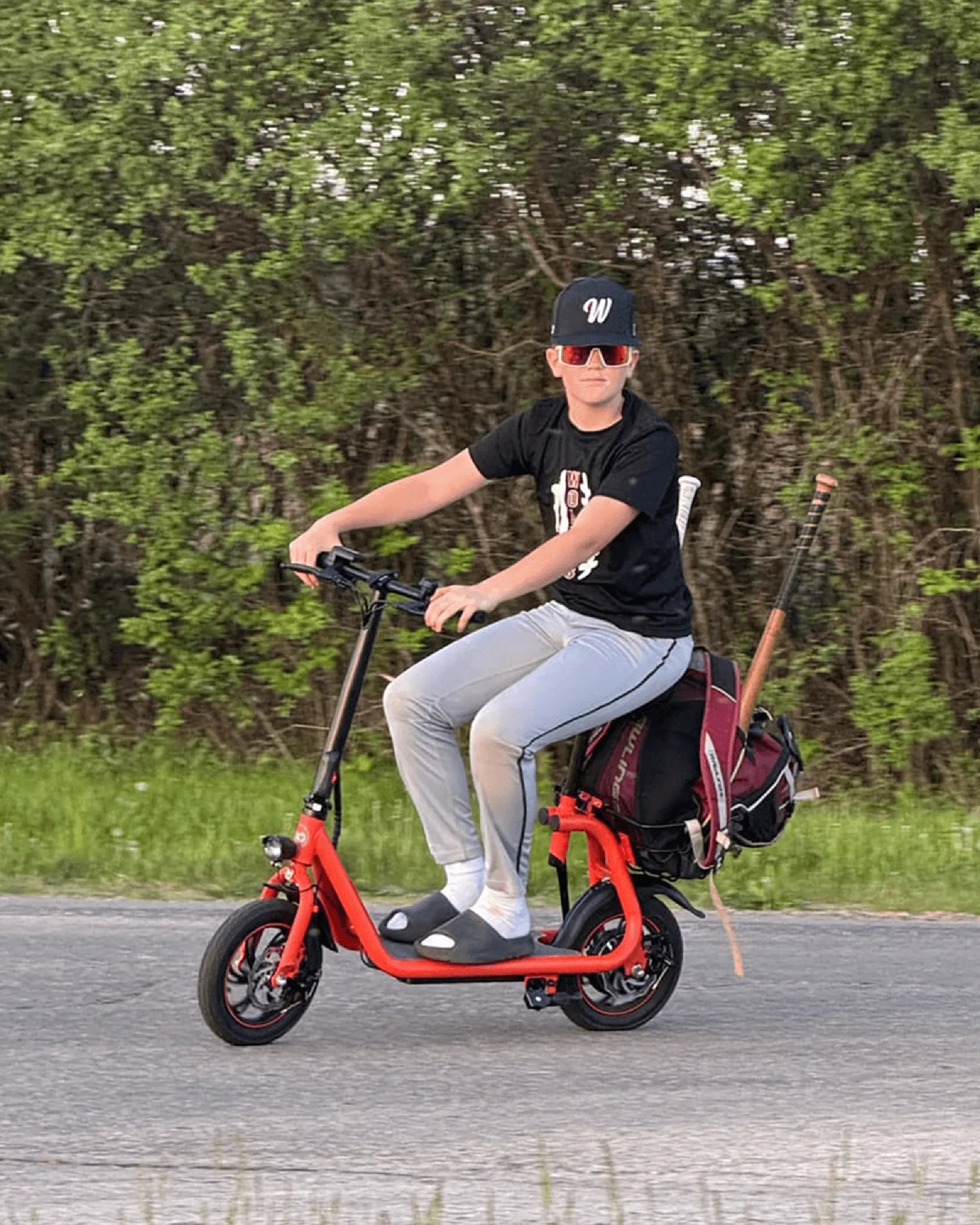
Introduction: Defining the "Best" Dirt Bike
Searching for the best dirt bike ever is a quest with no single answer. The perfect machine is a deeply personal equation, balancing a rider's skill, terrain, and ambition. A bike that dominates a professional supercross track would be a nightmare on tight, technical singletrack. This guide cuts through subjective hype to provide a framework for your decision. We will dissect the engineering and use-case data that separates a good bike from a legendary one, helping you identify the model that will become your personal best dirt bike ever.
Our analysis moves beyond brand loyalty to focus on measurable performance characteristics. We'll examine how engine design dictates power delivery, why suspension quality often outweighs peak horsepower, and how chassis geometry influences confidence. Whether you're a novice seeking a forgiving trail partner or a seasoned racer chasing hundredths of a second, the methodology here applies. The goal is to equip you with the knowledge to evaluate any motorcycle against your specific criteria for the title of best dirt bike ever.
Key Factors That Make a Dirt Bike "The Best"
Determining the best dirt bike ever requires evaluating a synergy of components, not just one standout feature. The ultimate machine achieves a precise balance between power, weight, suspension, and ergonomics. A bike with a massive engine but poor suspension will be uncontrollable, while a featherweight frame with a weak motor will lack the torque for challenging climbs. This holistic view is critical for matching a motorcycle to its intended purpose and the rider's physiology.
Reliability and maintenance intervals are equally vital factors in the "best" conversation. A bike that spends more time in the garage than on the trail cannot claim superiority, regardless of its spec sheet. Modern dirt bikes from leading manufacturers have reached incredible levels of sophistication, but complexity can impact long-term upkeep costs. The best dirt bike ever for you will be one that delivers consistent performance without demanding excessive mechanical attention or budget.
The Engine Debate: 2-Stroke vs. 4-Stroke Power
The choice between a two-stroke and a four-stroke engine defines the character of your ride. Two-strokes, like the KTM 300 XC-W, are celebrated for their explosive power-to-weight ratio and simple mechanical design. They produce power with a sharp, immediate "hit" that is ideal for aggressive riding, quick acceleration out of corners, and navigating steep, technical terrain where instant throttle response is key. Their simplicity often means easier top-end rebuilds, a factor for riders who perform their own maintenance.
Four-stroke engines, such as those in the Yamaha YZ450F, offer a broader, more tractable powerband. They deliver massive torque at lower RPMs, providing superior traction and a smoother, more predictable delivery that many riders find easier to manage, especially on loose surfaces. However, they are typically heavier and their valve trains and bottom ends are more complex and expensive to rebuild. For many modern motocross and enduro riders, the four-stroke's controllable power has become the standard for the best dirt bike ever in competitive environments.
Suspension & Chassis: The Foundation of Control
While engines capture headlines, professional riders and testers consistently rank suspension as the most critical component of a high-performance dirt bike. Quality suspension absorbs impacts, maintains tire contact with the ground, and allows the rider to maintain speed and control over brutal terrain. Adjustable forks and shocks from brands like KYB, Showa, and WP allow for fine-tuning of compression and rebound damping to match rider weight, speed, and track conditions.
The chassis, or frame, works in concert with the suspension. Its rigidity, weight distribution, and geometry determine how the bike corners, flicks, and feels at speed. A stiff chassis provides precise handling at high speeds but can feel harsh on trails. A more flexible chassis can improve traction and comfort in rough conditions. The best dirt bike ever for you will have a suspension and chassis package that feels like an extension of your body, inspiring confidence to push limits safely.
The Contenders: Top Bikes by Riding Category
To move from theory to reality, we must examine specific models that excel in defined disciplines. The concept of the best dirt bike ever is meaningless without context. A bike engineered for motocross aerodynamics will fail in a hard enduro, and vice-versa. By categorizing bikes by their primary design intent, we can identify the champions of each domain. These models set the benchmark against which others are measured, thanks to their focused engineering and proven results.
Each category prioritizes different aspects of the performance matrix. Motocross bikes chase minimum weight and maximum horsepower. Enduro bikes balance power with durability and off-road features. Trail bikes prioritize low-speed control and reliability. The following sections highlight machines that have earned legendary status within their realms, providing concrete examples of what "best-in-class" looks like for different riders.
For the Motocross Track: Precision & Air Time
On the manicured dirt of a motocross track, the best dirt bike ever is a purebred racer. It demands explosive acceleration for launching out of starting gates and clearing massive jumps, razor-sharp handling for carving berms, and robust suspension for landing from heights. Bikes like the KTM 450 SX-F and the Kawasaki KX450 exemplify this class. They feature cutting-edge, fuel-injected four-stroke engines with launch control and multiple engine mapping options, allowing riders to tailor power delivery to track conditions.
The chassis and suspension on these machines are tuned for aggression and precision. They often use air forks and linked suspension systems that provide a plush initial stroke for small bumps and progressive stiffness for big hits. The riding position is forward and aggressive, putting weight over the front wheel for cornering. For a rider whose goal is to win motos, the relentless development in this category produces what many consider the best dirt bike ever for pure competition.
For Trail & Enduro Riding: Versatility & Endurance
When the terrain is unpredictable and the rides are long, the best dirt bike ever becomes a master of versatility. Enduro and trail bikes, such as the Beta 300 RR and the Sherco 300 SEF, are built for endurance. They feature plush, long-travel suspension that soaks up roots and rocks, wide-ratio transmissions for both slow crawling and fast fire roads, and off-road essentials like kickstands, larger fuel tanks, and spark arrestors.
Engine character is crucial here. Many hard enduro riders still prefer the lightweight and snappy power of a two-stroke, like the 300cc class bikes, which can be lugged at low RPMs or screamed when needed. Four-stroke enduro bikes offer smoother power and engine braking. Electric start is now a non-negotiable feature for this grueling discipline. The best dirt bike ever for the woods is one that reduces fatigue, tackles any obstacle, and gets you back to the truck after a 60-mile loop without issue.
For Beginners & Trail Fundamentals: Manageable Power
For new riders or those seeking relaxed trail exploration, the best dirt bike ever is defined by forgiveness and reliability. Models like the Honda CRF250F and Yamaha TT-R230 are purpose-built for this role. They utilize air-cooled, four-stroke engines with mild, linear power delivery that builds confidence instead of fear. Their lower seat heights make stopping and starting less daunting, and their suspension is tuned for comfort over performance aggression.
These bikes often forgo the latest high-performance components in favor of proven, low-maintenance designs. They have simple carburetors, basic suspension without extensive adjustability, and steel frames. This simplicity translates to legendary durability and lower ownership costs. For a rider focused on developing fundamental skills and enjoying the outdoors without mechanical drama, these accessible models can absolutely be their personal best dirt bike ever.
Data-Driven Comparison: Specs That Matter
To visualize the differences between categories, a direct comparison of key specifications is invaluable. The table below contrasts three archetypal models: a 450cc motocross weapon, a 300cc two-stroke enduro specialist, and a 250cc four-stroke trail bike. Metrics like weight and seat height have a direct, tangible impact on rideability, while suspension travel indicates capability over rough ground.
| Model (Category) | Approx. Weight (wet) | Seat Height | Suspension Travel (F/R) | Key Feature Focus |
|---|---|---|---|---|
| Yamaha YZ450F (Motocross) | 245 lbs | 38.2 in | 12.0 in / 12.1 in | Peak HP, Aggressive Geometry |
| KTM 300 XC-W (Enduro) | 234 lbs | 37.8 in | 11.8 in / 13.0 in | Wide-Ratio Transmission, Plush Suspension |
| Honda CRF250F (Trail) | 262 lbs | 34.4 in | 9.8 in / 9.5 in | Low Seat Height, Ultra-Reliable Engine |
This data clearly illustrates the trade-offs. The motocross bike is a focused tool with high seat height for ground clearance. The enduro bike is remarkably light for its capability, with generous rear suspension. The trail bike is heavier due to its steel frame but offers a much more accessible seat height, a critical factor for new riders. Analyzing specs this way moves the search for the best dirt bike ever from subjective opinion to objective matching.
Beyond the Bike: Essential Gear & Upkeep
Even the best dirt bike ever is incomplete without the proper rider equipment and a commitment to maintenance. Safety gear is non-negotiable. A DOT/SNELL or ECE-certified full-face helmet, motocross-specific boots (which prevent ankle rotation), goggles, gloves, and chest/back protection form the minimum kit. This gear transforms a potential hospital visit into a minor incident, protecting your investment in the sport and your body.
Routine maintenance is what separates a temporary thrill from a long-term partnership with your machine. A consistent maintenance regimen includes cleaning the air filter after every dusty ride, changing engine oil and filter at manufacturer intervals, keeping the chain properly tensioned and lubricated, and checking spoke tension and wheel bearings. Neglect leads to premature wear, poor performance, and catastrophic failure. The true best dirt bike ever is one that is both well-chosen and well-cared-for.
Frequently Asked Questions (FAQ)
What size dirt bike is best for a 5'10" adult beginner?
For a 5'10" beginner, a full-size trail bike with a seat height between 36-38 inches is ideal. Models like the Kawasaki KLX230R or Honda CRF250F offer manageable power and a seat height that allows you to touch the ground comfortably, building confidence. Avoid full-size motocross bikes initially, as their tall seat height and aggressive power can be intimidating.
Is a used dirt bike a good option for a first bike?
Yes, a used bike can be an excellent, cost-effective first purchase. It allows you to enter the sport with a lower financial commitment while you learn your preferences. Prioritize bikes from reputable brands with a known service history. Thoroughly inspect the frame for cracks, check for smooth engine operation with no strange noises, and ensure the suspension cycles properly without leaking oil.
How much should I budget for annual maintenance?
For a recreational rider, budget at least $500-$1000 annually for basics like oil, filters, tires, tubes, brake pads, and minor wear items. This excludes major repairs or unexpected failures. Racing or intensive riding can double or triple this cost. Performing basic maintenance yourself is the single biggest way to reduce ongoing expenses and understand your machine.
Can a motocross bike be used effectively on trails?
It can be used, but not effectively or enjoyably without modifications. Motocross bikes have close-ratio transmissions (poor for slow trails and fast roads), stiff suspension (harsh on rocks/roots), no lighting or spark arrestor (often illegal in forests), and engines tuned for peak power, not tractable low-end torque. Significant modifications are needed to make them trail-friendly.
What is the most reliable dirt bike brand?
While all major brands produce reliable machines, Honda and Yamaha have built decades-long reputations for exceptional durability and lower maintenance demands, particularly in their trail-oriented models. Their conservative engineering and widespread dealer networks make them a top choice for riders who prioritize reliability above all else in their search for the best dirt bike ever.
Conclusion: Your Perfect Match Awaits
The journey to find the best dirt bike ever ends not with a universal answer, but with a perfectly matched tool for your individual riding life. By understanding the critical roles of engine type, suspension philosophy, and intended use, you can filter the overwhelming array of choices. The data-driven categories and comparisons provided here offer a clear roadmap. Whether your paradise is a supercross track, a mountain single-track, or a forest service road, there is a machine engineered to excel there.
Your next step is to move from research to experience. Visit dealerships, sit on bikes, and feel their ergonomics. If possible, seek demo days or friends with bikes you can try. The sensation of balance, the reach to the controls, and the seat height are personal metrics no article can fully convey. Once you've made your choice, commit to the gear and maintenance that will keep you and your bike performing safely for years. The perfect ride, your personal best dirt bike ever, is out there waiting to be discovered.
Ready for a different kind of ride? Explore the world of electric mobility. While the search for the best dirt bike ever focuses on internal combustion, Gyroor offers a thrilling and accessible alternative for urban and recreational riding. As a leading electric scooter and e-bike brand trusted by over 100,000 riders across North America and Europe, Gyroor combines performance with practicality. Our models feature UL-certified batteries tested for 500+ charge cycles, IPX5 water-resistant designs, and a reliable 1-year warranty—engineering principles any powersports enthusiast can appreciate. For a zero-emission, low-maintenance commute or trail adventure, browse the full Gyroor collection at gyroorboard.com.
4x4 Dirt Bike: The Ultimate Guide to All-Wheel-Drive Off-Road Motorcycles
Electric Motorcycle vs E-Bike: The Complete 2024 Comparison Guide