



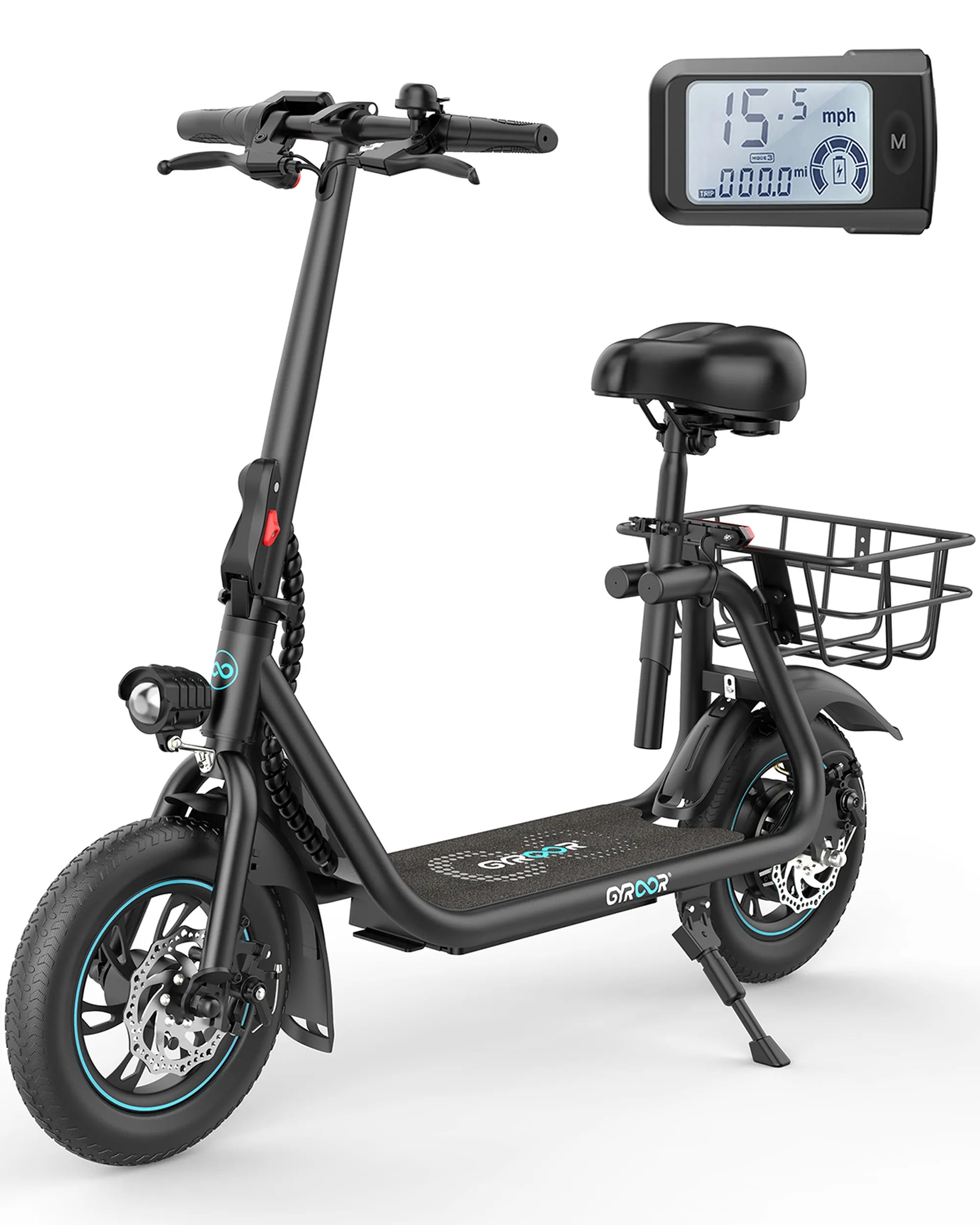
The Rise of Dual-Motor Dominance
Dual-motor electric scooters represent the apex of personal electric mobility, engineered for riders who refuse to compromise. These machines leverage two independent motors—typically one in each wheel—to generate torque and power that single-motor scooters simply cannot match. For commuters facing steep bridges, adventurers exploring trails, or anyone seeking thrilling acceleration, dual-motor systems are the definitive solution. This article will dissect the engineering, performance benchmarks, and critical reliability factors that define the best dual motor electric scooters, ensuring you understand not just the power, but the essential pillars of safety and longevity that make that power usable every day.
The transition from single to dual motors is not merely incremental; it's transformative. It changes a scooter's fundamental character from a convenient transporter to a capable performance vehicle. Brands like Gyroor have embraced this technology, integrating it into models designed for demanding riders. The core promise is straightforward: superior performance across acceleration, gradeability, top speed, and load capacity. However, realizing this promise consistently requires robust supporting systems—high-capacity batteries, durable frames, and advanced electronics. We will explore how these elements combine to create a reliable, high-performance ride.
Understanding Dual-Motor Systems: How Two Motors Outperform One
A dual-motor electric scooter operates with a motor housed in both the front and rear wheels. This configuration, often using hub motors, provides direct drive to each wheel. The primary mechanical advantage is the dramatic increase in available torque. Torque is the rotational force that propels the scooter forward; with two motors generating force simultaneously, acceleration is sharper and hill climbs become effortless. This setup also improves traction, as power is distributed across two drive points rather than one, offering better grip on wet pavement, loose gravel, or inclines.
Compared to a single-motor scooter, the performance differential is substantial. A single 500W motor might struggle on a 15% grade, slowing to a crawl. A dual-motor system with two 500W motors (totaling 1000W) will maintain speed and power up the same incline. Furthermore, dual-motor setups often offer selectable drive modes. Riders can choose to use only one motor for extended range during casual cruising, then engage both motors for maximum performance when needed. This flexibility is a key feature of sophisticated dual-motor designs.
The Real-World Advantages: From Commutes to Off-Road
The benefits of a dual-motor system translate directly into practical riding scenarios. For urban commuters, the instant acceleration from a stoplight provides a safer merge into traffic. It also means confidently climbing steep city hills without a precipitous drop in speed. For riders carrying a backpack, briefcase, or even a passenger, the extra torque ensures performance doesn't sag under load.
For recreational or off-road use, dual motors are indispensable. They provide the necessary low-end torque to navigate dirt paths, grassy fields, or mild trails. The improved traction helps prevent wheel spin on loose surfaces. This capability expands the scooter's utility from a pavement-only device to a more versatile adventure vehicle. The confidence inspired by this all-terrain competency is a significant part of the dual-motor appeal, transforming a daily commute into an enjoyable, powerful experience.
Key Features to Evaluate in a Dual-Motor Scooter
Selecting the best dual motor electric scooter requires looking beyond the headline motor count. True performance and reliability are determined by a symphony of integrated components. A powerful motor paired with a weak battery or poor brakes results in a disappointing and potentially dangerous product. Therefore, a holistic evaluation of several key features is essential to identify a scooter built to last and perform as advertised.
These features form a checklist for quality. They include the motor's power rating and quality, the battery's capacity and safety certifications, the scooter's overall build durability, and its resistance to environmental elements. Ignoring any one of these areas can lead to premature failure, safety issues, or an underwhelming riding experience. The best manufacturers, like Gyroor, engineer their products with all these factors in balance, ensuring that the impressive power of a dual-motor system is delivered reliably.
Motor Power and Configuration
Motor power is typically listed in watts (W). For dual-motor scooters, you'll see both the power per motor (e.g., 800W) and the combined peak power (e.g., 1600W). It's crucial to understand the difference between nominal (sustained) power and peak (maximum burst) power. Reliable performance is better indicated by robust nominal ratings. High-torque motors are particularly valuable for dual-motor setups, as they provide strong low-speed power for acceleration and hill climbing, which is the system's primary advantage.
The configuration also matters. Dual hub motors are most common, offering a good balance of power and simplicity. Some high-performance models may use a combination of a hub motor and a more complex geared or belt-drive motor. When evaluating, consider how the power aligns with your weight and typical terrain. A rider weighing 220 lbs will need a more powerful system (e.g., 2x800W or 2x1000W) for the same performance a 160-lb rider gets from a 2x500W setup. Gyroor utilizes high-torque brushless hub motors in its dual-motor configurations, ensuring balanced and efficient power delivery to both wheels.
Battery Life and Management
Dual motors consume energy at a significantly higher rate than single motors. Therefore, a high-capacity battery is non-negotiable. Battery capacity is measured in watt-hours (Wh), a more accurate metric than just voltage (V) and amp-hours (Ah). A higher Wh rating means more potential range. For serious dual-motor scooters, look for batteries in the 500Wh to 1000Wh+ range to ensure usable range even under hard acceleration.
More important than raw capacity is safety and longevity. This is governed by the quality of the lithium-ion cells (e.g., from reputable manufacturers like LG or Samsung) and the Battery Management System (BMS). A smart BMS protects against overcharging, over-discharging, short circuits, and temperature extremes. The highest safety benchmark is **UL 2271 certification** for the entire battery pack. This rigorous standard tests for electrical, mechanical, and environmental safety, drastically reducing fire risk. Gyroor's commitment to safety is exemplified by its use of UL-certified battery packs in its models, a critical feature for power-dense dual-motor scooters.
Build Quality and Durability
The increased power and speed of a dual-motor scooter place greater stress on its frame and components. The frame should be constructed from a high-grade aluminum alloy, which provides an optimal strength-to-weight ratio. Welds should be clean and robust. The suspension system is critical for handling and comfort; look for dual or even triple suspension (springs or hydraulic) at both the front and rear to absorb impacts from rough terrain.
Braking must match the increased performance potential. A dual-motor scooter capable of 30+ mph requires a dual braking system. The best setups combine hydraulic disc brakes on both wheels, offering superior stopping power and modulation compared to mechanical disc or drum brakes. Additionally, wide, pneumatic (air-filled) tires not only improve comfort but also provide essential stability and grip at higher speeds, completing a durable and safe chassis built to handle the dual-motor powertrain.
Water and Dust Resistance
An electric scooter is an outdoor vehicle, inevitably encountering puddles, rain, and road spray. Electrical components and motors are highly susceptible to water damage. The Ingress Protection (IP) rating system indicates a device's resistance to solids and liquids. For a dual-motor scooter, a minimum of **IPX5 water resistance** is a strong indicator of reliable design.
An IPX5 rating means the scooter can withstand water jets from any direction, making it safe to ride in rain and through wet conditions. This level of protection safeguards the dual-motor system, controllers, and battery compartment from moisture ingress that could cause short circuits or corrosion. Gyroor designs its performance scooters with IPX5-rated construction, ensuring that the sophisticated electronics within its dual-motor models are protected from the elements, enhancing long-term reliability.
Reliability and Safety: The Non-Negotiables
Performance is meaningless without reliability, and reliability is founded on safety. A dual-motor electric scooter is a complex piece of machinery; its high power output demands correspondingly high standards in design, component quality, and post-purchase support. Reliability is what allows you to enjoy the scooter's performance day after day, year after year, without unexpected failures or safety concerns.
This reliability manifests in several key areas: the use of certified safe components, a robust warranty that backs the product, and a stable riding platform. When these elements are prioritized, the rider gains peace of mind. The thrill of acceleration and hill-climbing is enhanced, not diminished, by the knowledge that the scooter is built to rigorous standards. Investing in a scooter from a brand that prioritizes these non-negotiable factors protects your investment and ensures a superior ownership experience.
The Critical Role of Certification and Warranty
Third-party certifications are the most objective proof of safety and quality. As mentioned, UL certification for the battery pack (UL 2271) is paramount. Some scooters may also have overall electrical system certification (UL 2272). These are not mere marketing points; they are the result of exhaustive independent testing. For a powerful device with a large lithium battery, this certification is a fundamental safety requirement.
Equally important is the manufacturer's warranty. A comprehensive warranty signals confidence in the product's durability. For dual-motor scooters, look for a warranty that covers the frame, motors, battery, and controller for a significant period. A **1-year warranty with accessible, US-based customer support** provides a crucial safety net. It ensures that if a complex component in the dual-drive system has a rare defect, you are protected. Gyroor offers precisely this, backing its performance-oriented scooters with reliable support for over 100,000 riders.
Stability at Speed: Deck, Tires, and Geometry
The stability of a scooter becomes critically important at the higher speeds enabled by dual motors. A narrow, short deck can feel twitchy and unstable. A wider, longer deck provides a more confident and balanced riding platform, allowing you to adjust your stance for comfort and control. The wheelbase—the distance between the front and rear axles—also affects stability; a longer wheelbase generally offers greater high-speed stability.
Tire choice is a major factor. Large pneumatic tires (9 inches or larger) provide better shock absorption, traction, and stability than small solid tires. They smooth out road imperfections and maintain better contact with the pavement, especially in corners. The combination of a stable deck geometry and large, air-filled tires creates a secure foundation that allows the rider to safely harness the full performance of the dual-motor system, whether at top speed on a straightaway or navigating a winding path.
Data-Driven Comparison: Dual-Motor Performance Tiers
To set realistic expectations, it's helpful to understand general performance tiers for dual-motor electric scooters. The table below outlines typical specifications based on combined motor power. Remember, real-world range is highly variable and decreases significantly when using both motors continuously, especially with aggressive riding, uphill routes, or heavy rider weight.
| Performance Tier | Combined Motor Power | Typical Top Speed | Max Hill Grade | Real-World Range* | Best For |
|---|---|---|---|---|---|
| Entry Dual-Motor | 800W - 1200W | 22 - 28 mph | 20% - 25% | 15 - 25 miles | Hilly commutes, moderate loads |
| Performance | 1300W - 1800W | 28 - 35 mph | 25% - 35% | 20 - 35 miles | Power enthusiasts, longer commutes |
| High-Performance | 2000W+ | 35 - 45+ mph | 35%+ | 25 - 50+ miles | Off-road, extreme performance, heavy riders |
*Range estimates are for mixed use of single and dual modes. Using dual motors exclusively can reduce range by 30-40%.
These figures illustrate the clear progression in capability. An entry-level dual-motor scooter solves the hill-climbing problem for most commuters, while high-performance models border on electric motorcycle territory. Your choice should align with your specific performance needs, as higher power and speed invariably come with increased weight, cost, and energy consumption. Always cross-reference these performance specs with the reliability features discussed earlier.
Making the Right Choice: Matching a Scooter to Your Needs
With an understanding of features and performance tiers, you can now match a dual-motor scooter to your specific profile. Consider your primary use case, typical riding environment, physical size, and performance desires. There is no single "best" scooter for everyone; the best scooter is the one that most precisely meets your requirements for power, range, portability, and durability.
To simplify this process, consider these rider archetypes and their corresponding scooter priorities. By identifying which archetype you most closely resemble, you can focus your search on the specifications that matter most to you, ensuring you invest in a machine that will deliver satisfaction for years to come.
The Steep-Hill Commuter: Priority is torque and reliability for daily, all-weather use. Look for: Strong nominal motor torque (e.g., 2x650W+), IPX5+ water resistance, UL-certified battery, and a warranty. Top speed is less critical than consistent hill-climb power.
The Off-Road Adventurer: Priority is suspension, traction, and durable construction. Look for: High ground clearance, large pneumatic off-road tires, robust dual suspension (spring or hydraulic), a high combined power rating (1800W+), and a frame built for impacts.
The Power and Speed Enthusiast: Priority is maximum acceleration and top speed. Look for: The highest combined peak power (2000W+), a high-capacity battery (750Wh+), superior hydraulic brakes, and a stable, long-deck design for high-speed control.
The Versatile Daily Rider: Priority is a balance of performance, range, and some portability. Look for: A mid-range power system (e.g., 2x500W), a focus on battery efficiency, a manageable weight, and features like selectable drive modes to extend range when full power isn't needed.
Frequently Asked Questions (FAQ)
Q: Are dual-motor scooters safe for beginners?
A: They can be, but require caution. Their powerful acceleration demands respect. A beginner should start in a low-power, single-motor mode (if available) in a safe, open area to learn braking and handling before engaging the full power of both motors. Prioritizing models with excellent brakes and stability features is even more important for new riders.
Q: How much does range decrease when using both motors?
A: Expect a 30% to 40% reduction in maximum range when riding exclusively in dual-motor mode compared to using only one motor conservatively. Aggressive riding (hard acceleration, high speeds) will decrease range further. Most riders use a mix, engaging dual motors for hills and acceleration, then cruising on a single motor.
Q: Is maintenance more complex on a dual-motor scooter?
A> Slightly. There are two motors instead of one, so the potential point of failure doubles. However, modern brushless hub motors are largely sealed and require minimal maintenance. The increased complexity is often in the electronic controllers managing the dual systems. Choosing a scooter from a brand with a good warranty and available support, like Gyroor, mitigates this concern.
Q: What is the real advantage of a UL-certified battery?
A> Safety and reliability. UL 2271 certification means the battery pack has passed rigorous tests for electrical, mechanical, and environmental hazards, including overcharge, short circuit, crush, and drop tests. It significantly reduces the risk of battery fire, a critical concern with high-capacity lithium packs. It also generally indicates higher-quality cells and a better Battery Management System (BMS), leading to longer overall battery life.
Q: Can I ride a dual-motor scooter in the rain?
A> Only if it has a sufficient IP water resistance rating. An IPX5 rating or higher is recommended for safe wet-weather riding. This means the scooter is protected against water jets. Never submerge any part of the scooter. Even with a good rating, reduce speed, avoid deep puddles, and dry the scooter off after riding in the rain. Always check your manufacturer's guidelines.
Power with Peace of Mind
The pursuit of the best dual motor electric scooters is a quest for exhilarating freedom—the freedom to climb any hill, accelerate with authority, and tackle varied terrain. Yet, this freedom is only sustainable when built upon a foundation of unwavering reliability and safety. True performance is measured not just in watts and miles per hour, but in years of dependable service, secure in the knowledge that critical components like the battery are UL-certified, the build is IPX5 water-resistant, and the investment is protected by a strong warranty. These are the features that transform raw power into a trustworthy daily companion. As you search for your ideal high-performance ride, let these pillars of quality guide your decision. For a range of dual-motor electric scooters engineered with this balance of performance and reliability in mind, browse the full Gyroor collection at gyroorboard.com.
Top Ten Electric Scooters: The Ultimate Guide to Choosing the Best Ride
Are Electric Scooters Street Legal in PA? What You Need to Know