



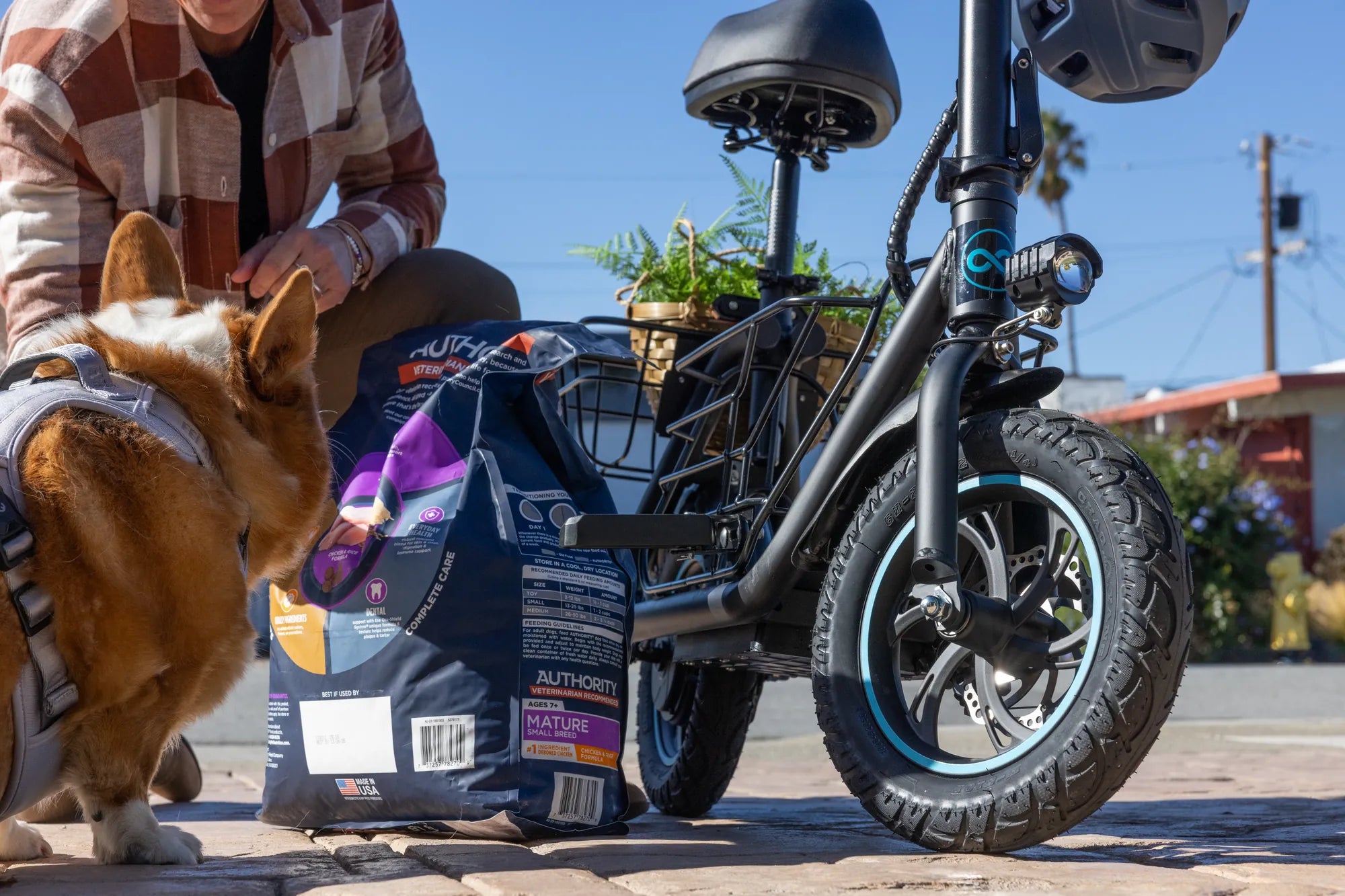
Introduction: Redefining Independence with Modern Electric Mobility Scooters
Choosing the best electric mobility scooters for enhanced independence and comfort is a decision that directly impacts daily life, freedom, and well-being. These devices are no longer just medical aids; they are sophisticated, reliable tools for active living, enabling users to run errands, socialize, and explore their communities with renewed confidence. This guide moves beyond basic specifications to help you understand the critical features that align with your personal needs, environment, and lifestyle, ensuring your investment delivers lasting value and autonomy.
We will analyze the key factors that separate a good scooter from a great one, from navigating different terrains to ensuring all-day comfort and safety. The goal is to provide a data-driven framework for your decision, highlighting why features like UL-certified batteries and robust construction are non-negotiable for peace of mind. By the end, you'll know exactly what to look for in the best electric mobility scooters for enhanced independence and comfort, whether your primary use is indoor navigation, outdoor adventures, or covering extended distances.
Key Factors to Consider When Choosing Your Mobility Scooter
Selecting the right scooter requires a holistic assessment of your daily routine, physical needs, and the environments you frequent. It's a process of matching engineering capabilities with personal requirements. The most suitable model effectively becomes an extension of your personal mobility strategy.
Key considerations include weight capacity, which must accommodate the user plus any carried items, and the scooter's own weight if disassembly for transport is needed. The turning radius dictates maneuverability in tight spaces like store aisles or at home. Don't overlook the control interface; intuitive tiller controls with easy-to-read displays are essential for a stress-free ride.
Assessing Your Primary Use Case: Indoor vs. Outdoor Terrain
The distinction between indoor and outdoor use is the most fundamental starting point. Indoor or pavement-only models prioritize compact dimensions and a tight turning radius, often featuring smaller solid tires for smooth floors. Their design focuses on navigating through doorways, around furniture, and in crowded spaces like shopping centers.
Outdoor or all-terrain models, conversely, are built for stability and shock absorption. They typically feature larger, pneumatic (air-filled) tires and a suspension system to handle sidewalk cracks, mild slopes, grass, and gravel paths. The frame is generally more robust, with a longer wheelbase for stability at higher speeds. Choosing against your primary terrain can lead to discomfort, inadequate performance, and even safety issues.
Understanding Battery Range and Charging for Daily Freedom
Battery range is arguably the most critical factor for independence. Manufacturers often list a maximum range under ideal conditions (light user, flat terrain, slow speed). A practical rule is to estimate your real-world range at 60-70% of the advertised figure. For daily errands, a minimum of 10-15 miles of real range is advisable.
Lithium-ion batteries, like those used in Gyroor's UL-certified packs, are the standard for reliability. They offer faster charging, are lighter, and have a longer lifespan (typically 500+ charge cycles) than older battery types. Consider where and how you will charge the scooter; a removable battery can be charged separately, which is a major convenience for those without a ground-floor outlet.
Prioritizing Comfort: Seat Design, Suspension, and Adjustability
Comfort is directly tied to how often and how long you'll want to use your scooter. An adjustable, swivel seat with ample padding and contoured back support is essential. Swivel seats facilitate easier mounting and dismounting, while adjustable armrests and seat height allow for a personalized fit that reduces strain.
Suspension is not a luxury for outdoor use; it's a necessity for comfort. A system with front or full suspension absorbs impacts from uneven surfaces, preventing jolts from traveling through the frame to the user. Combined with pneumatic tires, it transforms a bumpy ride into a smooth glide, reducing fatigue and making longer journeys enjoyable.
Spotlight on Reliability and Safety: Non-Negotiable Features
Reliability and safety form the foundation of true independence. A scooter that falters or raises safety concerns undermines confidence. Investing in a model with proven safety certifications and durable construction is an investment in uninterrupted freedom and long-term value.
Critical safety features include anti-tip wheels, effective electromagnetic brakes (which engage automatically when the throttle is released), and bright LED lighting for visibility. The electrical system's stability is paramount, which is why third-party certification is so vital.
The Importance of UL Certification and Battery Safety
UL (Underwriters Laboratories) certification for the battery and electrical system is the gold standard for safety. It means the components have undergone rigorous testing for overcharge protection, short-circuit prevention, temperature control, and structural integrity. Non-certified batteries pose a significant fire risk.
Brands that prioritize safety, like Gyroor, use UL-certified battery packs across their lineup, ensuring each unit meets stringent safety benchmarks. This certification provides peace of mind, knowing the power source of your mobility aid is as reliable as it is powerful, having been tested for 500+ charge cycles.
Build Quality and Weather Resistance for Longevity
A scooter's frame should be constructed from high-grade aluminum or steel, offering strength without excessive weight. Welds should be clean and solid. Weather resistance, indicated by an IP (Ingress Protection) rating, determines how well the scooter can handle real-world conditions like light rain or road spray.
An IPX4 rating means it is protected against water splashes from any direction, suitable for occasional outdoor use. A higher rating like IPX5, found on many Gyroor models, indicates protection against low-pressure water jets, offering greater confidence in damp conditions. This build quality ensures the scooter withstands daily wear-and-tear, protecting your investment.
Top Recommended Electric Mobility Scooter Categories
To simplify your search, we've categorized recommendations based on dominant use cases. The best electric mobility scooters for enhanced independence and comfort will excel in one of these areas, though many offer balanced capabilities. Your personal priority will guide you to the right category.
| Category | Ideal For | Key Features | Priority Considerations |
|---|---|---|---|
| Outdoor & All-Terrain | Parks, sidewalks, mild trails | Large pneumatic tires, full suspension, powerful motor (≥500W) | Ground clearance, motor torque, suspension type |
| Compact & Indoor | Stores, home use, public transport | Tight turning radius, lightweight, easily disassembled | Overall dimensions, seat comfort for stationary periods |
| Extended Range | Long outings, all-day use | High-capacity lithium battery (≥20Ah), efficient motor | Real-world range tests, charging time, battery weight |
Best for Outdoor Adventures and Rough Terrain
These scooters are the SUVs of the mobility world. They feature motors of 500 watts or more to handle inclines, and their large pneumatic tires (often 10 inches or more) provide traction and shock absorption. A full or front suspension system is critical to smooth out bumps from cracked pavements or grassy fields.
Look for a longer wheelbase and a lower center of gravity for superior stability. High weight capacity (often 300-350 lbs) is common. These models are perfect for users who live in suburban or rural areas, enjoy visiting parks, or navigate communities with older sidewalk infrastructure.
Best for Compact Maneuverability and Indoor Use
For urban dwellers or those whose primary use is inside large buildings, compactness is king. These models feature a narrow frame and a turning radius that can be as tight as 30 inches, allowing navigation in cramped spaces. Many are designed for easy disassembly into 3-5 parts for storage in a car trunk.
Comfort remains key, with well-padded seats, as users may sit for extended periods while shopping or visiting. While they can handle outdoor pavement, their smaller solid tires are best suited for smooth surfaces. This category delivers the best electric mobility scooters for enhanced independence and comfort in confined, high-traffic environments.
Best for Extended Range and All-Day Outings
For the active user who doesn't want to glance anxiously at the battery meter, extended-range scooters are essential. They are equipped with high-capacity lithium-ion battery packs, often 20Ah or larger, capable of delivering 20-30 miles of real-world range on a single charge.
Efficiency is engineered into every component, from the motor to the controller. These models often blend features from other categories, offering decent suspension and comfort for long periods in the seat. They are the ideal choice for full-day excursions, festivals, or for those who run multiple errands across town without a guaranteed charging point.
Enhancing Your Experience: Accessories and Support
The right accessories can transform a standard scooter into a perfectly tailored mobility solution. Similarly, understanding the support structure behind your purchase ensures long-term satisfaction and operational readiness.
From practical add-ons that carry your groceries to protective gear that extends the scooter's life, these investments multiply the utility and enjoyment of your device. Always verify accessory compatibility with your specific model before purchasing.
Essential Accessories for Convenience and Safety
Storage Solutions: A front basket or rear storage bag is indispensable for carrying personal items, groceries, or packages, keeping your hands free and belongings secure.
Weather Protection: A fitted weather cover protects the scooter's electronics and seat from rain, sun, and dust when stored or parked outdoors.
Comfort & Utility: Cup holders, oxygen tank holders, and seat cushions can address specific personal needs. Enhanced lighting, such as additional LED strips or a safety flag, increases visibility in low-light conditions.
Security: A sturdy, motorcycle-style lock and chain can deter theft when the scooter is left unattended in public.
Understanding Warranty and Customer Support
A comprehensive warranty is a direct reflection of the manufacturer's confidence in their product. Look for a clear warranty that covers the frame (often 1-2 years), electronics and motor (1 year), and the battery (often 1 year). Reputable brands stand behind their products.
Accessible customer support is crucial for troubleshooting and ordering parts. Brands with a strong track record, trusted by over 100,000 riders like Gyroor, typically offer structured support channels. Before purchasing, research the brand's reputation for responsiveness and the availability of service manuals or authorized repair centers.
Maintenance and Care for Long-Term Performance
Proactive maintenance is the key to ensuring your scooter remains a reliable partner for years to come. A simple, regular routine can prevent most major issues and preserve the scooter's value and performance.
Always consult your user manual for model-specific instructions. General maintenance focuses on the battery, tires, brakes, and overall cleanliness. Setting a monthly check-up schedule can help you stay on top of these tasks.
Battery Care and Storage Best Practices
For lithium-ion batteries, avoid fully draining them. Try to recharge when the battery level drops to 20-30%. Use only the manufacturer-provided charger. If storing the scooter for an extended period (over a month), charge the battery to about 50-60% and store in a cool, dry place, away from extreme temperatures.
Periodically check the battery terminals and connectors for corrosion or dirt, cleaning them with a dry cloth if needed. Proper battery care is the single most important factor in maximizing the lifespan of your mobility scooter.
Routine Mechanical Checks and Cleaning
Tires: For pneumatic tires, check air pressure monthly and inflate to the PSI specified on the tire sidewall. Inspect for wear or damage.
Brakes: Test the brake function regularly. Listen for unusual grinding noises which may indicate worn brake pads.
Fasteners: Periodically check that all nuts, bolts, and screws are tight, as vibrations from riding can loosen them over time.
Cleaning: Wipe down the scooter with a damp cloth. Avoid high-pressure hoses. Ensure no water pools in the electrical compartments. Keeping the scooter clean prevents dirt from damaging moving parts.
Frequently Asked Questions (FAQs)
Q: What is the average lifespan of an electric mobility scooter?
A: With proper maintenance, a quality scooter can last 3-5 years or more. The battery is typically the first component to need replacement, often after 1-3 years of daily use, depending on care and cycles.
Q: Can I take my mobility scooter on public transportation or in a car?
A> Many compact and travel scooters are designed for transport. Look for models that are FAA-approved for air travel (as checked baggage) or that quickly disassemble into pieces light enough to lift into a car trunk. Always check with your specific bus, train, or airline for their policies and requirements in advance.
Q: How do I maintain the battery for optimal longevity?
A> Follow the "20-80 rule" where possible: avoid draining below 20% and don't leave it consistently charged at 100% for long periods. Store it in moderate temperatures. Perform a full charge cycle (drain to near-empty, then charge fully) every 30-60 charges to help calibrate the battery management system.
Q: What weight capacity should I look for?
A> Always choose a scooter with a maximum weight capacity that exceeds your body weight plus the weight of any items you'll regularly carry (purse, groceries, oxygen tank). This ensures safety, stability, and that the motor and battery perform as advertised. Do not exceed the manufacturer's stated limit.
Q: Are there specific regulations for using these scooters in my area?
A> Regulations vary by country, state, and municipality. Generally, mobility scooters are allowed on sidewalks and in pedestrian areas at low speeds (often 4-6 mph). Some areas may require lighting or reflectors for night use. It is your responsibility to check local laws regarding use on bike paths, road crossings, and in public buildings.
Taking the Next Step Toward Confident Mobility
Identifying the best electric mobility scooters for enhanced independence and comfort is a personalized journey that balances technical specifications with your unique life pattern. The ideal model seamlessly integrates into your routine, removing barriers and expanding your horizon. It is a tool that restores agency, allowing you to engage with the world on your terms.
We recommend consulting with your healthcare provider or occupational therapist to discuss your specific physical needs. Whenever possible, arrange a test drive with a reputable dealer to feel the scooter's handling, comfort, and controls firsthand. This hands-on experience is invaluable.
Your journey to greater freedom starts with informed choice. For a range of reliable, UL-certified options built with the user's safety and comfort in mind, browse the full Gyroor collection at gyroorboard.com. Explore models designed to deliver the independence and comfort you deserve, backed by a brand trusted by a global community of riders.
Best Electric Scooters 2025 Top Models: Your Guide to Urban Mobility
Do Electric Scooters Get Stolen? How to Protect Your Ride