



Introduction: Why the Right Kids' Electric Scooter Matters
An electric scooter can be a gateway to outdoor adventure, independence, and motor skill development for a young child. The thrill of that first powered ride creates lasting memories. For parents, this excitement must be matched by unwavering confidence in the scooter's safety and durability. The market is flooded with options, making the choice overwhelming. This guide cuts through the noise, focusing on the non-negotiable features that protect your child. We'll analyze specifications, compare age groups, and highlight how engineering choices from trusted brands like Gyroor—known for UL-certified batteries and robust designs—create a foundation for safe, fun rides. Your child's first electric scooter shouldn't be a source of anxiety, but a tool for joyful, secure exploration.
Key Safety Features Every Parent Must Check
Safety is not a single feature but a system. The best electric scooter for young kids integrates multiple protective layers into its core design. Ignoring any one of these can compromise the entire experience. Start with the battery. It must be a certified, high-quality unit. A UL-certified battery pack, like those used in all Gyroor models, has undergone rigorous testing for short-circuit, overcharge, and thermal stability, significantly reducing fire risk.
The braking system is equally critical. Young riders need intuitive and reliable stopping power. Look for a combination brake system, such as an electronic brake paired with a mechanical disc or foot brake. This redundancy ensures that if one system is less effective (e.g., on a wet surface), the other can bring the scooter to a safe, controlled stop. A wide, textured deck provides essential foot stability, preventing slips during acceleration or braking.
Finally, parental control over speed is paramount. A scooter with a variable speed limiter or selectable speed modes (e.g., 5 mph for beginners, 7.5 mph for intermediate) is essential. This feature allows you to match the scooter's performance to your child's evolving skill level, ensuring they aren't overwhelmed by excessive power from the start.
Understanding IP Ratings: What IPX5 Water Resistance Means for Play
Children don't avoid puddles; they seek them. An IP (Ingress Protection) rating defines how well a scooter resists dust and water. An IPX5 rating, a standard for many Gyroor scooters, is a key indicator of durability. The "X" means it's not officially rated for dust, but the "5" signifies protection against water jets from a nozzle (6.3mm) from any direction.
In practical terms, IPX5 means the scooter's electrical components are sealed against splashes from wet roads, garden sprinklers, or light rain. It can handle an unexpected ride through a shallow puddle. This is a significant step up from lower or unspecified ratings, which offer little to no protection. This engineering choice prevents water damage that could short-circuit the motor or controller, ensuring longevity and maintaining safety during everyday, messy play.
Choosing by Age and Skill Level: A Practical Guide
Selecting the best electric scooter for young kids requires aligning specifications with developmental stages. A scooter perfect for a 9-year-old can be dangerous and intimidating for a 5-year-old. The primary differentiators are speed, motor power, physical size, and control complexity. Use age as a starting guide, but always prioritize your child's specific coordination, confidence, and judgment.
For toddlers and early elementary children (ages 3-8), the focus is on ultra-low speed, maximum stability, and simple controls. Top speeds should not exceed 5-7 mph. Motors in the 80W to 120W range provide gentle acceleration. Smaller wheel diameters (around 5-6 inches) and a lower deck height keep the center of gravity low. Adjustable handlebars are crucial to accommodate growth.
For older, more confident kids (ages 8-12), performance can safely increase. Scooters in this category may offer top speeds up to 10 mph, often with a limiter to start. Motors of 150W to 250W provide enough torque for gentle inclines. Larger wheels (6.5-8 inches) and suspension systems improve comfort on uneven sidewalks. The range also becomes a factor, with batteries supporting 6-10 miles of ride time for longer adventures.
The Starter Scooter: Essentials for Riders Aged 3-8
The first electric scooter sets the tone for a child's riding future. Safety and simplicity are the only priorities. Look for a model with a triple braking system: a foot brake on the rear fender, an electronic brake, and sometimes a supplemental disc brake. This gives a young rider multiple, easy ways to stop. The speed must be limited to a walking or slow jogging pace, typically via a parent-controlled key or app setting.
The physical design should be forgiving. A deck no more than 3-4 inches off the ground makes mounting and dismounting easy and prevents a scary fall. Wide, air-filled or honeycomb rubber tires (rather than hard plastic) offer better shock absorption and traction. The overall weight of the scooter should be light enough for a parent to carry comfortably but heavy enough to feel stable under a child's weight.
The Performance Scooter: Options for Confident Riders Aged 8+
As children grow, their scooters can handle more complex environments. A performance-oriented kids' scooter balances increased capability with maintained safety controls. A more powerful motor (e.g., 200W) allows for tackling slight hills in the neighborhood or park. Enhanced suspension, often a combination of front spring and rear shock absorption, smooths out cracks and bumps in the pavement, improving control and comfort.
Speed settings remain critical. A scooter with 2-3 speed modes (e.g., 5 mph, 7.5 mph, 10 mph) allows for progression. Parents can start their child in the lowest mode and unlock higher speeds as skill and responsibility are demonstrated. Battery range expands to 8-12 miles, supporting longer play sessions. Durability features like a reinforced aluminum frame and IPX5 water resistance ensure the scooter withstands more active use.
Gyroor's Commitment: How Our Engineering Prioritizes Your Child's Safety
At Gyroor, safety is not a marketing term; it's the first line in our engineering specification. This commitment manifests in tangible, certified components. Every Gyroor scooter uses a UL-certified battery pack. This certification involves over 20 rigorous tests, ensuring protection against overcharging, extreme temperatures, and physical damage. It's the most reliable way to mitigate battery-related risks, providing parents with fundamental peace of mind.
Our structural philosophy is built on stability and resilience. Frames are constructed from aerospace-grade aluminum, designed to withstand the bumps and drops of active play without compromising integrity. The IPX5 water-resistant rating is applied across our youth lineup, protecting the electrical heart of the scooter from real-world conditions. This is backed by a reliable 1-year warranty and US-based customer support, ensuring long-term product integrity and accessible assistance if needed.
Beyond the Specs: Practical Tips for Supervised Riding
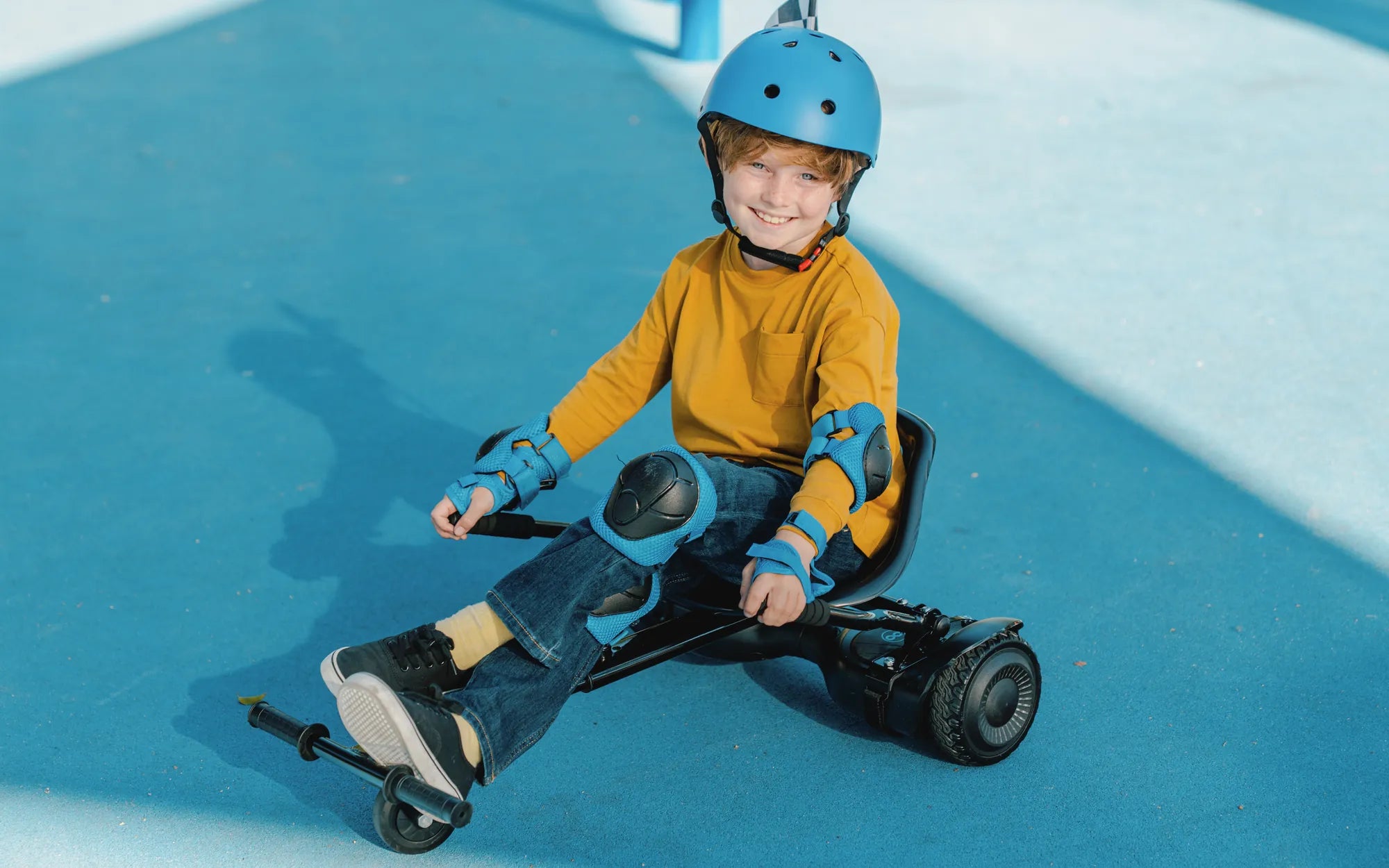
The safest scooter is only one part of the equation. Parental supervision and established rules are essential. Before the first ride, create a mandatory safety gear checklist: a properly fitted CPSC-certified bicycle helmet is non-negotiable. Add knee and elbow pads, especially for beginners, and closed-toe shoes with good grip.
Choose the practice environment carefully. Start in a completely empty, smooth, paved area like a driveway, tennis court, or empty parking lot. Avoid areas with slopes, traffic, or pedestrian congestion until mastery is achieved. Establish clear ground rules: always ride sitting down, keep both hands on the handlebars, and be aware of surroundings. Perform a quick pre-ride check together: inspect tire pressure, test brake responsiveness, and ensure all bolts and folding mechanisms are secure.
Comparison Table: Key Features by Age Group
| Feature | Ages 3-8 (Starter) | Ages 8+ (Performance) | Why It Matters |
|---|---|---|---|
| Max Speed | 5 - 7 mph | Up to 10 mph (with limiter) | Matches speed to reaction time and skill level. |
| Motor Power | 80W - 120W | 150W - 250W | Provides adequate power for flat ground vs. capability for slight inclines. |
| Braking System | Triple System (Foot + Electronic + Disc) | Dual System (Electronic + Disc) | Redundant, easy-to-use stopping methods for beginners. |
| Key Safety Feature | Parental Speed Limiter Switch/Key | Multiple Speed Mode Selection | Gives parents direct control over performance. |
| Ideal Wheel Type | Wide, Air-Filled (5-6") | Larger, Air-Filled with Suspension (6.5-8") | Maximizes stability and comfort for smaller riders. |
| Brand Example (Gyroor) | Focus on stability, low deck, simple controls. | Focus on range, hill climb, smoother ride. | Highlights engineering priorities for each stage. |
Frequently Asked Questions (FAQ) from Parents
1. What is the safest top speed for a young child's e-scooter?
For beginners aged 3-8, a maximum speed of 5-7 mph is safest. This is roughly a fast walking or slow jogging pace, allowing the child to develop balance and control without excessive risk. Always utilize the speed limiter function to cap the speed at this range initially.
2. How long does the battery last, and how is charging safety managed?
A typical battery for a kids' scooter provides 6-10 miles of range, translating to 40-90 minutes of ride time. Charging safety is managed by using only the manufacturer-provided charger and a UL-certified battery with built-in protection circuits (like Gyroor's). Never leave the scooter charging unattended or overnight, and store it in a dry, cool place.
3. Can the scooter handle small bumps or uneven sidewalks?
Yes, but the capability varies. Scooters with larger, air-filled tires and front/rear suspension handle bumps and cracks much better than those with small, solid plastic wheels. For typical neighborhood sidewalks, look for models with at least 6.5-inch pneumatic tires and a basic suspension system for a smoother, safer ride.
4. What happens if we need repairs or have a problem?
Choose a brand with clear warranty and support. Gyroor, for instance, offers a 1-year warranty on the scooter and dedicated US-based customer support. This provides a direct channel for troubleshooting, ordering genuine replacement parts (like inner tubes or brake pads), and getting repair guidance, ensuring the scooter remains safe to use.
5. At what age can a child typically start riding an electric scooter safely?
Most children develop the necessary balance, coordination, and cognitive judgment around age 5 or 6. However, readiness varies greatly. A child should first be proficient on a non-motorized kick scooter, understand basic safety instructions, and demonstrate the ability to focus on a task. Always supervise, regardless of age.
Conclusion: Empowering Fun with Confidence and Safety
The search for the best electric scooter for young kids ends when you find a machine that delights your child while meeting your rigorous safety standards. It's a product where certified batteries, responsive brakes, and intelligent speed controls work in unison. By prioritizing these engineering fundamentals—exemplified by brands that invest in UL certification, water resistance, and robust construction—you transform a purchase into an investment in joyful, secure childhood memories. The right scooter doesn't just provide a ride; it fosters independence, outdoor play, and family fun, all within a framework you can trust. Ready to explore models built with this safety-first philosophy? Browse the full Gyroor collection at gyroorboard.com to find the perfect match for your young rider's next adventure.
Where to Get a Self Balancing Scooter: The Ultimate Guide to Finding Your Perfect Ride
Unique Christmas Gift Ideas for Kids That Spark Joy and Creativity