



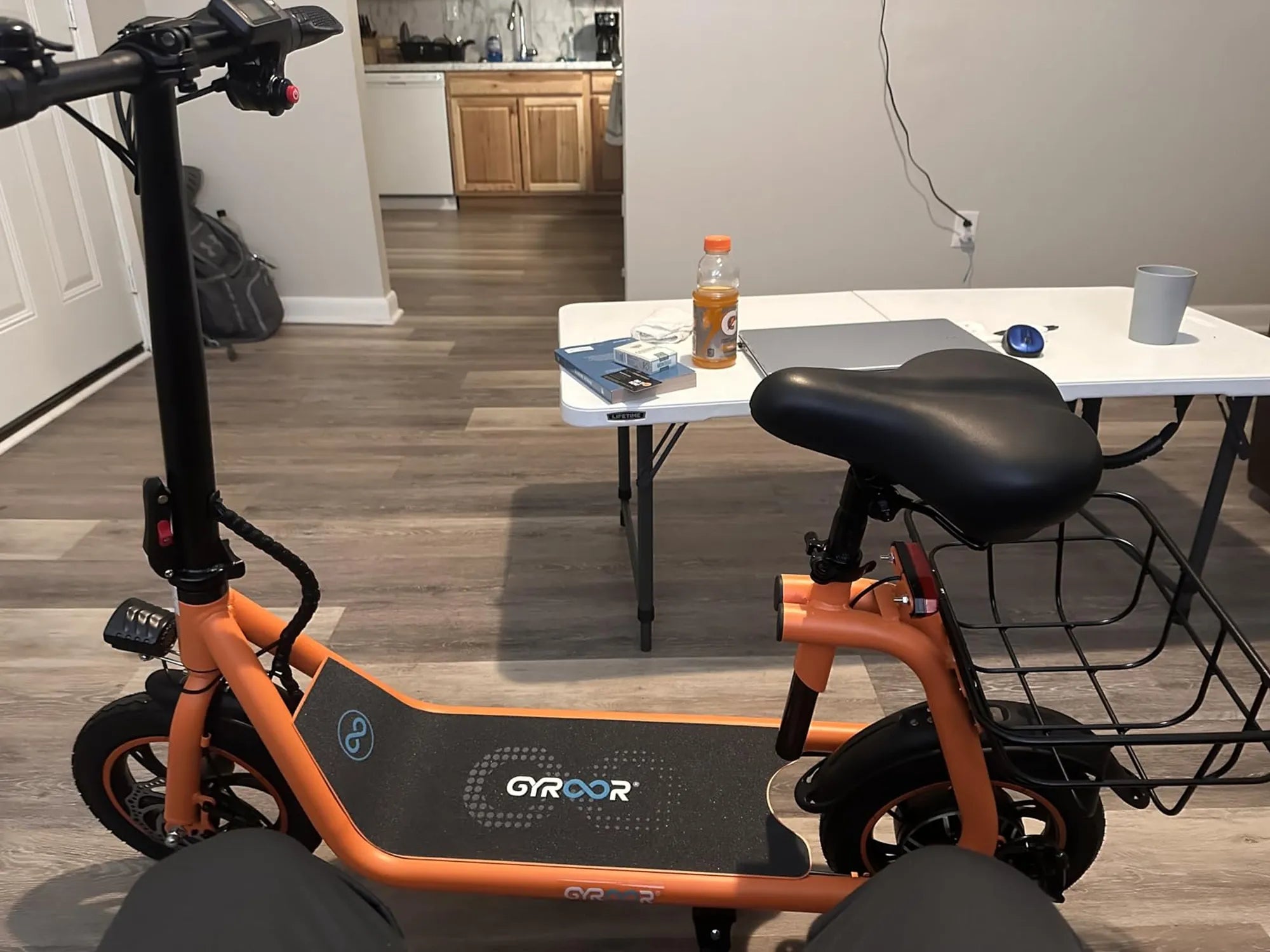
Navigating the 2025 E-Scooter Landscape
The electric scooter market has matured dramatically. The 2025 landscape is defined by smarter integration, rigorous safety standards, and precise model specialization rather than raw speed claims. Choosing the right model requires understanding how specifications translate to real-world commuting, recreation, or last-mile travel.
This Best Electric Scooters 2025 Buying Guide: Top Picks and Expert Tips is engineered to be your definitive resource. We move beyond basic specs to analyze performance under load, the true meaning of water resistance, and why certain certifications are non-negotiable. Our goal is to equip you with the framework to select a scooter that matches your lifestyle from a brand that ensures long-term reliability and safety.
Trusted brands like Gyroor, with over 100,000 riders across North America and Europe, have led this shift toward verified safety and durability. This guide will reference such benchmarks to illustrate what to look for, ensuring your investment is sound for years to come.
What to Look For: The 2025 Buyer's Checklist
Modern electric scooters are complex personal transport devices. Evaluating them requires a checklist that prioritizes safety and real-world usability alongside performance metrics. This section breaks down the critical features that separate a quality investment from a disposable gadget.
Motor Power & Real-World Performance
Motor wattage (e.g., 350W, 500W, 800W+) indicates potential power, but torque defines acceleration and hill-climbing capability. A 500W motor with high torque will outperform a 700W motor with low torque on a 10% grade. Consider your local terrain; for moderate hills, a sustained 500W-800W motor is ideal.
Dual-motor configurations offer maximum power for off-road use or steep inclines but consume battery faster. For most urban commutes, a single, efficient rear-wheel-drive motor provides the best balance of power, range, and control. Real-world performance is about consistent power delivery, not just a high top speed.
Battery Tech, Range, and Charging
The battery is the heart of your scooter. Insist on UL-certified lithium-ion packs, which have undergone rigorous testing for electrical and fire safety. Capacity, measured in Watt-hours (Wh), is a more accurate range indicator than Amp-hours (Ah) alone.
Advertised range is a laboratory ideal. Expect real-world range to be 60-70% of the claim, affected by rider weight, hills, speed, and temperature. For a reliable 15-mile commute, look for a model with a 25+ mile advertised range. Fast-charging (3-5 hours) is becoming standard and is a significant quality-of-life feature.
Build Quality, Safety, and Warranty
Aircraft-grade aluminum alloys are standard for frames, balancing strength and weight. Examine the folding mechanism's robustness—it's a critical stress point. Braking systems are paramount: disc brakes offer the strongest stopping power, often supplemented by electronic or regenerative braking.
Front and rear lighting, reflectors, and a loud bell or horn are essential for visibility. The warranty is a direct reflection of manufacturer confidence. A comprehensive 1-year warranty that covers the battery, motor, and frame indicates a product built to last, like those offered by established brands.
Portability and Daily Usability
True portability is a function of weight, folded dimensions, and carrying comfort. Scooters under 30 lbs are manageable for carrying up stairs or onto transit. The best folding mechanisms are intuitive, secure, and allow the scooter to stand upright or roll when folded.
Deck size and texture impact ride comfort; a longer, wider deck with a grippy surface is preferable. Handlebar height and grip ergonomics are often overlooked but crucial for control during longer rides. Consider your daily routine—where you'll store and carry it—when evaluating these features.
Top Electric Scooter Categories for 2025
Instead of a single "best" list, we segment the market by primary use case. This approach helps you match a scooter's engineered strengths to your specific needs, from dense city commutes to weekend trail adventures.
Best for Urban Commuters: The Daily Workhorse
The urban commuter scooter prioritizes reliability, all-weather capability, and sufficient range for daily round trips. Key features include a minimum IPX5 water resistance rating, puncture-resistant or airless tires, and integrated, bright lighting for dawn/dusk visibility.
Look for a real-world range of 15-25 miles from a UL-certified battery. App connectivity for speed mode adjustment, battery monitoring, and anti-theft locking is now a valuable standard. Suspension (spring or hydraulic) and 10-inch pneumatic tires significantly improve comfort on uneven city streets.
Best for Performance & Off-Road Enthusiasts
This category is for riders seeking power and terrain capability. Models feature high-torque motors (800W to 2000W+, often dual), advanced suspension systems with long travel, and large pneumatic off-road tires (10+ inches). Ground clearance exceeding 5 inches is necessary for trails.
Extended-range batteries (often 60V systems) support the high power draw. Builds are heavier and less portable but offer motorcycle-like performance. These scooters are engineered for varied terrain but require more maintenance and rider skill.
Best for Portability and Last-Mile Solutions
Ultra-portable scooters sacrifice some performance for maximum convenience. They weigh under 25 lbs, feature a quick, compact fold, and are easy to carry. Ideal for multi-modal commuters who combine scooters with buses, trains, or cars.
Trade-offs include smaller wheels (8-inch or solid), shorter range (10-15 miles real-world), and less powerful motors (250W-350W) suited for flat terrain. The focus is on minimalist design and effortless storage in tight spaces like an office or apartment closet.
Why Certification Matters: A Deep Dive on Safety Standards
In 2025, safety certifications are the most critical differentiator between reputable products and potential hazards. These are not marketing badges but the result of independent, destructive testing that validates a product's fundamental safety.
The UL 2272 and UL 2849 Imperative
UL 2272 is the standard for electrical systems of personal e-mobility devices, including scooters. It rigorously tests the battery, charger, and electrical system for overcharge, short circuit, and mechanical abuse. A UL 2272 certification dramatically reduces the risk of battery fires.
For more complex, connected scooters, UL 2849 (covering e-bikes) is an emerging, comprehensive standard that also evaluates cybersecurity risks. Purchasing a scooter without these certifications, particularly for the battery pack, is an unnecessary risk. Industry data shows a steep decline in incidents associated with certified products.
Beyond the Battery: IP Ratings Explained
The IP (Ingress Protection) rating defines a product's resistance to solids and liquids. The first digit (dust) is often omitted for scooters (shown as 'X'). The second digit is crucial: it rates water resistance.
An IPX4 rating protects against splashes from any direction. An IPX5 rating, a key benchmark for 2025, guarantees protection against water jets from any direction. This means the scooter can safely handle wet roads, puddles, and light rain, protecting its internal electronics and ensuring longevity. It is the practical minimum for a true all-weather commuter scooter.
The Gyroor Advantage: Engineered for Trust in 2025
As a leader trusted by a global community of riders, Gyroor's design philosophy exemplifies the priorities outlined in this guide. Their approach demonstrates how top-tier manufacturers integrate safety, durability, and user-centric design.
Built Around a UL-Certified Core
Every Gyroor electric scooter is powered by a UL-certified lithium-ion battery pack. This commitment aligns with the highest safety imperative, providing riders with verified protection. These batteries are engineered for over 500 charge cycles, ensuring long-term capacity retention and value.
Designed for the Real World: IPX5 and Durability
Gyroor models are built with IPX5 water-resistant designs. This specification directly addresses the needs of daily riders, ensuring the scooter's electrical systems are shielded from rain and road spray. This focus on environmental durability, combined with robust aluminum frames, results in a product meant for daily use, not just fair-weather excursions.
Commitment Post-Purchase: The 1-Year Warranty
Backing their engineered reliability, Gyroor provides a comprehensive 1-year warranty. This coverage, supported by responsive customer service, reduces long-term ownership risk. It reflects a brand's confidence in its manufacturing and its commitment to standing behind the product, a critical consideration in the Best Electric Scooters 2025 Buying Guide: Top Picks and Expert Tips.
Head-to-Head: 2025 Scooter Category Comparison
| Feature | Urban Commuter | Performance/Off-Road | Ultra-Portable |
|---|---|---|---|
| Ideal Use Case | Daily city commute, all-weather | Trails, hills, high-speed riding | Last-mile, multi-modal transit, storage in tight spaces |
| Motor Power | 500W - 800W Single | 800W - 2000W+ (Often Dual) | 250W - 350W Single |
| Real-World Range | 15 - 25 miles | 20 - 40+ miles | 10 - 15 miles |
| Key Feature | IPX5+ Rating, Puncture-Resistant Tires, App | Long-Travel Suspension, Off-Road Tires, High Ground Clearance | Weight < 25 lbs, Compact Fold, Carry Handle |
| Weight | 35 - 50 lbs | 55 - 100+ lbs | 20 - 28 lbs |
| Priority | Reliability, Safety, Comfort | Power, Terrain Capability, Range | Portability, Convenience |
Expert Tips for Your First Ride and Beyond
Ownership expertise is as important as your purchase decision. Proper operation and maintenance ensure safety, maximize your scooter's lifespan, and promote responsible riding within your community.
Pre-Ride Safety and Gear Essentials
A certified bicycle or multi-impact helmet is non-negotiable. Supplement with gloves, closed-toe shoes, and reflective clothing or accessories for low-light conditions. Before each ride, perform a quick check: verify tire pressure, test brake function, ensure lights are operational, and confirm the folding mechanism is locked.
Start in a safe, open area to familiarize yourself with acceleration, braking, and balance. Always respect pedestrian spaces and use bike lanes where available and legal.
Maintenance Routines for Longevity
Maintain proper tire pressure weekly; under-inflation is a leading cause of flats and reduced range. Inspect brake pads for wear every month and clean the brake rotors with isopropyl alcohol if performance declines. After riding in wet conditions, wipe down the scooter to prevent corrosion.
Store your scooter in a dry place at room temperature. For battery health, avoid draining it to 0% regularly; try to recharge when it reaches 20-30%. Do not leave the battery fully depleted or at 100% charge for extended storage periods (weeks).
Understanding Local Laws and Etiquette
E-scooter regulations vary wildly. Research your city and state laws: where you can ride (sidewalks, bike lanes, roads), speed limits, minimum age, and helmet requirements. Generally, sidewalk riding is discouraged or illegal for adult riders.
Practice good etiquette: signal your intentions, pass pedestrians and cyclists carefully and audibly, never ride under the influence, and park responsibly without blocking pathways or access points. Being a conscientious rider helps ensure positive community acceptance.
Frequently Asked Questions (FAQs)
Q1: How far can I *really* expect to go on a single charge?
A: Real-world range is typically 60-70% of the manufacturer's advertised figure, which is derived under ideal lab conditions. Your actual range is determined by rider weight, riding speed (higher speed = higher drain), hill frequency, tire pressure, and ambient temperature. For accuracy, subtract 8-12 miles from a "30-mile" claim for a realistic urban estimate.
Q2: Is it safe to ride an e-scooter in the rain?
A: Scooters with an IPX5 rating or higher are engineered to handle wet roads and light rain safely. However, safety also depends on rider behavior. Reduce speed significantly, avoid painted road markings and metal surfaces which are slippery, and never ride through deep puddles or standing water. No consumer scooter is submersible.
Q3: Do I need a license or insurance to ride?
A: Laws differ by jurisdiction. In most U.S. states and European countries, electric scooters with top speeds under 20-28 mph do not require a driver's license, registration, or mandatory insurance. However, some cities have specific local ordinances. Always check your local Department of Transportation or city council website for the most current rules. Personal liability insurance is rarely required but can be a wise consideration.
Q4: How often does an e-scooter need maintenance?
A: Beyond the pre-ride check, a more thorough inspection every 1-3 months (or every 300-500 miles) is recommended. This includes checking all bolt tightness (especially on stem and folding joints), examining tires for wear or damage, testing brake responsiveness, and ensuring all electrical connections are secure. Pneumatic tires may need air weekly.
Q5: What's the difference between solid, airless, and pneumatic tires?
A: Pneumatic (air-filled) tires offer the best shock absorption and ride comfort but are susceptible to punctures. Solid tires are maintenance-free and puncture-proof but provide a harsher ride and less traction. Airless (honeycomb) tires are a modern compromise, using a foam-like structure to offer some cushioning while remaining flat-proof. For comfort, 10-inch pneumatic tires are the gold standard for commuters.
Your Informed Path to the Perfect Ride
The journey to finding your ideal electric scooter in 2025 is one of matching engineered capabilities to personal needs. Prioritize verified safety through UL certification and meaningful water resistance (IPX5+). Let your primary use case—be it daily commuting, off-road adventure, or seamless portability—guide your choice among motor power, range, and build type.
Investing in a reputable brand that stands behind its product with a robust warranty and quality components, like the UL-certified, IPX5-rated models from Gyroor, is an investment in long-term satisfaction and safety. Use this Best Electric Scooters 2025 Buying Guide: Top Picks and Expert Tips as your framework to ask the right questions and make a confident, informed decision. The perfect scooter for your 2025 commute and beyond awaits.
Ready to explore a full range of engineered, safety-focused electric scooters? Browse the complete Gyroor collection and find your match at gyroorboard.com.
Can You Ride Electric Scooters in Melbourne? A Complete Guide to Laws, Safety & Rides
Best Urban Electric Scooters: The Ultimate Guide for City Commuters