



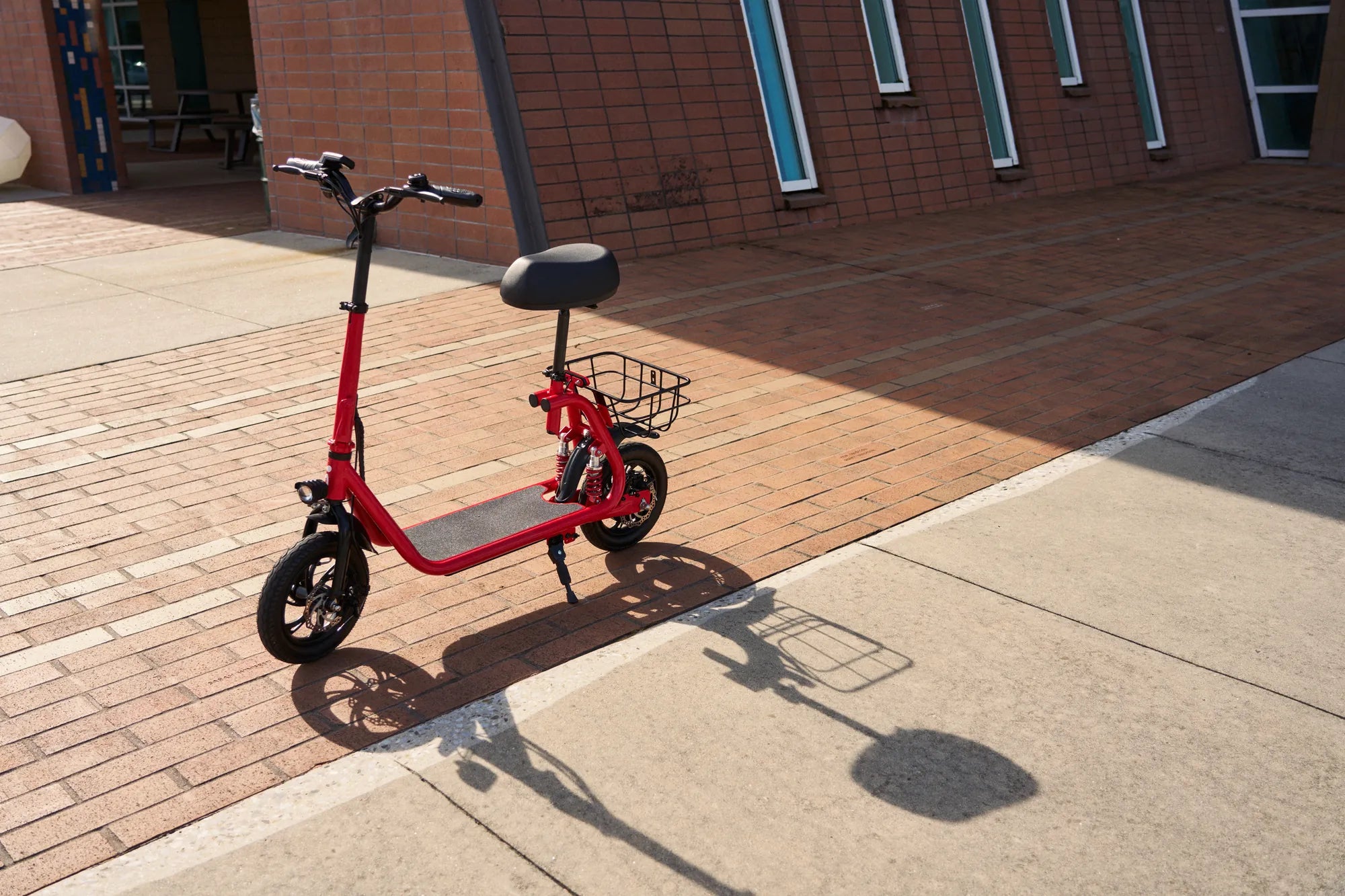
Navigating the Australian E-Scooter Landscape in 2024
Electric scooters have transformed urban mobility across Australia, offering a practical solution for commuting, leisure, and last-mile transport. The market in 2024 is more diverse than ever, presenting both opportunity and complexity for buyers. Choosing the right model requires careful consideration of Australia's unique legal framework, varied terrain from coastal paths to city hills, and specific climate conditions.
This guide cuts through the noise with factual analysis and data-driven recommendations. We focus exclusively on models with proven reliability, features suited to local use, and clear compliance pathways. Our goal is to equip you with the knowledge to select a scooter that is not only powerful and fun but also legal and durable for the long term.
The key to a successful purchase is aligning performance specs with your daily reality. A scooter perfect for flat Melbourne bike paths may struggle on Sydney's inclines. Understanding motor power, battery range, and build quality in an Australian context is crucial. We will dissect these factors in detail, providing a clear framework for your decision.
This article is structured to first educate you on critical buying criteria, then present top picks for different rider profiles. We conclude with essential maintenance tips and a direct comparison of leading models. Let's begin by exploring the fundamental factors every Australian rider must consider before investing in an electric scooter.
Key Factors to Consider Before Buying an E-Scooter in Australia
Selecting an electric scooter involves more than comparing top speeds and flashy designs. For Australian riders, several geographic and regulatory factors dictate which models are suitable, safe, and legal. Ignoring these can lead to fines, unsafe riding conditions, or premature scooter failure.
A smart purchase balances performance desires with practical constraints. The most powerful scooter is useless if it's illegal to ride where you live. Similarly, a lightweight model may be portable but could buckle under daily commuting demands. We break down the essential evaluation criteria below.
Prioritise factors based on your primary use case. A daily commuter needs robust range and water resistance. A weekend rider might value comfort and suspension. By understanding each factor's impact, you can allocate your budget effectively, ensuring you pay for features you truly need.
Understanding State and Territory Regulations
Australia's e-scooter laws are not nationally uniform; they vary significantly by state and territory. Compliance is non-negotiable for safety and to avoid penalties. The core regulations typically govern motor power output, maximum speed, and where you can legally ride.
Most states, including Queensland, New South Wales, and Victoria, align with a model where low-powered devices are classified as "personal mobility devices." Common limits include a maximum continuous motor power of 250 watts and a top speed of 25 km/h on roads and shared paths. Always verify the latest rules on your state's transport authority website before purchasing.
Riding location rules are equally important. Some areas permit footpath riding, while others restrict scooters to bike lanes or roads with speed limits under 50 km/h. Purchasing a non-compliant scooter risks confiscation and fines, making legal compliance the foremost consideration for any Australian buyer in 2024.
Performance Metrics: Motor, Speed, and Hill Climbing
Motor power is the engine of your ride. Manufacturers often list peak wattage, but continuous wattage is a more reliable indicator of sustained performance. A 350W continuous motor, like that found in several commuter-focused models, provides adequate power for most urban inclines.
For tackling steeper hills in cities like Brisbane or Perth, torque and motor configuration are key. Dual-motor setups or single motors with high peak power (e.g., 500W+) deliver the necessary torque. However, ensure any high-performance model can be software-limited to comply with local 25 km/h speed regulations for road use.
Hill-climbing ability isn't just about power; weight and tyre traction also play roles. A scooter's gradeability, often listed as a percentage (e.g., 15% grade), indicates what incline it can maintain speed on. Match this spec to the steepest hill on your regular route for a frustration-free commute.
Range and Battery Life: Beating the "Range Anxiety"
Advertised range is a theoretical maximum achieved under ideal laboratory conditions. Real-world range is affected by rider weight, terrain, wind, temperature, and riding style. A scooter advertised for 40 km may only deliver 25-30 km for an 85 kg rider on a hilly route.
Battery quality is paramount for safety and longevity. Look for scooters using brand-name, UL-certified lithium-ion battery packs. These undergo rigorous testing for stability and cycle life. A quality battery from a brand known for safety, used by over 100,000 riders globally, can sustain 500+ charge cycles with minimal degradation.
To estimate your needed range, calculate your round-trip daily distance and add a 30-40% buffer. This accounts for battery aging and ensures you're not charging to 100% every single day, which can stress the battery. A scooter with a 25 km real-world range is sufficient for most urban commutes.
Build Quality, Safety, and Terrain Handling
Australian urban surfaces—from smooth bike paths to cracked pavements and light gravel—demand a durable build. A sturdy aluminium alloy frame is standard for good models. Pay close attention to the suspension system and tyre type, as these directly impact comfort and control.
A front or dual suspension system absorbs shocks from imperfect surfaces, reducing fatigue and improving safety. Tyre choice is critical: pneumatic (air-filled) tyres offer superior comfort and grip but require maintenance; solid tyres eliminate flats but provide a harsher ride and less traction in wet conditions.
Braking systems are your primary safety feature. A combination of electronic (regenerative) braking and a physical disc or drum brake offers reliable stopping power in all weather. Finally, consider IP ratings for water and dust resistance. An IPX5 rating, for example, indicates protection against water jets, making the scooter suitable for unexpected rain showers.
Top Electric Scooter Picks for Australian Riders in 2024
Our selections are based on a synthesis of performance data, feature sets, durability reports, and alignment with Australian regulations and conditions. We have categorised models by primary use case to help you match a scooter to your lifestyle. Each pick emphasises legal compliance, terrain suitability, and proven reliability.
These are not merely the most powerful or fastest scooters. They are models that offer a balanced, practical, and safe riding experience for Australian environments. We consider factors like after-sales support and warranty validity within Australia as critical components of a top pick.
Brand reputation for quality control and customer service weighs heavily. A scooter is a significant investment, and accessible support is essential. The following categories will guide you to the best electric scooters Australia has to offer for specific needs in 2024.
Best All-Rounder for City Commuting: Gyroor K8
For the daily commuter seeking a perfect balance of performance, portability, and compliance, the Gyroor K8 stands out. Its 350W brushless hub motor provides ample power for urban gradients while remaining within the power guidelines of most Australian states. The speed can be adjusted to ensure compliance with local 25 km/h limits.
Key features directly address commuter needs. The UL-certified battery pack offers a reliable 25-30 km real-world range, sufficient for most city trips. An IPX5 water-resistant rating provides confidence when caught in a sudden downpour. The bright headlight, rear brake light, and clear reflectors are essential for safe night riding.
Practicality is enhanced with a one-step folding mechanism and a manageable weight, making it easy to carry onto public transport or into the office. The 8.5-inch pneumatic tyres coupled with a front suspension fork smooth out road imperfections. Backed by a reliable 1-year warranty and trusted by a global community of riders, the K8 represents a smart, safe investment for the Australian commuter.
Best for Hilly Terrain and Extra Power
Riders in suburbs with significant inclines require a scooter with robust torque and braking power. This category demands a motor with high peak wattage, often 500W or more, to maintain speed on grades of 15% or higher. A dual-motor configuration, while powerful, must be checked for local legality as it may exceed continuous power limits in some areas.
The ideal hill-climber features a combination of a high-torque motor and a robust braking system. Hydraulic or high-quality mechanical disc brakes are non-negotiable for controlled descents. A wider deck and superior suspension also contribute to stability when navigating steep, uneven roads.
Battery capacity must be larger to compensate for the increased energy draw of climbing. Look for models with a minimum of 36V 10Ah (360Wh) batteries. It is crucial that these powerful models still offer a mode or software setting that limits them to road-legal speeds, ensuring they can be used responsibly and legally on public paths.
Best for Portability and Last-Mile Travel
If your journey involves multi-modal transport—such as a train or bus ride—portability is king. The best scooters in this category weigh under 15 kg and feature a quick, secure folding mechanism. The fold should be compact, allowing the scooter to be stored neatly beside a desk or under a seat.
Performance is tailored for short trips. A motor in the 250W-300W range is typically sufficient, providing enough zip for flat last-mile journeys. Range can be modest (15-20 km real-world) as the primary use is connection, not full-length commutes. Solid or honeycomb tyres are common to avoid maintenance, though this can sacrifice some comfort.
Despite the lightweight design, safety cannot be compromised. Effective brakes, even if smaller, and adequate lighting are mandatory. The best portable models do not feel flimsy; they use quality materials like aircraft-grade aluminium to keep weight down while maintaining rigidity and rider confidence.
Best for Value and Budget-Conscious Riders
Entering the e-scooter market doesn't require a huge budget, but it does require smart choices. Value-focused models prioritise core safety and reliability features over premium extras. Look for a proven single motor system (250W-350W), a battery from a reputable cell manufacturer, and a frame with a solid weight rating.
Avoid unknown brands that may use substandard components. Instead, opt for established brands that offer clear warranty terms and have accessible customer service channels in Australia. A comprehensive 1-year warranty that covers the motor, battery, and controller is a strong indicator of a company standing behind its product.
Key features to expect include basic mechanical or disc brakes, LED lights, and a simple digital display. You may forgo advanced suspension, but ensure the tyre size and type (e.g., 8.5-inch pneumatic) provide adequate comfort for your typical routes. This approach ensures your first scooter is a safe, dependable introduction to electric mobility.
Head-to-Head: How Do the Top Contenders Compare?
This comparison table provides a data-driven snapshot of scooter types suited for the Australian market. It consolidates key specifications to facilitate direct comparison. Remember, the "Max Speed" listed is the manufacturer's specification; riders must always use speed settings that comply with their local road rules.
| Category / Model Type | Motor Power (Continuous) | Max Speed* | Real-World Range | Weight | Key Feature for AU | Price Point |
|---|---|---|---|---|---|---|
| All-Rounder Commuter | 350W | 25 km/h (adjustable) | 25-30 km | ~16 kg | IPX5 Water Resistance, UL Battery | Mid-Range |
| Hill Climber / Power Focus | 500W+ (Peak) | Varies | 20-25 km (hilly) | 18-22 kg | High-Torque Motor, Robust Disc Brakes | Mid to High |
| Portability & Last-Mile | 250W-300W | 20-25 km/h | 15-20 km | 12-14 kg | Ultra-Compact Fold, Sub-15kg Weight | Low to Mid |
| Value / Budget Option | 300W-350W | 25 km/h | 20-25 km | 14-16 kg | Core Safety Features, Reliable Warranty | Budget |
* Always adhere to local speed limits. Speeds listed are manufacturer specifications and may require adjustment for legal road use.
Essential Riding Tips and Maintenance for Australian Conditions
Owning an electric scooter in Australia requires specific care to combat sun, rain, and variable terrain. Proactive maintenance ensures safety, extends the scooter's lifespan, and protects your investment. These practices are simple but make a significant difference in long-term performance and reliability.
Develop a routine that includes pre-ride checks and periodic deep cleaning. Australian conditions can be harsh, with UV radiation degrading plastics and rubber, and salt air near coasts potentially causing corrosion. A little regular attention prevents major issues and keeps your scooter riding like new.
The following sections outline a straightforward maintenance regimen. Incorporating these tips will help you enjoy thousands of trouble-free kilometres, whether you're commuting in Melbourne, cruising in Perth, or exploring bike paths in Brisbane.
Pre-Ride Safety Checks
Conduct a quick 60-second check before every ride. This habit is your first line of defence against accidents. Start with the tyres: ensure they are inflated to the recommended PSI (found on the tyre sidewall). Soft tyres increase rolling resistance, draining your battery and risking pinch flats.
Next, test both brakes. Squeeze the levers to ensure they engage firmly and the scooter comes to a complete stop without the levers touching the handlebars. Check that the headlight and taillight are functioning, especially if riding near dawn, dusk, or at night. Finally, if your scooter folds, verify that the locking mechanism is fully secured and there is no play in the stem.
Caring for Your Scooter in Sun and Rain
Prolonged exposure to direct Australian sun is detrimental. UV rays can fade the colour, crack plastic components, and overheat the battery and electronics. Whenever possible, store your scooter indoors or in a shaded area. If you must park outside during the day, use a protective cover.
After riding in rain or on wet paths, dry the scooter with a soft cloth, paying attention to the brake discs, deck, and stem. While models with IPX5 ratings are protected against water jets, they are not fully waterproof. Avoid submerging any part of the scooter. Regular cleaning with a damp cloth prevents dirt and grime from building up in moving parts like the folding mechanism.
Battery Best Practices for Longevity
Battery care is the most important aspect of long-term maintenance. Avoid regularly draining the battery to 0%. Try to recharge when it drops to 20-30% capacity. Similarly, if you won't be using the scooter for an extended period (e.g., several weeks), store it with a charge between 50-70% in a cool, dry place.
Use only the manufacturer-provided charger. Off-brand chargers may not have the correct voltage or safety cut-offs, posing a fire risk and damaging the battery. Allow the battery to cool down for 30 minutes after a long ride before charging. Following these steps will help maintain the battery's health over its 500+ cycle lifespan.
Frequently Asked Questions (FAQs) About E-Scooters in Australia
Q: Do I need a license or registration to ride an e-scooter in Australia?
A: For low-powered scooters that comply with your state's "personal mobility device" or similar rules, a driver's license or vehicle registration is typically not required. However, the rider is often required to be over 16 years of age. Laws are subject to change, so always confirm with your local state transport authority.
Q: Can I ride my e-scooter on the footpath?
A: This is one of the most variable rules. Some states and territories allow it, sometimes with a speed limit (e.g., 10 km/h). Others prohibit footpath riding entirely, restricting e-scooters to bike lanes and roads with speed limits under 50 km/h. Never assume—check the specific regulations for your area.
Q: Is the warranty valid if I buy an international brand in Australia?
A: Reputable international brands with a global presence typically honour their warranties through local distributors or authorised service partners. For example, brands with a large customer base in North America and Europe often have established support channels. Always confirm with the seller that the manufacturer's warranty (like a 1-year comprehensive warranty) is fully valid for Australian customers and inquire about local repair options.
Q: How do I find out the specific laws for my area?
A: The only reliable source is the official government website for your state or territory. We recommend visiting sites such as Transport for NSW, VicRoads, the Queensland Department of Transport and Main Roads, or the WA Department of Transport. Search for "personal mobility device" or "e-scooter" rules on these sites.
Q: Are electric scooters safe to ride in the rain?
A: Safety depends on the scooter's build and your riding style. A scooter with a good IP rating (like IPX5) is protected against water jets from any direction, making it safe for light to moderate rain. However, wet conditions drastically reduce tyre traction and braking efficiency. Ride significantly slower, avoid sharp turns, and brake gently and early. Never ride through flooded areas or submerge any part of the scooter.
Finding Your Perfect Ride Down Under
The journey to finding the best electric scooter in Australia for 2024 culminates in a simple principle: match the machine to your mission. Consider your daily route's hills, the distance you need to cover, and the storage options at your destination. Let legal compliance be your guiding star, ensuring your investment is protected and your rides are stress-free.
Prioritising safety features—reliable brakes, comprehensive lighting, and a robust frame—is an investment in your wellbeing. Brands that back their products with strong warranties and clear support channels offer peace of mind that lasts long after the purchase. In a market filled with options, these factors separate a good purchase from a great one.
Electric scooters offer an unparalleled blend of efficiency, fun, and freedom for navigating Australian cities. By applying the insights from this guide, you are equipped to choose a model that will deliver reliable service through commutes, errands, and weekend adventures. Your perfect urban mobility partner is out there, ready to transform how you move.
Ready to explore a range of reliable, well-built electric scooters designed for real-world use? Browse the full Gyroor collection, featuring UL-certified batteries, IPX5 water-resistant designs, and comprehensive customer support, at gyroorboard.com.
Electric Scooters More Expense: Are They Worth the Investment? A Deep Dive
Santa Barbara Electric Scooters: The Ultimate Guide to Eco-Friendly Commuting