



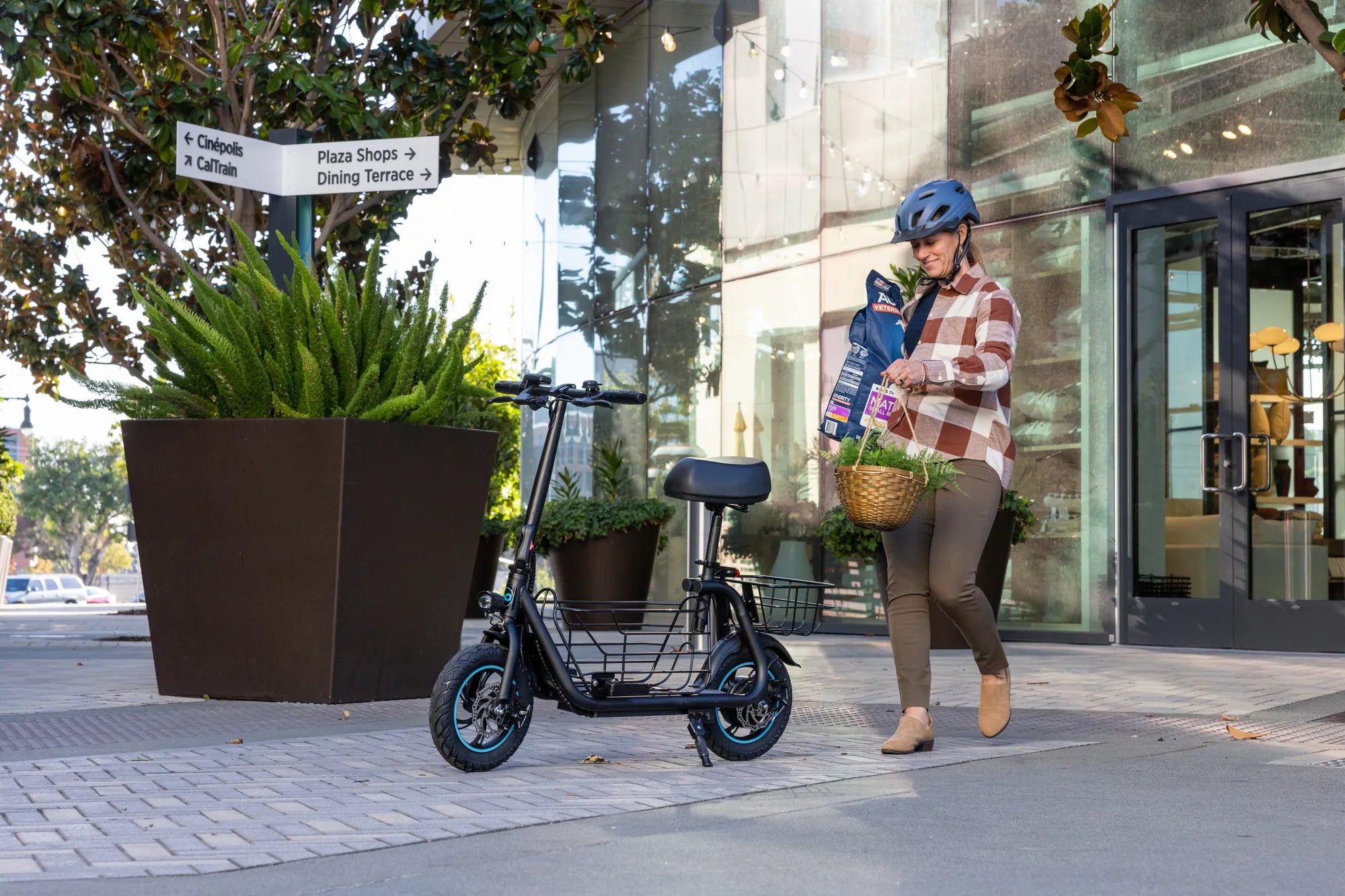
Finding the Perfect First Ride for Your Young Rider
Selecting the best electric scooters for 11 year olds is about more than just picking a fun toy. It's a decision that impacts your child's safety, independence, and enjoyment. Parents need a model that provides controlled fun while offering peace of mind through robust safety engineering.
The ideal scooter blends age-appropriate power with durable construction. It must have features that grow with your child's developing skills. This guide will help you navigate the key specifications and real-world considerations.
We focus on factual, data-driven criteria that separate genuinely kid-friendly models from generic options. Brands like Gyroor design specifically for this balance, integrating features like speed limiters and UL-certified batteries from the ground up.
Your goal is to empower your child with a sense of freedom while ensuring their adventures remain within safe parameters. The right choice makes this possible.
What Makes an Electric Scooter "Kid-Friendly"? A Safety & Feature Checklist
Kid-friendly design is defined by specific engineering and safety priorities. These features are non-negotiable for responsible parents considering electric scooters for 11 year olds.
The checklist starts with verifiable safety certifications and extends to physical design. Every component, from the battery management system to the deck texture, should be chosen with a young rider in mind.
This approach mitigates the primary risks associated with personal electric vehicles. It transforms a potential hazard into a controlled, educational tool for mobility.
Speed and Power Management: The Foundation of Control
For an 11-year-old, excessive speed is the enemy of safety. The best electric scooters for kids feature a maximum speed capped between 10-15 mph. This range allows for thrilling rides without overwhelming a developing sense of balance and reaction time.
Multiple speed modes are essential. A beginner mode limiting the scooter to 6-8 mph lets new riders build confidence in a controlled environment. Parents can unlock higher modes as proficiency improves, making the scooter a long-term companion.
Motor power should be sufficient but not excessive. A 300W to 350W motor provides adequate torque for neighborhood hills and slight inclines without the jarring acceleration that can lead to loss of control. This power band is the sweet spot for the 11-year-old demographic.
Look for scooters with smooth acceleration curves, not abrupt throttle response. This engineering detail prevents the scooter from lurching forward when starting, a common cause of beginner stumbles.
Build Quality and Verified Safety Certifications
Build quality is paramount. The frame should be constructed from aerospace-grade aluminum or reinforced steel, able to withstand the bumps and occasional drops of active use. Welds should be clean and solid, not spotty or weak.
The most critical certification is for the battery. A UL 2271 or UL 2272 certification, like those used in Gyroor scooters, is non-negotiable. It means the battery pack has undergone rigorous testing for electrical, mechanical, and fire safety—a paramount concern for any device used by children.
Braking systems must be redundant and reliable. A combination of a disc brake (for strong, consistent stopping power) and an electronic brake (for regenerative braking and added safety) is ideal. This dual-system ensures stopping power remains effective even if one system is compromised.
Finally, check for certifications on the entire electrical system, not just the battery. This holistic approach to safety separates reputable brands from market entrants cutting corners.
Size, Weight, and Ergonomic Usability
The scooter must fit the rider. For most 11-year-olds, an adjustable handlebar height ranging from approximately 32 to 40 inches is ideal. This allows for a comfortable, upright riding posture without excessive hunching, which improves control.
Deck size matters for stability. A deck width of at least 6 inches and length of 16+ inches provides ample foot placement. A textured, anti-slip surface is crucial for maintaining footing during turns and over bumps.
Scooter weight is a double-edged sword. A heavier scooter (30-40 lbs) often indicates a sturdier build and offers a more stable ride but can be challenging for a child to carry upstairs. Lighter models may sacrifice some durability. A weight around 35 lbs is often a good compromise.
The scooter's overall weight limit should comfortably exceed your child's weight. A limit of 220 lbs or more ensures the frame and components are over-engineered for an 11-year-old, providing a significant safety margin and room for growth.
Top Considerations for Parents: Beyond the Specifications
The spec sheet tells only part of the story. Real-world ownership involves support, durability against the elements, and instilling responsible habits. These factors determine long-term satisfaction and safety.
Parents should evaluate the brand's commitment to post-purchase support. A scooter is a mechanical device that will require maintenance and potentially repairs, especially under the rigors of child use.
Consider the daily environment. Will the scooter encounter damp pavement, morning dew, or the occasional puddle? The build must account for these realities without becoming a maintenance headache.
Ultimately, the scooter is a tool for teaching responsibility. Your role in establishing rules and providing proper safety gear is as important as the scooter's engineering.
The Critical Role of Warranty and Customer Support
A comprehensive warranty is your safety net. A clear, 1-year warranty covering manufacturing defects on the motor, battery, and frame—like Gyroor's standard offering—is essential. It signals the manufacturer stands behind its product's durability.
Scrutinize the warranty's fine print. Does it cover the battery for the full period? Are there unreasonable exclusions for "normal wear and tear" that would include a child's use? Transparent terms are key.
Accessible customer support is invaluable. When a bolt loosens or a charging indicator behaves oddly, parents need prompt, helpful guidance. Brands with dedicated, US-based support teams typically resolve issues faster than those relying solely on email tickets to overseas offices.
This support structure transforms a potential frustration into a minor, solvable hiccup, ensuring the scooter remains a source of joy, not stress.
Durability for Real-World Use: Water Resistance and Build Integrity
Kids ride in the real world, not a laboratory. An IPX5 water-resistance rating, a standard on many Gyroor models, is highly recommended. It means the scooter can withstand water jets from any direction, protecting it from puddle splashes, wet roads, and light rain.
This rating prevents water ingress that can corrode electrical connections, damage the motor, or short-circuit the battery management system. It directly translates to longer scooter life and fewer malfunctions.
Beyond water, examine the build for resilience. Are the wiring harnesses neatly tucked away and protected? Is the kickstand sturdy and well-mounted? These details indicate an overall design philosophy focused on longevity.
Durability also means easy maintenance. Look for models with self-sealing pneumatic tires or solid, airless tires to eliminate flats, and tool-free folding mechanisms for easy storage and transport.
Teaching Responsibility: Safety Gear and Fundamental Riding Rules
The safest scooter is ineffective without proper safety gear. A properly fitted CPSC-certified bicycle helmet is mandatory for every ride. Supplement this with knee and elbow pads, especially during the learning phase.
Establish clear riding rules before the first ride. Designate approved riding areas: sidewalks (where legal and safe), bike paths, and empty parking lots. Prohibit riding on streets with traffic or in crowded pedestrian areas.
Discuss and enforce rules about visibility. No riding at dusk or dawn without reflective clothing or added lights. Teach hand signals for turning and stopping if riding in any shared spaces.
Make charging a supervised, responsible ritual. The scooter should cool down before charging, and the charger should be plugged directly into a wall outlet, not a power strip. This reinforces respect for the technology and its power source.
Ideal Electric Scooter Features for 11-Year-Olds: A Data-Driven Profile
Based on safety guidelines, ergonomic data for pre-teens, and performance needs, we can build a profile of the ideal scooter specifications. This table summarizes the key data points parents should target.
| Feature Category | Ideal Specification for 11-Year-Olds | Rationale & Notes |
|---|---|---|
| Maximum Speed | 10 - 15 mph (with limiters) | Balances fun with manageable risk; multiple speed modes are essential for progression. |
| Motor Power | 300W - 350W | Provides adequate torque for moderate inclines (10-15% grade) without excessive, jerky acceleration. |
| Real-World Range | 8 - 12 miles per charge | Sufficient for neighborhood adventures. Based on a 110 lb rider, mixed terrain, and standard acceleration. |
| Weight Limit | 220 lbs (100 kg) minimum | Provides a large safety margin over a child's weight, indicating a robust frame and components. |
| Battery Safety | UL 2271/2272 Certified | Non-negotiable for fire and electrical safety. Gyroor and other reputable brands use these standards. |
| Water Resistance | IPX5 Rating or higher | Protects against puddles and light rain, greatly enhancing durability and reducing failure points. |
| Braking System | Dual System (Disc + Electronic) | Ensures reliable stopping power. The disc brake provides physical braking; the electronic brake aids and regenerates power. |
| Key Features | LED Lights, Speed Modes, App Connectivity* | Lights for visibility; modes for control; an app for parents to monitor speed, battery, and location adds a security layer. |
*App connectivity is a valuable premium feature for parental oversight but is not a strict safety requirement. The core specifications of speed, power, and certification are more critical.
Maintenance and Care: Ensuring Long-Term Performance and Safety
Regular maintenance is simple but crucial for keeping an electric scooter safe and reliable. A five-minute pre-ride check can prevent most accidents. Teach your child to make this a habit before every outing.
Start with tire pressure. For pneumatic tires, maintain the PSI recommended in the manual. Under-inflated tires reduce range and stability; over-inflated tires make for a harsh ride and are more prone to damage. Check for embedded debris or signs of wear.
Test the brakes before riding. Squeeze the brake lever to ensure it engages firmly and smoothly, bringing the scooter to a complete stop without the lever touching the handlebar. Listen for any grinding or squealing from the disc brake, which may indicate needed cleaning or pad replacement.
Monthly, inspect all major bolts and fasteners—especially on the folding mechanism, handlebar stem, and wheels—for tightness. Use the tools provided in the scooter's kit. A loose bolt can lead to catastrophic failure while riding.
Battery Care and Charging Best Practices
Battery care extends its lifespan and maintains safety. Always use the manufacturer-provided charger. After a ride, allow the scooter and battery to cool to room temperature before charging, which typically takes 30-60 minutes.
Avoid draining the battery to 0% regularly. Try to recharge when the indicator shows 20-30% remaining. Similarly, for long-term storage (over a month), store the scooter with the battery charged to about 60% in a cool, dry place.
Keep the battery and its charging port clean and dry. Wipe away any dirt with a dry cloth. Never attempt to open or modify the battery pack. Any signs of swelling, leakage, or extreme heat during charging are red flags—discontinue use immediately and contact support.
Following these practices helps ensure the UL-certified battery performs safely for its entire rated lifecycle, often 500+ charge cycles.
Cleaning and Seasonal Storage
Cleaning is straightforward thanks to IPX5 water resistance. Use a damp cloth to wipe down the deck, frame, and wheels. Avoid high-pressure hoses or submerging any part of the scooter, as this can force water into seals.
For stubborn grime on the deck, a mild soap solution is safe. Never use solvents, abrasive cleaners, or direct water spray on the display, charging port, or deck seams. Dry the scooter thoroughly before storing or charging.
If storing for a season, perform a full maintenance check, clean the scooter, and charge the battery to 60%. Store it in a dry, temperature-stable environment away from direct sunlight. Check the battery charge every 2-3 months and top it up to 60% if it drops significantly.
Proper storage prevents tire deformation, protects the battery from deep discharge damage, and ensures the scooter is ready for adventure when the weather improves.
Frequently Asked Questions (FAQs) for Parents
Q1: Is an electric scooter safe for an 11-year-old?
A1: Yes, when you choose a model specifically designed for children, with speed limiters (max 15 mph), a sturdy frame, UL-certified battery, and dual braking systems. Parental supervision, proper safety gear (helmet, pads), and clear riding rules are equally important for safety.
Q2: What is a realistic battery range I can expect for my child?
A2: Under real-world conditions with stops, starts, and slight hills, expect 8 to 12 miles on a single charge for a quality scooter with a 300W motor. Teach your child to monitor the battery indicator and return home with 20% charge remaining. Range decreases with heavier rider weight, colder temperatures, and frequent hill climbing.
Q3: Why is a UL certification for the battery so important?
A3: UL (Underwriters Laboratories) certification is the leading independent safety standard. Batteries with UL 2271/2272 certification have undergone extreme stress tests for electrical, mechanical, and environmental hazards, including short-circuit, overcharge, crush, and drop tests. For a device your child will use daily, this verified protection against fire and explosion risk is essential. It's a core safety feature in brands like Gyroor.
Q4: How do I maintain my child's electric scooter?
A4: Regular maintenance includes: 1) Pre-ride checks: Tire pressure, brake function, and bolt tightness. 2) Regular cleaning: Wipe with a damp cloth (IPX5 rating makes this safe). 3) Battery care: Cool before charging, avoid full discharges, use only the provided charger. 4) Periodic checks: Monthly inspection of all mechanical parts and brake pad wear. Utilize the manufacturer's warranty for any electrical or major mechanical issues.
Q5: Are there legal restrictions for kids riding electric scooters?
A5: Laws vary significantly by city, state, and country. Common restrictions include: a minimum age (often 12-16), a maximum speed limit (often 15-20 mph), a requirement to ride in bike lanes or on streets (not sidewalks), and helmet mandates. It is the parent's responsibility to research and comply with all local regulations before allowing their child to ride in public areas.
Empowering Independence with Confidence and Safety
Choosing the best electric scooters for 11 year olds is an investment in your child's fun, mobility, and growing sense of responsibility. The right model opens up the neighborhood for exploration, provides a fun way to visit friends, and teaches valuable lessons about personal transportation.
The journey should be defined by joy, not worry. This peace of mind comes from selecting a scooter built on a foundation of verified safety—UL-certified batteries, water-resistant construction, and managed speed. It is reinforced by a brand that supports its product with a strong warranty and accessible customer service.
Brands like Gyroor engineer with these family-focused principles, offering models that meet the rigorous specifications outlined here. Their commitment to over 100,000 riders is built on delivering reliable, safe, and enjoyable rides.
By prioritizing safety features, teaching responsible habits, and providing proper gear, you can confidently say yes to this exciting milestone. You're not just giving a scooter; you're granting a new level of independence, carefully and wisely scaffolded for success.
Ready to explore models that put safety and fun first? Browse the full Gyroor collection, featuring UL-certified, kid-considered electric scooters, at gyroorboard.com.
Life Electric Scooters: The Future of Urban Mobility
Life Electric Scooters: The Future of Urban Mobility