



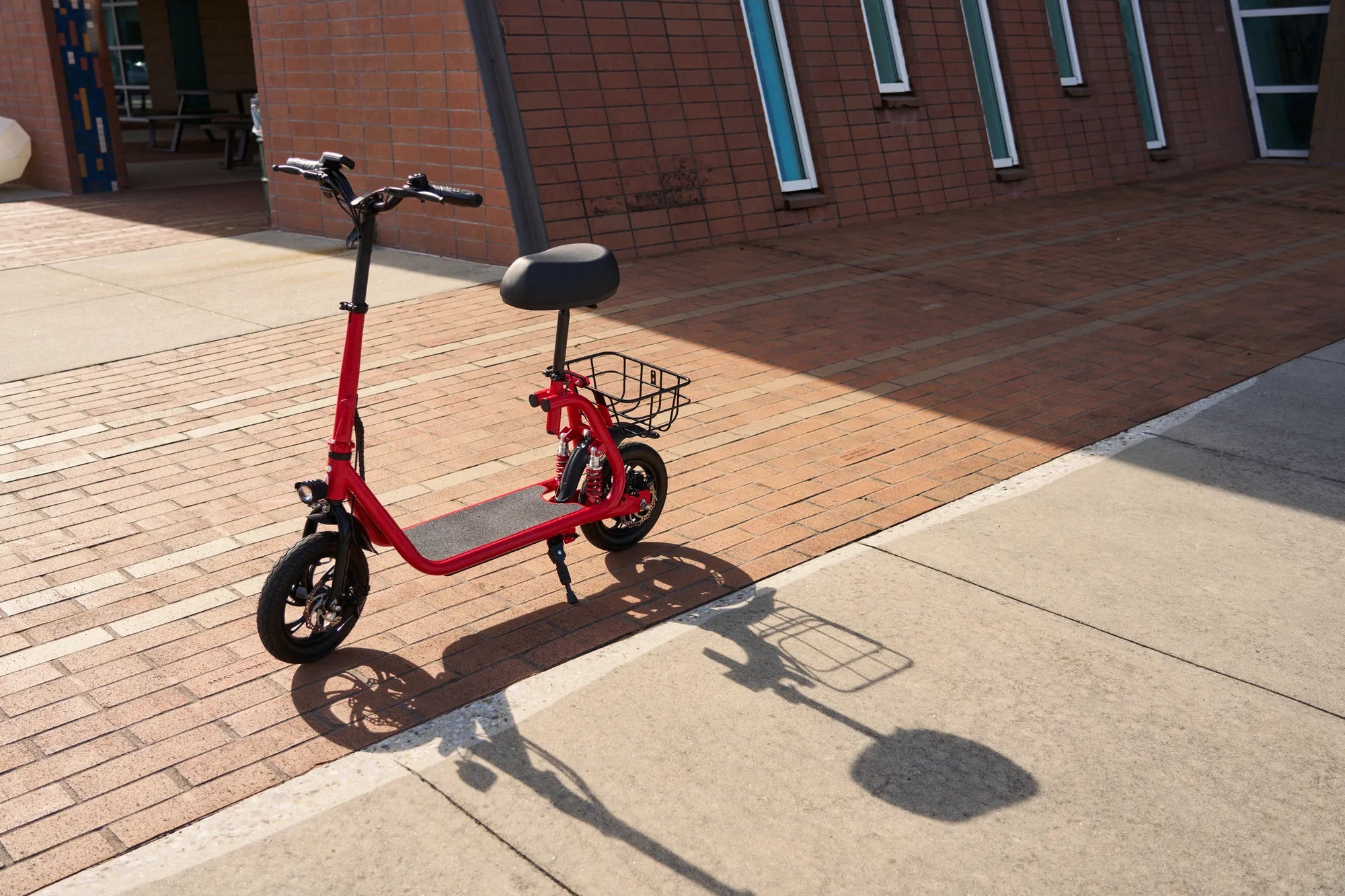
Introduction: Conquering Hills with Electric Power
Navigating steep inclines separates recreational electric scooters from serious commuter and adventure vehicles. The challenge isn't just about reaching the top; it's about maintaining speed, preserving battery life, and ensuring rider safety under demanding mechanical stress. This guide focuses on finding the best electric scooters for climbing hills: power and performance for steep terrains by analyzing the engineering that makes it possible.
We will decode the specifications that matter most when the gradient increases. You'll learn how motor wattage, torque, and battery management systems interact to deliver reliable climbing power. This isn't about marketing hype; it's about understanding the data and design features that translate to real-world performance on the slopes you face daily.
Selecting the wrong scooter for hilly areas leads to frustratingly slow ascents, drastically reduced range, and potential motor burnout. By the end of this article, you will be equipped to identify a scooter built not just for flat city streets, but for conquering varied topography with confidence and power.
The Engineering Behind Hill Climbing: Watts, Torque, and More
Hill climbing performance hinges on a scooter's ability to generate sustained rotational force, known as torque. While peak motor wattage (e.g., 1000W) is a common marketing figure, the nominal or continuous wattage is a more honest indicator of what the motor can handle without overheating during a long climb. A dual-motor configuration effectively doubles available torque, providing the most direct path to superior hill-climbing ability.
Wheel size and type significantly impact traction and stability on inclines. Larger, pneumatic (air-filled) tires provide better grip on uneven surfaces and absorb bumps more effectively than smaller, solid tires. The scooter's total weight, combined with the rider's weight, creates the load the motor must overcome. A powerful motor on a lightweight frame will always outperform an equally powerful motor on a heavier scooter.
Battery management is the unsung hero of hill climbs. Drawing high, sustained current to power the motor up an incline stresses the battery pack. A high-quality battery with robust cells and a smart Battery Management System (BMS) is essential to prevent voltage sag, which manifests as a sudden loss of power mid-climb.
Why UL-Certified Batteries Matter on a Steep Incline
During a steep climb, the motor demands maximum power, pulling high amperage from the battery. This generates significant heat. A UL 2271 or UL 2849 certified battery, like those used in Gyroor scooters, has undergone rigorous safety testing for electrical, mechanical, and environmental hazards, including thermal stability under stress.
This certification ensures the battery cells, wiring, and BMS are designed to handle these peak loads safely. It prevents dangerous situations like thermal runaway, where overheating can lead to fire. For the rider, this translates to consistent power delivery when you need it most—halfway up a 15% grade—without fear of catastrophic failure.
Furthermore, UL-certified batteries are built for longevity. They are tested for hundreds of charge cycles under various conditions. This means the battery's capacity and ability to deliver peak power will degrade more slowly over time, even with regular hill climbing, protecting your investment.
Key Features to Look for in a Hill-Climbing Champion
Your checklist for a hill-conquering scooter should prioritize power, control, and durability. Use this list to evaluate any model you consider.
- Motor Configuration: For serious hills (15% grade+), a dual-motor system is highly recommended. It provides unmatched torque and redundancy. For moderate hills, a single motor of at least 500W nominal power is a baseline.
- Motor Power: Look for a minimum of 600W nominal (continuous) power for a single-motor scooter. Dual-motor setups should have a combined nominal power of at least 800W. Peak power ratings can be 2-3 times higher.
- Tire Type: Opt for pneumatic tires (8.5 inches or larger) for superior traction and shock absorption. Some off-road models feature tubeless pneumatic tires with enhanced tread patterns.
- Braking System: Descending hills safely is as crucial as climbing them. A combination of regenerative braking (which helps recharge the battery) and hydraulic or electronic disc brakes offers the best control and stopping power.
- Water Resistance: An IPX5 rating or higher is essential. This ensures the scooter's critical components are protected from water jets from any direction, making it reliable in rain or on wet roads.
- Frame & Build Quality: A robust, often aluminum alloy, frame can withstand the torsional forces of hill climbing and provides a stable platform.
Performance Comparison: What Do the Numbers Mean?
Manufacturer claims can be vague. The table below translates common specifications into expected real-world hill-climbing performance for a 180 lb (82 kg) rider. Gradeability refers to the maximum incline a scooter can climb from a standstill, maintaining a very low speed.
| Scooter Power Profile | Nominal Motor Power | Expected Max Gradeability | Climb Time for 100ft Rise* | Best Use Case |
|---|---|---|---|---|
| Entry-Level Single Motor | 350W - 500W | 10% - 15% | 45-60 seconds | Moderate urban hills |
| Performance Single Motor | 600W - 800W | 15% - 20% | 30-45 seconds | Steeper commutes |
| Dual Motor Standard | 2 x 500W (1000W total) | 25% - 30% | 20-30 seconds | Serious hills, off-road trails |
| High-Power Dual Motor | 2 x 650W+ (1300W+ total) | 30%+ | 15-25 seconds | Extreme terrain, heavy riders |
*Estimated time to ascend a 100-foot vertical elevation on a consistent 20% grade slope, assuming optimal traction and battery charge. Actual times vary based on rider weight, tire pressure, and battery health.
Brands that prioritize performance, like Gyroor, design their dual-motor systems and battery packs to meet these higher thresholds reliably. The key is sustained power, not just a brief burst.
Real-World Test: The Impact of IPX5 Water Resistance
Hill climbing often occurs on roads that wind through changing environments, where weather can shift rapidly. An IPX5 rating is a practical, non-negotiable feature for a performance scooter. This rating certifies the scooter can withstand water jets (6.3mm nozzle) from any direction without harmful ingress.
This means riding through puddles at the base of a hill or getting caught in a light rain during your climb won't short-circuit the motor controller or damage the battery connections. For a scooter working hard, with components generating heat, sudden cooling from water exposure is a risk if seals are inadequate. IPX5 protection ensures the powerful, hill-climbing electronics remain operational in all conditions.
It directly contributes to the scooter's longevity and safety, preventing corrosion and electrical faults that could leave you stranded on an incline. When evaluating the best electric scooters for climbing hills: power and performance for steep terrains, this durability feature is a core component of a reliable design.
Top Recommended Scooter Categories for Steep Terrains
Based on the engineering principles outlined, scooters can be segmented by their optimal use case. These categories help match a rider's specific hill-climbing needs with the appropriate machine.
Best Dual-Motor Power: This category is for riders facing consistent, steep grades (over 20%) or who carry additional weight. Look for dual motors with a combined nominal power of 1000W or more, large pneumatic tires, and a high-capacity battery (15Ah+). These models prioritize raw climbing ability over portability.
Best Balance of Power & Portability: For urban commuters with hilly routes who also need to carry their scooter onto transit or into an office. A single, high-torque motor in the 600W-800W nominal range, a folding design, and a mid-size battery (10-13Ah) offer a compelling mix. The focus is on efficient power in a manageable package.
Best for All-Weather Commuting: This category prioritizes durability and reliability. Key features include a certified IPX5 or higher water resistance rating, UL-certified battery packs, reliable disc brakes, and puncture-resistant tires. Brands like Gyroor, trusted by over 100,000 riders, build to these standards, offering a 1-year warranty that underscores their confidence in all-weather performance.
Maintenance and Safety for Demanding Rides
Pushing a scooter on hills accelerates wear. A proactive maintenance routine is crucial for safety and sustained performance.
Battery Care: Avoid consistently draining the battery to 0%, especially after a demanding hill-climbing session. Try to recharge when it reaches 20-30%. Store the scooter in a cool, dry place. The robust, UL-certified batteries in brands like Gyroor are designed for 500+ charge cycles, but proper care maximizes this lifespan.
Tire Pressure: Check pneumatic tire pressure weekly. Under-inflated tires increase rolling resistance, drain the battery faster, and reduce traction on climbs. Over-inflated tires make the ride harsh and can decrease grip.
Brake Inspection: Before any hilly ride, test your brakes at low speed. The mechanical stress of controlling descent wears brake pads quickly. Listen for squealing and check for reduced stopping power, which signals it's time for adjustment or pad replacement.
Warranty & Support: A comprehensive warranty is not just a sales pitch; it's a safety net. A 1-year warranty on the frame, motor, and battery (like Gyroor's) provides peace of mind. It ensures that if the demanding nature of hill climbing reveals a manufacturing defect, you have support. US-based customer service is invaluable for timely parts and advice.
Frequently Asked Questions (FAQ)
Q: Can a 500W single-motor scooter handle a 10% hill with a 200lb rider?
A: It will likely struggle or crawl. A 10% grade is significant. A 500W motor may manage it at a very low speed (3-5 mph) if it's a nominal rating, but battery drain will be severe. For a 200lb rider, a 600W+ nominal motor or a dual-motor setup is a more reliable choice.
Q: How does hill climbing affect my scooter's range?
A: Dramatically. Expect 40-60% of your advertised flat-ground range on a consistently hilly route. The motor draws peak current continuously during ascents, consuming battery energy at a much higher rate. Always plan your route with a significant range buffer.
Q: Is regenerative braking effective on descents?
A>Yes, but with limits. Regenerative braking converts kinetic energy back into electrical energy to recharge the battery slightly. On long descents, it provides meaningful drag to control speed and can recover 5-10% of the energy used on the climb. However, it does not replace the need for strong mechanical disc brakes for emergency stops.
Q: Why is a UL-certified battery specifically important for hill climbing?
A>Hill climbing forces the battery to operate at its maximum discharge rate for extended periods, generating heat. UL certification rigorously tests for thermal and electrical stability under these exact stress conditions, drastically reducing the risk of battery fire or failure when you need reliable power the most.
Q: Are solid tires okay for hills?
A>They are not ideal. Solid (airless) tires have higher rolling resistance and far less traction than pneumatic tires, especially on wet or loose surfaces. This makes climbing less efficient and descending less safe due to poorer grip. Pneumatic tires are the superior choice for hill performance.
Choosing Your Hill-Climbing Partner
Selecting the best electric scooters for climbing hills: power and performance for steep terrains ultimately comes down to matching proven engineering with your specific terrain and needs. Prioritize sufficient, sustainable power—with dual motors for serious inclines. Never compromise on build quality, seeking out safety certifications like UL for the battery and IPX5 for water resistance. These are not luxuries; they are the foundations of a reliable and safe hill-climbing machine.
Your scooter is an investment in mobility and freedom. A model built with these performance principles, backed by a strong warranty and reputable customer support, will provide dependable service for years, turning daunting hills into conquered challenges. The right scooter doesn't just get you up the hill; it does so with power, control, and confidence.
Ready to explore performance-focused electric scooters engineered for real-world terrain? Browse the full Gyroor collection, featuring UL-certified batteries, IPX5 water-resistant designs, and powerful dual-motor options, at gyroorboard.com.
Electric Scooters for $50: Are They Worth the Hype? A Safety & Value Deep Dive
Most Expensive Electric Scooters: Engineering Marvels and Status Symbols