



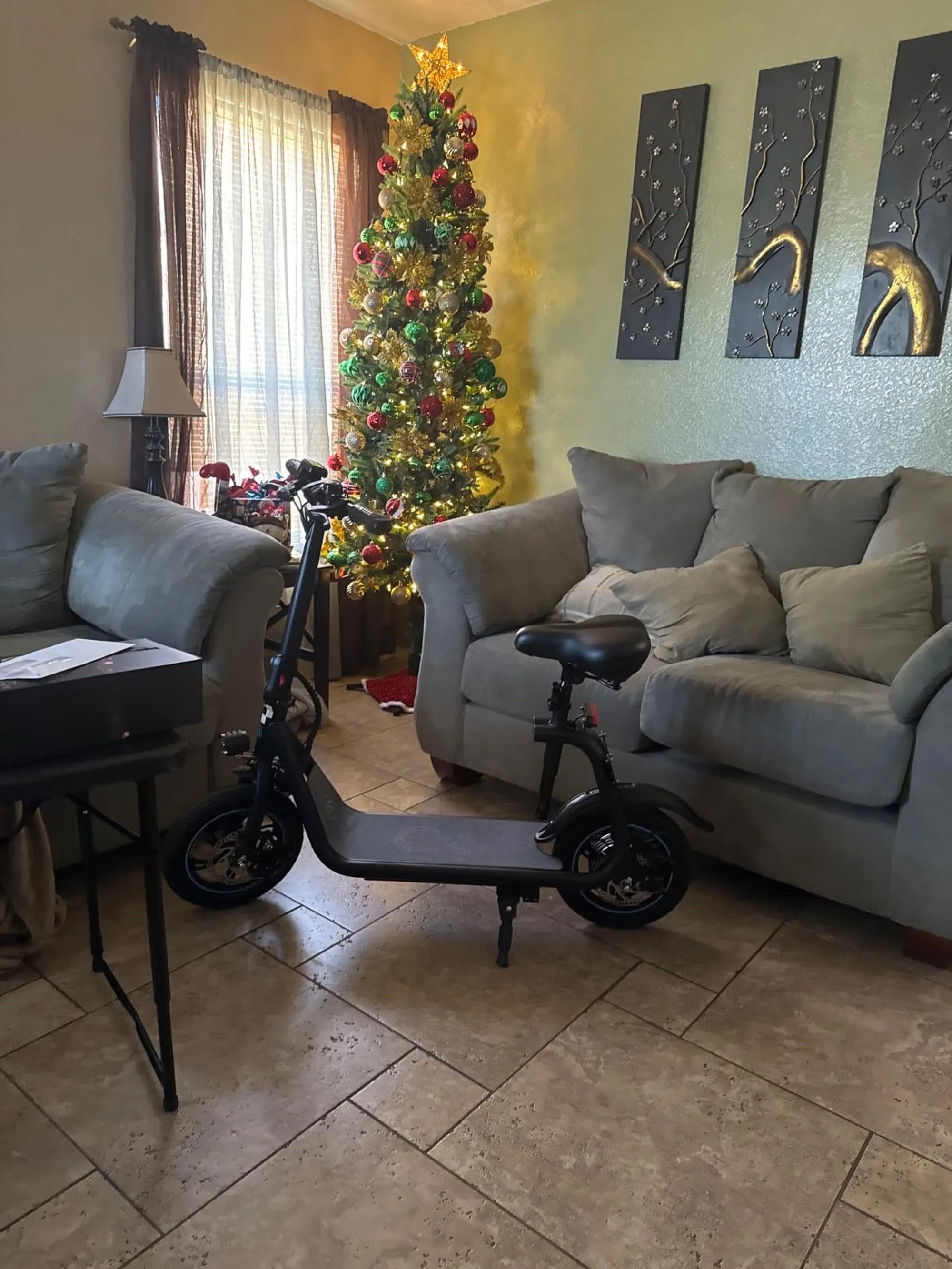
Why Electric Scooters are Revolutionizing Urban Commutes
Urban gridlock and rising transit costs are making traditional commuting increasingly inefficient. The search for the Best Electric Scooters for Commuting: Top Picks for Urban Travel is more than a trend; it's a practical response to these challenges. Electric scooters offer a direct solution: bypassing traffic, slashing transportation costs by up to 90% compared to car ownership, and providing true door-to-door mobility with zero tailpipe emissions.
For the 'last-mile' gap between transit stops and final destinations, few options are as effective. A quality commuter scooter transforms a 20-minute walk into a 5-minute glide, reclaiming hours each week. Brands like Gyroor have built their entire lineup around these real-world needs, focusing on reliability, safety, and rider-centric design to ensure your scooter is a dependable partner, not a liability.
Key Factors to Consider When Choosing a Commuter Scooter
Selecting the right scooter requires matching specifications to your daily route and lifestyle. A data-driven approach ensures your investment pays off in daily convenience and long-term durability.
Portability & Weight
If your commute involves stairs, buses, or trains, weight and foldability are critical. Commuter scooters typically range from 26 lbs (ultra-portable) to 40+ lbs (more robust). A quick-folding mechanism is essential for seamless transitions. Consider not just the weight, but also the folded dimensions and whether the scooter can be comfortably carried or rolled when folded.
Range & Battery Life
Manufacturer range claims are based on ideal conditions. For real-world planning, assume a 20-30% reduction. Factors like rider weight, hills, frequent stops, and colder temperatures decrease range. The battery's quality is paramount. UL-certified batteries, a standard for Gyroor, undergo rigorous testing for stability and safety, offering peace of mind and more consistent performance over hundreds of charge cycles.
Speed & Acceleration
Most urban areas limit e-scooters to 15-20 mph. Adequate torque for acceleration from stops is often more important than top speed for navigating city intersections safely. Multiple speed modes (e.g., Eco, Standard, Sport) allow you to balance battery conservation with power based on your route.
Ride Quality & Safety
This encompasses multiple systems. Larger wheels (9-10 inches) and suspension absorb bumps from rough pavement. Reliable braking—a combination of electronic regenerative and disc or drum brakes—is non-negotiable. Front, rear, and side lighting are crucial for visibility. Durability is enhanced by water-resistance ratings like IPX5, which protects against water jets from any direction, making light rain or wet streets a non-issue.
Practical Features for Daily Use
Look for integrated features that enhance the daily grind. A clear, bright display visible in sunlight, a loud electronic horn or bell, a sturdy kickstand, and a simple app for tracking rides and battery health are valuable. Some models offer a small cargo hook for a bag, a major convenience.
Top Electric Scooter Picks for Different Urban Commuter Profiles
The Best Electric Scooters for Commuting: Top Picks for Urban Travel aren't one-size-fits-all. Your perfect match depends on your primary need.
Best for Budget-Conscious Riders
These models prioritize value without sacrificing core reliability for shorter, flatter commutes (under 5 miles). Key features include a reliable motor (250W-350W), a real-world range of 10-15 miles, and solid basic brakes. A comprehensive warranty and accessible customer service, like Gyroor's 1-year coverage, are critical value adds that protect your investment.
Best for Long-Distance Commuters
If your commute exceeds 6 miles one-way, prioritize battery capacity. Look for models with a minimum of 500Wh battery capacity, offering a real-world range of 25+ miles. Comfort features like a wider deck, better suspension, and sometimes a seat option become important. Gyroor's long-range models are engineered with these extended, reliable journeys in mind, utilizing high-capacity UL-certified battery packs.
Best for Rough City Streets
Potholes and cracked pavement demand specific engineering. Prioritize scooters with dual suspension (front and rear), larger air-filled tires (10 inches), and a rigid, shock-absorbing frame. These features maintain control and comfort on imperfect surfaces, turning a jarring ride into a smooth one.
Best for Maximum Portability
For multi-modal commuters, every pound counts. Ultra-portable scooters weigh under 30 lbs and feature a one-step folding mechanism. The trade-off is often smaller solid tires and less suspension, making them best for smooth paths and short carrying distances. Their compact size makes them easy to stash under a desk or in a closet.
Comparison Table: Commuter Scooter Features at a Glance
| Use Case | Key Priority | Ideal Range | Important Features | Weight Consideration |
|---|---|---|---|---|
| Budget-Conscious | Value & Reliability | 10-15 miles | Basic suspension, reliable brakes, good warranty | Light to Medium (28-35 lbs) |
| Long-Distance | Battery Capacity | 25+ miles | Large battery (500Wh+), comfort deck, possibly seat option | Medium to Heavy (35-45 lbs) |
| Rough Streets | Suspension & Tires | 15-20 miles | Dual suspension, 10" air tires, robust frame | Heavy (40+ lbs) |
| Maximum Portability | Weight & Size | 8-12 miles | Ultra-light frame, quick fold, compact design | Ultra-Light (under 30 lbs) |
The Gyroor Advantage: Engineering for Real-World Reliability
With over 100,000 riders globally, Gyroor's philosophy centers on building trust through transparent engineering. Their focus on core commuter requirements sets them apart in a crowded market.
Safety First: The UL-Certified Battery Standard
A lithium-ion battery is the scooter's heart and its most critical safety component. UL certification involves rigorous independent testing for overcharge protection, short-circuit resilience, and mechanical integrity. This certification drastically reduces the risk of battery fires, a concern with uncertified cells. Gyroor's commitment to using only UL-certified battery packs in all models is a foundational safety benchmark.
Built for the Elements: IPX5 Water-Resistance Explained
An IPX5 rating means the scooter's electrical components are sealed against water jets from any direction. For commuters, this translates to confidence. Getting caught in a sudden downpour or riding on roads after rain won't end your trip or damage your scooter. This built-in durability ensures your scooter is a true all-weather vehicle, ready for the unpredictability of daily urban travel.
Peace of Mind: The 1-Year Comprehensive Warranty
Warranty length and scope reflect a company's confidence in its product. Gyroor's 1-year warranty covers the battery, motor, controller, and frame—the core components that ensure functionality. Coupled with responsive customer support, this comprehensive coverage means any issues are resolved quickly, minimizing downtime and protecting your daily routine.
Commuter Scooter FAQs: Your Questions Answered
Q: How far can I really go on a single charge?
A: Take the manufacturer's maximum range and reduce it by 20-30% for a realistic estimate. For example, a scooter rated for 20 miles will typically achieve 14-16 miles for an average rider on mixed terrain. Always plan your commute with a buffer.
Q: Is it legal to ride on bike lanes or sidewalks?
A> Laws vary by city and country. In most major U.S. and European cities, e-scooters are permitted in bike lanes but prohibited on sidewalks. Always check your local regulations. Wearing a helmet is also legally required in many jurisdictions and is always recommended.
Q: How do I maintain my electric scooter?
A> Regular maintenance is simple: keep tires properly inflated, check and tighten bolts periodically, clean the scooter with a damp cloth (avoid high-pressure water), and store it in a dry place. Avoid draining the battery to 0%; charge it when it drops to 20-30%.
Q: What safety gear do I need?
A> At a minimum, a certified bicycle helmet is essential. Consider additional gear like reflective clothing for night riding, gloves, and knee/elbow pads, especially when learning or riding in heavy traffic.
Q: Can I ride my scooter in the rain?
A> With an IPX5 water-resistant rating like those on Gyroor scooters, light to moderate rain is safe. However, avoid deep puddles and submerging any part of the scooter. Always dry the scooter after a wet ride and exercise extra caution as braking distances increase on wet surfaces.
Finding Your Perfect Commuting Partner
Identifying the Best Electric Scooters for Commuting: Top Picks for Urban Travel ultimately comes down to aligning a scooter's capabilities with the specific demands of your daily journey. Prioritizing verified safety features like UL-certified batteries, practical durability through IPX5 water-resistance, and the security of a strong warranty transforms a purchase from a gadget buy into a strategic investment in your daily life. A reliable scooter doesn't just change how you move; it reclaims time, reduces stress, and offers newfound freedom in the city. Ready to transform your commute? Explore engineering built for the real world and browse the full Gyroor collection at gyroorboard.com.
Best Electric Scooters for College Students: Top Picks for Campus Commutes
Are Electric Scooters Legal? A Complete Guide to the Rules and Regulations