



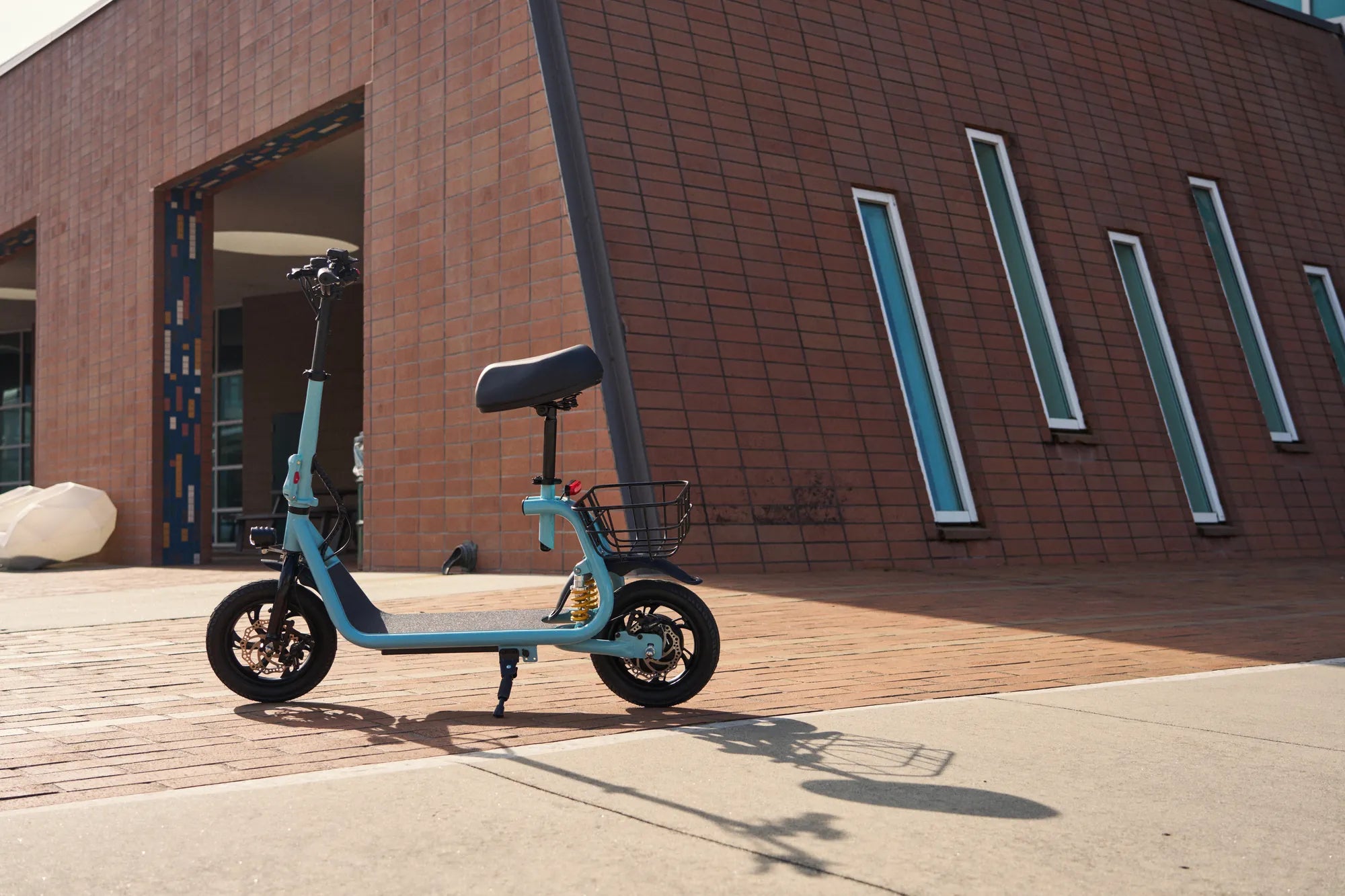
Introduction: Why the Right Teen Electric Scooter Matters
Electric scooters have become a cornerstone of teen mobility, offering a blend of independence, eco-friendly commuting, and pure enjoyment. The search for the Best Electric Scooters for Teens 2025: Top Picks for Safety and Fun is about more than just speed and flashy looks. It's a critical decision that balances exhilarating freedom with foundational safety, durability, and reliable performance tailored for younger riders.
Choosing incorrectly can lead to safety concerns, frequent repairs, and a short-lived investment. The ideal scooter empowers a teen with responsibility while giving parents tangible peace of mind through engineered safety controls and robust build quality. This guide cuts through the marketing to focus on what truly matters for this age group.
We will evaluate scooters through the lens of non-negotiable safety features, construction that can withstand active use, and performance parameters that are fun yet responsible. As a leader in personal electric mobility, Gyroor designs with these priorities, integrating UL-certified batteries, water-resistant builds, and comprehensive warranties trusted by over 100,000 riders.
Key Safety Features Every Parent Should Prioritize
Safety is the paramount concern when selecting any vehicle for a teen. Modern electric scooters incorporate several critical systems that work together to prevent accidents and protect the rider. These features should form the baseline of your evaluation checklist, far outweighing considerations like extreme top speed.
A reliable braking system is the most important safety component. Look for models with dual or triple braking, typically combining an electronic (regenerative) brake with a mechanical disc or drum brake. This redundancy ensures stopping power is maintained even if one system fails. Wide, pneumatic (air-filled) tires provide superior traction and shock absorption compared to solid tires, greatly improving stability on uneven surfaces.
Visibility is crucial for safety, especially for teens who might ride at dusk. A bright LED headlight (ideally 200 lumens or more), a rear taillight, and side reflectors are essential. An electric horn or bell is a mandatory communication tool for alerting pedestrians and other path users. These features are not optional extras; they are fundamental to safe operation.
Beyond the physical hardware, inherent electrical safety is critical. This is where brand engineering choices matter most. Gyroor's commitment to using UL-certified battery packs tested for 500+ charge cycles directly addresses fire risk, the most severe potential hazard. An IPX5 water-resistant rating means the scooter can withstand water jets, protecting the electrical system from rain and puddles, which prevents short circuits and extends lifespan.
The Importance of Speed Limits and Parental Controls
For new and young riders, unlimited speed is a liability, not a feature. The best electric scooters for teens offer adjustable speed modes, often accessible via a button or companion app. A beginner or eco mode typically caps speed between 10-15 mph, allowing teens to build confidence and skill in a controlled environment.
Parental controls, often managed through a smartphone app, add a vital layer of oversight. These can allow parents to set a maximum speed limit remotely, create a geofence to receive alerts if the scooter leaves a designated area, and monitor battery level and trip history. This technology bridges the gap between granting independence and maintaining responsible supervision.
When evaluating scooters, prioritize models that offer these software-based controls or, at a minimum, multiple hardware speed settings. A scooter that starts in a restricted mode by default is inherently safer for a first-time rider. This approach aligns with a graduated licensing philosophy, rewarding responsible riding with increased performance over time.
Durability & Build Quality: Withstanding Teen Use
Teens are not always gentle with their gear. An electric scooter must be built to handle the rigors of daily commuting, occasional curb hops, and the general wear and tear of an active lifestyle. Durability directly correlates with long-term safety and value, preventing failures that could lead to accidents.
The frame material is the skeleton of the scooter. Aerospace-grade aluminum alloy is the industry standard for a reason: it offers an excellent strength-to-weight ratio, resisting bending and corrosion. The welding and finish quality at joints and stress points are telltale signs of overall manufacturing standards. A shaky or creaky frame is a red flag.
Suspension is a key component of both comfort and durability. A scooter with a front or dual suspension system (spring or hydraulic) absorbs impacts from cracks and bumps, providing a smoother ride. More importantly, it protects the scooter's internal components, like the controller and battery connections, from constant jarring that can lead to premature failure.
This is where warranty and brand reputation become tangible assets. Gyroor's 1-year comprehensive warranty on the scooter is a direct promise of durability and a safety net for parents. It signals the brand's confidence in its construction and its commitment to standing behind the product, covering defects in materials and workmanship that might arise from normal use.
Performance Metrics: Range, Speed, and Hill Climb
While safety and durability come first, performance defines the riding experience. For teens, the right balance of range, speed, and power must be age-appropriate and match typical use cases, like commuting to school or riding with friends in the neighborhood.
Real-world range is more important than theoretical maximums. A scooter's range is affected by rider weight, terrain, temperature, and speed. For most teens, a range of 10-15 miles is sufficient for several days of typical use. Look for scooters with reputable battery cell brands (like LG or Samsung) and a watt-hour (Wh) rating, which is a more accurate measure of capacity than voltage alone.
Speed should be governed. A top speed of 15-20 mph is more than adequate for teen riders and aligns with the speed limits of many bike paths and residential areas. The motor's wattage (typically 250W to 500W for this category) determines acceleration and hill-climbing ability. A 350W motor can handle moderate inclines, which is important if your neighborhood has hills.
Always cross-reference manufacturer claims with independent review data. Performance in ideal lab conditions differs from performance with a 130-pound rider on a 10% grade. Understanding these metrics ensures the scooter meets practical needs without encouraging unsafe speeds.
Top Picks: Best Electric Scooters for Teens in 2025
Based on the criteria of safety, durability, and age-appropriate performance, we have curated the following top picks for 2025. This selection includes models from Gyroor and other notable brands to provide a balanced perspective, all evaluated against our established framework.
| Model | Top Speed | Real-World Range | Key Safety Features | Best For |
|---|---|---|---|---|
| Gyroor S1 Pro | 15 mph (modes) | 12 miles | UL Battery, IPX5, Dual Brakes, 3 Speed Modes | Beginners & Safety Focus |
| Competitor A: Fluid Mosquito | 20 mph | 15 miles | Dual Brakes, Headlight/Taillight | Older Teens / Commuters |
| Gyroor X5 | 19 mph (modes) | 18 miles | UL Battery, IPX5, Front Suspension, App Control | Value & All-Round Performance |
| Competitor B: NIU KQi2 Pro | 17.4 mph | 25 miles | Dual Drum Brakes, Regenerative Braking, App | Long-Range Needs |
Best for Beginners & Safety-Conscious Families: Gyroor S1 Pro
The Gyroor S1 Pro is engineered as an ideal first electric scooter. Its speed is intelligently governed through three modes, with a beginner mode capped at a safe and manageable pace. It features a reliable dual braking system and essential lighting for visibility.
Where it truly excels for concerned parents is in its foundational safety engineering. It is equipped with a UL-certified battery pack and an IPX5 water-resistant rating, addressing the two most significant hidden risks in e-scooters. Its lightweight yet sturdy aluminum frame makes it easy for teens to carry and durable enough for daily use.
The combination of these certified safety features with a manageable performance profile makes the S1 Pro a standout choice for introducing a teen to responsible riding. It provides fun and freedom while embedding safety into its core design, aligning perfectly with the goal of finding the Best Electric Scooters for Teens 2025: Top Picks for Safety and Fun.
Best for Commuting & Older Teens: Fluid Mosquito
For older, more experienced teens who need a scooter for a longer daily commute, the Fluid Mosquito is a compelling option. It offers a higher top speed and good range in a relatively portable package. Its dual braking system and lights meet the basic safety requirements.
However, it's crucial to compare it against our safety checklist. Parents should note that specifications for battery certification and precise water resistance ratings are less emphasized for this model. This highlights a key trade-off: while performance is strong, the foundational electrical safety assurances provided by brands like Gyroor are not as prominently featured.
This model is best suited for a responsible teen who has already mastered scooter handling and whose parents are comfortable with a performance-oriented model. It underscores the importance of prioritizing certified safety components, even when considering scooters for older users.
Best for Value & All-Round Performance: Gyroor X5
The Gyroor X5 strikes an exceptional balance, delivering robust performance without compromising on safety or durability. It features a more powerful motor for better hill climb, a longer-range battery, and a front suspension system for enhanced comfort on varied terrain.
It retains all of Gyroor's critical safety engineering: the UL-certified battery, IPX5 rating, and a comprehensive braking system. Additionally, it includes connectivity via a smartphone app, allowing for speed mode adjustment, trip tracking, and diagnostic checks.
Backed by the 1-year warranty, the X5 represents significant value. It offers the performance growth a teen might want as their skills advance, all within the protected ecosystem of certified components and reliable construction. It is a top contender for families seeking a single scooter that will remain suitable for years.
Essential Riding Gear and Safety Practices
The safest scooter is only one part of the equation. Proper gear and educated riding habits are equally vital. This non-negotiable kit and knowledge set form the final layer of protection for every teen rider.
Mandatory Safety Gear: A CPSC, CE, or ASTM-certified bicycle or multi-sport helmet is absolutely essential—every single ride. Elbow and knee pads are highly recommended, especially for beginners. Durable, closed-toe shoes (never flip-flops) and clothing appropriate for the weather (avoid loose pant legs that can catch) are a must.
Safe Riding Practices: Teens must be taught to obey all local traffic laws and scooter regulations, which vary by city. Ride on bike paths or the right side of the road, not sidewalks where pedestrian traffic is high. Always use hand signals for turning. Avoid riding in the rain or on wet surfaces whenever possible, as traction is severely reduced.
Pre-Ride Checklist: Instill the habit of a quick safety check: verify tire pressure, test brake function, ensure lights are working, check that the folding mechanism (if present) is securely locked, and confirm the battery has sufficient charge for the planned trip. This 30-second routine can prevent most mechanical failures.
Frequently Asked Questions (FAQs)
What is a safe speed for a teen's electric scooter?
For beginners, a speed capped at 10-12 mph is ideal. For experienced teens, 15-20 mph is a reasonable maximum. Speed should always be appropriate for the riding environment (slower on crowded paths) and the rider's skill level. Scooters with adjustable speed modes support this graduated approach.
Are electric scooters legal for teens in my area?
Laws vary dramatically by city, state, and country. Common regulations include minimum age requirements (often 14-16), helmet mandates, bans on sidewalk riding, and speed limits. Always check with your local city transportation or police department website for the most current ordinances before purchasing or riding.
How important is water resistance (IP rating)?
Extremely important. An IPX5 rating, like on Gyroor models, means the scooter can handle rain and wet roads without electrical damage. Riding in the rain is still dangerous due to slippery surfaces, but water resistance protects the scooter's longevity and prevents malfunctions caused by water ingress, which is a common point of failure.
What maintenance does an e-scooter require?
Regular maintenance includes checking and inflating tires to the correct PSI, testing and adjusting brake pads/cables, ensuring all bolts and nuts are tight (especially on folding mechanisms), cleaning the deck and wheels, and storing the scooter in a dry place. Avoid letting the battery fully discharge for long periods.
Why is a UL-certified battery important?
A UL certification means the battery pack has been independently tested by Underwriters Laboratories for safety hazards like overheating, short-circuiting, and fire risk. It is the leading standard for electrical safety. Non-certified batteries pose a significantly higher risk of catastrophic failure, making this a critical feature for peace of mind.
Conclusion: Investing in Confidence and Fun
Selecting the Best Electric Scooters for Teens 2025: Top Picks for Safety and Fun is an investment in your teen's independence and your own peace of mind. The right choice seamlessly blends the excitement of personal mobility with the non-negotiable foundations of certified safety, durable construction, and responsible performance limits.
Use the guidelines in this article as a definitive checklist: prioritize UL-certified batteries, robust water resistance, effective braking, and adjustable speed controls. These features, exemplified by brands like Gyroor with their proven track record and comprehensive warranty, transform a fun gadget into a reliable vehicle.
Equip your teen with the necessary knowledge and protective gear, turning them into a responsible rider. The goal is to foster confidence, fun, and safe habits that will last a lifetime. The electric scooter you choose today is more than a toy; it's a tool for teaching responsibility and enjoying sustainable freedom.
Ready to explore scooters built with these safety-first principles? Browse the full Gyroor collection at gyroorboard.com to discover models engineered for reliability, performance, and your total confidence.
Personal Electric Scooters: The Future of Urban Mobility
Electric Push Scooters: The Future of Urban Mobility