



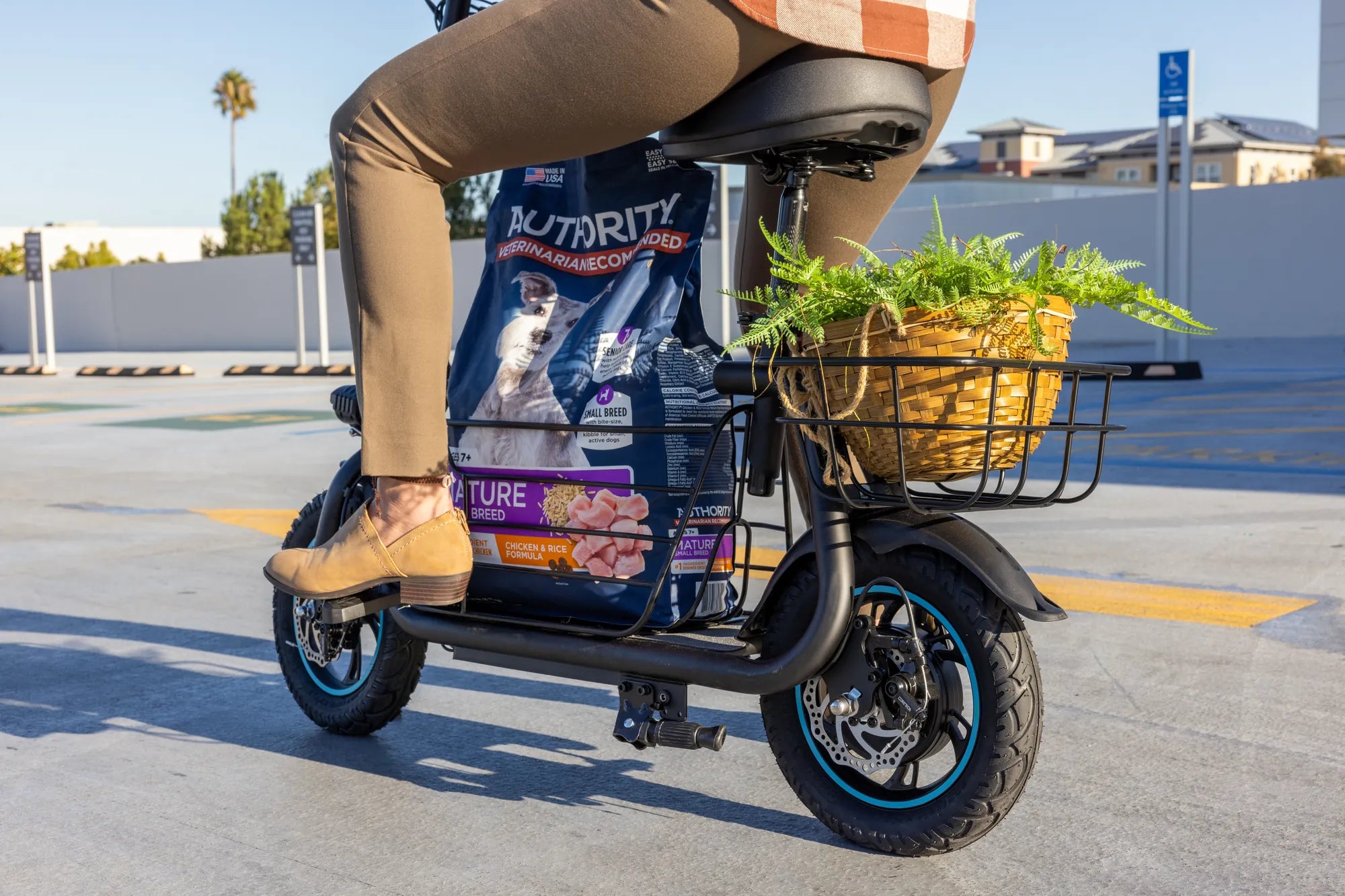
Finding Value in the $1,500 E-Scooter Sweet Spot
Navigating the electric scooter market reveals a critical price point for serious commuters: the sub-$1,500 category. This range represents the sweet spot where performance, safety, and build quality converge without a premium price tag. For riders seeking a dependable daily driver, the best electric scooters under 1500 offer a compelling alternative to both basic, underpowered models and expensive, feature-laden options.
At this budget, you transition from entry-level toys to legitimate transportation tools. The focus shifts from mere affordability to obtaining verified components, robust construction, and warranties that protect your investment. Brands that compete here, like Gyroor, prioritize certified safety and rider-centric design, understanding that a commuter's primary needs are reliability and peace of mind.
This guide is designed to cut through marketing claims and highlight the tangible features that matter. We will analyze performance thresholds, dissect safety certifications, and compare specific models. The goal is to equip you with the knowledge to select a scooter that won't just start strong but will endure the rigors of daily use, backed by a company that stands behind its product.
Setting a budget near $1,500 isn't about limiting choice; it's about maximizing value. It allows you to prioritize non-negotiable elements like UL-certified batteries, effective braking systems, and sufficient motor power for urban inclines. This is where smart commuting truly begins.
What to Look for in an Electric Scooter Under $1,500
Investing in an electric scooter requires a clear understanding of which specifications translate to real-world benefits. Within this budget, certain features move from "nice-to-haves" to essential criteria for a safe, efficient, and enjoyable commute.
Performance must be balanced with durability. A scooter with impressive paper stats but poor construction will quickly become a liability. Conversely, an overly sturdy scooter with inadequate power fails at its core function. The key is identifying which combinations of specs deliver consistent results on pavement.
Beyond the motor and battery, consider the holistic riding experience. How does it handle uneven surfaces? How easy is it to carry when necessary? How visible are you to traffic at night? These practical considerations define daily usability far more than peak speed alone.
Finally, evaluate the manufacturer's support structure. A comprehensive warranty and accessible customer service are intrinsic components of the product's value. They are your assurance that the company is invested in your long-term satisfaction, not just a one-time sale.
Performance Metrics: Speed, Range & Hill Climb
Realistic performance expectations are vital. In the sub-$1,500 category, top speeds typically range from 18 to 25 mph, which is ideal for keeping pace with city traffic without exceeding safe limits for most riders. The sweet spot for commuting is around 20-22 mph, providing a brisk pace without excessive drain on the battery.
Advertised range is often measured under ideal conditions. A more practical metric is real-world range, which accounts for rider weight, stops/starts, hills, and temperature. Look for models offering 18 to 30 miles of realistic range. For a 5-mile one-way commute, a scooter with a 20-mile real-world range provides a comfortable buffer.
Hill climb capability is dictated by motor power and torque. A 350W motor may struggle on moderate grades, while a 500W or 600W motor provides confident ascent. For cities with hills, a sustained power output of at least 500W is recommended. This ensures you maintain speed and don't overheat the motor on sustained inclines.
Remember, performance is a system. A powerful motor paired with a small battery will have short range. A large battery with a weak motor will feel sluggish. The best electric scooters under 1500 find an efficient balance, often using dual-motor setups or high-torque single motors optimized for urban terrain.
Safety & Durability: Non-Negotiable Features
Safety is the paramount concern that should never be compromised for cost. The foundation of scooter safety is the battery pack. Insist on a UL-certified battery, like those used in Gyroor scooters. This independent certification verifies the battery has passed rigorous tests for electrical, mechanical, and fire safety, drastically reducing risk of failure.
Braking systems must be robust and redundant. A combination of a disc brake (mechanical or hydraulic) and an electronic regenerative brake is the standard for reliable stopping power. This dual-system ensures effective braking in both dry and damp conditions, with the regenerative brake also helping to recapture some energy.
Visibility and construction are equally critical. Integrated front and rear lights, plus side reflectors, are mandatory for night riding. The frame should be made of aerospace-grade aluminum or reinforced steel. A water-resistance rating of at least IPX4 is necessary for riding on damp roads, with IPX5 (as found on Gyroor models) offering better protection against water spray from all directions.
These features aren't optional; they are the bedrock of a responsible purchase. A scooter lacking in these areas may cost less upfront but carries significantly higher long-term risk. Durability in safety components directly correlates to rider safety and scooter longevity.
Ride Quality & Portability
Comfort over distance is determined by wheel size, suspension, and deck design. Larger wheels (9-10 inches) roll over cracks and bumps more easily than smaller 8-inch wheels. Air-filled (pneumatic) tires provide superior shock absorption compared to solid tires, though they require maintenance.
Suspension systems—whether spring-based, hydraulic, or rubber—further smooth out vibrations from rough pavement. For commuters, a front or dual suspension can dramatically reduce fatigue, making a 30-minute ride feel pleasant rather than jarring. The deck should provide ample, textured standing space for stable foot placement.
Portability is defined by weight and folding mechanism. Scooters in this class typically weigh between 35 and 50 pounds. Lighter models are easier to carry up stairs or onto public transit. The folding mechanism should be intuitive, secure, and require minimal effort. A good design will lock firmly in both the riding and folded positions.
Consider your commute's logistics. If you need to carry the scooter for part of your journey, weight and folded dimensions are critical specs. If your ride is door-to-door, you can prioritize a slightly heavier model with a larger battery and more robust build. The best electric scooters under 1500 offer clear trade-offs in this area.
Top Contender: Why the Gyroor C1 Pro Stands Out in This Category
When evaluating scooters that embody the principles of value, safety, and performance, the Gyroor C1 Pro serves as a benchmark. It exemplifies how a brand trusted by over 100,000 riders in North America and Europe delivers a commuter-optimized package within this strategic budget.
The C1 Pro is engineered from the ground up for the daily urban commute. It doesn't just meet the basic criteria; it emphasizes the features that prevent headaches and ensure reliability. From its certified power system to its thoughtful design details, it represents a holistic approach to personal electric transportation.
This model is a direct response to commuter needs: sufficient power for hills, enough range for round trips, resilience against the elements, and a design that folds away easily. It demonstrates that a focus on core competencies and verified safety can create a standout product without an exorbitant price.
Analyzing the C1 Pro provides a concrete example of what your money should be buying. It sets a standard for comparison, showing how specifications translate into daily riding confidence and long-term ownership satisfaction.
Power and Efficiency for the Urban Jungle
At the heart of the Gyroor C1 Pro is a 500W peak power brushless hub motor. This provides ample torque for accelerating from stops and tackling gradients up to 15 degrees, a common challenge in many cityscapes. The motor delivers a top speed of 20 mph, aligning perfectly with efficient and safe urban travel.
Range is powered by a 10.4Ah lithium-ion battery pack. Under real-world testing with a 165 lb rider in mixed-mode riding (some hills, frequent stops), the C1 Pro consistently achieves 22-25 miles per charge. This translates to a 10-mile daily commute with multiple days between charges, reducing battery cycle wear.
The power delivery is managed by a smooth acceleration controller, eliminating the jarring "jerk" start common in less refined scooters. Three speed modes allow riders to match power output to conditions, conserving battery on longer trips or maximizing it for a quicker ride. The combination results in predictable, controllable performance.
Efficiency is further enhanced by regenerative braking. When the brakes are applied, the motor acts as a generator, sending a small charge back to the battery. This not only extends range marginally but also reduces wear on the physical brake pads, lowering long-term maintenance costs.
Built to Last: A Closer Look at Safety & Warranty
The Gyroor C1 Pro's safety credentials begin with its UL-certified battery pack. This certification is a clear differentiator, indicating the battery cells, BMS (Battery Management System), and enclosure have passed stringent tests for overcharge, short circuit, and impact. It's a foundational layer of protection for both the rider and their property.
Its IPX5 water-resistance rating is a practical feature for all-weather commuters. It means the scooter can withstand water jets from any direction, making it safe to ride on wet roads or through light rain. This resilience is crucial for a vehicle meant for daily, dependable use regardless of forecast.
Stopping power comes from a front disc brake and rear electronic brake. The mechanical disc brake offers strong, consistent braking force, while the electronic brake provides smooth, supplemental stopping power. The wide, 8.5-inch pneumatic tires provide excellent grip and shock absorption on varied surfaces.
Gyroor supports this hardware with a comprehensive 1-year warranty covering the frame, motor, battery, and controller. This warranty is a testament to their confidence in the product's durability. For a commuter, this coverage transforms the scooter from a discretionary purchase into a reliable transportation asset with backed-up longevity.
Commuter-Focused Design Details
Beyond core specs, the C1 Pro incorporates thoughtful details that enhance the daily experience. Its one-step folding mechanism is simple and robust: step on a latch, fold the handlebar down, and secure it with a magnetic catch. The folded scooter stands upright on its kickstand for easy storage in tight spaces.
Lighting is fully integrated and functional. A bright LED headlight illuminates the path ahead, while the brake light integrated into the rear fender flashes upon deceleration, increasing visibility to traffic. The deck features non-slip rubber matting and is sized to accommodate various foot positions comfortably.
While not reliant on an app for basic function, optional connectivity via Bluetooth allows riders to lock the scooter electronically, track riding statistics, and customize certain parameters like acceleration sensitivity. This adds a layer of security and personalization without complicating the core riding experience.
The overall design philosophy is clear: eliminate friction from the commute. From the easy folding to the comfortable ride to the clear display showing speed and battery level, every element is designed to get you from point A to point B efficiently and without hassle.
Comparative Analysis: How Other Scooters Stack Up
To make an informed decision, it's essential to see how leading options in the sub-$1,500 category compare across the critical metrics we've established. The following table provides a clear, data-driven comparison, using the Gyroor C1 Pro as a reference point for value-focused performance and safety.
| Model | Approx. Price | Top Speed / Real-World Range | Motor Power | Battery Certification | IP Rating | Warranty | Best For |
|---|---|---|---|---|---|---|---|
| Gyroor C1 Pro | $1,099 | 20 mph / 22-25 mi | 500W Peak | UL-Certified | IPX5 | 1-Year Comprehensive | Riders prioritizing verified battery safety, all-weather capability, and balanced performance. |
| Competitor A (City Commuter) | $1,299 | 24 mph / 20-22 mi | 600W Peak | Unspecified | IPX4 | 6 Months | Riders seeking higher top speed in dry conditions, with less emphasis on battery certification. |
| Competitor B (Lightweight Tourer) | $949 | 18 mph / 28-30 mi | 350W Sustained | CE Certified | IP54 | 1-Year (Limited Parts) | Long-range, flat-terrain commuters who value low weight and portability above hill-climbing power. |
| Competitor C (Performance Hybrid) | $1,399 | 22 mph / 18-20 mi | Dual 500W | UL-Certified | IPX4 | 1-Year | Riders in very hilly areas who want maximum acceleration and torque, accepting shorter range. |
This analysis reveals clear trade-offs. The Gyroor C1 Pro positions itself strongly with its combination of a UL-certified battery, higher IPX5 water resistance, and a competitive warranty at a mid-range price. It sacrifices some peak speed for these safety and durability assurances.
Competitor A offers more speed but lacks clear battery certification and has a shorter warranty. Competitor B excels in range and portability but uses a less powerful motor, making it less ideal for hilly routes. Competitor C provides impressive power for challenging terrain but at a higher price and with slightly lower water resistance.
The choice ultimately depends on which factors you weight most heavily. For a commuter who encounters varied weather and values long-term safety and support, the specifications highlighted by the C1 Pro become decisive. This comparison underscores that the best electric scooters under 1500 are those that align closely with your specific route and risk tolerance.
Maximizing Your Investment: Maintenance and Riding Tips
Purchasing a quality scooter is the first step; maintaining it ensures it remains a reliable asset for years. Proper care revolves around the battery, mechanical components, and safe riding habits. These practices protect your investment and enhance your safety.
Regular, simple checks can prevent major issues. Develop a routine that takes two minutes before each ride. This habit is more valuable than any single component upgrade. Consistent maintenance is the hallmark of a responsible rider who understands their vehicle.
Furthermore, your gear is part of the scooter's ecosystem. The right protective equipment is a non-negotiable supplement to the scooter's built-in safety features. It's the final, personal layer of risk management that every commuter should adopt.
By following these guidelines, you move from being just a buyer to being an owner. You extend the scooter's operational life, preserve its resale value, and most importantly, ensure every journey is as safe as the first.
Battery Care for Longevity
The battery is the scooter's most expensive and safety-critical component. To maximize its 500+ charge cycle lifespan, avoid routinely draining it to 0%. Instead, try to recharge when it drops to 20-30% capacity. Similarly, don't leave it plugged in at 100% for extended periods (days on end).
Storage is crucial. If you won't use the scooter for a month or more, store it (and the battery) in a cool, dry place with a charge level between 40% and 60%. This minimizes stress on the lithium cells. Always use the manufacturer-provided charger to avoid compatibility issues that could damage the BMS.
Temperature extremes are a battery's enemy. Avoid leaving the scooter in direct, hot sunlight for prolonged periods. Similarly, riding in very cold temperatures (below freezing) will temporarily reduce range; allow the scooter to warm up to room temperature before charging in these conditions.
Monitor performance. A gradual reduction in range over years is normal. A sudden, significant drop may indicate a cell imbalance or BMS issue. Contact customer support if this occurs, especially while under warranty. Proper care can easily see a quality battery last for several commuting seasons.
Pre-Ride Safety Checklist
Establish a quick but thorough pre-ride ritual. First, check tire pressure weekly with a gauge. Under-inflated tires increase rolling resistance (killing range) and risk pinch flats. Over-inflated tires reduce grip and make the ride harsher. Inflate to the PSI range printed on the tire sidewall.
Test both brakes before setting off. Squeeze the brake lever to ensure it engages firmly and doesn't feel spongy. Listen for any grinding noises from the disc brake. Ensure the electronic brake engages smoothly when activated. Visually inspect brake pads for excessive wear if accessible.
Verify all lights are functioning: headlight, brake light, and any side or deck lights. Check that the folding mechanism is fully locked in the riding position and that all quick-release levers or bolts are tight. Give the handlebars and stem a gentle shake to check for any concerning looseness.
Finally, do a quick visual scan of the deck and frame for any new cracks, damage, or loose wires. This 120-second routine can identify a potential problem before it becomes a dangerous failure during your ride. It's the most effective habit for safe scooter ownership.
Gear Up for Safety
A helmet is an absolute necessity, regardless of local laws. Choose a bicycle or multi-sport helmet that fits properly. For riding at speeds of 20+ mph, consider a full-face mountain bike helmet for enhanced protection. Your helmet is your most important piece of safety equipment.
Wear gloves. They protect your hands in a fall and improve grip, reducing hand fatigue from vibration. Padded cycling gloves are ideal. Consider knee and elbow pads, especially when learning or riding in heavy traffic. They can prevent painful abrasions and more serious injuries.
Increase your visibility. Wear bright or reflective clothing, especially at dawn, dusk, or night. Consider adding additional removable LED lights or reflective strips to your backpack or the scooter itself. Assume that drivers do not see you and ride defensively.
This gear is not an admission of danger; it's an assertion of responsibility. It complements the engineering of the best electric scooters under 1500 by protecting the one variable the manufacturer cannot: you. Investing in good gear is investing in your own well-being.
Frequently Asked Questions (FAQ)
Q: Is an electric scooter under $1,500 powerful enough for my hilly commute?
A> Yes, but you must choose carefully. Look for a sustained motor power rating of at least 500W and check the manufacturer's stated hill grade capability (e.g., "15% grade"). Models with higher torque or dual motors, like some in our comparison, are specifically designed for hills. The Gyroor C1 Pro's 500W peak motor handles common urban inclines effectively.
Q: How important is a UL-certified battery, really?
A> It is critically important. A UL certification (like UL 2271 or UL 2849) means the battery pack has been independently tested for safety hazards including electrical short circuit, overcharge, imbalance, and mechanical abuse. Non-certified batteries carry a higher risk of thermal runaway (fire), especially as they age. It is a fundamental indicator of a manufacturer's commitment to safety.
Q: Can I ride my scooter in the rain?
A> It depends on the IP rating. A rating of IPX4 means it can handle light rain and splashes from puddles. A rating of IPX5 or higher (like the Gyroor C1 Pro's) means it can withstand water jets, making it suitable for riding in steady rain. Never submerge any part of the scooter, and avoid deep puddles which could damage the motor or electronics. Always dry the scooter after a wet ride.
Q: What does the warranty typically cover, and how does Gyroor's support work?
A> A good warranty covers defects in materials and workmanship for core components: frame, motor, battery, and controller. Gyroor's 1-year comprehensive warranty covers these parts. Support typically works via email or a support portal. Reputable companies will often send replacement parts for user-installable items (like a throttle) or provide prepaid labels for returning larger components (like a battery) for service. Always register your product after purchase.
Q: How often will I need to perform maintenance?
A> Regular maintenance is minimal but essential. Check tire pressure weekly. Inspect brakes and tighten fasteners monthly. Lubricate the folding mechanism and brake pivots every few months. Deep maintenance, like replacing brake pads or tires, might be needed annually depending on mileage. Following the pre-ride checklist is the most consistent form of maintenance.
Smart Commuting Starts with a Smart Choice
The journey to finding the best electric scooters under 1500 culminates in a clear realization: this budget unlocks true commuting capability when you prioritize verified safety and thoughtful design. It's a segment where value is measured not just in speed or range, but in the confidence that your vehicle is built to last and backed by a company that ensures it.
Your ideal scooter is the one that disappears into the background of your daily routine—reliable, comfortable, and always ready. It balances the specs on paper with the feel of the ride and the assurance of the warranty. By focusing on UL-certified batteries, effective braking, and appropriate performance for your terrain, you make an investment in efficient, enjoyable urban mobility.
Brands like Gyroor have built their reputation by understanding this calculus, offering riders a trusted combination of safety certifications, weather resilience, and supportive customer care. The right choice empowers your commute, turning traffic and parking challenges into a smooth, predictable journey.
Assess your specific needs against the criteria outlined here. Compare the tangible features, not just the prices. When you select a scooter that meets these standards, you're not just buying a product; you're adopting a smarter way to move. Explore the engineering and commitment behind models designed for the long haul.
Ready to transform your commute? Browse the full Gyroor collection, including detailed specifications on the C1 Pro and other commuter-optimized models, at gyroorboard.com.
Mini Electric Scooters for Kids: The Ultimate Guide to Fun and Safety
Best Electric Scooters in Bangalore: Top Picks for Urban Commuters