



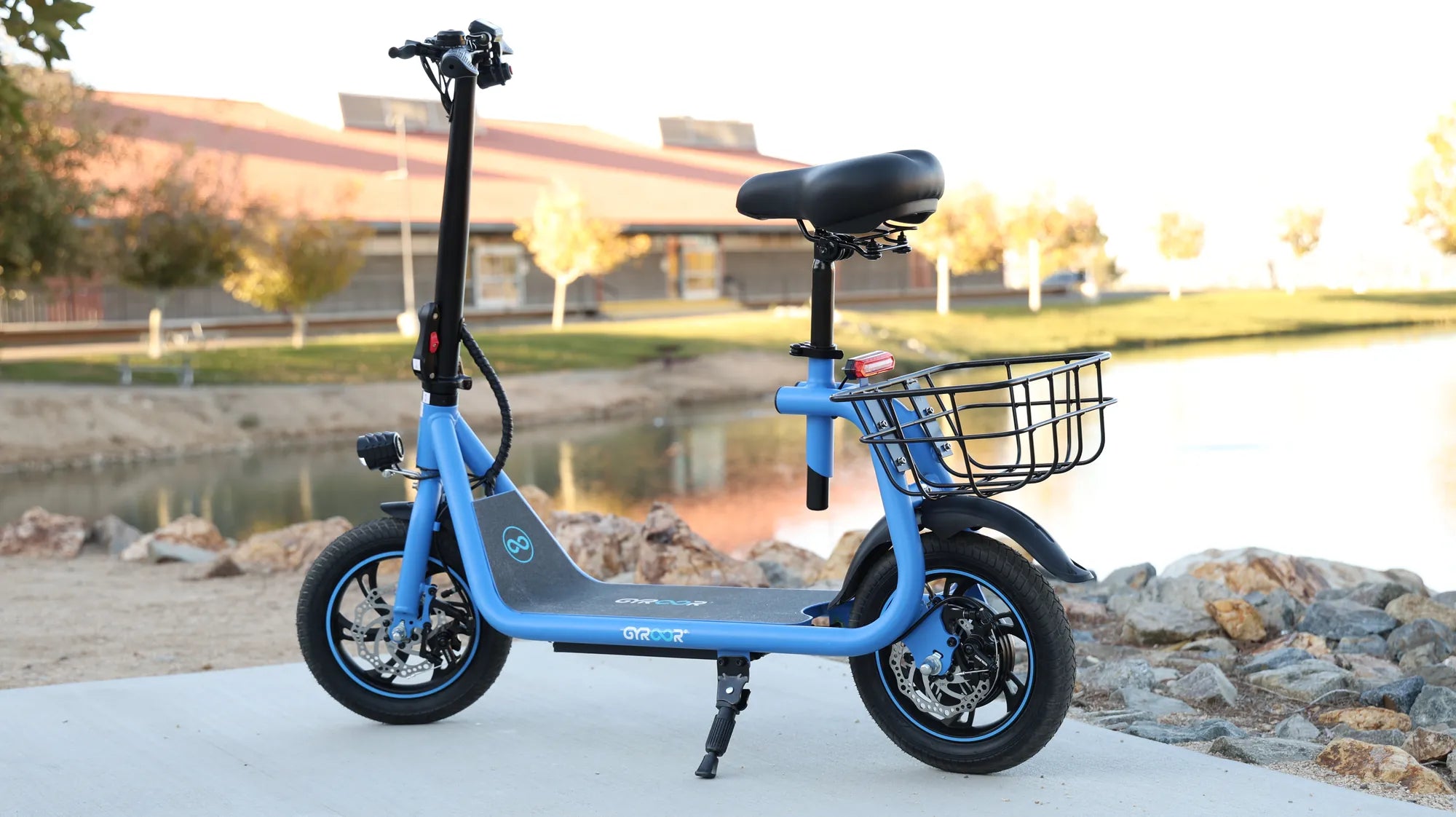
Introduction to Electric Tricycle Bikes
An electric tricycle bike, or e-trike, is a three-wheeled electric vehicle that combines pedal-assist and throttle power with unparalleled stability. Unlike traditional two-wheeled e-bikes or scooters, its triangular base offers a fundamentally different riding experience. This design directly addresses common concerns around balance, cargo carrying, and accessibility.
The core advantages are immediate. The third wheel eliminates the need to balance at a stop, making it inherently safer for riders of all skill levels. This stability also translates into practical utility, as the platform can support larger cargo baskets or even passenger seats. For urban commuters, seniors, or anyone seeking a reliable alternative to car trips for errands, the best electric tricycle bike represents a transformative mobility solution.
This guide will provide a data-driven analysis to help you navigate the market. You will learn the critical specifications, understand the primary use cases, and discover the safety features that separate exceptional models from the rest. The goal is to equip you with the knowledge to select an e-trike that delivers safety, utility, and long-term satisfaction.
Key Benefits of Choosing an E-Trike
The decision to choose an electric tricycle over other personal electric vehicles hinges on a few distinct, powerful benefits. These advantages solve specific problems that two-wheeled options cannot address as effectively.
First and foremost is stability. The three-point contact with the ground provides a confidence-inspiring ride, particularly at low speeds and when fully stopped. This is a game-changer for riders with mobility concerns or those who simply prefer a more planted feel. Secondly, utility is vastly expanded. Many e-trikes come equipped with integrated front and rear cargo baskets, transforming them into capable load-carriers for groceries, work gear, or even small children in approved seats.
Finally, accessibility is a major benefit. The stable platform often allows for easier mounting and dismounting, especially on step-through frame models. This makes the best electric tricycle bike an excellent option for a wider demographic, promoting inclusive, sustainable transportation.
Enhanced Stability and Safety
The safety advantage of an e-trike is rooted in physics. The triangular wheelbase resists tipping forces during turns and when stationary. You can come to a complete stop without putting a foot down, which is invaluable in stop-and-go traffic or on uneven surfaces.
This inherent stability significantly reduces the risk of low-speed falls, which are a common concern for new or less confident riders. The design also allows for a lower center of gravity, especially when paired with a rear-mounted battery and motor. For riders prioritizing a secure, predictable ride above all else, this feature is the primary reason to choose a trike.
Unmatched Utility and Cargo Capacity
Utility is where e-trikes truly excel. While a standard e-bike might accommodate a rear rack, a trike is designed from the ground up to carry loads. Common configurations include a large wire basket between the two rear wheels and a smaller front basket.
This design can easily handle 50-100 pounds of cargo, effectively replacing short car trips for shopping or deliveries. Some heavy-duty models are rated for even higher payloads, serving commercial needs. The ability to carry goods or a passenger without compromising stability is a unique selling point that defines the best electric tricycle bike for practical, daily use.
What to Look for in the Best Electric Tricycle
Selecting the right model requires evaluating a set of key specifications. Focusing on these metrics ensures you get a vehicle that matches your needs for performance, range, and durability.
Critical factors include motor power for hill-climbing, battery capacity for range, and the overall build quality of the frame and components. A thoughtful comparison of these elements will lead you to a model that offers true value and reliability, not just an attractive upfront price.
Motor Power and Riding Modes
Motor power, measured in watts (W), determines an e-trike's ability to accelerate and climb hills. For most urban and suburban uses, a 350W to 500W motor is sufficient. For areas with steep inclines or for riders who plan to carry heavy loads, a 750W motor is recommended.
Equally important are the riding modes. Look for models that offer multiple levels of pedal assist (PAS) and a pure throttle mode. Multiple PAS levels allow you to fine-tune the motor's contribution to your pedaling, extending battery life. A thumb or twist throttle provides instant power from a stop, which is crucial for navigating intersections safely.
Battery Range and Charging
Battery capacity, measured in watt-hours (Wh) or amp-hours (Ah), is the best indicator of potential range. Manufacturers often advertise a maximum range (e.g., 40+ miles), but real-world results depend heavily on rider weight, cargo, terrain, and assist level.
A 48V 10Ah (480Wh) battery is a common starting point. For assurance of safety and longevity, prioritize models with UL-certified battery packs. These have undergone rigorous testing for stability and charge cycles. A reputable brand will provide clear data on expected battery life and charging time, which typically ranges from 4 to 8 hours for a full charge.
Build Quality and Key Features
Durability is paramount. An aluminum alloy frame offers a good balance of strength and light weight. Pay close attention to the maximum weight capacity, which should comfortably exceed your weight plus your typical cargo.
Braking systems are critical for safety. Front and rear disc brakes offer superior stopping power in all conditions compared to coaster brakes. For all-weather reliability, an IPX5 water resistance rating means the electrical components are protected against water jets, allowing you to ride in the rain or through puddles with confidence. Comfort features like an adjustable, padded saddle and a step-through frame design further enhance the riding experience.
Top Use Cases for Electric Tricycles
The "best" electric tricycle bike is highly dependent on its primary use case. Understanding these categories will help you align a model's features with your specific goals.
From daily commuting to leisurely park rides and commercial tasks, e-trikes serve distinct purposes. Identifying your main intention is the first step toward a satisfying purchase.
The Urban Commuter & Errand Runner
For city dwellers, an e-trike is a car replacement for short trips. The ideal commuter model is relatively compact for storage, has an efficient motor for traffic, and features integrated locking storage for bags or groceries. Stability in bike lanes and at busy intersections is its greatest asset.
Riders in this category should prioritize models with good lighting, reflectors, and a bell for urban safety. The ability to securely park and lock the trike, potentially using a frame lock, is also a key consideration.
The Leisure & Recreational Rider
For those who ride for enjoyment, comfort and smooth handling are paramount. Leisure-focused e-trikes often feature more swept-back handlebars, plush seating, and suspension forks to absorb bumps on park paths or boardwalks.
Range is also important for longer, unhurried outings. A model with a larger battery capacity and multiple low-level assist modes allows for extended exploration without range anxiety, making every ride a pleasure.
The Utility & Commercial User
This category demands the most robust build. Utility e-trikes are workhorses designed for tasks like market vending, property maintenance, or delivery services. Key features include an exceptionally high payload capacity (often 300-400 lbs), heavy-duty cargo racks or flatbed platforms, and powerful motors.
Durability features like puncture-resistant tires, reinforced frames, and commercial-grade components are non-negotiable. For these users, the best electric tricycle bike is a tool that must deliver reliable performance day in and day out.
Critical Specifications Comparison Table
This table provides a clear, at-a-glance comparison of how key specifications align with different user needs and price segments.
| Specification | Entry-Level / Leisure | Mid-Range / Commuter | High-Capacity / Utility |
|---|---|---|---|
| Motor Power | 250W - 350W | 350W - 500W | 500W - 750W+ |
| Typical Battery | 36V 10Ah (360Wh) | 48V 10Ah-12Ah (480-576Wh) | 48V 15Ah+ (720Wh+) |
| Max Range* | 20-30 miles | 30-45 miles | 40-60+ miles |
| Payload Capacity | 250 - 300 lbs | 300 - 350 lbs | 350 - 450 lbs |
| Key Features | Basic basket, coaster brake, simple display | Front/rear baskets, disc brakes, IPX5 rating, multiple PAS | Heavy-duty rack/platform, dual disc brakes, commercial tires, high-torque motor |
| Primary Use | Park rides, light neighborhood errands | Daily commuting, grocery shopping, family transport | Cargo delivery, vending, property maintenance |
*Range estimates are under ideal conditions and vary based on use.
Why Gyroor Stands Out in the E-Trike Market
In a growing market, Gyroor establishes trust through a commitment to foundational safety and reliability. As a leading electric scooter and e-bike brand trusted by over 100,000 riders, its engineering principles translate directly into the e-trike segment.
The brand's focus on certified safety components, durable construction, and strong customer support addresses the core concerns of e-trike buyers who prioritize a long-term, worry-free ownership experience.
Commitment to Safety: UL-Certified Batteries
The battery is the heart of any electric vehicle. Gyroor's use of UL-certified battery packs is a critical differentiator. This certification means the battery cells and management system have passed stringent tests for electrical, mechanical, and environmental safety, significantly reducing any risk of fire or failure.
For a vehicle designed to carry people or valuable cargo, this is not a minor feature—it's essential. It ensures consistent performance and peace of mind over hundreds of charge cycles, protecting your investment and your safety.
Built for Reliability: IPX5 Water Resistance & Warranty
Real-world riding means encountering weather. An IPX5 water resistance rating indicates that Gyroor's electrical components can withstand low-pressure water jets from any direction. This allows you to ride in light rain or on damp roads without fear of damaging the motor, controller, or display.
This durability is backed by a reliable 1-year warranty and accessible customer support. This combination means you are investing in a vehicle built to last, with a company that stands behind its products, ensuring the best electric tricycle bike experience.
Frequently Asked Questions (FAQ)
Q: Do I need a license, insurance, or registration to ride an electric tricycle bike?
A> In most regions in the US and Europe, if the e-trike has a motor under 750W and a top speed limited to 20 mph (or 28 mph for Class 3, where applicable), it is classified similarly to a standard electric bicycle. This typically means no license, registration, or insurance is required. Always check your specific local and state laws.
Q: How well does an e-trike handle hills?
A> Hill-climbing ability depends on motor power, rider weight, and cargo. A 350W motor can handle moderate inclines, while a 500W or 750W motor is recommended for consistently hilly terrain. Using a lower pedal-assist level and providing some pedal input yourself will also improve hill performance.
Q: Can I use an electric tricycle indoors, like in a warehouse or large store?
A> Yes, their stability and zero-emission operation make certain models excellent for indoor use. Opt for a model with a quiet motor and, if necessary, airless (foam-filled) tires to prevent flats. Always ensure you have permission from the property manager.
Q: Is maintenance more complicated than for a regular bicycle?
A> The mechanical maintenance (tire pressure, brake adjustment, chain lubrication) is very similar. The electrical system (battery, motor, controller) requires minimal maintenance but should be protected from extreme impacts and moisture. Following the manufacturer's charging and storage guidelines is the most important aspect of electrical care.
Q: What is the average lifespan of a quality e-trike?
A> With proper care, the frame and components can last for many years. The battery is the component with the most defined lifespan, typically rated for 500+ full charge cycles while maintaining significant capacity. For a rider using the bike several times a week, this translates to 3-5 years of useful battery life before a noticeable reduction in range may occur.
Finding Your Perfect Ride
The journey to finding the best electric tricycle bike ends with aligning a model's capabilities with your personal needs. Prioritize the fundamentals: stability for your confidence, payload capacity for your tasks, and safety certifications for your peace of mind. A test ride, if possible, is invaluable to assess comfort and handling.
Look beyond the sticker price to the total value proposition, including warranty coverage, quality of components, and the reputation of the brand for customer support. A reliable e-trike from a trusted manufacturer is an investment in freedom, utility, and sustainable mobility.
For those ready to explore a range of electric mobility solutions engineered with safety and reliability at their core, browse the full Gyroor collection at gyroorboard.com. Discover how the right vehicle can transform your daily commute, errands, and leisure time.
Ebike Trends 2026: The Convergence of Tech, Infrastructure & Rider Evolution
E Bike Damen 28 Zoll: The Complete Guide to Comfort, Safety, and Style