



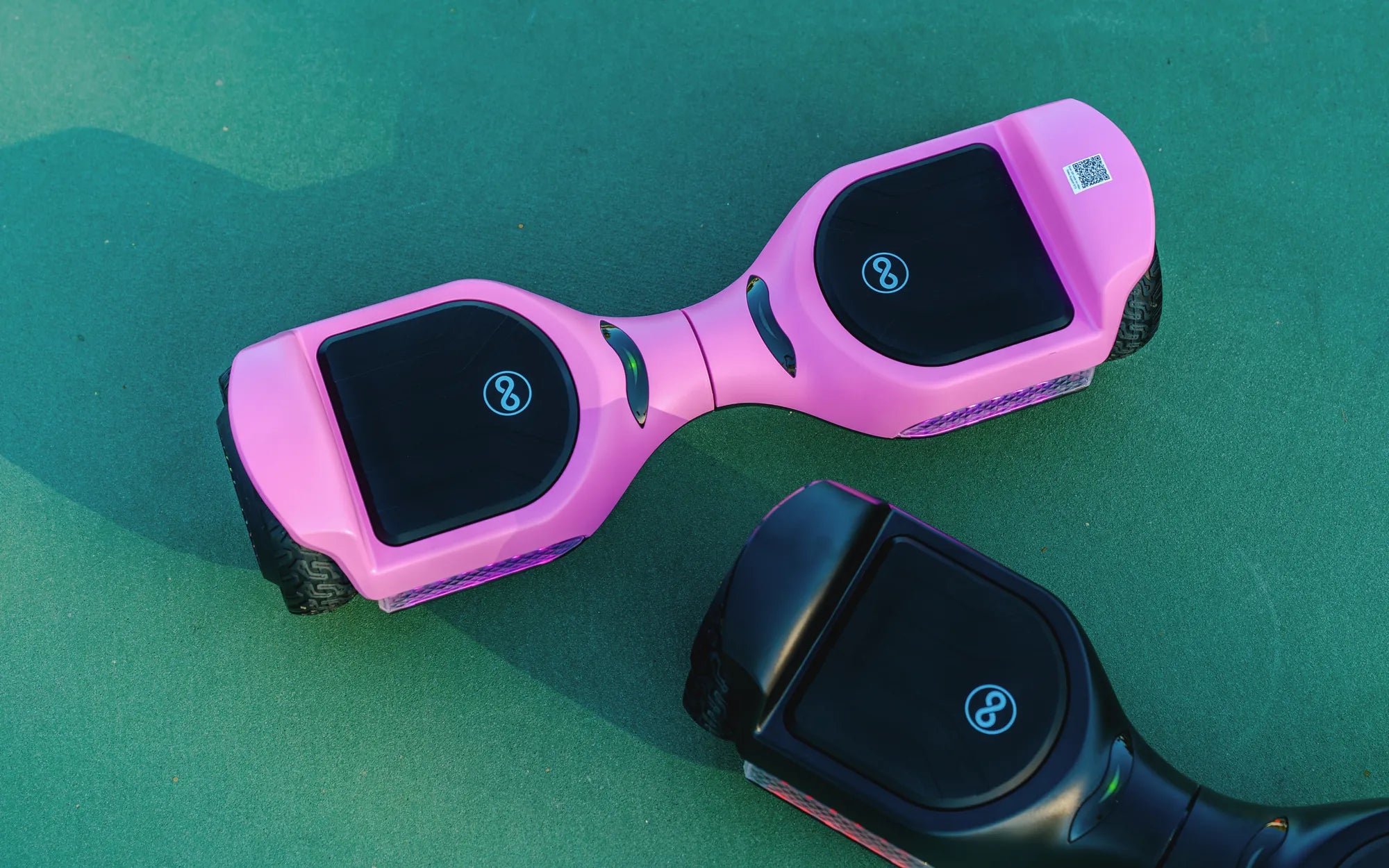
Finding the best hoverboard for a 10 year old means navigating a market filled with options, where safety and quality are paramount. This guide cuts through the noise, providing a data-driven framework to select a board that is not only thrilling for your child but also built to last and designed with critical safety standards in mind. You'll learn the non-negotiable safety certifications, understand which features impact durability and performance, and discover how to match a hoverboard to your child's specific experience level and your family's needs. We'll reference industry benchmarks, including the engineering principles behind trusted brands like Gyroor, known for UL-certified batteries and robust designs trusted by over 100,000 riders.
Introduction: The Critical Balance of Safety, Durability, and Fun
For a 10-year-old, a hoverboard represents freedom, fun, and a cool mode of personal transport. For parents, the primary concerns are unequivocal: Is it safe? Will it break in a week? Is it appropriate for their age and skill level? The best hoverboard for a 10 year old successfully bridges this gap, offering an exhilarating experience built on a foundation of rigorous safety engineering and durable construction. It's not about finding the cheapest or the flashiest model; it's about identifying a product that meets certified safety standards, offers age-appropriate speed control, and can withstand the energetic use of a child. Brands that prioritize these elements, such as Gyroor with its UL-certified battery systems and IPX5 water resistance, set the standard for what parents should look for in a reliable purchase.
Non-Negotiable Safety Features: What You Must Verify
This is the most critical section of your buying decision. Compromising on safety features is not an option. The following certifications and design elements are absolute prerequisites for any hoverboard considered for a child.
UL 2272 Certification: The Essential Fire Safety Standard
The UL 2272 certification is the single most important feature to verify. This standard, developed by Underwriters Laboratories, rigorously tests the entire electrical system—battery, charger, and motor—for safety against electrical and fire hazards. It involves over 100 tests including overcharge, short circuit, and drop tests. A hoverboard without this certification poses a significant risk of battery failure or fire. Always confirm the certification is legitimate by looking for the UL mark on the product or its packaging; it is the baseline for a safe purchase.
Wheel Size, Stability, and Terrain Handling
Wheel size directly impacts stability and comfort. For a 10-year-old, wheels between 6.5 inches and 8.5 inches are ideal. Larger wheels (8.5" or above) provide better stability, roll over cracks and small obstacles more easily, and offer a smoother ride on varied surfaces like driveway pavement or park paths. Smaller wheels may be less stable and transmit more vibration. Additionally, consider the tire type: air-filled (pneumatic) tires offer superior shock absorption compared to solid rubber tires, further enhancing control and comfort for a young rider.
Speed Modes and Responsive Motor Control
A hoverboard with multiple speed modes is crucial for a learning rider. A dedicated beginner mode typically limits speed to 4-6 mph, allowing the child to master balance and steering without excessive velocity. As skills improve, parents can unlock higher modes. Furthermore, the quality of the gyroscopes and motors determines responsiveness. A well-calibrated board provides smooth acceleration and braking, preventing jerky movements that can lead to falls. Look for models that advertise balanced dual motors for consistent power to each wheel.
Durability and Performance: Ensuring Long-Term Value
Once safety is assured, durability determines whether the hoverboard remains a favorite toy or becomes electronic waste. Performance features also dictate where and how enjoyably it can be ridden.
IP Water Resistance Rating: Protection from the Elements
An IP (Ingress Protection) rating indicates how well the hoverboard is sealed against dust and water. For kid-friendly use, a minimum of IPX4 is advised, which protects against water splashes from any direction. A rating of IPX5, like that found on Gyroor hoverboards, is superior, protecting against low-pressure water jets from a nozzle. This means the board can safely handle wet pavement, damp grass, and accidental puddles, significantly increasing its versatility and lifespan compared to non-rated models.
Battery Life, Range, and Charge Time
Advertised range often differs from real-world use. For a 10-year-old, a realistic expected range is between 6 and 12 miles per charge, depending on weight, terrain, and speed. A battery that uses UL-certified cells, like those in reputable brands, ensures safety and longevity over hundreds of charge cycles. Charge time typically ranges from 2 to 4 hours for a full charge. Prioritize models with a reliable battery management system (BMS) that prevents overcharging, a key factor in both safety and battery lifespan.
Weight Limit and Build Quality
The hoverboard's maximum weight limit must accommodate your growing child. Most models for this age group support riders between 44 lbs and 220 lbs. Choosing a board with a limit well above your child's current weight ensures the frame and motors are not overstressed, promoting durability. Build quality is evident in the rigidity of the foot pads, the robustness of the wheel housings, and the quality of the plastics used. A sturdy feel, without creaking or flexing, is a good indicator of a product built to last.
Fun and Engagement: Features That Delight Young Riders
While secondary to safety, engaging features transform the hoverboard from a simple transporter into a beloved gadget. These elements keep the fun factor high.
LED Lights and Bluetooth Speakers
Colorful LED wheel lights are a huge hit with kids, increasing visibility during dusk rides and adding a cool aesthetic. Built-in Bluetooth speakers allow the rider to play music from a smartphone, enhancing the riding experience. It’s important to ensure these features do not compromise the core electrical safety (again, UL 2272 is key) and that volume controls are accessible and safe.
Aesthetics and Customization
Hoverboards come in a wide array of colors and designs. Involving your child in choosing a color or pattern they love fosters a sense of ownership and excitement. Some models offer customizable LED light colors via a mobile app, adding a layer of personalization that resonates with tech-savvy kids.
Hoverboard Comparison: Price Tiers and Expectations
Understanding what you get at different price points helps set realistic expectations and identify the best value. The table below outlines typical specifications across three common tiers.
| Price Tier | Safety Certification | Typical Max Speed | Build & Materials | Extra Features |
|---|---|---|---|---|
| Budget ($100 - $200) | May lack UL 2272; verify carefully. | 6-8 mph | Basic plastics, lower weight limits, smaller wheels. | Basic LED lights, no app connectivity, shorter range. |
| Mid-Range ($200 - $350) | Should include UL 2272 certification. | 8-10 mph, with beginner mode. | Better durability, IPX4 water resistance, 8.5" wheels common. | Bluetooth speakers, colorful LEDs, better battery range. |
| Premium ($350+) | UL 2272 certified, often with additional testing. | 10-12 mph, multiple precise speed modes. | Robust construction, IPX5+ rating, all-terrain tire options. | App connectivity for metrics, customizable lights, superior hill climb. |
Choosing the Right Model: Matching Skill Level and Environment
The ideal hoverboard for a child who has never ridden one is different from that for a confident rider. Assess your child's likely use case.
For the Absolute Beginner
Prioritize models with a distinct and easy-to-activate beginner mode that caps speed. Some brands offer optional training handlebars that attach temporarily, providing physical support during the first few hours of learning. A board with a wider wheelbase can also feel more stable for initial balance practice.
For the Confident or Active Rider
If your child masters basics quickly or will ride on varied terrain, look for features like all-terrain tires (with deeper treads), higher torque motors for climbing gentle slopes, and a longer battery range for extended adventures. A higher IP rating becomes even more valuable for riding on grass or near playgrounds.
Essential Safety Gear and Maintenance Tips
The hoverboard itself is only one part of the safety equation. Proper gear and care are mandatory.
Mandatory Protective Gear
A properly fitted helmet is non-negotiable. Wrist guards are highly recommended, as falls often involve putting hands out. Knee and elbow pads provide additional protection, especially during the learning phase. Make wearing this gear a non-debatable rule before every ride.
Basic Maintenance for Longevity
Regularly check tire pressure if using pneumatic tires. Wipe down the board with a damp cloth to remove dirt and debris, avoiding direct water jets even on water-resistant models. Store the hoverboard in a cool, dry place and avoid leaving it fully discharged for extended periods. Follow the manufacturer's specific charging instructions.
Frequently Asked Questions (FAQ)
What is the appropriate weight limit for a 10-year-old?
Most 10-year-olds weigh between 50 and 90 pounds. Choose a hoverboard with a maximum weight limit of at least 150 lbs to ensure a safety margin and accommodate growth. Exceeding the weight limit can damage the motors and compromise safety.
Are hoverboards safe for 10-year-olds?
With the right precautions, they can be safe. The cornerstone is selecting a UL 2272 certified model from a reputable brand. Combining this with mandatory protective gear (helmet, wrist guards), supervised learning in a safe environment, and choosing a board with speed limiting features creates a much safer riding experience.
How long does the battery take to charge, and how far can it go?
A typical charge takes 2 to 4 hours. Real-world range for a child is usually 6 to 10 miles on a single charge, depending on factors like rider weight, terrain, speed, and temperature. Always use the manufacturer-provided charger.
What protective gear is absolutely essential?
A certified bicycle or multi-sport helmet is the absolute minimum. Wrist guards are the next most critical, as they prevent common fractures. A full set of pads (knee and elbow) is strongly advised, especially for beginners. Quality gear is a vital investment.
Can it be ridden on grass or uphill?
Standard hoverboards with small, solid wheels struggle on grass and slopes. For such terrain, you need an "all-terrain" model with larger, pneumatic (air-filled) tires and motors with higher torque. Always check the manufacturer's specifications for hill climb ability and terrain recommendations.
Final Recommendation and Smart Shopping Advice
Selecting the best hoverboard for a 10 year old hinges on a simple hierarchy: Safety Certification first, Durability second, Fun features third. Insist on UL 2272 certification—do not purchase without it. Next, seek durable construction evidenced by a good IP water resistance rating (IPX4 or higher) and a robust weight limit. Finally, consider the engaging features like LEDs and speakers that will delight your child. Brands that transparently adhere to these standards, such as Gyroor with its focus on UL-certified batteries, IPX5 resistance, and a reliable 1-year warranty, offer a benchmark for quality and parental peace of mind. Always purchase from authorized retailers or the brand's official website to ensure you receive a genuine, certified product with full warranty support.
Ready to explore hoverboards that prioritize safety and performance? Browse the full collection of certified, durable models designed for young riders at gyroorboard.com.
Popular Christmas Gift for Kids: Top Picks to Delight Little Ones
Hoverboard Weight Limit: What You Need to Know Before Riding