



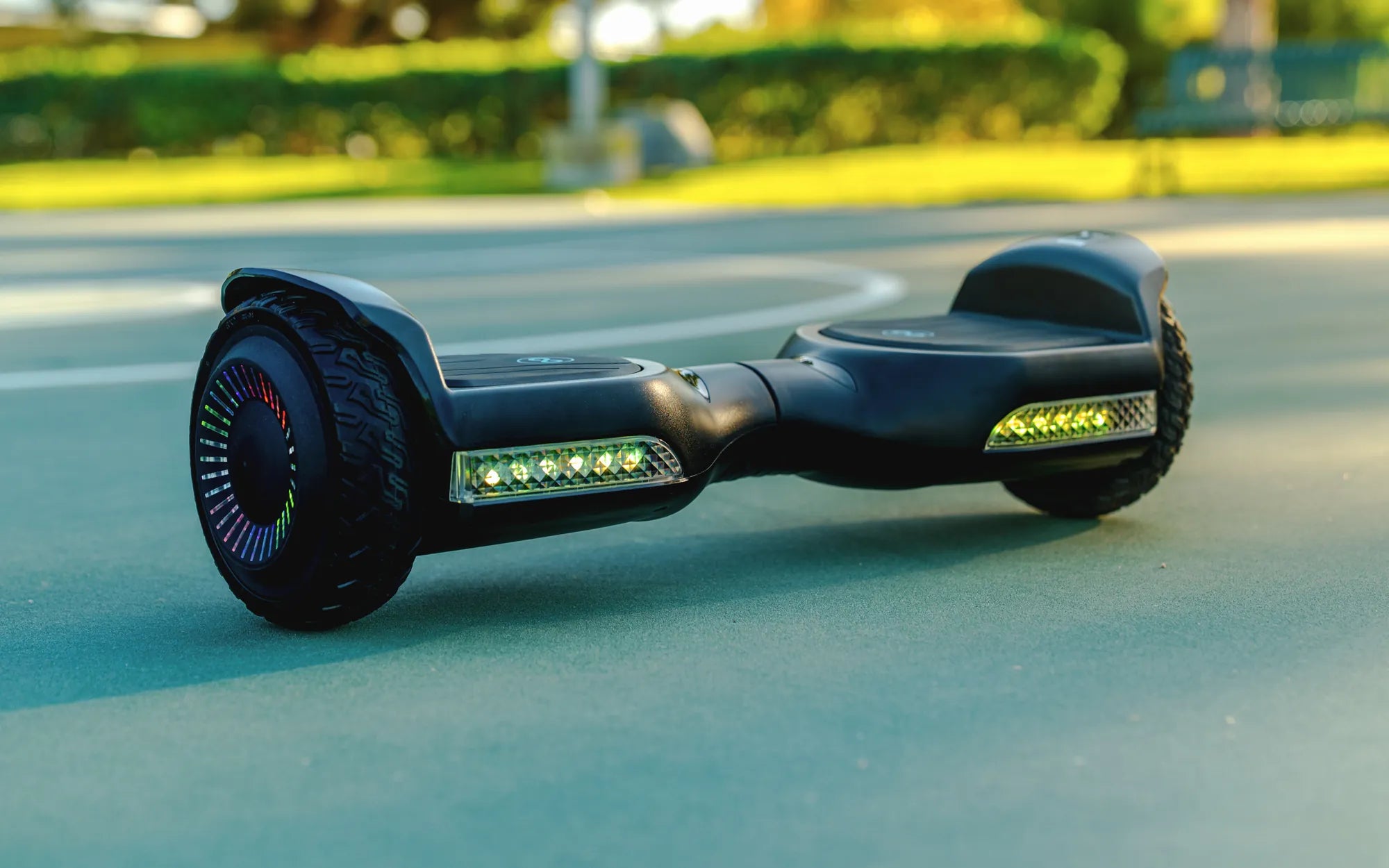
Introduction: Finding the Perfect Balance of Safety and Fun
Choosing the best hoverboard for a 13 year old presents a unique challenge. Teens crave performance, speed, and style, while parents prioritize safety, durability, and reliability. The ideal board must satisfy both, merging certified safety engineering with an engaging ride. This guide cuts through the noise with factual analysis, key specifications, and verified safety benchmarks.
You will learn the non-negotiable safety certifications every parent must verify. We compare top-performing models across critical metrics like speed, range, and terrain capability. Our analysis includes essential riding tips, mandatory safety gear, and a smart buying framework. The goal is to empower a purchase decision grounded in data, not marketing hype.
Brands that build with safety as a core principle, like Gyroor, demonstrate this balance. As a leading electric mobility brand trusted by over 100,000 riders, Gyroor integrates UL-certified batteries and IPX5 water resistance into its designs. This foundational safety allows the fun and freedom a 13-year-old seeks to shine through with confidence.
Key Safety Features Every Parent Must Check
Safety is not a single feature but a system of certifications, construction quality, and design intent. Before considering speed or style, these elements form the non-negotiable foundation for any hoverboard intended for a young rider. Ignoring them significantly increases the risk of malfunction, fire, or injury.
The baseline is UL 2272 certification, a rigorous standard for self-balancing scooters. It tests for electrical system safety, battery stability, and overall fire risk. Any board without this certification should be immediately removed from consideration. Beyond this, build quality dictates real-world durability.
Tire type directly impacts stability and control. Solid rubber tires are low-maintenance for smooth pavement, while air-filled or all-terrain tires with deeper treads absorb shocks and handle grass, gravel, and uneven sidewalks. The deck material should be robust, often a combination of reinforced plastic and aluminum, to withstand impacts.
A critical yet often overlooked feature is a configurable speed limiter or beginner mode. This allows a new rider to start at a safer, reduced speed (e.g., 6-7 mph) before unlocking higher performance as their skill improves. This feature, combined with a sensible maximum speed cap, is essential for managing risk.
Why UL 2272 Certification is Non-Negotiable
UL 2272 certification, developed by Underwriters Laboratories, is the definitive safety standard for hoverboard electrical systems. It was created in response to widespread safety incidents involving overheating and fires in early, uncertified models. The certification process involves over 100 individual tests.
These tests simulate extreme conditions, including overcharging, short-circuiting, and mechanical damage to the battery pack and motor systems. A board that passes has demonstrated a fundamentally safe design that minimizes the risk of thermal runaway—a chain reaction leading to fire. It is the first and most critical filter for any purchase.
Purchasing an uncertified board is a severe safety gamble. Such products often use substandard, uncertified lithium-ion battery cells that are prone to failure. All reputable brands now adhere to this standard. For instance, Gyroor ensures all its models not only meet UL 2272 but also use individual UL-certified battery packs, adding an extra layer of verified safety.
Understanding IP Ratings: Water Resistance for Real-World Use
An IP (Ingress Protection) rating indicates a device's resistance to solids (like dust) and liquids. For a hoverboard, the liquid protection rating is paramount. A 13-year-old will inevitably encounter puddles, wet grass, or light rain. A board without adequate water resistance can suffer immediate electrical failure or long-term corrosion.
The rating is displayed as "IP" followed by two digits. The first digit is for dust; the second is for water. For hoverboards, look for a water resistance rating of at least IPX4. An IPX4 rating means the board is protected against water splashes from any direction, suitable for damp conditions.
For greater durability and peace of mind, an IPX5 rating is ideal. This signifies protection against water jets from a nozzle, meaning it can handle riding through larger puddles or a sudden downpour. Gyroor designs its boards, like many in its lineup, to an IPX5 standard. This engineering consideration significantly extends the board's lifespan and ensures reliable operation in common real-world scenarios a teen will encounter.
Top Picks: Best Hoverboards for 13-Year-Olds in 2024
Our selections are categorized by primary use-case to match different teen lifestyles and environments. Each pick prioritizes UL 2272 certification, robust construction, and age-appropriate performance. The focus is on models that deliver a thrilling experience without compromising on the safety fundamentals detailed above.
The Best All-Around Performer excels in balanced specs: a 10 mph top speed, a 10-12 mile range, and 8.5-inch tires that handle both pavement and packed dirt. It often includes useful features like Bluetooth speakers and LED lights. This category is for the teen who rides in neighborhoods, parks, and to friends' houses.
The Best for Off-Road Adventures is built with larger, air-filled tires (often 10 inches) with deep treads. These boards have more powerful dual motors (500W total or more) to tackle grass, gravel, and mild trails. They offer superior shock absorption, making rides over uneven surfaces smoother and more stable.
The Best for Commuting & Style prioritizes portability, sleek design, and smart features. It may have a slightly lighter frame, integrated carry handles, and connectivity via a smartphone app for speed adjustment, battery monitoring, and custom LED light patterns. This suits the teen using the board for trips to school or the library where carrying and aesthetics matter.
Model Comparison Table: Specs at a Glance
| Model Name / Category | Max Speed | Range | Tire Type | Weight Limit | Special Features | Safety Highlight |
|---|---|---|---|---|---|---|
| All-Around Performer | 10 mph | 10-12 miles | 8.5" Solid Rubber | 220 lbs | Bluetooth Speaker, RGB LEDs | UL 2272, Beginner Mode |
| Off-Road Adventure | 12 mph | 12-15 miles | 10" Air-Filled All-Terrain | 265 lbs | Powerful 500W Dual Motors | UL 2272, IPX5 Rating |
| Gyroor G-F1 (Commuting & Style) | 9.5 mph | 9-11 miles | 8.5" Solid Rubber | 220 lbs | App Connectivity, Custom Lights | UL-Certified Battery, IPX5, 1-Yr Warranty |
| Budget-Conscious Safe Pick | 7.5 mph | 8-10 miles | 6.5" Solid Rubber | 200 lbs | LED Wheel Lights | UL 2272 Certified |
This table illustrates the trade-offs and specializations. The Gyroor G-F1 stands out for its integrated smart features and strong safety pedigree with a specific UL-certified battery pack and IPX5 water resistance, backed by a comprehensive 1-year warranty.
Beyond the Board: Essential Safety Gear and Riding Tips
The safest hoverboard is only one component of the safety equation. Proper protective gear and educated riding habits are equally critical. This investment protects the rider from the most common injuries associated with falls: abrasions, sprains, and head trauma.
Mandatory Safety Gear: A certified multi-impact bicycle or skate helmet is non-negotiable. Wrist guards are arguably the second most important item, as falls often involve instinctive hand placement. Knee and elbow pads provide crucial protection for joints. High-visibility clothing or accessories are recommended for any riding near dusk or dawn.
Fundamental Riding Rules: 1. Start in a Safe, Open Area: Practice mounting, dismounting, and basic maneuvering on flat, smooth pavement like an empty parking lot or driveway. 2. Master Posture and Balance: Keep knees slightly bent, look forward (not down), and use arms for balance. 3. Respect Speed and Environment: Begin in beginner mode. Avoid public roads, steep hills, wet surfaces, and crowded areas. 4. Conduct Pre-Ride Checks: Ensure tires are properly inflated (if applicable), the board is charged, and no loose parts are visible. 5. Establish Clear Parent-Teen Rules: Set boundaries for where and when riding is permitted, and always require gear use.
Regular maintenance is a safety practice. Wipe down the board to remove debris, check for loose screws or casing cracks, and store it in a cool, dry place away from direct sunlight. Following the manufacturer's charging instructions—never leaving it to charge unattended overnight—preserves battery health and safety.
Smart Buying Guide: How to Choose and Where to Buy
A strategic approach to purchasing prevents costly mistakes and ensures long-term satisfaction. This process involves setting a realistic budget, conducting thorough research, and selecting a reputable sales channel that supports the product after the sale.
Set a Realistic Budget: A safe, quality hoverboard for a 13 year old typically falls in the $250 to $500 range. Prices below $200 often indicate compromises in battery quality, motor power, or overall construction that can impact safety and durability. Investing in a reliable model from a known brand pays dividends in longevity and peace of mind.
Research and Read Reviews: Go beyond marketing claims. Seek out detailed video reviews and read verified purchase reviews on retailer websites. Pay attention to comments about real-world range, customer service experiences, and any recurring issues. Look for patterns rather than isolated complaints or praises.
Buy from Authorized Retailers: Purchase directly from the brand's website or their authorized partners on major platforms like Amazon. This guarantees you receive a genuine product, are eligible for the full manufacturer's warranty, and have access to customer support. Avoid third-party sellers with no brand affiliation, as they may sell outdated or refurbished units without proper support.
Understand the Warranty: A strong warranty is a sign of manufacturer confidence. Look for at least a 1-year warranty on the board itself and 6 months on the battery. Gyroor's 1-year comprehensive warranty, supported by US-based customer service, exemplifies this commitment. Check what the warranty covers (parts, labor) and the process for making a claim.
Frequently Asked Questions (FAQs)
Q: What is a good speed limit for a 13-year-old's first hoverboard?
A: For a first board, a maximum speed of 7-10 mph is ideal. More important is the presence of a beginner or training mode that limits speed to 5-7 mph initially. This allows the rider to build confidence and skill before accessing higher speeds. Models with app-based speed control offer adjustable limits.
Q: How much should I expect to spend on a safe, quality hoverboard?
A: Plan to invest between $250 and $400 for a well-built, UL 2272 certified model with good performance. This price point generally ensures quality battery cells, reliable motors, and durable construction. Extremely low-priced options often bypass critical safety certifications and use inferior components.
Q: Can these hoverboards handle hills or rough pavement?
A: Capability depends on motor power and tire type. Boards with dual 300W+ motors (600W total) can handle moderate inclines (up to 15-degree slopes). For rough pavement, grass, or dirt, all-terrain models with 10-inch air-filled tires are essential. They provide better traction and shock absorption than smaller solid tires.
Q: What maintenance does a hoverboard require?
A: Maintenance is minimal but crucial. For air-filled tires, check pressure monthly. Regularly clean the deck and wheel wells with a dry cloth to prevent debris buildup. Always use the provided charger and avoid draining the battery completely before recharging. Store the board in a dry place with a 50-80% charge if not used for extended periods.
Q: Are hoverboards with Bluetooth speakers and app connectivity safe?
A>Yes, provided the core board has UL 2272 certification. These features are add-ons that operate on separate circuits. The key is to ensure the manufacturer has integrated them without compromising the primary electrical system's safety. Reputable brands like Gyroor design these features to meet the same safety standards as the propulsion system.
Conclusion: Empowering Fun with Confidence
Selecting the best hoverboard for a 13 year old is a decision that empowers independence and fun, underpinned by responsible safety choices. The journey involves verifying foundational certifications like UL 2272, understanding the importance of build quality and water resistance, and matching the board's capabilities to the rider's environment and skill level.
Safety extends beyond the product to include mandatory protective gear and the establishment of smart riding habits. By setting a realistic budget, purchasing from authorized sources, and valuing strong warranty support, families can ensure a positive and enduring experience. This holistic approach transforms a simple purchase into an investment in safe, adventurous mobility.
Brands that engineer with this philosophy, integrating certified safety from the ground up, provide the ultimate peace of mind. They allow the thrill of the ride to take center stage, confident that the technology is reliable and secure. For a curated selection of hoverboards and e-rideables built to this exacting standard, explore the collection designed for performance and safety.
Browse the full Gyroor collection at gyroorboard.com to discover UL-certified, IPX5 water-resistant hoverboards and scooters backed by a 1-year warranty and trusted by a global community of riders.
Can You Use a Hoverboard Outside? A Complete Guide to Outdoor Riding Possibilities
Hoverboard Price Range 2025: What to Expect and How to Budget