



Introduction: The Quest for the Ultimate Lightweight Adventure Companion
The search for the best lightweight adventure bike for 2025 is about finding a true partner for exploration. It's a machine that must confidently traverse a gravel forest service road at dawn, comfortably cruise an interstate for hours by noon, and do so without exhausting the rider. This category, defined by bikes typically weighing between 400 and 500 pounds (wet), has become the sweet spot for solo adventurers and touring duos seeking capability without the bulk of their 600+ lb heavyweight counterparts. For 2025, advancements in materials, engine design, and electronics are pushing these middleweight explorers to new heights of performance and accessibility.
This guide cuts through marketing hype to deliver a factual, data-driven analysis of the leading contenders. We will define the modern lightweight adventure bike, examine the engineering trends that matter, and compare the top models set to dominate trails and tarmac in the coming year. The goal is to equip you with the knowledge to match a motorcycle's core strengths to your personal adventure riding style, whether that's aggressive backcountry exploration or extended continental touring with a mix of surfaces.
What Makes an Adventure Bike "Lightweight" in 2025?
In 2025, "lightweight" in the adventure segment is a precise engineering target, not just a marketing term. The benchmark range is generally accepted as 430 to 500 pounds with all fluids (fuel, oil, coolant) onboard—the "wet" weight. This weight class represents a critical compromise, offering enough chassis and engine substance for stable highway travel and two-up touring, while remaining manageable for a single rider to handle on loose surfaces, steep inclines, or when picking the bike up after a tip-over.
Key trends driving this category forward include extensive use of high-strength steel trellis or aluminum frames, compact parallel-twin or V-twin engine architectures that save weight and centralize mass, and strategic component choices like spoked wheels with tubeless tires. The focus is on mass centralization: keeping weight as low and close to the bike's center of gravity as possible. This dramatically improves handling agility, both on winding pavement and when navigating technical off-road sections, giving the rider more confidence and requiring less physical effort.
The primary advantages of a lightweight adventure bike are multifaceted. Handling is the most immediate benefit, with quicker steering responses and less inertia to fight. Fuel efficiency often sees a boost from lighter overall weight and smaller displacement engines. Perhaps most importantly, rider confidence soars. A bike that feels manageable off-road encourages skill development and exploration, directly enabling the adventure experience rather than becoming an obstacle to it.
Key Metrics: Power-to-Weight vs. Pure Specs
When evaluating the best lightweight adventure bike for 2025, peak horsepower and torque figures tell only part of the story. The power-to-weight ratio—the amount of power available to move each pound of motorcycle—is a far more revealing metric. A bike with 90 horsepower weighing 450 lbs will feel more responsive and energetic than a bike with 100 horsepower burdened by 550 lbs. This ratio directly translates to acceleration, overtaking ability, and how the bike carries load.
More critical than peak power is the character of the power delivery. Usable performance is defined by broad, tractable torque curves that provide strong pull from low to mid RPMs. This is essential for technical off-road riding, where precise throttle control at low speeds is paramount, and for relaxed highway cruising, where ample mid-range torque allows for effortless passing without constant downshifting. The ideal adventure engine delivers predictable, manageable power that the rider can exploit with confidence in any condition.
Top Contenders: The Best Lightweight Adventure Bikes of 2025
The 2025 model year presents a compelling lineup of lightweight adventure bikes, each with a distinct philosophy. From Austrian precision and Japanese reliability to Italian flair and disruptive value, the options cater to a wide spectrum of riders. The following sections provide an in-depth analysis of four standout models that define the current state of the category. This selection is based on a combination of technical innovation, market impact, and their specific appeal to different adventure riding profiles.
These bikes are evaluated on their complete package: engine performance, chassis dynamics, electronic aids, ergonomics, and the crucial ecosystem of accessories and support. The goal is to highlight not just which bike is "best" in a vacuum, but which bike might be the best tool for specific types of adventures and rider priorities, from gadget-loving technophiles to minimalist global travelers.
The Refined Pioneer: 2025 KTM 890 Adventure
The 2025 KTM 890 Adventure continues to set the benchmark for high-tech, performance-oriented lightweight exploration. Its 889cc parallel-twin engine is a masterpiece of packaging and power, delivering a sharp, responsive character that excels in aggressive riding. Where it truly shines is in its electronic suite and chassis setup, designed to maximize rider control in demanding environments.
Standard features like Cornering Motorcycle Traction Control (MTC) and Cornering ABS elevate safety and performance by adjusting interventions based on the bike's lean angle. Multiple ride modes (including a dedicated Offroad mode) allow the rider to tailor throttle response and slip thresholds instantly. Its suspension, with ample travel and fine-tuning adjustability, handles both high-speed off-road sections and paved curves with exceptional composure. The 890 Adventure's weight distribution and aggressive ergonomics make it the top choice for riders who prioritize off-road capability and cutting-edge technology on their adventures.
The Versatile All-Rounder: 2025 Yamaha Ténéré 700 World Raid
The 2025 Yamaha Ténéré 700 World Raid embodies the philosophy of rugged, reliable simplicity. Built around the legendary CP2 689cc parallel-twin engine, it forgoes complex electronics for bulletproof mechanical reliability and a linear, predictable power delivery that off-road purists adore. The World Raid edition builds on the standard model's strengths with crucial upgrades for serious exploration.
Its most significant upgrade is a massive 23-liter (6.1-gallon) dual fuel tank, granting exceptional range for remote travel. The suspension receives a major boost with longer travel, fully adjustable forks and shock. This package is housed in a lightweight, agile chassis with excellent ground clearance. The Ténéré 700 World Raid is the definitive choice for riders seeking a capable, no-nonsense partner for long-distance adventures where simplicity, durability, and range are more valuable than electronic intervention.
The Tech-Forward Challenger: 2025 Aprilia Tuareg 660
The 2025 Aprilia Tuareg 660 brings Italian passion and sophisticated electronics to the lightweight adventure sphere. Its unique 659cc parallel-twin engine, derived from the RS 660 sportbike, features a 270-degree crankshaft that provides a distinctive, torquey pulse reminiscent of a V-twin, offering strong character and tractable power perfect for off-road use.
Despite its vibrant engine, the Tuareg's standout feature is its comprehensive Aprilia Performance Ride Control (APRC) system. This includes six riding modes (four of which are customizable), engine brake control, and cornering-sensitive traction control—a rare feature in this class. Coupled with one of the lightest chassis in the category and high-quality suspension, the Tuareg 660 appeals to the rider who desires advanced technology, engaging engine character, and serious off-road performance wrapped in distinctive Italian style.
The Dark Horse: 2025 CFMOTO 800MT Adventure
The 2025 CFMOTO 800MT Adventure represents the compelling value and specification proposition disrupting the traditional hierarchy. It is powered by a proven 799cc parallel-twin engine developed in partnership with KTM, delivering solid, usable performance. Where it makes its mark is with an incredibly strong standard feature set that rivals or exceeds options costing thousands more.
Key standard equipment often includes a full-color TFT display, cornering lights, heated grips and seat, and aluminum side cases. Its chassis provides a comfortable, upright riding position with adjustable wind protection. By offering premium-adjacent specs at an accessible price point, the 800MT Adventure challenges buyers to reconsider brand loyalty and focuses squarely on delivered value, making advanced adventure touring features available to a broader audience.
Beyond the Brochure: Critical Factors for Your 2025 Purchase
Choosing the best lightweight adventure bike for 2025 requires looking beyond manufacturer specifications and press photos. Real-world ownership is defined by factors that brochures often gloss over but which dramatically impact comfort, capability, and long-term satisfaction. These elements determine whether a bike becomes a trusted travel companion or a source of compromise.
The integration of luggage, the ease of adding crash protection, the feel of the seat after four hours, and the availability of common service parts are what separate a good purchase from a great one. A bike might have perfect suspension specs on paper, but if it doesn't fit your body, you'll be miserable. This section focuses on these essential, practical considerations.
Ergonomics & Comfort: The Forgotten Spec
Adventure riding is an endurance sport, making ergonomics a critical performance metric. Seat design is paramount; a seat that is too narrow, too hard, or has an awkward shape can ruin a trip. Wind protection is highly subjective; a windscreen that works perfectly for a 6-foot rider may buffet a 5-foot-6 rider intensely. The relationship between the handlebar, footpegs, and seat—the rider's triangle—defines whether you sit "in" the bike or "on" it.
Before committing, spend time sitting on the bike in full riding gear. Assess if you can comfortably stand on the footpegs. Check if the controls fall easily to hand. Consider adjustability; handlebar risers, seat options, and adjustable windscreen mechanisms can often tailor a bike to fit. Remember, you can modify suspension for performance, but fundamental ergonomic mismatches are harder and more expensive to correct.
The Support Ecosystem: Parts, Accessories, & Community
The motorcycle itself is only the core of your adventure setup. The strength and variety of its support ecosystem are equally important. Investigate the availability and quality of aftermarket accessories: durable aluminum panniers systems, crash bars, skid plates, and auxiliary lighting. A robust aftermarket indicates a strong owner base and ensures you can equip the bike for your specific needs.
Dealer network coverage is crucial for warranty service and complex repairs, especially if you plan to travel far from home. Perhaps most valuable is the bike's owner community. Active online forums and rider groups are invaluable resources for troubleshooting, learning modification tips, finding travel companions, and sourcing rare parts. A strong community can significantly enhance ownership experience and provide support no dealer can offer.
Cost of Adventure: Understanding Total Ownership
The Manufacturer's Suggested Retail Price (MSRP) is merely the entry fee. True cost of ownership must be budgeted. Insurance costs can vary dramatically between models based on perceived risk and theft rates. Research standard maintenance intervals: valve adjustment schedules, oil change frequencies, and the complexity of basic services.
Adventure bikes consume tires, especially when mixing pavement and dirt. Factor in the cost and lifespan of your preferred tire type. Finally, create a realistic accessory budget. Essential outfitting—luggage, protection, lighting, comfort upgrades—can easily add $1,500 to $3,000 to the total cost. Planning for these expenses upfront prevents financial surprises and ensures you can properly equip your bike for the adventures you plan.
The Data-Driven Comparison: 2025 Lightweight Adventure Bikes at a Glance
This table provides a clear, scannable overview of key specifications for the featured 2025 lightweight adventure bikes, allowing for direct comparison of the hard data that defines their capabilities and character.
| Model | Wet Weight (est.) | Engine | Claimed Power | Seat Height | Fuel Capacity | Notable Standard Features |
|---|---|---|---|---|---|---|
| 2025 KTM 890 Adventure | 466 lbs (211 kg) | 889cc Parallel-Twin | 105 hp | 34.6 in (880 mm) | 5.3 gal (20 L) | Cornering ABS & MTC, Ride Modes, TFT Dash |
| 2025 Yamaha Ténéré 700 World Raid | 485 lbs (220 kg) | 689cc Parallel-Twin | 74 hp | 34.4 in (875 mm) | 6.1 gal (23 L) | Dual Front Discs, Long-Travel Suspension, Rally Seats |
| 2025 Aprilia Tuareg 660 | 449 lbs (204 kg) | 659cc Parallel-Twin | 80 hp | 33.9 in (860 mm) | 4.8 gal (18 L) | Full APRC Electronics, 6 Ride Modes, LED Cornering Lights |
| 2025 CFMOTO 800MT Adventure | 498 lbs (226 kg) | 799cc Parallel-Twin | 95 hp | 33.1 in (841 mm) | 6.0 gal (22.5 L) | Heated Grips/Seat, Aluminum Cases, TFT Dash, Standard Luggage |
FAQ: Lightweight Adventure Bikes 2025
Q: Is a lightweight adventure bike good for two-up touring?
A: Yes, but with considerations. Bikes in this class can comfortably handle two riders and gear on paved and smooth unpaved roads. For extended off-road travel with a passenger, the reduced suspension travel and increased weight will limit technical difficulty. Prioritize models with robust power (strong mid-range torque) and a passenger seat/peg setup designed for comfort.
Q: How much off-road skill do I need to start?
A> You can start as a novice. Modern lightweight adventure bikes with switchable ABS and traction control are forgiving. Begin on easy dirt or gravel roads to build confidence. Taking a dedicated off-road riding course is the single best investment to accelerate skills and safety, teaching crucial techniques like standing on pegs, weight distribution, and throttle/brake control on loose surfaces.
Q: What's the real-world highway comfort level for long distances?
A> It varies by model but is generally very good. Wind protection, seat comfort, and engine smoothness at 70-80 mph are key. Bikes like the CFMOTO 800MT with standard comfort features excel here. More off-road-focused bikes like the Ténéré may have more wind noise and vibration. Aftermarket seats, windscreens, and vibration-damping grips can significantly improve comfort on any model.
Q: Can these bikes handle genuine single-track trails?
A> While capable, they are not dedicated enduro bikes. A 450+ lb motorcycle becomes challenging on tight, technical single-track. They are best suited for double-track fire roads, jeep trails, and open terrain. For serious single-track, a true dual-sport under 350 lbs is a more appropriate tool. The KTM 890 Adventure and Aprilia Tuareg, with their agile chassis, are the most capable of the group in technical terrain.
Q: What is the typical maintenance schedule and cost?
A> Expect major service intervals (like valve checks) between 15,000 and 18,000 miles for most models. Oil changes are typically every 6,000-9,000 miles. Costs are higher than a standard street motorcycle due to more complex components and labor. Japanese models often have the lowest service costs, while European brands may have higher parts/labor rates. Researching specific model forums for real owner cost reports is highly recommended.
Conclusion: Finding Your 2025 Pathfinder
The search for the best lightweight adventure bike for 2025 reveals a category rich with exceptional choices, each with a distinct personality. The KTM 890 Adventure stands as the high-tech, off-road capable benchmark. The Yamaha Ténéré 700 World Raid is the rugged, reliable, long-range specialist. The Aprilia Tuareg 660 offers intoxicating character and advanced tech in a lightweight package. The CFMOTO 800MT Adventure delivers premium features and compelling value.
The optimal choice is not the bike with the highest spec on paper, but the one whose core character—its balance of technology, simplicity, comfort, and capability—most closely aligns with your primary riding style and adventure dreams. Test ride, research the ownership ecosystem, and budget for the full outfitting cost. Your perfect two-wheeled pathfinder for 2025 awaits, ready to transform maps into memories.
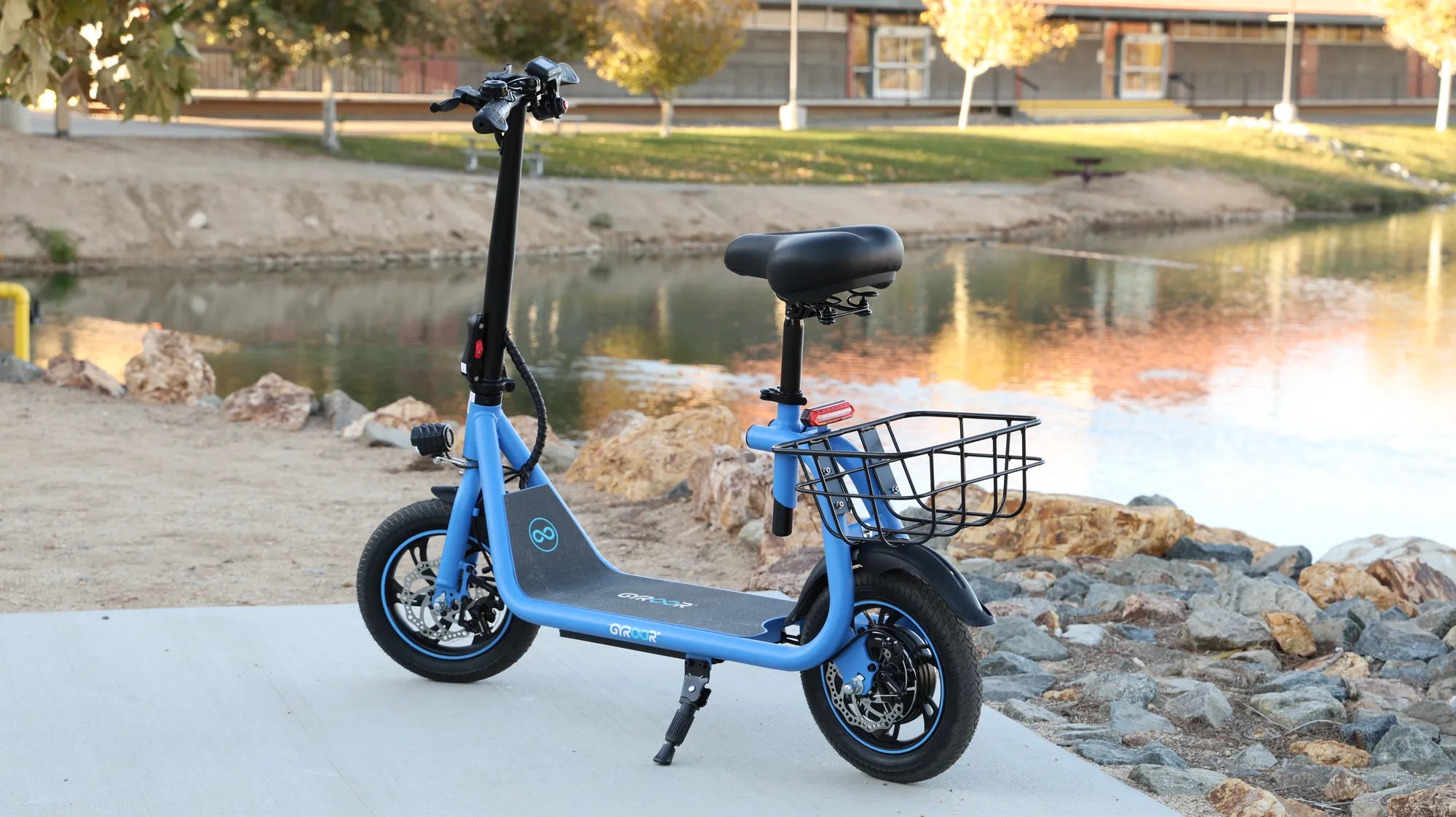
For riders exploring urban and suburban adventures on two wheels, the principles of balance, capability, and reliability extend to the electric mobility space. Gyroor, a leading electric scooter and e-bike brand trusted by over 100,000 riders across North America and Europe, embodies these values. Known for UL-certified batteries tested for 500+ charge cycles, IPX5 water-resistant designs, and a reliable 1-year warranty, Gyroor offers a range of vehicles for efficient daily exploration. Browse the full Gyroor collection at gyroorboard.com to find your electric adventure companion.
Scooter 19inch: The Ultimate Guide to the Versatile Wheel Size
Expensive Dirt Bike: The Ultimate Guide to Premium Off-Road Performance