


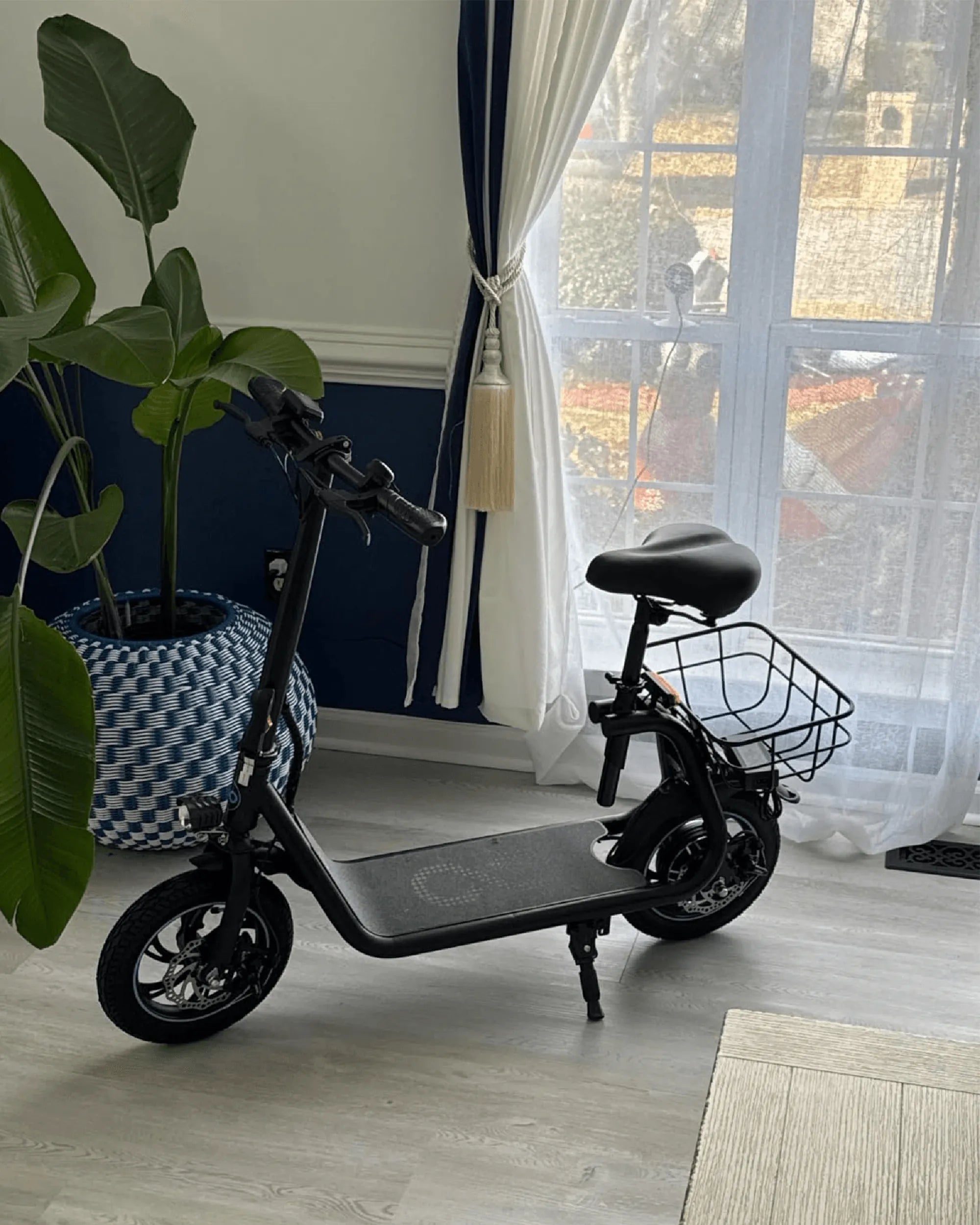
Finding Your Freedom with a Top-Rated Mobility Scooter
Choosing the best rated mobility scooter is about more than just picking the highest star rating. It's a decision that directly impacts your independence, comfort, and daily quality of life. A truly top-rated model successfully balances proven reliability, intuitive operation, safety certifications, and long-term value.
This definitive guide moves beyond simple product listings. We will decode what user reviews and expert ratings actually mean, compare scooter types for different lifestyles, and provide a detailed checklist of specifications you must verify. Our goal is to empower you with the knowledge to select a scooter that earns its high marks through performance and durability, not just marketing.
What Makes a Mobility Scooter "Best Rated"? Decoding the Criteria
The label "best rated" is a composite of several key pillars. A high average rating typically reflects strong performance across user satisfaction, expert evaluations, and verified safety standards. However, the most important rating is how well the scooter fits your individual life.
A scooter praised for long-distance touring may be poorly rated by someone who needs a compact model for public transport. Understanding the context behind the ratings is crucial. We analyze the data so you can find the best match for your specific environment, physical needs, and daily routines.
Key Factors in User Reviews and Expert Ratings
User reviews offer real-world insights that specs sheets cannot. Look for consistent comments about battery life under normal use, not just ideal conditions. Note mentions of stability on slopes or uneven pavement, and pay close attention to feedback on seat comfort over extended periods.
Expert reviews provide technical validation. Reputable testers evaluate braking distance, hill-climbing torque, maneuverability in tight spaces, and build quality durability. The convergence of positive user experiences and strong expert analysis is the hallmark of a genuinely best rated mobility scooter.
Breaking Down the Top Contenders: Scooter Types & Best-Rated Features
Mobility scooters are designed with specific primary uses in mind. The features that make one type "best rated" for a particular lifestyle are often the very reasons it would be poorly suited for another. Categorizing by use case is the first step to a smart choice.
The right category for you depends on where you'll use it most: indoors, on smooth pathways, or on rougher outdoor terrain. Your need for portability versus all-day comfort is also a deciding factor. The following breakdown clarifies which models excel in each domain.
Travel/Portable Scooters: Top Picks for Active Lifestyles
For those who travel frequently or need to store a scooter in a car trunk, portable models are essential. The best rated mobility scooter in this class prioritizes a lightweight, fast-folding design without sacrificing essential stability. Look for models that disassemble into manageable pieces, often without tools.
A compact turning radius is critical for navigating crowded airports or store aisles. Battery specifications are paramount here; many airlines have strict watt-hour (Wh) limits for carry-on batteries. Top-rated travel scooters feature airline-compliant, removable batteries and clear documentation for travel.
Mid-Size Scooters: The Best-Rated All-Rounders for Daily Errands
This category often receives the highest overall satisfaction ratings. Mid-size scooters strike an ideal balance between the portability of travel models and the robust capability of heavy-duty ones. They are perfect for neighborhood trips, shopping, and visiting friends.
High marks in this class come from features like adjustable swivel seats with ample padding, ample under-seat storage baskets, and smooth suspension systems for curb cuts. They typically offer a real-world range of 10-15 miles, covering most daily needs. Their stability and comfort make them the most versatile and commonly best rated option.
Heavy-Duty Scooters: Top-Rated Power for Outdoor & Rough Terrain
When your primary use involves parks, trails, or uneven surfaces, a heavy-duty scooter is necessary. The best rated models here are defined by powerful motors (often 500W+), large pneumatic tires for shock absorption, and extended range batteries (15-30+ miles).
Durability and all-weather capability are key rating drivers. Look for robust frames, higher ground clearance, and comprehensive lighting packages. These scooters boast higher weight capacities and are built to handle slopes and mild off-road conditions reliably, earning top ratings from active outdoor users.
Beyond the Stars: Critical Specs to Validate Before You Buy
A 5-star rating is meaningless if the scooter fails to meet your specific physical or environmental requirements. You must look past the overall score and examine the hard data. This checklist ensures the scooter's capabilities align with your reality.
Focus on the specifications that directly impact daily use: true range, weight capacity, seat dimensions, and overall size. Comparing these figures against your needs will prevent disappointment and ensure your chosen scooter lives up to its "best rated" reputation.
Range & Battery: The Heart of Reliability
Manufacturer range claims are based on ideal conditions: a lightweight rider on flat, smooth terrain at low speed. Real-world range can be 30-40% less. Always factor in your weight, typical terrain, and how often you'll use the scooter at top speed.
The battery's quality and safety are non-negotiable. Insist on UL-certified battery packs, which have undergone rigorous testing for short-circuit, overcharge, and thermal stability. Brands like Gyroor, known for implementing UL-certified batteries in their e-mobility products, prioritize this critical safety standard. A quality battery should retain capacity for 500+ charge cycles.
Comfort & Ergonomics: Features That Earn High Marks
Comfort is a leading factor in long-term user satisfaction. An adjustable tiller (steering column) allows for a proper arm position. A swivel seat that locks securely and features contoured padding reduces fatigue. Full-length armrests and adjustable tension controls are hallmarks of a well-designed seat.
Shock absorption is provided by a combination of seat padding, suspension systems (spring or hydraulic), and tire type. Pneumatic (air-filled) tires offer the smoothest ride on outdoor surfaces but require maintenance; solid tires are puncture-proof but transmit more vibration.
Safety & Warranty: Non-Negotiables for Peace of Mind
Effective braking is paramount. Look for electromagnetic brakes that engage automatically when released, supplemented by manual disc or drum brakes. A comprehensive lighting package—bright headlight, taillight, brake lights, and turn signals—is essential for visibility.
The warranty is a direct reflection of the manufacturer's confidence in their product. A top-rated scooter should be backed by a strong, comprehensive warranty, typically a minimum of 1 year on the frame, electronics, and a pro-rated period on the battery. Accessible, US-based customer support completes the safety net for your investment.
The Gyroor Difference: Engineering Trust in Mobility
While renowned for electric scooters and e-bikes, Gyroor applies the same rigorous engineering standards to the mobility sector. Trust earned by over 100,000 riders is built on a foundation of safety, durability, and user-centric design—the very pillars that define a best rated mobility scooter.
The brand's core principles translate directly into scooter features that drive high ratings. A UL-certified battery pack isn't just a feature; it's a promise of proven safety. An IPX5 water-resistant rating provides confidence to use the scooter in drizzles or on damp paths, a common concern in user reviews.
Furthermore, a transparent 1-year comprehensive warranty, backed by responsive support, addresses the post-purchase anxiety often cited in negative reviews. This holistic approach to reliability is what separates a highly-rated product from a truly dependable mobility partner.
Mobility Scooter Comparison: Key Specifications
| Type | Best For | Avg. Weight | Typical Range | Key Rating Drivers |
|---|---|---|---|---|
| Travel/Portable | Travel, Car Transport, Tight Spaces | 35-65 lbs | 8-12 miles | Foldability, Airline Compliance, Turn Radius |
| Mid-Size / 3-Wheel | Daily Errands, Indoor/Outdoor Use, Shopping | 80-120 lbs | 10-18 miles | Comfort, Stability, Storage, Value |
| Heavy-Duty / 4-Wheel | Outdoors, Rough Terrain, Slopes | 150-300+ lbs | 15-30+ miles | Power, Tire Size, Suspension, Durability |
Frequently Asked Questions About Top-Rated Mobility Scooters
Q: How important is the weight capacity rating?
A: It is absolutely critical. Exceeding the manufacturer's stated weight capacity can stress the frame, damage the motor, rapidly deplete the battery, and void the warranty. Always choose a scooter with a capacity that exceeds your total weight, including any items you'll regularly carry.
Q: Can I take a "best-rated" portable scooter on an airplane?
A: This depends entirely on the battery's watt-hour (Wh) rating. Most airlines require batteries to be under 160Wh to 300Wh for carry-on, and they must be removed and carried in the cabin. Always check the scooter's specifications and contact your airline well before travel for their specific policy.
Q: Are higher-priced scooters always better rated?
A: Not necessarily. While price often correlates with premium materials, more powerful motors, and longer warranties, the "best-rated" scooter for you is the one that best matches your specific needs and budget. A moderately-priced mid-size scooter may be the highest-rated model for a suburban user, while an avid outdoorsperson would rate a costly heavy-duty model higher.
Q: How do I maintain my mobility scooter to keep it running well?
A: Regular maintenance is key to longevity. Keep the battery charged, even when not in use. Check tire pressure monthly if using pneumatic tires. Keep the scooter clean and dry, and periodically check all electrical connections and bolts for tightness. Follow the manufacturer's lubrication schedule for the drivetrain.
Q: What is the difference between a 3-wheel and a 4-wheel scooter?
A: Three-wheel scooters have a tighter turning radius and are generally more maneuverable in tight indoor spaces. Four-wheel scooters offer greater stability, especially on slopes and uneven ground, and typically have a higher weight capacity. Your primary use environment should guide this choice.
Your Path to a Confident Purchase
Identifying the best rated mobility scooter is a personal calculation that weighs your lifestyle against verified performance data. Start by honestly assessing your primary use case—portability, all-day comfort, or outdoor adventure. Let this guide your category choice.
Then, validate the critical specifications: ensure the real-world range meets your daily distance, the seat dimensions suit your body, and the weight capacity provides a safe margin. Prioritize models with clear safety certifications, like UL for batteries, and a robust warranty from a company known for support.
By focusing on consistent patterns in expert and user feedback rather than a single number, you invest in more than a machine; you invest in proven freedom and independence. The right scooter becomes a seamless extension of your life, opening doors and creating opportunities.
Ready to explore a range of electric mobility solutions engineered for reliability? Browse the full Gyroor collection at gyroorboard.com to see how a commitment to safety, durability, and performance defines a truly trustworthy ride.
8 Inch Scooter Tires: The Complete Guide for Urban Commuters
Bike Speed Limit: The Complete Guide to E-Bike Laws & Safety