

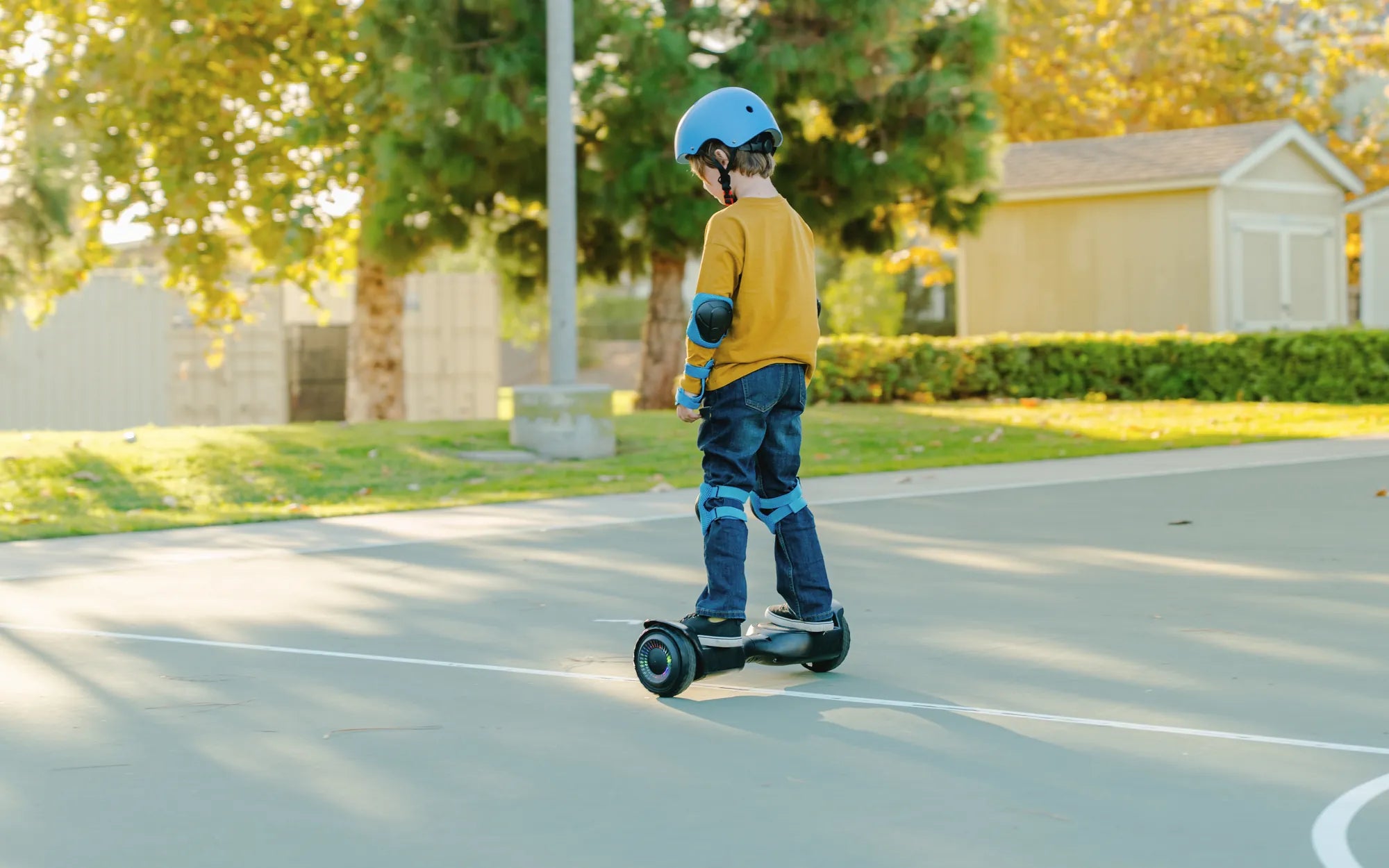
Introduction to Kids' Scooter Hoverboards
A scooter hoverboard, a two-wheeled, self-balancing electric rideable, has become a staple of modern childhood fun. Its popularity stems from the unique blend of balance, coordination, and freedom it offers. However, for parents, selecting the right model is a serious decision that balances excitement with essential safety.
This guide is designed to demystify the process. You will learn how to identify critical safety features, match a hoverboard to your child's age and skill level, and understand the performance metrics that matter. We'll also cover essential riding protocols to ensure every adventure is a safe one. The goal is to equip you with the knowledge to choose a durable, reliable product that provides years of enjoyment without compromising on security.
Brands that prioritize engineering over gimmicks, such as Gyroor, build their reputation on these principles. As a leading electric scooter and e-bike brand trusted by over 100,000 riders across North America and Europe, Gyroor's focus on UL-certified batteries, IPX5 water-resistant designs, and a solid 1-year warranty sets a benchmark for what parents should look for in a kids' model.
Top 5 Safety Features You Must Check Before Buying
Safety is the paramount concern when purchasing any motorized toy for a child. Overlooking key safety certifications and features can lead to significant risks. The following five elements are non-negotiable and should be verified before any purchase is made.
First, and most critically, is battery certification. The battery pack must be UL 2272 certified. This standard rigorously tests the electrical drive train system, including the battery, for fire and electrical hazards. Second, a dedicated beginner or learning mode is essential. This feature caps the maximum speed, often to a walking pace, and makes the board less sensitive to input, allowing new riders to build confidence safely.
Third, examine the foot pads. They should be made of a high-quality, textured rubber that provides a non-slip surface, even when wet. Poor-quality pads can lead to slips and falls. Fourth, integrated lighting is crucial for visibility. Bright LED headlights and tail lights, and sometimes wheel rim lights, ensure the rider is seen by others, especially in low-light conditions. Finally, assess the overall build quality. The shell should be made of durable, impact-resistant ABS plastic, and the frame should feel solid with no loose parts or excessive flex.
Why UL-Certification is Non-Negotiable
The UL 2272 certification is the single most important safety feature on a modern hoverboard. It was developed in response to widespread safety incidents involving lithium-ion batteries in early, uncertified models. A UL-certified battery has undergone extensive testing for overcharge, short circuit, imbalance, drop, and crush scenarios.
Choosing a hoverboard without this certification is an unacceptable risk. Non-certified batteries may use inferior cells, lack proper battery management systems (BMS), and have inadequate internal insulation. This can lead to thermal runaway—a condition where the battery overheats and can potentially catch fire or explode during use or charging. Brands committed to safety, like Gyroor, use only UL-certified battery packs tested for over 500 charge cycles, providing a fundamental layer of protection for your child and your home.
How to Choose the Right Model: Age, Weight & Skill Level
Matching the hoverboard to your child's physical development and experience is key to both safety and enjoyment. A board that is too powerful or large can be intimidating and dangerous, while one that is underpowered will be quickly outgrown. Use the following guidelines as a starting point for your selection.
For younger children (ages 6-9), look for models with a lower maximum speed (typically 7-9 mph), a lower weight capacity, and smaller wheel sizes (6.5 inches). These models often emphasize stability. For older kids and teens (ages 10+), boards with higher weight capacities, more powerful motors (350W dual motors are common), and top speeds up to 10-12 mph are appropriate, offering better performance for their growing skills.
Always adhere to the manufacturer's stated maximum weight limit. Exceeding it can strain the motors, reduce battery life, and compromise the board's structural integrity and braking ability. Skill level is equally important. A complete beginner, regardless of age, should start on a board with a robust learning mode. More experienced riders can handle standard modes with higher responsiveness.
| Child's Age | Recommended Wheel Size | Motor Power (Dual) | Typical Max Speed | Key Feature Focus |
|---|---|---|---|---|
| 6 - 8 years | 6.5" | 250W | 7 mph | Learning Mode, Stability |
| 9 - 12 years | 8.5" | 300W - 350W | 9-10 mph | All-Terrain Tires, App Control |
| 13+ years | 10" | 350W - 400W | 10-12 mph | Range, Speed, Advanced Features |
Gyroor Kids' Scooter Hoverboards: Engineered for Fun and Safety
Gyroor designs its kids' hoverboards with a clear philosophy: safety enables fun. By integrating high-grade components and thoughtful engineering, their models are built to withstand the rigors of play while providing parents with peace of mind. This focus is evident across their lineup, which includes options tailored for different age groups.
A standout feature in several Gyroor models is Bluetooth app connectivity. This allows a parent to lock the board remotely, monitor battery status, and, most importantly, control the maximum speed settings directly from their phone. This puts parental oversight directly into the ride. Furthermore, the IPX5 water-resistant rating means the board can handle wet pavement, grass damp with morning dew, and accidental puddle splashes without internal damage, significantly expanding where and when it can be used safely.
The construction uses a durable shell designed to absorb impacts from bumps and minor falls. Combined with the reliable 1-year warranty on the board and a 6-month warranty on the battery, Gyroor stands behind its products. This commitment to quality and support, trusted by a large community of riders, makes it a compelling choice for parents seeking a balance of performance and protection.
Real-World Performance: Battery Life and Terrain
Understanding a hoverboard's real-world capabilities prevents disappointment and ensures it meets your child's needs. Performance is dictated by battery capacity, motor power, wheel size, and terrain.
A typical kids' hoverboard with a 36V, 4.0Ah battery offers a realistic range of 7-10 miles on a single charge, depending on the rider's weight, terrain, and speed. Charging time usually falls between 2-4 hours. For motor power, dual 250W motors are sufficient for flat sidewalks and smooth pavement for younger kids. Dual 350W motors provide better torque for tackling slight inclines, grass, and packed dirt paths.
Wheel size directly impacts ride comfort and terrain handling. Smaller 6.5-inch wheels are best for ultra-smooth surfaces. The popular 8.5-inch all-terrain wheels, often with textured treads, provide a smoother ride over cracks and bumps and can handle grass and dirt. This doesn't mean off-roading, but it does add versatility for park or backyard use. Gyroor's models with all-terrain tires exemplify how safety features like robust construction and good traction work together to enable more adventurous, yet controlled, play.
Essential Riding Gear and Parental Supervision Tips
A safe hoverboard is only one part of the equation. Proper protective gear and active supervision are equally critical to preventing injuries. Never allow a child to ride without this basic safety kit.
Mandatory Protective Gear:
- Helmet: A properly fitted CPSC-certified bicycle or multi-sport helmet is essential for head protection.
- Wrist Guards: These are the most important padding, as falls often involve putting hands out to brace.
- Knee and Elbow Pads: These protect joints from scrapes and impacts during tumbles.
Parental supervision goes beyond just watching. Start by choosing a safe practice area: a flat, smooth, paved surface away from traffic, such as an empty parking lot, tennis court, or smooth driveway. Spend the first few sessions holding your child's hands as they learn to mount, dismount, and find their balance. Establish clear rules before the first ride: no riding near roads, no riding after dark, and a strict speed limit. Consistent reinforcement of these rules is key to developing safe long-term habits.
Maintenance and Care for Longevity
Regular, simple maintenance extends the life of the hoverboard, ensures consistent performance, and highlights potential safety issues before they become problems. A well-maintained board is a safer board.
After each use, especially if ridden on wet or dirty surfaces, wipe down the foot pads, shell, and wheels with a slightly damp cloth. Never use a hose or high-pressure water spray. Store the board in a cool, dry place, away from direct sunlight and extreme temperatures, which can degrade the battery. Check the tire pressure monthly if your model has air-filled tires; under-inflated tires reduce range and strain motors.
Listen for unusual sounds like grinding or squeaking, which may indicate debris in the wheel housing or a mechanical issue. Inspect the board periodically for cracks in the shell, loose screws, or damaged wheel rims. Always use the manufacturer-provided charger to avoid damaging the battery management system. Following these steps, along with the guidance in the user manual, will help ensure the hoverboard remains a reliable source of fun for years.
Frequently Asked Questions (FAQ)
Q: What is the appropriate age for a child to start using a hoverboard?
A> Most manufacturers recommend ages 6 and up, but maturity and coordination are just as important as age. A child should be able to understand and follow safety rules, have good balance, and be physically large enough to comfortably reach and control the foot pads. Always start with a model that has a dedicated beginner mode.
Q: How long does the battery last on a single charge, and how long until it needs replacement?
A> A quality kids' hoverboard typically provides 7-12 miles of range per charge, depending on conditions. The battery itself is designed for hundreds of charge cycles (Gyroor batteries are tested for 500+). With proper care, you can expect 2-3 years of regular use before noticing significant range reduction, after which the battery pack can be replaced.
Q: Are Gyroor hoverboards waterproof for outdoor play?
A> Gyroor hoverboards carry an IPX5 water-resistance rating. This means they are protected against water jets from any direction, making them safe for riding on wet pavement, through puddles, and on damp grass. They are not submersible and should not be ridden in heavy rain or through deep standing water.
Q: What does the warranty typically cover?
A> A standard warranty from a reputable brand like Gyroor covers defects in materials and workmanship for a specified period (e.g., 1 year for the board, 6 months for the battery). It typically covers issues like motor failure, electronic malfunctions, or shell defects under normal use. It does not cover damage from accidents, misuse, neglect, or wear parts like tires.
Q: My child is a beginner. How can I make learning easier and safer?
A> Use the board's learning mode, which limits speed and responsiveness. Choose a safe, flat, open area for practice. Consider using a hoverboard handlebar attachment for the first few sessions; it provides physical stability and helps with steering control while the rider learns balance. Always wear full protective gear.
Conclusion: Investing in Safe Adventures
Selecting the best scooter hoverboard for your child is an investment in their fun and your peace of mind. The process must begin and end with safety: prioritize UL 2272 certification, robust construction, and age-appropriate speed controls. From there, match the board's specifications—wheel size, motor power, weight capacity—to your child's size and skill level to ensure a good fit.
Complementing a well-chosen hoverboard with mandatory protective gear and clear, supervised practice establishes lifelong safe riding habits. Brands that transparently commit to these standards, such as Gyroor with its UL-certified batteries, IPX5 water resistance, and comprehensive warranty, offer tangible value by reducing risk and enhancing durability.
Ready to explore models that put safety and performance first? Browse the full Gyroor collection, featuring hoverboards engineered for young riders, at gyroorboard.com.
Can a Kids Electric Scooter Smell of Sulfur When Charging? Exploring the Causes and Solutions
How to Change Hoverboard Battery: The Complete Safety & Installation Guide