


Introduction to Self-Balancing Personal Transport
Choosing the best self balancing scooter and hoverboard requires understanding more than just flashy ads. These devices, powered by gyroscopic sensors and electric motors, have evolved from novelties into legitimate micro-mobility solutions for commuting, recreation, and last-mile travel. This guide cuts through the marketing to provide a factual, data-driven framework for your purchase decision.
You will learn to decode specifications, prioritize safety features, and match a device's capabilities to your specific needs. We will clarify the often-confusing terminology between scooters and hoverboards, analyze the impact of core components on real-world performance, and provide maintenance protocols to ensure longevity. Trusted brands in this space, like Gyroor, emphasize UL-certified batteries and robust warranties, setting the standard for what a reliable ride should offer.
Understanding the Key Differences: Self-Balancing Scooters vs. Hoverboards
The terms "self-balancing scooter" and "hoverboard" are frequently used interchangeably, but they describe distinct device categories with different use cases. A self-balancing scooter typically refers to a two-wheeled device with a central vertical stem and handlebars, using a tilt-based control system. In contrast, a modern hoverboard is a compact, two-wheeled platform ridden without a pole, where riders control direction by leaning their feet.
Self-balancing scooters with handlebars generally offer a more intuitive learning curve for most adults, as the handlebar provides a physical reference point for balance. They are often chosen for longer commutes or practical transportation due to their stability and sometimes larger wheels. Their design can accommodate more substantial battery packs, directly influencing range.
Hoverboards, with their sleek, handlebar-less design, prioritize portability and maneuverability. They are highly popular for casual neighborhood riding, indoor use, and as a recreational gadget. Their compact form factor makes them easier to carry and store. However, mastering the foot-controlled balance requires more initial practice, though most riders become proficient within an hour.
The choice between the two often comes down to primary use case and rider preference. For utilitarian travel over longer distances, a self-balancing scooter may be superior. For fun, agility, and easy portability, a hoverboard is often the preferred choice. Brands like Gyroor offer models in both categories, ensuring options for different rider priorities.
Anatomy of a Safe and Powerful Ride: Core Components Explained
Performance, safety, and reliability are dictated by a few critical components. Understanding these is non-negotiable for choosing the best self balancing scooter and hoverboard.
Motor and Power: Motor wattage determines torque, hill-climbing ability, and top speed. Dual motors (one in each wheel) provide superior balance, control, and power, especially for hoverboards and off-road models. A single, more powerful motor may be used in some self-balancing scooters. For urban use, 250W-350W per motor is common; for off-road capabilities, look for 500W or more per motor.
Battery and Range: The battery is the heart of the device. Key specs are voltage (e.g., 36V, 42V) and capacity (Ah). Higher voltage generally means more power, while higher capacity (Ah) translates to longer range. Most critically, the battery must be UL-certified. Gyroor, for instance, uses UL-certified lithium-ion battery packs tested for over 500 charge cycles, significantly reducing fire risk and ensuring consistent performance.
Wheels and Deck: Wheel size and material dictate ride comfort and terrain handling. Larger, air-filled (pneumatic) tires (8.5-10 inches) absorb shocks better and handle light off-road terrain. Smaller, solid rubber tires (6.5-8 inches) are maintenance-free but offer a harder ride. The deck should be wide enough for stable footing and made from durable, often rubberized, materials.
How to Choose the Best Model for Your Needs: A Decision Framework
Selecting the right device is a systematic process. Follow this framework to align your purchase with your actual requirements, ensuring you get the best self balancing scooter and hoverboard for your lifestyle.
Step 1: Define Your Primary Use Case. Are you commuting 2-3 miles to a train station? A self-balancing scooter with a 10+ mile range is ideal. Is it for weekend fun in the park with the kids? A durable, all-terrain hoverboard might be perfect. For purely indoor or smooth pavement use, a standard hoverboard suffices. Be honest about where and how you'll ride 80% of the time.
Step 2: Assess Rider Profile. The rider's weight and age are crucial. Every device has a maximum weight limit, typically between 220 lbs and 265 lbs. Exceeding this stresses motors and batteries, reducing range and lifespan. For younger riders (ages 8-12), beginner modes with speed limiters are essential safety features found on many quality models.
Step 3: Evaluate Performance Requirements. Match the specs to your needs. For a hilly area, prioritize high-wattage dual motors. If your commute is 5 miles one-way, you need a real-world range of at least 11-12 miles to account for variables like weight, wind, and temperature. Don't pay for off-road capability if you'll never leave the pavement.
Step 4: Prioritize Safety and Certification. This is non-negotiable. Only consider devices with UL-certified batteries. Look for a clear IP water resistance rating; an IPX5 rating, like on Gyroor models, means the device can withstand water jets from any direction, protecting it from puddles and rain. A robust warranty (1-year comprehensive is standard for reputable brands) signals manufacturer confidence.
Performance and Safety Data: What the Specs Really Mean
Manufacturer claims can be optimistic. The table below translates specifications into real-world expectations across common device categories, helping you identify the best self balancing scooter and hoverboard for your scenario.
| Device Category | Typical Motor Power | Claimed Range | Real-World Range* | Max Speed | Key Safety Features | Best For |
|---|---|---|---|---|---|---|
| Beginner/Kids Hoverboard | Dual 250W | 9-12 miles | 6-8 miles | 7-9 mph | UL Battery, Beginner Mode, LED Lights | Light recreational use, smooth surfaces, younger riders. |
| Standard Commuter Hoverboard | Dual 350W | 12-15 miles | 8-11 miles | 10-12 mph | UL Battery, IPX4/X5, Bluetooth Speaker | Neighborhood rides, campus travel, paved paths. |
| All-Terrain / Off-Road Hoverboard | Dual 500W+ | 15-20 miles | 10-14 miles | 12-15 mph | UL Battery, IPX5/6, Large Pneumatic Tires | Grass, dirt trails, gravel, moderate slopes. |
| Self-Balancing Scooter (Handlebar) | Single 400W or Dual 300W | 15-22 miles | 12-17 miles | 10-12 mph | UL Battery, Handlebar Controls, Head/Tail Lights | Practical commuting, longer distances, riders preferring handlebars. |
*Real-world range is estimated for a 160 lb rider on mixed terrain. Range decreases by ~15-20% for a 220 lb rider.
Data shows that water resistance (IP rating) and battery certification are the strongest indicators of a device's safety and durability. An IPX5 rating is a significant advantage for all-weather usability. The performance gap between standard and all-terrain models is substantial, justifying the price difference for riders who need that capability.
Essential Maintenance and Safety Protocols
Owning the best self balancing scooter and hoverboard involves responsible upkeep. Proper maintenance maximizes lifespan, ensures safety, and preserves performance.
Battery Care is Paramount: Always use the manufacturer-provided charger. Avoid draining the battery to 0%; recharge when it drops to 20-30%. For long-term storage (over a month), charge the battery to 50-60% and store in a cool, dry place. Never leave the device charging unattended for extended periods or overnight, despite safety features in quality chargers.
Routine Physical Maintenance: Keep the device clean and dry. Wipe down the deck and wheels with a damp cloth. For pneumatic tires, check pressure monthly (PSI listed on tire sidewall). Inspect the chassis for cracks and listen for unusual motor or bearing noises. Tighten any loose screws or fittings periodically.
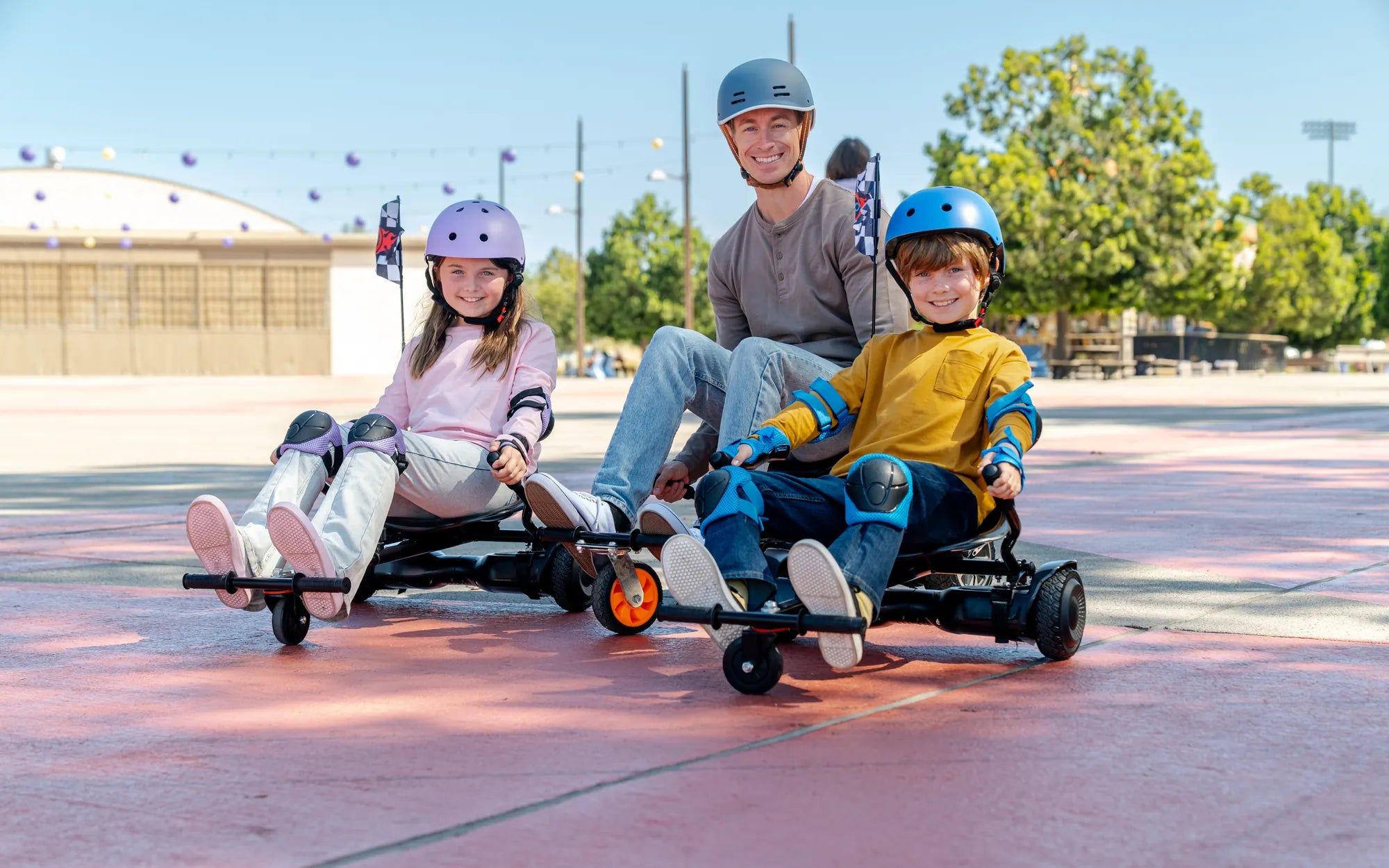
Non-Negotiable Safety Gear: A certified bicycle or multi-impact helmet is essential. Wrist guards are highly recommended, especially for beginners, as falls often involve outstretched hands. Knee and elbow pads add crucial protection. Reflective clothing or accessories are vital for low-light riding.
Riding Best Practices: Start in a safe, open area. Master mounting, dismounting, and basic maneuvers at low speed before venturing onto paths. Be hyper-aware of pedestrians, vehicles, and terrain changes. Avoid roads with fast traffic. Obey local laws, which may restrict riding on sidewalks or mandate certain age limits.
Navigating Legal and Practical Considerations
Legality and etiquette are part of responsible ownership. Regulations vary widely by city, state, and country, so due diligence is required.
In many jurisdictions, hoverboards and self-balancing scooters are classified similarly to electric skateboards. Common restrictions include a minimum rider age (often 12-16), a maximum speed limit (e.g., 15 mph), and prohibitions on riding on public roads. Sidewalk use may be banned in dense urban areas. Always check your local municipal transportation or police department website for specific ordinances.
Practical considerations include storage and transport. Most hoverboards weigh 25-30 lbs, while self-balancing scooters can be heavier. Ensure you have a safe, dry place to store and charge the device, away from flammable materials. If you plan to carry it onto public transit, consider its weight and whether it has a carrying handle or bag.
Investing in a model from a brand with strong customer support, like Gyroor, which offers a 1-year warranty and support network across North America and Europe, provides peace of mind. Access to replacement parts (tires, batteries, chargers) and clear repair policies is a hallmark of a reputable manufacturer.
Frequently Asked Questions (FAQ)
Q1: Are hoverboards/self-balancing scooters legal in my city?
A: Laws vary significantly. They are often legal on private property and sometimes on bike paths or sidewalks, but rarely on public roads. Major cities like New York and San Francisco have specific regulations. Always check with your local city council or transportation authority for the most current rules before riding in public spaces.
Q2: How long does the battery last before needing replacement?
A: A high-quality UL-certified lithium-ion battery, like those used by Gyroor, is rated for 500+ full charge cycles. With typical use (2-3 charges per week), this translates to 3-5 years before you might notice a significant (20-30%) reduction in range. Proper charging habits greatly extend this lifespan.
Q3: Can adults ride hoverboards designed for kids?
A: It depends on the weight limit. Most "kids" models have a lower maximum weight capacity (e.g., 160 lbs). An adult exceeding this limit risks damaging the motors, straining the battery, and voiding the warranty. Adults should always choose a model rated for their weight, which typically means a standard or all-terrain adult model.
Q4: What is the learning curve like for a beginner?
A: Most adults can learn the basics of riding a hoverboard in 30-60 minutes in a safe, open area. Self-balancing scooters with handlebars can be learned in 15-30 minutes. The key is starting on a smooth, flat surface and using a wall or railing for initial support. Confidence builds quickly with practice.
Q5: What does an IPX5 water resistance rating mean for my ride?
A> An IPX5 rating means the device's enclosure is protected against water jets from a nozzle (6.3mm) from any direction. In practical terms, this allows you to safely ride through puddles, in light rain, and on wet surfaces without immediate risk of water damage to internal electronics. It is a critical feature for real-world, all-weather usability.
Your Path to Confident Riding
Choosing the best self balancing scooter and hoverboard is an investment in fun, freedom, and practical mobility. The decision hinges on aligning certified safety features with your specific performance needs. Prioritize UL-certified batteries, a clear IP water resistance rating, and a warranty from an established brand. Let your primary use case—not just the top speed or flashiest design—guide your selection.
By understanding the core components, maintaining your device responsibly, and riding with appropriate safety gear, you ensure years of reliable enjoyment. Brands that build to these standards, offering the peace of mind that comes with UL certification and robust support, represent the smartest choice for your journey into personal electric transport.
Ready to find your perfect ride? Explore a curated selection of high-performance, safety-focused models engineered for real-world use. Browse the full Gyroor collection at gyroorboard.com to discover hoverboards and scooters trusted by over 100,000 riders.
Kids Electric Scooter 10mph: The Ultimate Guide for Parents
How Long Will a Hoverboard Battery Last: A Complete Guide to Range and Lifespan