

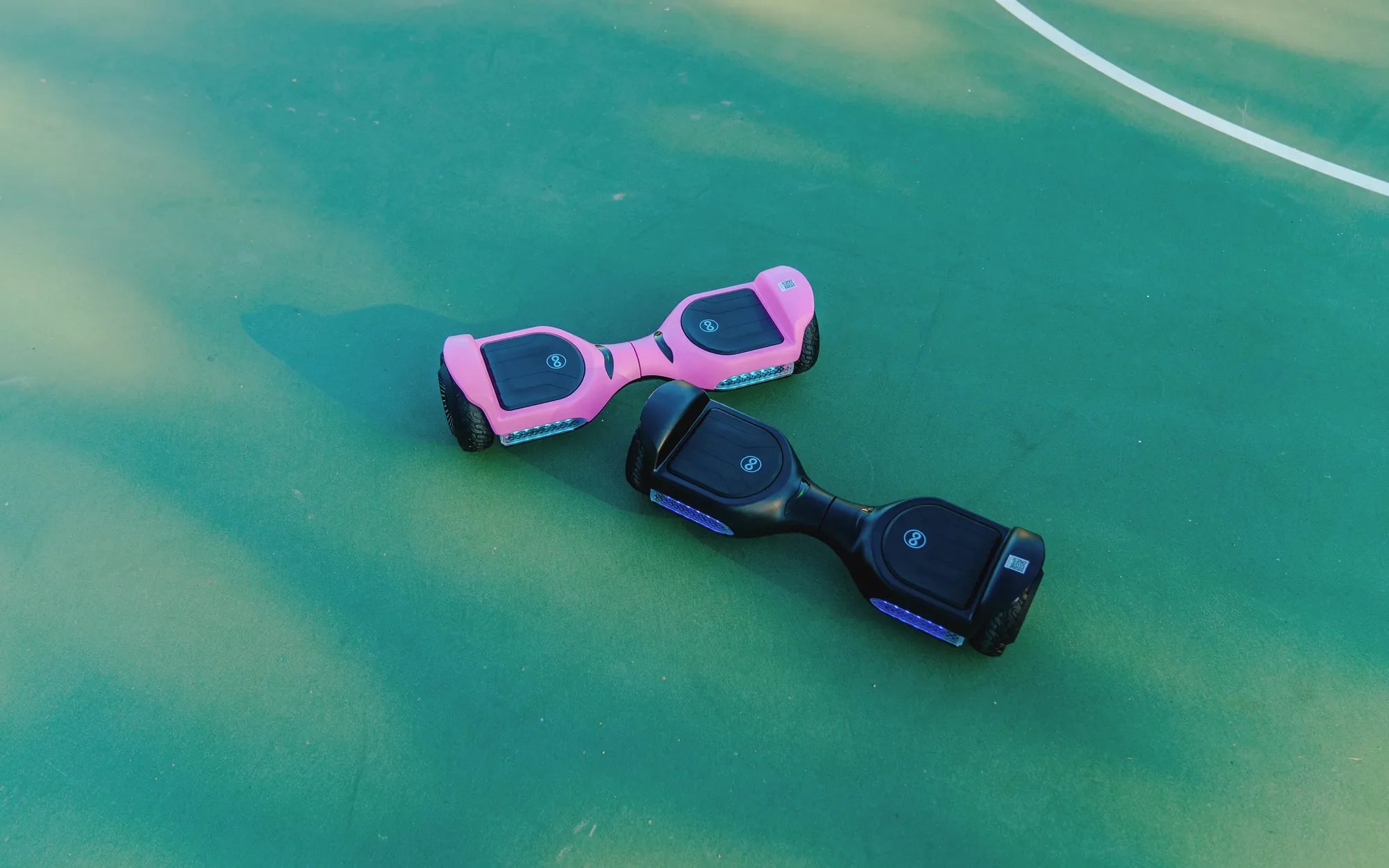
Ever watched someone effortlessly glide on a hoverboard and wished you could do the same? Learning to ride a hoverboard is not as intimidating as it seems—with the right approach, you’ll be cruising in no time. Whether you’re a complete beginner or looking to refine your skills, this guide will walk you through the best way to learn to ride a hoverboard safely and confidently.
1. Start with the Right Gear
Before you even step onto a hoverboard, safety should be your top priority. Wearing the right gear can prevent injuries and boost your confidence. Here’s what you’ll need:
- Helmet: A properly fitted helmet is non-negotiable to protect your head.
- Knee and Elbow Pads: These will cushion any falls and protect your joints.
- Wrist Guards: Essential to prevent fractures or sprains if you lose balance.
- Comfortable Shoes: Wear flat, closed-toe shoes with good grip for better control.
2. Find a Safe Practice Area
Choosing the right location is crucial for your first hoverboard experience. Look for:
- Flat, Smooth Surfaces: Avoid slopes, gravel, or uneven terrain initially.
- Open Spaces: A spacious area with minimal obstacles reduces the risk of collisions.
- Indoor Options: A carpeted room or gymnasium can provide extra stability.
3. Get Familiar with Your Hoverboard
Before riding, spend some time understanding how your hoverboard works:
- Power On/Off: Learn how to turn the device on and off safely.
- Foot Placement: Stand with your feet shoulder-width apart, near the center of the board.
- Balance Test: Practice stepping on and off while holding onto a wall or railing.
4. Master the Basics of Balance
Balance is the foundation of hoverboard riding. Follow these steps:
- Start Slow: Keep your movements gradual to avoid sudden shifts.
- Look Ahead: Focus on a point in the distance to maintain stability.
- Bend Your Knees: A slight bend helps absorb shocks and improves control.
5. Learn How to Move Forward and Backward
Once comfortable with balance, practice moving:
- Forward: Lean slightly forward from your ankles, not your waist.
- Backward: Lean back gently to reverse direction.
- Stop: Return to a neutral, upright position to halt.
6. Practice Turning and Steering
Turning requires subtle weight shifts:
- To Turn Left: Apply slight pressure with your right foot.
- To Turn Right: Apply slight pressure with your left foot.
- Start Wide: Begin with gentle turns before attempting sharper ones.
7. Build Confidence with Advanced Techniques
Once you’re comfortable, try these skills:
- Spinning: Rotate in place by pushing one foot forward and the other backward.
- Obstacle Navigation: Practice weaving around cones or small objects.
- Speed Control: Gradually increase your speed while maintaining balance.
8. Stay Safe and Have Fun
Safety should always come first, even as you gain confidence:
- Avoid Traffic: Stay away from roads or crowded areas until you’re skilled.
- Check Battery Life: Never ride on a low battery to prevent sudden shutdowns.
- Practice Regularly: Consistency is key to mastering hoverboard riding.
Ready to take your hoverboard skills to the next level? With patience, practice, and the right techniques, you’ll soon be gliding effortlessly and turning heads wherever you go. Don’t wait—grab your gear, find a safe spot, and start your hoverboard journey today!
How to Play Music on Hoverboard: A Step-by-Step Guide
What Does It Mean When Your Hoverboard Blinks Orange: A Troubleshooting Guide