


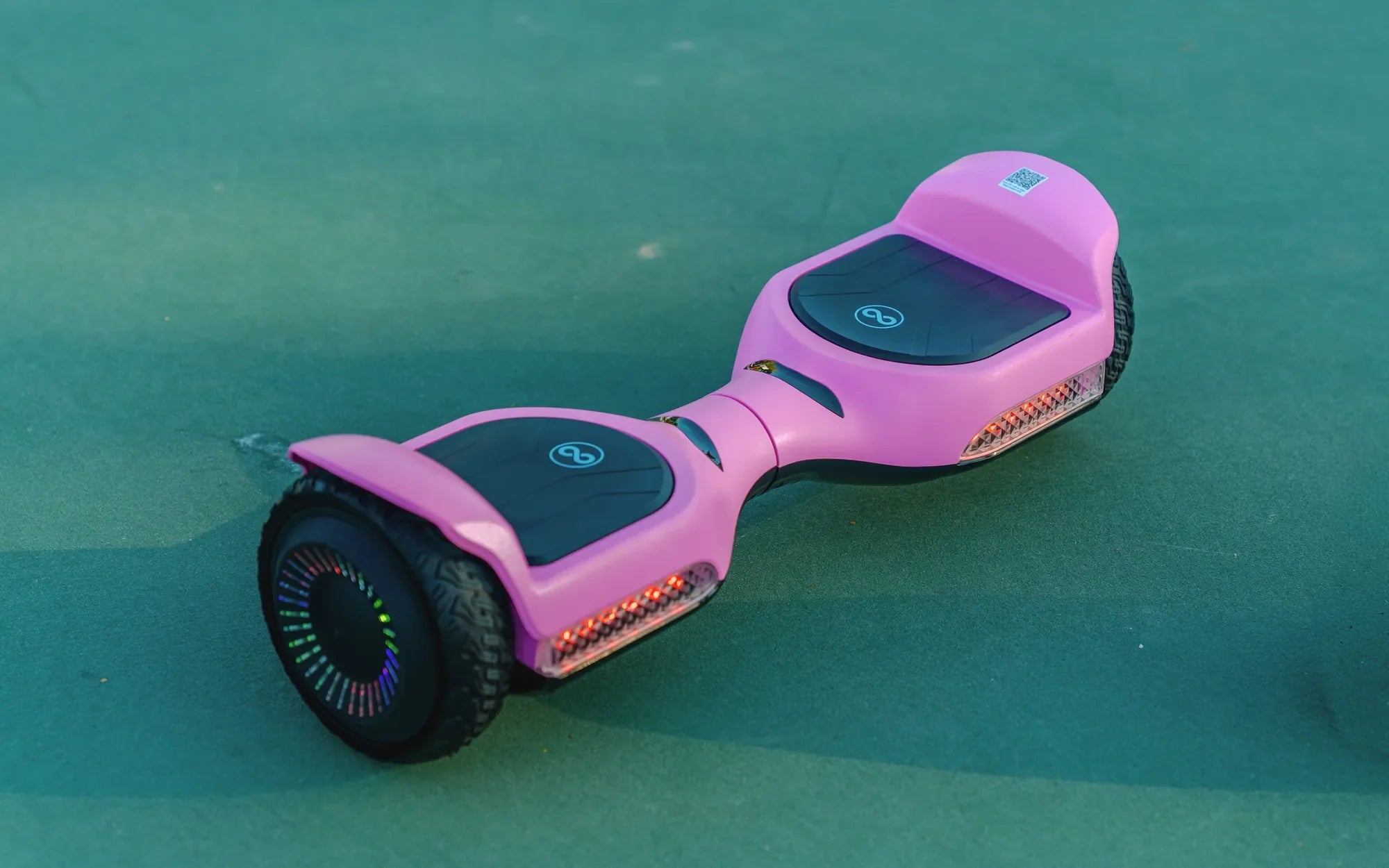
Hoverboards have become a popular mode of transportation and a fun way to learn balance and coordination. However, for beginners, mastering the brakes is crucial for safety. Whether you're a parent teaching your child or an adult trying it for the first time, understanding how brakes for hoverboard for learning work can make all the difference.
Why Brakes Are Essential for Learning Hoverboards
Brakes are one of the most critical components of a hoverboard, especially for beginners. Without proper braking mechanisms, riders risk losing control, leading to falls and injuries. Learning how to use brakes effectively ensures a smoother and safer experience.
Types of Brakes for Hoverboards
There are several types of brakes commonly found in hoverboards designed for learning:
1. Electronic Braking System
Most modern hoverboards use an electronic braking system. When the rider leans backward, sensors detect the movement and engage the brakes. This system is intuitive and responsive, making it ideal for beginners.
2. Foot Pedal Brakes
Some hoverboards feature foot pedal brakes, where applying pressure to the rear of the footpad slows the device down. This method requires a bit more practice but offers precise control.
3. Regenerative Braking
Regenerative braking not only slows the hoverboard but also recharges the battery slightly. This eco-friendly option is becoming more common in advanced models.
How to Use Brakes Safely
Learning to brake properly is just as important as learning to ride. Here are some tips:
- Start Slow: Practice braking at low speeds before attempting faster rides.
- Lean Gradually: Avoid sudden backward leans, as this can cause jerky stops.
- Use Protective Gear: Always wear a helmet and pads while learning.
Maintaining Your Hoverboard Brakes
Regular maintenance ensures your brakes remain effective. Check for wear and tear, clean the sensors, and ensure the footpads are responsive. If you notice any issues, consult the manufacturer's guidelines or a professional.
Common Braking Mistakes to Avoid
Beginners often make these mistakes when using hoverboard brakes:
- Over-leaning: Leaning too far back can cause the hoverboard to stop abruptly, leading to falls.
- Ignoring Terrain: Braking on uneven or slippery surfaces requires extra caution.
- Neglecting Maintenance: Failing to check brake functionality can lead to accidents.
Choosing the Right Hoverboard for Learning
When selecting a hoverboard for learning, prioritize models with reliable braking systems. Look for features like responsive sensors, adjustable speed settings, and sturdy construction.
Mastering brakes for hoverboard for learning is the key to a safe and enjoyable experience. With the right techniques and maintenance, you'll be gliding smoothly in no time. Ready to take your first ride?
Cheap Blue Hoverboard Bluetooth: The Ultimate Guide to Affordable Fun
Customize Your Own Hoverboard Online: The Ultimate Guide to Personalization