


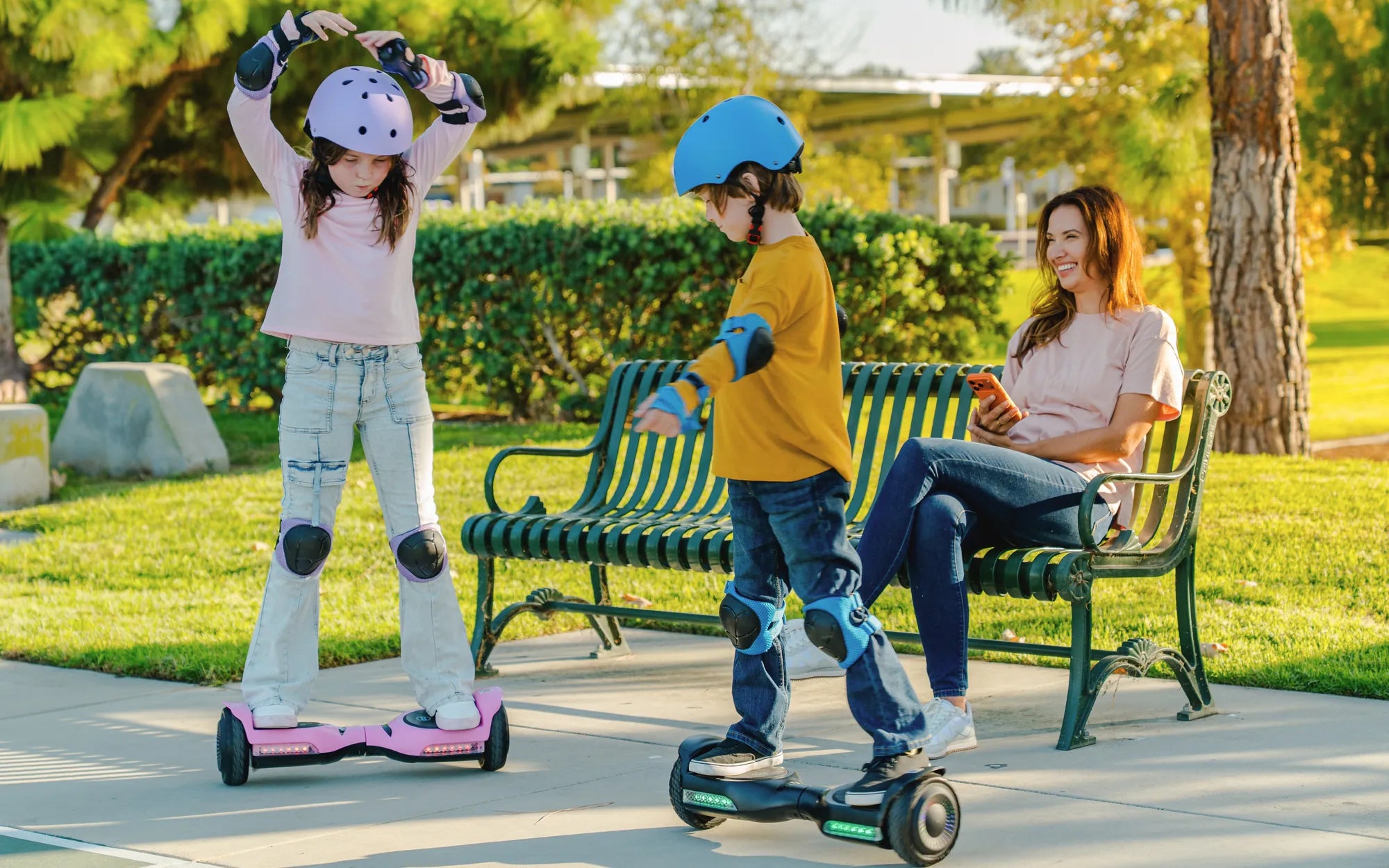
Remember the thrill of gliding effortlessly on a hoverboard? The futuristic sensation of floating above the ground, turning heads wherever you went? Hoverboards were more than just a trend—they were a glimpse into the future of personal mobility. Yet, as quickly as they rose to fame, they faded into obscurity. But now, with cutting-edge innovations and a growing demand for eco-friendly transport, it's time to bring hoverboards back—and this time, for good.
The Rise and Fall of Hoverboards
Hoverboards burst onto the scene in the mid-2010s, promising a revolutionary way to commute. They were sleek, portable, and undeniably cool. Celebrities rode them, viral videos showcased their potential, and for a brief moment, it seemed like everyone wanted one. However, safety concerns, battery issues, and regulatory hurdles quickly dampened the hype. Many models were banned from flights, and some cities restricted their use on sidewalks. The dream of hoverboards as a mainstream transportation option seemed to vanish overnight.
Why Hoverboards Deserve a Comeback
Fast-forward to today, and the landscape has changed dramatically. Battery technology has advanced, making hoverboards safer and more efficient. Self-balancing algorithms have improved, reducing the risk of accidents. Moreover, the push for sustainable transportation has never been stronger. Hoverboards, with their zero-emission electric motors, align perfectly with the global shift toward greener alternatives. Imagine a world where short commutes are effortless, traffic jams are a thing of the past, and urban mobility is redefined—hoverboards could make this a reality.
Technological Innovations Paving the Way
The key to bringing hoverboards back lies in innovation. Modern hoverboards feature enhanced stability controls, longer battery life, and even smart connectivity. Some prototypes are experimenting with magnetic levitation, bringing us closer to the sci-fi vision of true hovering. These advancements address the shortcomings of earlier models, making them safer and more reliable. With continued investment in research and development, hoverboards could soon rival e-bikes and scooters as the go-to choice for urban commuters.
The Environmental and Practical Benefits
Beyond their cool factor, hoverboards offer tangible benefits. They’re compact, eliminating the need for parking spaces. They’re energy-efficient, requiring far less power than cars or even public transport. And they’re fun—a critical factor in encouraging people to adopt sustainable habits. Cities could integrate hoverboard lanes or charging stations, further normalizing their use. By embracing hoverboards, we’re not just reviving a nostalgic gadget; we’re investing in a cleaner, more efficient future.
Overcoming the Challenges
Of course, challenges remain. Public perception needs to shift, and regulations must adapt to accommodate hoverboards as legitimate transportation. Safety standards will be crucial to prevent past mistakes. But with the right approach—collaboration between manufacturers, policymakers, and urban planners—these obstacles are surmountable. The potential rewards far outweigh the risks.
The time is ripe to bring hoverboards back. They represent more than just a gadget; they’re a symbol of innovation, sustainability, and the endless possibilities of personal mobility. Whether you’re a tech enthusiast, an eco-conscious commuter, or someone who just misses the thrill of gliding, the hoverboard revolution is waiting—and it’s time to join the ride.
Cheap Affordable Hoverboards: The Ultimate Guide to Budget-Friendly Rides
Best Inexpensive All Terrain Hoverboard: Top Picks for Adventure on a Budget