



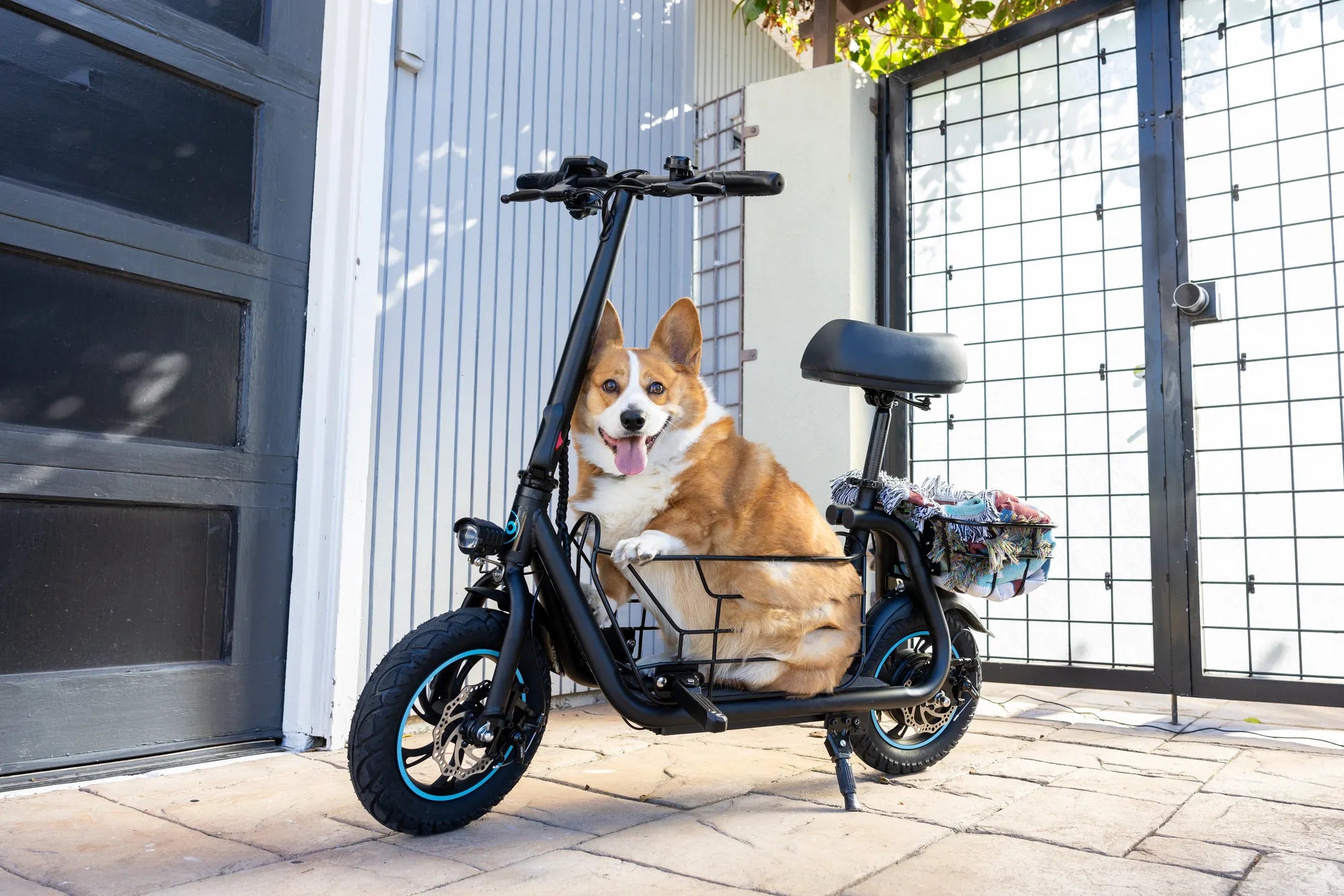
Ever dreamed of cruising around town on a custom electric scooter you built yourself? With the right tools and a bit of patience, building your own electric scooter kit can be an incredibly rewarding project. Whether you're a DIY enthusiast or just looking for a fun way to get around, this guide will walk you through everything you need to know.
Why Build Your Own Electric Scooter Kit?
Building your own electric scooter offers several advantages over buying a pre-made model. For starters, you gain complete control over the design, performance, and features of your scooter. You can tailor it to your specific needs, whether that means prioritizing speed, range, or portability. Additionally, DIY projects often cost less than retail options, and you'll gain valuable skills in the process.
Essential Components for Your DIY Electric Scooter
Before you start assembling, you'll need to gather all the necessary parts. Here's a breakdown of the key components:
- Frame: The foundation of your scooter. Choose a sturdy, lightweight material like aluminum or steel.
- Motor: Hub motors are popular for their simplicity, while belt-driven motors offer more torque.
- Battery: Lithium-ion batteries are the go-to choice for their energy density and longevity.
- Controller: This regulates power flow between the battery and motor.
- Throttle: Typically a twist-grip or thumb throttle for speed control.
- Wheels and Tires: Pneumatic tires provide better shock absorption, while solid tires require less maintenance.
- Brakes: Disc brakes offer superior stopping power, but mechanical brakes are easier to install.
Step-by-Step Assembly Guide
Now that you have all your components, it's time to put them together. Follow these steps to build your electric scooter:
- Prepare the Frame: Ensure all mounting points are clean and free of debris.
- Install the Motor: Attach the motor to the wheel or frame, depending on your design.
- Mount the Battery: Secure the battery in a central location to maintain balance.
- Connect the Controller: Wire the controller to the motor, battery, and throttle.
- Attach the Throttle: Install the throttle on the handlebars for easy access.
- Add Brakes: Install your chosen braking system and test for responsiveness.
- Test and Adjust: Power on the scooter and check all systems before your first ride.
Customization Tips for Your Electric Scooter
One of the best parts of building your own electric scooter is the ability to customize it. Here are some ideas to make your scooter stand out:
- Upgrade the Battery: Increase your range with a higher-capacity battery.
- Add Lights: Improve visibility with LED strips or headlights.
- Personalize the Deck: Use grip tape or decals to give your scooter a unique look.
- Install a Display: Add a digital display to monitor speed, battery life, and other metrics.
Safety Considerations
While building your own electric scooter is exciting, safety should always come first. Here are some precautions to keep in mind:
- Always wear a helmet and protective gear when riding.
- Double-check all electrical connections to prevent shorts or fires.
- Test your scooter in a safe, open area before hitting busy streets.
- Follow local regulations regarding electric scooters in your area.
Ready to hit the road on a scooter you built with your own hands? Building your own electric scooter kit is not just a project—it's an adventure. From selecting components to fine-tuning performance, every step brings you closer to a ride that's uniquely yours. So grab your tools, unleash your creativity, and start building today!
Electric Scooter With Removable Seat: The Ultimate Guide to Versatile Commuting
Electric Cycle Scooter: The Future of Urban Mobility