

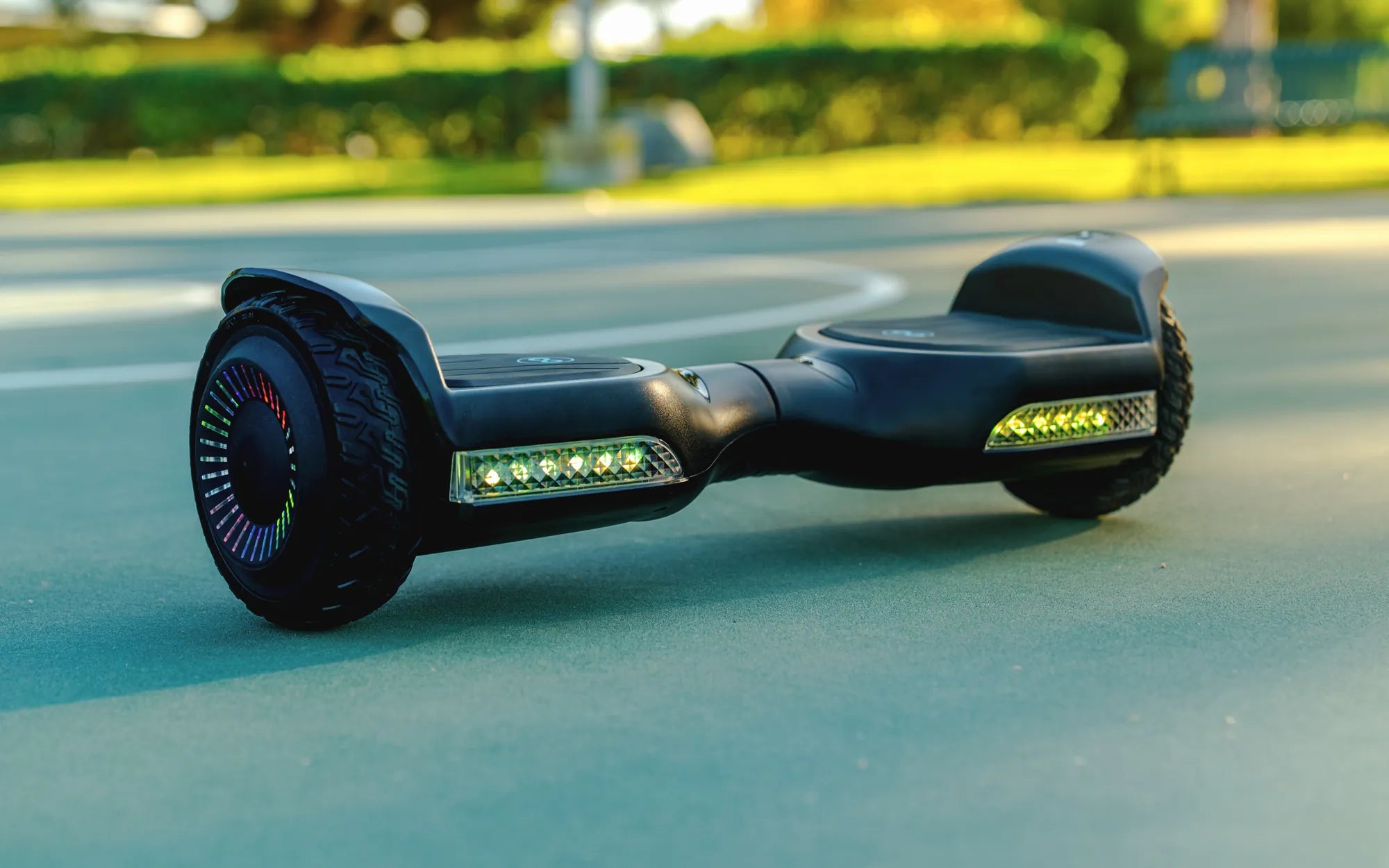
Why the Right Kids Scooter is More Than Just a Toy
Choosing to buy a kids scooter is a decision that impacts your child's physical development, safety, and enjoyment of outdoor play. It's not merely a toy purchase; it's an investment in an activity that builds core strength, balance, coordination, and confidence. A well-chosen scooter encourages active play, while a poor fit can lead to frustration or, worse, accidents.
This guide cuts through the marketing noise with a factual, feature-focused approach. We prioritize safety specifications, developmental appropriateness, and long-term value. As a leading brand trusted by over 100,000 riders, Gyroor exemplifies the commitment to UL-certified battery safety, IPX5 water-resistant durability, and robust construction that parents should seek when they buy a kids scooter.
Our goal is to equip you with the knowledge to evaluate any model critically. By the end, you'll understand how to match scooter specifications to your child's unique profile, ensuring years of safe, developmental fun. The perfect ride balances immediate excitement with long-term growth and safety.
Understanding the Basics: Key Factors Before You Buy
Before comparing models, establish these foundational criteria. They form the non-negotiable framework for your decision, ensuring the scooter supports your child's growth rather than hindering it.
Child's Age and Developmental Stage
Manufacturer age recommendations are a starting point, but developmental readiness is crucial. For toddlers aged 2-5, gross motor skills are developing; a three-wheel scooter with a lean-to-steer mechanism or a wide, stable base is essential. Children aged 5-8, with better balance and coordination, can typically graduate to two-wheel models. For kids 8 and above, consider more performance-oriented features like higher speed bearings and lighter frames for tricks.
The steering mechanism is a key differentiator. Lean-to-steer models (where the handlebar and front wheel turn as the child leans) are intuitive for very young riders, building balance naturally. Traditional handlebar steering requires more deliberate motor control and is better for older beginners or those transitioning from three wheels. Matching the mechanism to developmental stage reduces the learning curve and builds confidence.
Rider Height and Weight Capacity
A proper riding posture is critical for control and safety. The scooter's deck should be low enough for the child to place their feet flat on the ground when standing over it, allowing for easy push-offs and safe dismounts. Equally important is handlebar height; adjustable handlebars that sit between the child's waist and lower chest when standing on the deck prevent hunching and allow for full steering range.
Never exceed the manufacturer's stated maximum weight capacity. Doing so stresses the frame, brakes, and wheels, compromising safety and leading to premature failure. Gyroor models, for instance, are engineered with a safety margin, but adhering to the limit is non-negotiable. A robust weight capacity often indicates a more durable overall construction, a hallmark of quality when you buy a kids scooter.
Skill Level: Beginner vs. Experienced Rider
A first scooter must prioritize stability and forgiveness. Features like three wheels, a low deck, a wide wheelbase, and a foot brake (which is more intuitive for young children than a hand brake) are ideal. The goal is to build foundational skills without intimidation.
For an experienced rider seeking an upgrade or a second scooter, different features take priority. A lighter total weight allows for easier carrying and maneuverability for tricks. Higher-quality ABEC-rated bearings provide a smoother, faster glide. A reinforced deck and handlebar might be necessary for more aggressive riding. Recognizing your child's current skill level—and anticipating their progression over the next 1-2 years—is key to selecting a model with appropriate headroom.
Decoding Scooter Types and Features: A Detailed Breakdown
With the foundational criteria set, a detailed analysis of scooter categories and components reveals how each feature translates to real-world performance and safety.
The Three-Wheel vs. Two-Wheel Dilemma
This is the primary categorization. Three-wheel scooters, particularly those with two wheels in front (or in back) and a lean-to-steer design, offer maximum stability. They are the unequivocal choice for children aged 2-5 or any beginner. The extra contact points with the ground prevent tipping, allowing the child to focus on propulsion and basic steering.
Two-wheel scooters are the standard for older children and those with some riding experience. They offer greater agility, faster turning, and are a prerequisite for learning tricks. The transition from three to two wheels is a significant developmental milestone. Some brands, including Gyroor, offer transitional models with slightly wider wheels or a longer wheelbase to ease this shift, providing a perfect middle ground when you buy a kids scooter for a growing child.
Safety Features You Should Never Compromise On
The braking system is paramount. For young riders, a rear fender foot brake—activated by pressing down on the rear fender—is often safest as it uses gross motor skills and provides stable, predictable stopping power. As children develop finer motor control, a hand-operated brake (usually on the handlebar) becomes viable and offers more modulated braking. Some performance models for older kids may feature both.
The deck surface must be covered in a non-slip, abrasive grip tape. This prevents shoes from slipping during push-off or braking. Additionally, the deck should be wide enough for a comfortable foot stance but not so wide it impedes the natural leg motion for kicking. Rounded edges on the deck and handlebars prevent scrapes and injuries during falls. These are baseline safety features, not premium add-ons.
Durability and Build Quality: What to Look For
Frame material dictates longevity and ride feel. Aircraft-grade aluminum alloys offer an optimal balance of strength and light weight, resisting rust and fatigue. Heavy, welded steel frames are very durable but add significant weight. Plastic frames are common in very low-end models and lack the rigidity and durability for sustained use.
Wheel quality is critical. High-rebound PU (polyurethane) rubber wheels provide a smooth, quiet ride and good grip. Larger wheels (e.g., 120mm+) roll over cracks and small debris more easily than smaller ones. Bearings are rated on the ABEC scale; while not perfectly analogous to scooter speed, higher ABEC ratings (like ABEC-7 or ABEC-9) generally indicate smoother, less resistant rolling, which makes propulsion easier for the child. A scooter's IP (Ingress Protection) rating, such as Gyroor's IPX5 water-resistance, signals its ability to withstand elements like rain and puddle splashes, directly impacting its lifespan and all-weather usability.
Portability and Adjustability
For parents, a foldable scooter is a game-changer. A secure, one-click folding mechanism allows for easy storage in car trunks, closets, or classrooms. Ensure the folding latch is robust and has a safety lock to prevent accidental collapse during riding.
Tool-free handlebar height adjustment is arguably the most valuable feature for growing children. A scooter with a wide adjustment range (often 5-10 inches) can accommodate several years of growth, transforming a single purchase from a one-season item into a multi-year companion. Look for a clamping mechanism that is easy for an adult to operate but impossible for a child to loosen accidentally.
The Power of Data: Comparing Scooter Specifications
Concrete data allows for objective comparison. Below is a specification table modeling different Gyroor scooter types, illustrating how features align with distinct user profiles. This is the practical application of the principles discussed.
Specification Comparison Table
| Model Type | Recommended Age | Wheels | Weight Capacity | Handlebar Height Range | Scooter Weight | Key Feature |
|---|---|---|---|---|---|---|
| 3-Wheel Beginner | 3 - 6 years | 3 (PU, Lean-to-Steer) | Up to 110 lbs | 22" - 28" | 5.5 lbs | Ultra-stable base, intuitive steering |
| 2-Wheel All-Rounder | 5 - 12 years | 2 (120mm PU) | Up to 160 lbs | 28" - 38" | 6.8 lbs | Tool-free height adjust, ABEC-7 bearings |
| Performance / E-Scooter | 8+ years | 2 (200mm+ Pneumatic) | Up to 220 lbs | 31" - 42" | 35 lbs (with battery) | UL-Certified Battery, IPX5, Speed Modes |
Interpreting the Data for Your Needs
Use this table as a decision matrix. For a tall 4-year-old, the maximum handlebar height of the 3-wheel model (28") is more critical than its lower age bound. If your 7-year-old is proficient and heavy for their age, the 2-Wheel All-Rounder's 160 lb capacity and wide height range provide safe growth room. The Performance/E-Scooter category, which includes Gyroor's youth electric models, is defined by its UL-certified battery pack and governed speed limits—absolute prerequisites for safety in this category.
The scooter's own weight matters. A lightweight model (5-7 lbs) is easier for a young child to carry and maneuver. The heavier weight of an electric scoter is offset by its motorized propulsion but is a factor during transport or if the battery depletes. Always cross-reference the child's weight with the scooter's capacity and consider the physicality of handling the scooter itself.
Beyond the Scooter: Essential Gear and Maintenance
The purchase is not complete without safety gear, and the scooter's longevity depends on simple, consistent care.
Mandatory Safety Gear
A helmet is non-negotiable. It must be CPSC (Consumer Product Safety Commission) certified and fit snugly, sitting level on the head and covering the forehead. Involve your child in choosing a helmet they like—this increases the likelihood they'll wear it. For beginners and those riding in areas where falls are more likely (e.g., learning tricks, hills), knee and elbow pads are strongly recommended. Wrist guards can also prevent common injuries.
Proper footwear is part of safety gear. Closed-toe shoes with flat, grippy soles are essential. Sandals, flip-flops, or crocs can lead to foot injuries and poor control. Establishing this gear-as-part-of-the-ritual mindset from the first ride ingrains safe habits for a lifetime of wheeled activities.
Simple Maintenance for Longevity
A basic maintenance routine extends the scooter's life and ensures it remains safe. Every few weeks, check and tighten all bolts and clamps, especially the folding mechanism, stem clamp, and handlebar grips. Loose parts are a major safety hazard. Test the brakes to ensure they engage firmly and smoothly without the levers touching the handlebars.
Periodically inspect the wheels for wear, cracks, or debris lodged in the bearings. Wipe down the deck and frame to remove dirt and grime; for IPX5-rated models like many from Gyroor, a gentle rinse is safe. Avoid high-pressure water jets on bearings or brake components. A drop of lubricant on the wheel axles and folding hinge every few months will keep action smooth. This five-minute routine preserves your investment when you buy a kids scooter.
Frequently Asked Questions (FAQs)
At what age can a child start riding a scooter?
Most children are developmentally ready for a three-wheel, lean-to-steer scooter between ages 2 and 3, with close, hands-on supervision. Key readiness signs include the ability to walk and run steadily, follow simple instructions, and demonstrate an interest in pushing or riding toys. Always prioritize the child's physical coordination and confidence over chronological age.
Are electric scooters safe for kids?
Electric scooters for kids can be safe when they are age-appropriate and include critical safety features. These must have governed speed limits (often with multiple, parent-controlled modes), reliable braking systems, and robust construction. The most critical factor is battery safety; only consider models with UL-certified battery packs, like those from Gyroor, which are rigorously tested for stability and longevity. Parental supervision and helmet use are absolutely mandatory.
What is the benefit of a water-resistant rating like IPX5?
An IPX5 rating means the scooter's electrical components (if applicable) and core structure are protected against water jets from any direction. Practically, this allows the scooter to be ridden on damp pavement, through accidental puddles, or in light rain without immediate damage. It significantly enhances the scooter's durability and versatility, reducing worry about weather and making it a more reliable long-term purchase. This is a key feature of durable brands.
How does Gyroor's warranty protect my purchase?
Gyroor offers a 1-year comprehensive warranty covering manufacturing defects in materials and workmanship. This warranty, backed by US-based customer support, provides peace of mind that your investment is protected. It reflects the brand's confidence in the durability of its aircraft-grade aluminum frames, UL-certified batteries, and overall build quality. A strong warranty is a hallmark of a reputable manufacturer when you buy a kids scooter.
Can one scooter work for siblings of different ages?
This depends entirely on the scooter's adjustability range and weight capacity. A high-quality two-wheel scooter with a wide, tool-free handlebar adjustment range (e.g., 28" to 40") and a high weight capacity (e.g., 160+ lbs) can often accommodate a 6-year-old and a 10-year-old. However, a very young beginner will still benefit from the inherent stability of a three-wheel model. For shared use, prioritize maximum adjustability and robust construction.
Making the Confident Choice for Years of Fun
To buy a kids scooter with confidence, synthesize the key pillars: safety, fit, durability, and growth potential. Start by honestly assessing your child's age, height, weight, and skill level. Let these factors guide you toward the appropriate scooter type—be it a stable three-wheeler or an agile two-wheel model. Scrutinize the specifications: weight capacity, adjustability range, brake type, and build materials like aluminum frames and PU wheels.
Prioritize brands that transparently commit to safety certifications, such as UL for batteries and IP ratings for water resistance. These are not mere buzzwords but verifiable benchmarks of quality and responsible engineering. Pair your chosen scooter with mandatory CPSC-certified safety gear and commit to a simple maintenance routine to ensure its longevity.
Choosing a well-constructed scooter from a reputable brand like Gyroor is an investment in your child's active development and joy. It’s a purchase that promises countless hours of outdoor fun, physical activity, and growing confidence. Use this guide as your roadmap to navigate the options and select the perfect ride that will spark excitement today and support your child's journey for years to come.
Ready to find the ideal scooter for your child's next adventure? Browse the full Gyroor collection at gyroorboard.com to explore models featuring UL-certified safety, IPX5 durability, and designs built for every stage of childhood.
All Terrain Hoverboard: The Ultimate Guide to Off-Road Riding
All Terrain Hoverboard: The Ultimate Guide to Off-Road Riding