

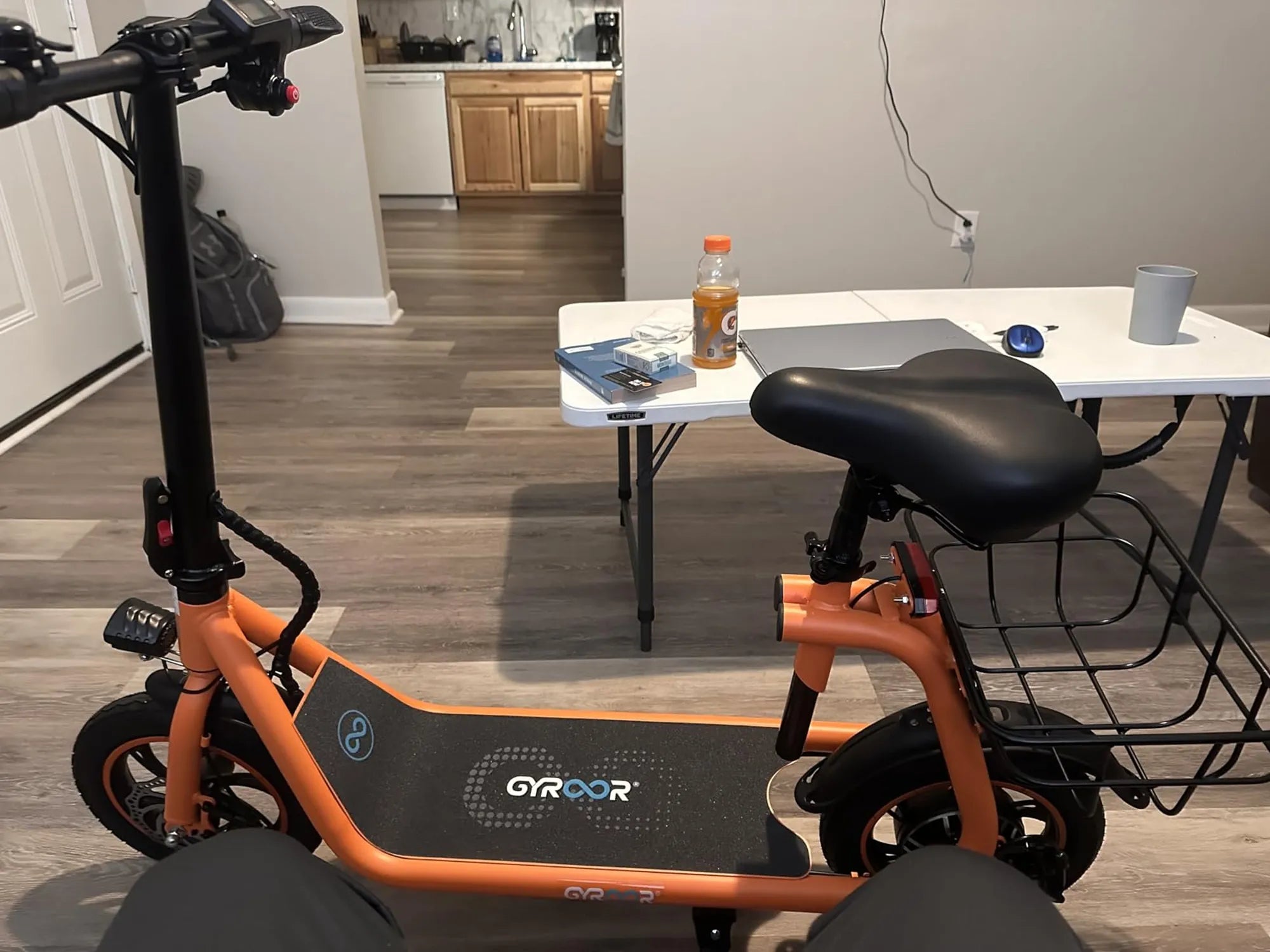
Electric scooters have surged in popularity as a fun and eco-friendly way to get around, but parents often wonder: can a 13-year-old have an electric scooter? The answer isn’t as simple as a yes or no—it depends on safety considerations, local laws, and parental judgment. Let’s dive into the key factors to help you decide if an electric scooter is right for your teen.
Safety Considerations for 13-Year-Olds Riding Electric Scooters
Before handing over the keys to an electric scooter, parents must evaluate whether their child is responsible enough to handle one. Here are some critical safety aspects to consider:
- Balance and Coordination: Electric scooters require good motor skills to avoid accidents.
- Helmet and Protective Gear: A helmet is non-negotiable, and knee/elbow pads are highly recommended.
- Speed Control: Many scooters allow speed adjustments—starting with lower speeds can help build confidence.
- Traffic Awareness: Teens should understand basic road safety rules, even if riding on sidewalks.
If your child has experience with bikes or skateboards, they may adapt more easily. However, supervision is still crucial, especially in the beginning.
Legal Age Restrictions for Electric Scooters
Laws regarding electric scooters vary widely by location. Some areas have strict age limits, while others leave it up to parental discretion. Here’s what to check:
- Local Regulations: Many cities require riders to be at least 16 years old.
- Public vs. Private Property: Some laws only apply to public roads or rental scooters.
- Licensing Requirements: A few regions classify e-scooters like motor vehicles, requiring a permit.
Always research your local laws before purchasing an electric scooter for a 13-year-old. Ignorance of the rules could lead to fines or confiscation.
Parental Supervision and Responsibility
Even if local laws permit it, parents must assess whether their teen is mature enough to ride safely. Consider these steps:
- Start with Training: Practice in an empty parking lot before hitting busier areas.
- Set Clear Rules: Define where and when the scooter can be used.
- Monitor Usage: Track riding habits to ensure responsible behavior.
Open communication about risks and responsibilities can prevent reckless behavior and accidents.
Alternatives to Electric Scooters for Young Teens
If an electric scooter isn’t the right fit, consider these alternatives:
- Kick Scooters: Non-motorized options still provide fun without high speeds.
- Bicycles: A great way to build endurance and road awareness.
- Public Transport: For older teens, buses or trains may be a safer commuting option.
Every child is different, so weigh the pros and cons before making a decision.
Electric scooters can be a thrilling way for teens to gain independence, but safety and legality should always come first. By understanding the risks, researching local laws, and setting ground rules, parents can make an informed choice—ensuring their 13-year-old enjoys the ride without unnecessary dangers.
Electric Scooter 100 kmh Model Specs: The Ultimate Speed Machine
Electric Scooter 100 kmh Model Specs: The Ultimate Speed Machine