



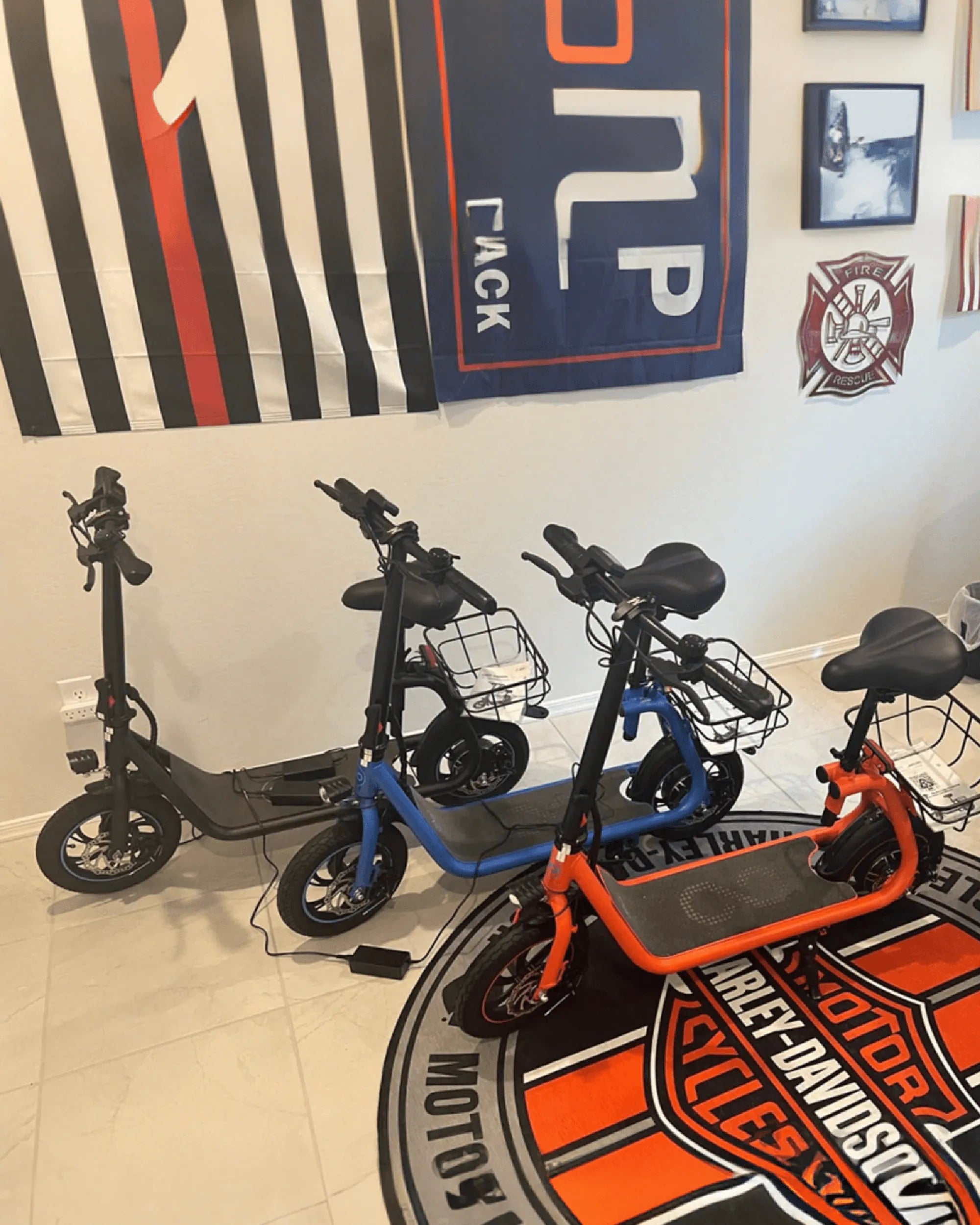
Introduction: Understanding Manual Use in Electric Scooters
The question, "Can electric scooters be used manually?" is far more than a technical curiosity. It speaks directly to rider preparedness, safety, and understanding the full capability of your vehicle. Manual use, defined as propelling the scooter by kicking or pushing without any motor assistance, is a concept every rider should understand before their first journey.
This article will explore the mechanics that make manual propulsion possible (or difficult), the practical scenarios where it becomes necessary, and the critical safety considerations. You will learn how scooter design impacts manual usability, receive data-driven comparisons, and gain insights into how leading brands like Gyroor engineer their products for reliability, minimizing the need for this backup mode in the first place.
The Mechanics: How Manual Propulsion Works on E-Scooters
Unlike a lightweight kick scooter, an electric scooter is a complex machine designed around a motor, battery, and controller. Its ability to be used manually is not a primary feature but a secondary consequence of its physical design. Several key factors determine how feasible—or frustrating—manual operation will be.
Deck Height and Kickstand Clearance: The deck of an e-scooter is typically higher off the ground than a traditional scooter to accommodate larger wheels and battery packs. This elevated stance requires a more pronounced leg lift to kick effectively. Furthermore, a low-hanging kickstand can scrape the ground during a kicking motion, making it impractical or even damaging.
Wheel Size and Type: Larger wheels (e.g., 10-inch pneumatic tires) roll more easily over cracks and bumps when manually pushed, offering less resistance. Smaller, solid rubber wheels common on ultra-portable models create more friction and vibration, making manual travel rougher and more labor-intensive.
Scooter Weight: This is the single biggest factor. Commuter e-scooters often weigh between 30-50 lbs (14-23 kg), while performance or off-road models can exceed 70 lbs (32 kg). Moving this mass requires significant effort, turning a simple kick into a strenuous push. The weight also affects stability when you're off the deck and on one foot.
Motor Resistance (Freewheel vs. Drag): Most modern hub motors have a freewheel mechanism, meaning they disengage when not powered, allowing the wheel to spin freely with minimal drag. Some older or cheaper designs may have more pronounced magnetic resistance within the motor, creating a noticeable braking effect when trying to push the scooter manually.
Practical Scenarios: When You Might Need to Go Manual
While not an ideal primary mode of transport, there are specific, real-world situations where knowing how to manually operate your e-scooter is invaluable. Understanding these scenarios helps riders plan better and avoid being stranded.
Battery Depletion (The "Dead Scooter Walk"): The most common scenario. Whether from miscalculating range, forgetting to charge, or extreme temperatures affecting battery performance, a completely depleted battery leaves you with two choices: carry the heavy scooter or kick it. Knowing the techniques for manual propulsion can turn a mile-long carry into a manageable, if tiring, journey.
Navigating Restricted Zones: Many city ordinances prohibit the use of motorized scooters on crowded sidewalks, in pedestrian malls, or inside certain public spaces. The ability to dismount and manually push your scooter like a piece of luggage allows you to comply with local laws seamlessly and respectfully share space with pedestrians.
Precise, Low-Speed Maneuvering: Sometimes, the throttle is too imprecise for delicate tasks like navigating a tight bike rack, lining up for a charging spot, or moving the scooter indoors. A gentle push while walking beside it offers superior control at ultra-low speeds.
Light Exercise or Warm-Up: Some riders enjoy using the manual capability for a brief, low-impact warm-up before engaging the motor, or for adding a bit of physical activity to a short trip. However, this is only practical with the lightest of e-scooter models.
Safety and Control Considerations for Manual Operation
Manually operating an electric scooter introduces unique risks that differ from powered riding. Awareness of these challenges is crucial for safe practice.
Reduced Stability: The act of kicking shifts your weight onto one foot while the other leg swings. On a heavy, tall e-scooter, this can easily upset the balance, especially if the kick is misaligned or the front wheel hits a small obstacle. The higher center of gravity makes the scooter more prone to tipping.
Braking Inefficiency: When the scooter is powered off or the battery is dead, the electronic brake system (including disc brakes that rely on a powered controller) may not function. You are often left with only the mechanical rear fender or foot brake, which is inadequate for the scooter's weight at any speed beyond a crawl. Stopping power is drastically reduced.
Awkward Posture and Fatigue: The ergonomics are poor. The high deck forces an unnatural, high-knee running motion that quickly tires the hip flexors and quadriceps. This fatigue can lead to loss of control or an inability to react quickly to hazards.
Data-Driven Comparison: Manual Feasibility Across Scooter Types
Not all electric scooters are created equal when it comes to manual use. The following table breaks down common categories based on key design parameters that directly impact manual usability.
| Scooter Type / Use Case | Avg. Weight | Deck Height & Design | Wheel Type & Size | Manual Usability Rating (1-5) | Key Notes |
|---|---|---|---|---|---|
| Ultra-Portable / Last-Mile | 26-33 lbs (12-15 kg) | Moderate height, often foldable | Small solid tires (8-8.5") | 3 | Light enough to carry, but small solid wheels make kicking inefficient and bumpy. Best for short pushes. |
| Commuter / City (Lightweight) | 35-42 lbs (16-19 kg) | Balanced height, good clearance | Pneumatic tires (9-10") | 4 | The sweet spot for potential manual use. Manageable weight and air-filled tires that roll well. Models like the Gyroor F1 exemplify this category. |
| Commuter / Performance | 45-65 lbs (20-30 kg) | Higher deck, robust frame | Large pneumatic tires (10") | 2 | Powerful but heavy. Excellent rolling wheels are offset by significant mass, making sustained kicking very strenuous. |
| Off-Road / All-Terrain | 65+ lbs (30+ kg) | Very high deck, suspension | Large knobby pneumatic tires (10-11") | 1 | Effectively not feasible for manual travel beyond a few-foot push. Weight and aggressive tire tread create high resistance. |
The Gyroor Design Philosophy: Engineering Reliability to Minimize Manual Need
At Gyroor, a leading electric scooter and e-bike brand trusted by over 100,000 riders, the engineering focus is on maximizing ride reliability and safety, which inherently reduces the situations where manual operation is required. This philosophy is built into core product features.
UL-Certified Battery Packs: Every Gyroor scooter uses UL-certified battery packs tested for 500+ charge cycles. This certification is a benchmark for safety and performance consistency, meaning riders get accurate range estimates and dependable power delivery. A reliable battery is the first and best defense against unexpected depletion.
IPX5 Water-Resistant Design: Scooters like those in the Gyroor lineup are built with IPX5-rated water resistance. This durability ensures the electrical systems are protected from rain and splashes, preventing short-circuit or corrosion-related failures that could strand a rider and force manual operation.
Balanced Frame and Deck Geometry: While designed for powered riding, Gyroor models consider overall handling. A well-balanced deck and appropriate ground clearance contribute to more stable control in all situations, including if a rider needs to briefly dismount and push the scooter manually in a tight space.
Comprehensive 1-Year Warranty: This commitment to quality assures riders that their scooter is built to rigorous standards. A robust warranty supports the promise of a product that starts when you need it, keeping the scooter in its intended—powered—mode of operation.
Frequently Asked Questions (FAQ)
Q: Does kicking an e-scooter manually charge the battery?
A: No. Manual kicking does not generate electricity to recharge the main battery. The regenerative braking feature found on some models only works when the motor is electrically engaged (i.e., the scooter is powered on) and you are using the brakes, converting kinetic energy back into a small amount of stored power.
Q: Will pushing my e-scooter manually damage the motor?
A: Generally, no. Most modern hub motors are designed with a freewheel clutch that disengages when not powered, allowing the wheel to spin freely. However, pushing a scooter with a seized or damaged motor could cause further issues. Always consult your owner's manual for model-specific guidance.
Q: Is it easier to push or kick an e-scooter manually?
A> For precise, short-distance movement (under 50 feet), such as parking or navigating a doorway, pushing the scooter while walking beside it is easier and offers more control. For covering longer distances on a dead battery, a slow, deliberate kicking motion while riding is the only viable method, though it will be tiring.
Q: Can I modify my e-scooter to make it easier to use manually?
A> Significant modifications are not recommended as they can compromise structural integrity and void warranties. The most practical "modification" is preventive maintenance: keeping tires properly inflated to reduce rolling resistance and ensuring the mechanical brakes are adjusted for reliable stopping power when the electronics are off.
Q: How does scooter weight impact the decision to buy for manual use potential?
A> If you anticipate scenarios where you may need to manually propel or carry your scooter frequently (e.g., multi-modal commutes with stairs), prioritizing a lighter-weight commuter model (under 40 lbs) is crucial. For pure point-to-point rides where manual use is only an emergency backup, performance and range may justify a heavier model.
Conclusion: Manual Use as an Emergency Feature, Not a Standard Mode
The exploration confirms that, yes, electric scooters can be used manually, but it is an inefficient, fatiguing, and sometimes risky undertaking best reserved for specific, limited circumstances. The physical design of e-scooters—their weight, deck height, and purpose—makes them poor substitutes for traditional kick scooters. The true value in understanding manual operation lies in emergency preparedness and respectful navigation of shared spaces.
Ultimately, the best strategy is to invest in a reliable scooter engineered to keep you riding under power. Brands like Gyroor focus on certified battery safety, water-resistant durability, and robust construction to deliver consistent performance that minimizes the chances you'll ever need to answer the question of manual use on a long, slow walk home. Prioritize battery management, plan your routes with range in mind, and enjoy the ride as it was designed.
Ready for a scooter built for reliable, powered journeys? Browse the full collection of UL-certified, IPX5 water-resistant electric scooters and e-bikes at gyroorboard.com and find the model engineered to match your ride.
Electric Scooters on Campus: The Future of Student Transportation
Where to Find Electric Scooters: The Ultimate Guide to Buying and Renting