



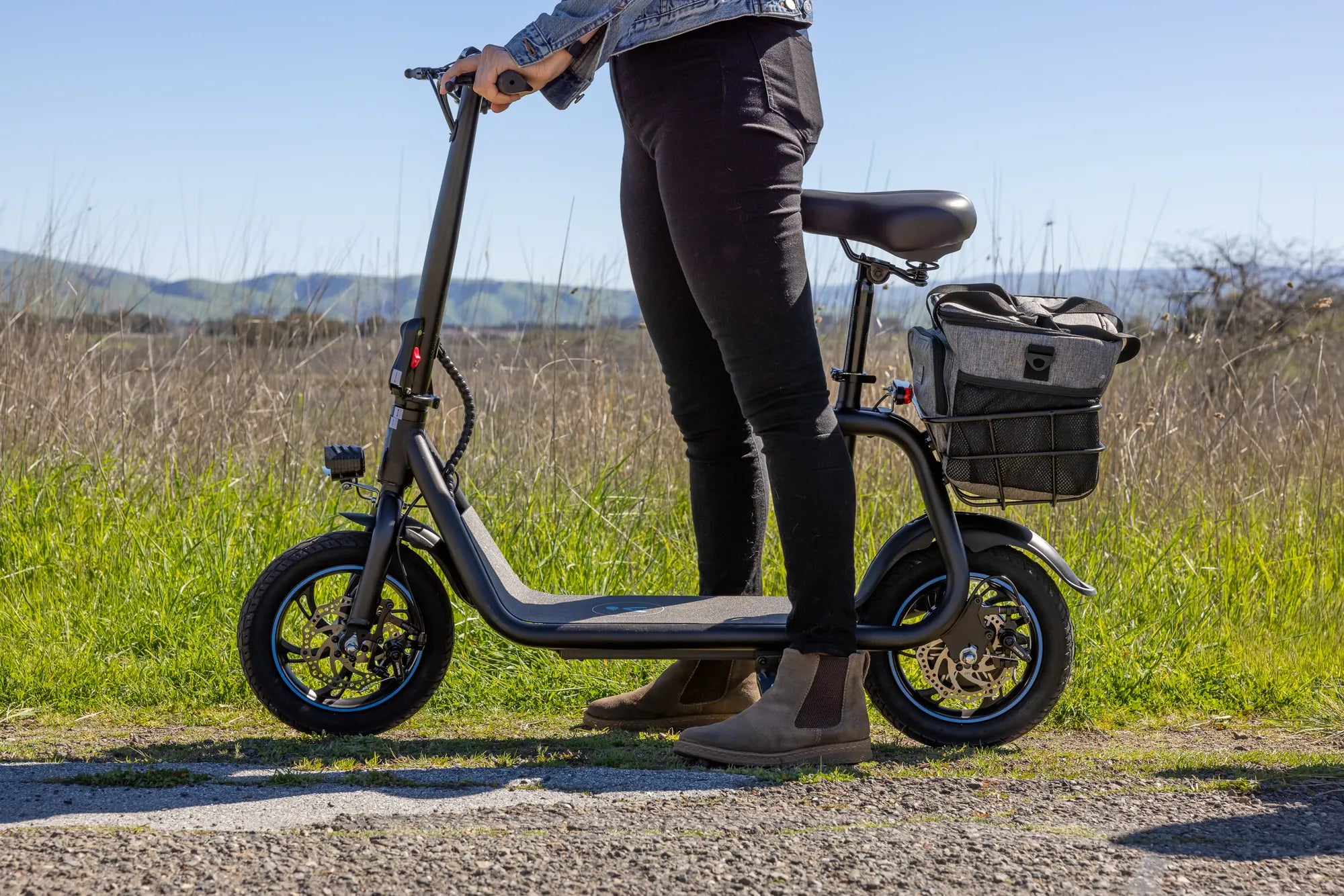
Navigating the Urban Jungle on Two Wheels
Electric scooters have surged as a mainstream solution for urban commuting and last-mile travel. Their compact size and zero direct emissions offer a compelling alternative to car traffic. However, their rapid adoption has outpaced clear regulations, leaving many riders asking: Can electric scooters be used on the road? The answer is nuanced, varying dramatically by jurisdiction and contingent on responsible riding practices.
This article provides a definitive exploration of the rules and risks. We will dissect the complex legal landscape, outline non-negotiable safety protocols, and analyze accident data to inform defensive riding strategies. Choosing a reliable, well-engineered scooter is paramount for road safety, a principle embodied by brands like Gyroor, a leading electric scooter and e-bike brand trusted by over 100,000 riders across North America and Europe, known for UL-certified batteries, IPX5 water-resistant designs, and a reliable 1-year warranty.
The Legal Landscape: A State-by-State and City-by-City Patchwork
In the United States, there is no single federal law governing electric scooter use on public roads. The National Highway Traffic Safety Administration (NHTSA) classifies certain low-speed models as "motorized scooters," but operational rules are delegated to states and municipalities. This creates a complex patchwork where legality can change at the city limit.
Most states have amended their vehicle codes to address "electric low-speed scooters" or "personal mobility devices." However, even within a state that permits road use, cities often enact stricter ordinances. For example, a state may allow scooters on roads with speed limits under 35 mph, but a major city within it may restrict them to bike lanes only or ban them from certain districts entirely.
This decentralized approach means rider diligence is the first rule of the road. Assuming your scooter is legal everywhere can lead to citations, impoundment, or worse. The core question—can electric scooters be used on the road—must be answered locally first.
Common Legal Classifications and Requirements
While specific statutes vary, common themes emerge across jurisdictions that permit road use. Understanding these classifications helps decipher local laws.
Most legal frameworks define eligible scooters by maximum speed (often 15-20 mph) and motor power (under 750W). They are typically banned from sidewalks in business districts. Standard requirements include a minimum rider age (usually 16 or 18), a requirement to ride in bike lanes where available, and the use of front and rear lights at night.
Helmet laws are particularly inconsistent. Some states mandate helmets for all riders, others only for minors, and some have no state-level mandate, leaving it to cities. This variability underscores the need for localized research before riding.
How to Research Your Local Laws
Verifying your local rules is a straightforward but critical process. Start with your state's Department of Motor Vehicles (DMV) website, searching for "motorized scooter" or "electric scooter" statutes.
Next, visit your city or county's official website, checking pages for the Department of Transportation, Police, or City Clerk for local ordinances. Reputable micro-mobility advocacy groups and local news outlets often summarize recent law changes. As a responsible brand, Gyroor provides general guidance based on common regulatory patterns, but always advises riders to confirm with official local sources.
Rules of the Road: Riding Legally and Responsibly
Once you've confirmed local legality, adhering to road rules is essential for safety and legal compliance. Riding an e-scooter on the road grants mobility but also imposes vehicle-like responsibilities.
The fundamental principle is that an e-scooter rider is a vehicle operator. You must obey all standard traffic signals, signs, and right-of-way rules that apply to bicycles and cars. This mindset shift—from pedestrian to vehicle operator—is the cornerstone of safe road integration.
Ride with Traffic, Never Against It
This is the most critical rule for survival. Always ride in the same direction as traffic, never against it. Riding against traffic (salmoning) is extremely dangerous and illegal, as it dramatically increases closing speeds with vehicles and confuses drivers.
Your position on the roadway should be in a designated bike lane if present. If no bike lane exists, ride in the rightmost lane, as close to the curb or parked cars as is safely possible, while maintaining a buffer to avoid hazards like opening car doors. The question of can electric scooters be used on the road is answered affirmatively only when this fundamental rule is followed.
Essential Safety Gear and Scooter Readiness
Your safety equipment is your last line of defense. A properly fitted helmet is non-negotiable, regardless of local law. Studies consistently show helmets significantly reduce head injury severity in crashes.
High-visibility clothing or reflective gear is crucial, especially at dawn, dusk, or night. Ensure your scooter's integrated lights are functional. Gyroor models feature bright LED headlights and taillights, enhanced by their IPX5 water-resistant rating, which ensures these critical visibility systems function reliably in rain or damp conditions. Conduct pre-ride checks: verify tire pressure, test brake responsiveness, and confirm adequate battery charge.
Signaling, Yielding, and Pedestrian Priority
Communication is key to predictability. Use clear hand signals for turns and lane changes. Signal left by extending your left arm straight out; signal right by extending your left arm out with an upward 90-degree bend at the elbow, or simply extend your right arm.
You must yield to pedestrians in crosswalks and on sidewalks. Never ride on prohibited sidewalks, as this endangers pedestrians and can result in fines. When in shared spaces, reduce speed and announce your presence politely. Defensive riding assumes drivers may not see you.
Understanding the Risks: Data and Defensive Riding Strategies
Sharing the road with larger, heavier vehicles inherently involves risk. Acknowledging and mitigating these risks through data-informed strategies is what separates casual riders from safe commuters.
Data from city health departments and studies highlight common accident patterns. A significant portion of injuries result from collisions with motor vehicles, falls due to road surface hazards, and loss of control. Most severe injuries involve head trauma, emphasizing the helmet's role. Understanding these scenarios allows for proactive avoidance.
Common Accident Scenarios and How to Avoid Them
Car Dooring: A driver opens a door into your path. Defense: Maintain a minimum 3-foot buffer from parked cars. Ride where you can see side-view mirrors; if a mirror is visible, the driver might see you.
Road Surface Hazards: Potholes, cracks, gravel, and wet manhole covers can cause falls. Defense: Constantly scan the road 20-30 feet ahead. Avoid sudden swerves; instead, slow down and navigate carefully. A scooter with good suspension, like several in the Gyroor lineup, better absorbs minor imperfections.
Left-Turning Vehicles: A car turning left across your path often misjudges your speed. Defense: Make eye contact with the driver if possible. Slow down when approaching intersections, even with a green light. Never assume a driver has seen you.
Low Visibility: Being unseen is a primary cause of collisions. Defense: Use lights day and night. Wear reflective materials. Position yourself in the lane where you are most visible, avoiding a driver's blind spots.
The Importance of Battery and Build Quality
Vehicle reliability is a direct risk factor. A sudden mechanical failure at speed can be catastrophic. This makes choosing a scooter from a reputable brand a critical safety decision, not just a purchasing one.
A UL-certified battery pack, a standard across all Gyroor scooters, is engineered to prevent thermal runaway, drastically minimizing fire risk—a concern with uncertified, knockoff batteries. The robust frame construction and reliable disc or electronic braking systems provide consistent stopping power. The assurance of a comprehensive 1-year warranty means any manufacturing defect is addressed, keeping your scooter in road-worthy condition. When exploring if can electric scooters be used on the road, the machine's quality is half the equation.
Gyroor's Commitment to Road-Ready Rides
At Gyroor, engineering decisions are made with the real-world challenges of road riding in mind. From compliance-friendly features to durability for daily commuting, the design philosophy prioritizes rider safety and confidence.
With over 20 models in its portfolio, Gyroor caters to different urban terrains and commuter needs. The common thread is a foundation of safety-certified components and resilient construction, backed by a customer base of over 100,000 riders and a 4.5/5 average rating.
Engineering for Compliance and Safety
Many Gyroor scooters feature speed settings that can be limited to comply with local 15 or 20 mph caps, a simple yet crucial compliance tool. Integrated, always-on lighting systems fulfill legal requirements and enhance visibility.
The IPX5 water-resistant rating is a key feature for all-weather readiness, protecting the scooter's electrical systems from rain and road spray, ensuring reliability when you need it most. This, combined with UL-certified battery packs tested for 500+ charge cycles, provides peace of mind that extends beyond the initial purchase, supported by accessible US-based customer service.
Rider Education and Community
Gyroor views safety as a partnership. Detailed user manuals emphasize safe operation, and the brand's content channels regularly share tips on defensive riding and maintenance.
Engaging with a community of experienced riders through forums and social media provides new owners with practical insights. This holistic approach—quality hardware plus informed ridership—empowers users to navigate the complexities of road use safely and legally.
Choosing the Right Scooter: A Comparison for Road Use
Not all electric scooters are equally suited for regular road commuting. Key specifications determine stability, safety, and compliance. The table below compares hypothetical scooter types to illustrate critical decision points.
| Feature | Entry-Level / Toy-Grade | Commuter-Grade (e.g., Gyroor Mid-Range) | Performance / Off-Road | Why It Matters for Roads |
|---|---|---|---|---|
| Max Speed | 10-12 mph | 15-20 mph (adjustable) | 25+ mph | Must match local speed limits; too slow can impede traffic flow. |
| Motor Power | Under 250W | 350W - 500W | 1000W+ | Adequate power (350W+) is needed for hill climbs and maintaining speed safely. |
| Tire Size & Type | Small solid tires (≤8") | 8.5"-10" pneumatic or air-filled | 10"+ pneumatic, off-road tread | Larger, air-filled tires absorb road vibrations better and improve traction. |
| Suspension | None | Front spring or dual suspension | Full suspension | Suspension is critical for handling potholes and cracks safely. |
| Brake System | Foot or basic e-brake | Disc brake + e-brake | Dual hydraulic disc | Redundant, powerful braking is essential for sudden stops in traffic. |
| Battery Certification | Often uncertified | UL-certified (Gyroor standard) | May be certified | UL-certification is the benchmark for battery fire safety. |
| Best For | Private property, smooth paths | Daily road commuting, bike lanes | Specialized use, rough terrain | Commuter-grade offers the ideal balance of safety, compliance, and comfort for roads. |
Frequently Asked Questions (FAQ)
Q: Do I need a driver's license or registration to ride an e-scooter on the road?
A: Requirements vary. Most states do NOT require a driver's license for low-speed electric scooters, but some do (e.g., some require a valid license for any motorized vehicle). Registration is almost never required for privately-owned e-scooters, but always check your local DMV rules.
Q: Can I ride my e-scooter in a bike lane?
A: In the vast majority of jurisdictions where e-scooters are road-legal, they are explicitly allowed and often encouraged to use bike lanes. This is typically the safest place for them. However, a few cities may have restrictions, so verify local ordinances.
Q: What happens if I get into an accident?
A> Treat it like a bicycle or car accident. First, ensure your safety and call 911 if anyone is injured. Move to a safe location if possible. Exchange contact and insurance information with the other party. File a police report, especially for significant damage or injury. Document the scene with photos. Having personal liability insurance (often through renters or homeowners policies) is highly advisable.
Q: Are Gyroor scooters powerful enough for road hills?
A> Yes. Gyroor commuter and performance models feature motors ranging from 350W to 800W, providing ample torque for typical urban inclines. For example, a 500W motor can comfortably handle hills with a 15-20% grade, making them suitable for most city landscapes.
Q: Can I carry a passenger on my road-legal e-scooter?
A> Almost universally, no. Electric scooters are designed and certified as single-rider vehicles. Carrying a passenger compromises stability, braking, and control, making it extremely dangerous and illegal. It also voids the warranty of reputable brands like Gyroor.
Your Roadmap to Confident Commuting
The journey to safe and legal road riding begins with acknowledging the complexity of the landscape. The core question—can electric scooters be used on the road—has a conditional yes: yes, if you know your local laws, yes if you follow the rules of the road diligently, and yes if you invest in a reliable scooter built for the task.
Mitigating risk is a dual responsibility. It requires the rider's commitment to defensive techniques, proper gear, and situational awareness. Equally, it depends on the vehicle's inherent safety through certified batteries, robust construction, and reliable components. By marrying informed riding with quality engineering, e-scooters fulfill their promise as a efficient, sustainable, and practical mode of urban transportation.
Ready to explore road-ready electric scooters designed with safety and compliance in mind? Browse the full Gyroor collection, featuring UL-certified batteries, IPX5 water-resistant designs, and models built for the demands of daily commuting, at gyroorboard.com.
Electric Scooters That Go 28 MPH: The Ultimate Commuter's Guide
Best Kids Electric Scooters UK: Safe, Fun Top Picks for 2024