



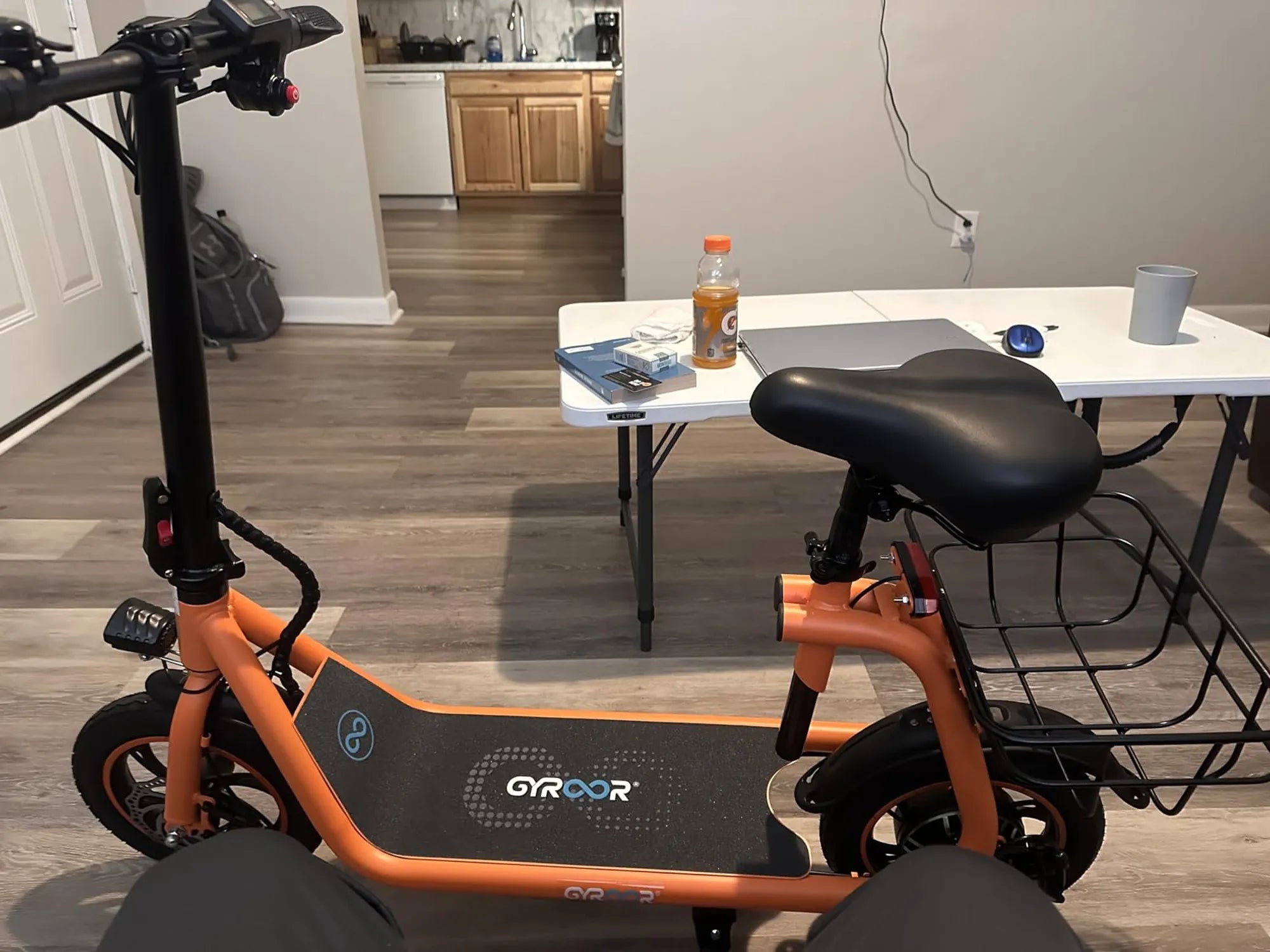
Introduction: The Electric Scooter's Urban Mobility Revolution
The sudden appearance of electric scooters in cities worldwide has fundamentally altered urban transportation. These compact, efficient vehicles promise to solve last-mile problems and reduce traffic congestion, but they've also created regulatory gray areas that confuse riders and pedestrians alike.
Can electric scooters drive on the road? This seemingly simple question has a complex answer that depends entirely on your location, your scooter's specifications, and your understanding of local traffic laws. The reality involves navigating a patchwork of regulations that vary not just by country, but often by city and even neighborhood.
As a leading electric scooter and e-bike brand trusted by over 100,000 riders across North America and Europe, Gyroor designs vehicles for real-world conditions. Our UL-certified batteries, IPX5 water-resistant designs, and reliable 1-year warranty reflect our commitment to safety and durability. Understanding the rules isn't just about compliance—it's about ensuring every ride is secure and enjoyable.
This comprehensive guide will dissect the legal frameworks, analyze essential safety features, compare riding environments, and provide practical strategies for navigating roads responsibly. You'll learn exactly where you can legally ride, what equipment you need, and how to handle insurance considerations in this evolving transportation landscape.
The Legal Landscape: A Jurisdictional Maze
Electric scooter regulations represent one of the most fragmented legal environments in modern transportation. There's no single answer because lawmakers at multiple levels are still catching up with this rapidly evolving technology. What's legal in one city might be prohibited just across municipal boundaries.
This regulatory patchwork creates challenges for riders who may commute between jurisdictions or travel with their scooters. The confusion stems from how different governments classify these devices—are they motor vehicles, bicycles, or something entirely new? This classification determines everything from where you can ride to what safety equipment is mandatory.
The complexity is particularly pronounced in the United States, where transportation regulations traditionally fall under state authority, but local municipalities often implement their own restrictions. A scooter that's perfectly legal on state-designated roads might violate city ordinances regarding sidewalk use or parking.
Internationally, approaches vary dramatically. Some European countries have embraced e-scooters with clear national frameworks, while others maintain outright bans or strict limitations. This variability makes research absolutely essential before riding in any new area.
Jurisdictional Patchwork: State vs. Local Authority
In the United States, states typically establish the foundational classification for electric scooters. As of 2024, over 40 states have passed legislation specifically addressing e-scooters, but these laws vary significantly in their details and permissiveness.
California's approach serves as a influential model, classifying e-scooters as a distinct vehicle category with defined requirements for lights, brakes, and maximum speed. The state permits road and bike lane use while generally prohibiting sidewalk riding, but individual cities like San Francisco and Los Angeles have added their own permitting systems for rental fleets.
At the local level, cities exercise control through ordinances that can override or supplement state laws. These regulations often address where scooters can be parked, whether they can operate in business districts, and specific safety requirements for rental companies operating within city limits.
The most critical step for any rider is checking both state transportation codes and local municipal ordinances. Many cities provide specific micro-mobility pages on their official websites, while state DMV sites typically outline vehicle classifications and requirements.
Common Legal Classifications and Their Implications
Electric scooters generally fall into one of three legal classifications, each with distinct implications for road use. Understanding which category applies in your jurisdiction is the first step toward legal compliance and safe operation.
Motor Vehicle Classification: Some jurisdictions classify certain e-scooters (typically those exceeding specific speed or power thresholds) as motor vehicles. This classification may require registration, licensing, and insurance, similar to motorcycles or cars. It usually mandates road use while prohibiting sidewalk operation entirely.
Electric Scooter/Personal Mobility Device Classification: Many states have created specific categories for e-scooters that recognize their unique characteristics. These laws typically define maximum speeds (often 15-20 mph), power limits, and equipment requirements while specifying where riding is permitted—usually roads and bike lanes but not sidewalks.
Bicycle/Pedestrian Equivalency: Some areas treat e-scooters similarly to bicycles, allowing them wherever bikes are permitted. This classification generally offers the most flexibility, permitting road, bike lane, and sometimes multi-use path access while requiring similar safety equipment like lights and reflectors.
Road Readiness: Essential Hardware for Street Riding
Legal permission to ride on roads doesn't automatically make a scooter road-ready. The physical demands of sharing space with vehicles require specific features that ensure safety, reliability, and predictable handling. Not all electric scooters are created equal for this environment.
Road-worthy scooters must balance performance with stability. They need sufficient power to maintain safe speeds, responsive brakes for sudden stops, and durable construction to withstand pavement imperfections. Compromising on any of these elements increases risk significantly when riding alongside traffic.
Manufacturing quality directly impacts road safety. Components like battery enclosures, wiring insulation, and brake calipers must withstand vibration, moisture, and repeated stress. Gyroor's commitment to UL-certified batteries and rigorous testing reflects an understanding that road use demands higher reliability standards than recreational sidewalk riding.
The table below compares key specifications that determine a scooter's suitability for different riding environments:
| Feature | Road Riding Requirement | Bike Lane Requirement | Recreational Use |
|---|---|---|---|
| Motor Power | 350W+ (500W ideal) | 250W+ | 200W+ |
| Max Speed | 15-25 mph | 15-20 mph | 10-15 mph |
| Brake System | Dual (disc + regenerative) | Mechanical + regenerative | Single mechanical |
| Lighting | Front & rear always-on | Front & rear | Reflectors acceptable |
| Suspension | Front or dual preferred | Helpful but optional | Optional |
| Tire Size | 10"+ pneumatic | 8.5"+ | 8"+ solid acceptable |
Essential Safety Features for Road Riding
Visibility represents the most critical safety factor when riding on roads. Motorists must see you clearly in various conditions—daylight, dusk, rain, and darkness. Adequate lighting isn't just recommended; it's often legally required for road use.
A comprehensive lighting system includes a bright white headlight visible from at least 500 feet, a red taillight with brake light functionality, and side reflectors or ambient lighting. Gyroor models typically incorporate integrated lighting systems with multiple modes, including always-on operation that ensures visibility even during daytime riding.
Braking performance determines your ability to respond to sudden hazards. Road riding demands responsive, fade-resistant brakes that perform consistently. Dual braking systems—combining electronic/regenerative braking with mechanical disc or drum brakes—provide redundancy and superior stopping power, especially important when traveling at higher speeds.
Audible signaling devices serve as essential communication tools. A horn or bell audible from at least 100 feet allows you to alert motorists and pedestrians of your presence. This becomes particularly important when passing, approaching intersections, or navigating areas with limited visibility.
Performance Metrics That Matter on Roads
Motor power and torque directly impact your ability to navigate road environments safely. Insufficient power creates dangerous situations when accelerating from stops, climbing inclines, or merging with traffic flow. A minimum of 350 watts provides adequate acceleration for most urban scenarios.
Speed capability must align with both legal limits and practical needs. While most jurisdictions cap e-scooter speeds between 15-25 mph on roads, having some overhead ensures the motor isn't constantly strained at maximum output. Consistent performance at 15-20 mph allows you to maintain appropriate positioning in traffic lanes.
Suspension and tire quality dramatically affect control and comfort. Pneumatic (air-filled) tires measuring at least 10 inches in diameter better absorb road imperfections like cracks, potholes, and debris. Front or full suspension further enhances stability and reduces fatigue during longer rides on varied surfaces.
Range anxiety becomes a safety concern on roads. A scooter with insufficient range might force riders to take shortcuts through unsafe areas or continue riding with critically low battery. Gyroor's UL-certified battery technology, tested for 500+ charge cycles, provides reliable range estimates that help riders plan safe routes.
The Real-World Riding Zones: Comparative Analysis
Understanding where you can legally ride only tells part of the story. Each riding environment—road, bike lane, and sidewalk—presents unique challenges, risks, and behavioral expectations. Successful navigation requires adapting your riding style to match your surroundings.
Environmental factors significantly influence safety. Road conditions, traffic density, pedestrian activity, and weather all interact with your scooter's capabilities and your skills as a rider. What works perfectly on a clear day in dedicated infrastructure might become dangerous during rain on shared roads.
Infrastructure quality varies dramatically between and within cities. Well-maintained bike lanes with physical separation from traffic offer ideal conditions, while poorly marked shared lanes or degraded road shoulders increase risk. Recognizing these variations helps you choose the safest available route.
Time of day affects every riding environment. Night riding requires enhanced visibility measures regardless of location, while rush hour demands heightened awareness of distracted drivers and dense traffic patterns. Adjusting your route and riding style to temporal conditions is a hallmark of experienced riders.
Riding on the Road: Sharing Space with Vehicles
Road riding demands the highest level of situational awareness and defensive riding techniques. When sharing lanes with cars and trucks, you become part of traffic flow subject to the same rules and expectations as larger vehicles.
Positioning within the lane communicates your intentions and establishes your presence. Riding too close to parked cars risks "dooring" incidents, while hugging the curb encourages dangerous close passes. Claiming a visible position in the lane (typically the right third) establishes your right to the space and improves visibility.
Intersection navigation requires particular caution. Most car-scooter collisions occur at intersections where drivers fail to see approaching riders. Making eye contact with drivers, using hand signals clearly, and never assuming right-of-way—even when you have it—reduces intersection risks substantially.
Speed management must balance traffic flow with safety. Riding significantly slower than prevailing traffic increases the likelihood of rear-end collisions, while excessive speed reduces reaction time. Matching the speed of bicycles in the area (typically 10-20 mph) while maintaining buffer zones from vehicles provides optimal safety margins.
The Bike Lane Compromise: Ideal But Not Universal
Dedicated bike lanes represent the optimal infrastructure for electric scooters when available. These lanes provide separation from motor vehicles while offering direct routes through urban areas. However, their design and regulations vary significantly.
Protected bike lanes with physical barriers offer the highest safety level, minimizing interaction with vehicles entirely. When using these lanes, maintain consistent speeds appropriate for the infrastructure and use audible signals when passing slower cyclists. Remember that in many jurisdictions, cyclists have priority in bike lanes.
Painted bike lanes require different strategies. These lanes provide visual separation but no physical protection from traffic. Ride in the center of the lane to maximize visibility and discourage vehicles from encroaching. Be particularly vigilant at intersections where cars may cross the lane when turning.
Multi-user paths present unique challenges. These shared spaces accommodate pedestrians, cyclists, and sometimes scooters simultaneously. Reducing speed, yielding proactively, and using audible signals well in advance of passes ensures harmonious sharing. Remember that pedestrians always have right-of-way in these environments.
Sidewalk Riding: Why It's Often Illegal and Hazardous
Sidewalk riding remains one of the most controversial aspects of e-scooter use. While tempting for inexperienced riders seeking perceived safety from vehicles, it creates significant risks for pedestrians and often violates local ordinances.
Pedestrian safety concerns drive most sidewalk prohibitions. Scooters traveling at 10-15 mph pose serious collision risks to pedestrians, particularly children, elderly individuals, and people with disabilities. The speed differential and quiet operation make scooters difficult for pedestrians to detect and avoid.
Legal exceptions typically apply only to specific circumstances. Some jurisdictions permit sidewalk riding at walking speeds (usually under 5 mph) or allow it as a last resort when no bike infrastructure exists. Even where technically legal, yielding absolutely to pedestrians and dismounting in crowded areas represents essential courtesy.
Transition hazards occur at driveways and intersections. Drivers pulling into or out of driveways often focus on vehicle traffic rather than sidewalk users, creating dangerous conflict points. Similarly, drivers at intersections may not expect or see fast-moving sidewalk traffic when making turns.
Beyond the Law: Gear, Etiquette, and Insurance
Legal compliance establishes the minimum standard for responsible riding, but truly safe operation requires exceeding these requirements through proper equipment, considerate behavior, and understanding liability. The most experienced riders view regulations as a starting point rather than a comprehensive safety system.
Personal protective equipment (PPE) represents your primary defense against injury. While few jurisdictions mandate comprehensive gear beyond helmets, the reality of road accidents demands more substantial protection. Your choice of equipment should reflect the specific risks of your riding environment and style.
Rider etiquette bridges the gap between legal requirements and social acceptance. Courteous behavior toward pedestrians, cyclists, and motorists fosters positive relationships that benefit all micro-mobility users. This becomes particularly important in communities debating whether to expand or restrict scooter access.
Insurance and liability understanding completes the responsible riding picture. Many riders mistakenly assume existing policies cover scooter-related incidents, creating potentially devastating financial exposure. Proactively addressing these concerns provides peace of mind and financial protection.
Non-Negotiable Safety Gear
Helmet usage reduces head injury risk by approximately 85% according to consumer safety data. For road riding, a certified bicycle or multi-sport helmet meeting CPSC, ASTM, or CE standards represents the absolute minimum protection. Full-face helmets offer superior protection for those regularly riding at higher speeds or in traffic-dense areas.
High-visibility clothing dramatically improves detection distances. During daylight, fluorescent materials increase visibility, while at night, retroreflective elements make riders visible in headlights from up to 500 feet away. Integrating these elements into jackets, vests, or even helmet covers ensures you're seen in all conditions.
Hand protection serves multiple functions. Gloves improve grip in wet conditions, protect hands in falls, and reduce vibration fatigue during longer rides. Look for gloves with palm sliders (hard plastic pieces that help hands slide rather than catch during falls) and touchscreen-compatible fingertips for practical navigation use.
Eye protection prevents debris injuries and improves vision in challenging conditions. Clear lenses work for night riding, while tinted or photochromic lenses suit daytime use. Proper eyewear also reduces wind-induced tearing that can blur vision at higher speeds.
Rider Etiquette for Shared Spaces
Speed appropriateness represents the cornerstone of considerate riding. Match your speed to your environment: slower in crowded areas, moderate in bike lanes, and traffic-appropriate on roads. This adaptive approach minimizes surprises for others sharing your space and reduces conflict.
Audible signaling should precede any maneuver that affects others. Use bells or horns before passing, announce your presence when approaching blind spots, and signal turns verbally or with hand signals. This communication prevents surprises that could lead to collisions or conflicts.
Parking responsibility ensures sidewalks remain accessible. When dismounting, park your scooter upright in designated areas whenever possible. Avoid blocking pedestrian pathways, building entrances, ADA access ramps, or emergency exits. Many cities now fine improper parking significantly.
Substance avoidance is both legally required and practically essential. Alcohol and drugs impair balance, reaction time, and judgment—all critical for safe scooter operation. The same DUI laws that apply to motor vehicles typically cover e-scooters in road environments, with similar penalties.
Understanding Insurance and Liability
Homeowner's and renter's insurance policies sometimes cover e-scooter liability, but exceptions and limitations abound. Many policies exclude motorized vehicles or impose specific power/speed thresholds. Contacting your insurer for written clarification is the only way to confirm coverage.
Personal liability exposure can be substantial. If you cause an accident that injures someone or damages property, you could face lawsuits exceeding your insurance coverage. Umbrella policies sometimes provide additional protection, but again, specific exclusions may apply to motorized personal transportation devices.
Specialized micro-mobility insurance is emerging as the market matures. These policies specifically cover e-scooter-related incidents, including theft, damage, and liability. While not yet widely adopted, they represent the most comprehensive solution for frequent riders, particularly those using scooters for daily commuting.
Rental scooter insurance varies by company. Most include basic liability coverage in their rental agreements, but deductibles and limitations apply. Reviewing these terms before riding helps avoid unexpected expenses if accidents occur. Personal injury may still require separate health insurance coverage.
Manufacturer's Role: Building Road-Worthy Machines
Responsible manufacturers recognize their role in road safety extends beyond basic compliance. Engineering decisions, component selection, and testing protocols directly impact how scooters perform in real-world conditions. This commitment separates recreational toys from legitimate transportation tools.
Battery safety represents the most critical engineering consideration. Inferior batteries pose fire risks, especially when subjected to the vibrations and environmental stresses of road riding. Gyroor's commitment to UL-certified battery packs, tested for 500+ charge cycles, addresses these concerns through rigorous third-party verification.
Water resistance ratings determine all-weather capability. The IPX5 rating found on many Gyroor models indicates protection against water jets from any direction, making them suitable for riding in rain or through puddles. This capability is essential for reliable transportation, not just fair-weather recreation.
Frame integrity affects both safety and durability. Aluminum alloy frames with reinforced welding points withstand the stresses of road imperfections better than cheaper materials. This construction quality becomes apparent over time as scooters maintain alignment and structural integrity through thousands of miles.
Component consistency ensures predictable performance. High-quality motor controllers deliver smooth acceleration without unexpected power surges, while precision brake calipers provide consistent stopping power. These details matter most in emergency situations where split-second responses determine outcomes.
Future Developments: Evolving Regulations and Technology
The regulatory landscape continues evolving as transportation departments gather data and respond to community needs. Several trends suggest where e-scooter regulations are heading and how technology might address current limitations.
Geofencing technology allows dynamic regulation enforcement. Using GPS and cellular connectivity, scooters can automatically reduce speed or disable operation in restricted areas like crowded pedestrian zones. This technology helps address sidewalk riding concerns while maintaining access to appropriate areas.
Standardized classification systems may emerge as more jurisdictions adopt e-scooter regulations. The European Union's vehicle category L1e-B provides one potential model, establishing clear specifications for low-speed electric vehicles. Similar federal guidance could reduce the current patchwork of state and local regulations.
Infrastructure integration represents the most promising development. Cities increasingly design micro-mobility considerations into transportation planning, creating dedicated lanes, parking corrals, and traffic signals that accommodate scooters safely. This proactive approach reduces conflicts between different transportation modes.
Insurance products will likely become more accessible and standardized. As insurers gather more data on scooter usage patterns and risk profiles, they can develop tailored products with appropriate premiums. This development will help address the current coverage gaps that leave many riders exposed.
FAQ: Quick Answers to Common Road-Riding Questions
Q1: Do I need a driver's license to ride an e-scooter on the road?
Requirements vary by jurisdiction. Many states require a valid driver's license for road riding, while others have no licensing requirement. Some cities impose additional local licensing rules. Always check both state and local regulations—never assume reciprocity between areas.
Q2: What is the typical speed limit for e-scooters on roads?
Most jurisdictions limit e-scooters to 15-25 mph on roads, with 20 mph being a common maximum. Some areas impose lower limits (10-15 mph) in business districts or residential areas. These limits often apply regardless of your scooter's maximum capability, and exceeding them may result in citations or reclassification as a motor vehicle.
Q3: Are Gyroor scooters with their UL-certified batteries and IPX5 rating considered more road-worthy?
Yes, these features directly address key road safety concerns. UL certification ensures battery safety under various conditions, reducing fire risk. IPX5 water resistance allows operation in wet weather when roads are most hazardous. Combined with robust construction and adequate lighting, these features make Gyroor scooters particularly suitable for road environments where reliability matters most.
Q4: What should I do if I'm in an accident on my e-scooter?
First, ensure your immediate safety by moving out of traffic if possible. Check for injuries and call emergency services if needed. Exchange information with any involved parties, including drivers, pedestrians, or other riders. Document the scene with photos and gather witness contact information. Report the incident to police for documentation and notify your insurance provider promptly.
Q5: How can I find the specific laws for my city?
Start with your city's official website, searching for "micro-mobility," "electric scooter," or "personal transportation device" regulations. Check your state's Department of Motor Vehicles website for vehicle classification information. Local bike coalitions often maintain updated summaries of relevant laws. When in doubt, contact your city's transportation department directly for clarification.
Q6: Can I modify my scooter to make it more road-worthy?
Modifications may void warranties and affect legal classification. Increasing power or speed could reclassify your scooter as a motor vehicle requiring registration and insurance. Adding approved safety equipment like lights, mirrors, or horns is generally acceptable, but consult your manufacturer's guidelines and local laws before making any modifications that could impact safety or legality.
Navigating Your Ride with Confidence and Compliance
The question "can electric scooters drive on the road?" reveals itself as multifaceted. The legal answer varies by jurisdiction, the practical answer depends on your scooter's capabilities, and the safety answer hinges on your preparation and riding habits. Successful road riding requires synthesizing all these elements into a coherent approach.
Choosing appropriate equipment establishes your foundation. A road-worthy scooter with adequate power, reliable brakes, proper lighting, and durable construction transforms road riding from a risky proposition to a viable transportation option. Brands like Gyroor that prioritize these elements through UL-certified batteries, IPX5 water resistance, and robust engineering provide the hardware necessary for confident road use.
Mastering local regulations prevents unnecessary conflicts. The time invested in researching state laws and municipal ordinances pays dividends through uninterrupted rides and avoided citations. Remember that regulations continue evolving, making periodic verification part of responsible ownership as cities respond to micro-mobility growth.
Developing defensive riding skills completes the safety triangle. Assume other road users haven't seen you, anticipate potential hazards before they materialize, and maintain escape routes in congested areas. These habits, combined with proper protective gear, substantially reduce your risk profile regardless of the riding environment.
Electric scooters have earned their place as legitimate urban transportation when used responsibly. By selecting quality equipment, understanding local laws, and riding defensively, you can confidently navigate roads while enjoying the efficiency and freedom that make e-scooters so appealing. The road awaits—prepare properly and ride smartly.
Ready to explore road-worthy electric scooters designed for real-world conditions? Browse the full Gyroor collection featuring UL-certified batteries, IPX5 water-resistant designs, and models specifically engineered for safe road riding at gyroorboard.com. Join over 100,000 riders across North America and Europe who trust Gyroor for reliable, compliant transportation solutions.
Good Fast Electric Scooters: The Ultimate Guide to Speed and Efficiency
Do Electric Scooters Have a Weight Limit? What You Need to Know