



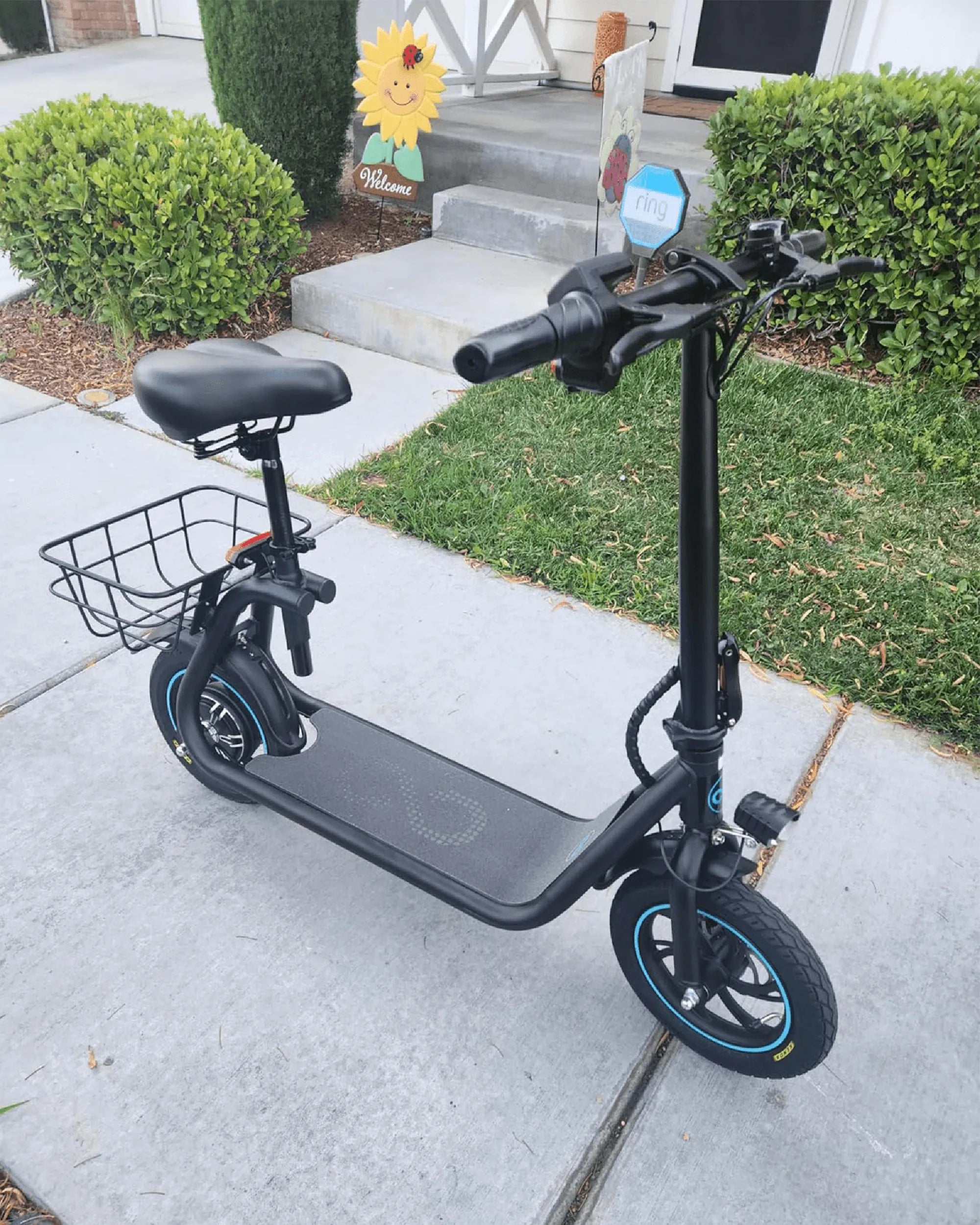
The Heat Is On – Understanding E-Scooter Thermal Management
Picture this: you're commuting on a sweltering summer day, and your electric scooter suddenly loses power or the deck feels uncomfortably hot to the touch. This scenario highlights a critical, often overlooked aspect of personal electric vehicle ownership: thermal management. Can electric scooters overheat? Absolutely. Understanding why it happens, the genuine risks involved, and how to prevent it is essential for both your safety and your scooter's longevity.
This article provides a comprehensive, data-driven look at e-scooter overheating. We'll dissect the main sources of heat, from the battery pack to the motor, and explain the chain of events that can lead from mild performance loss to serious safety hazards. More importantly, we'll provide a detailed roadmap for prevention, combining rider best practices with insights into how quality engineering, like that found in Gyroor's lineup, builds in crucial thermal safeguards. As a leading electric scooter and e-bike brand trusted by over 100,000 riders across North America and Europe, Gyroor prioritizes safety through UL-certified batteries and robust design, making thermal management a core component of reliability.
How Electric Scooters Generate Heat: The Main Culprits
Heat generation in an electric scooter is not a flaw; it's a fundamental byproduct of converting electrical energy into motion. However, excessive or poorly managed heat becomes the problem. The primary sources are the battery, the motor, and the electronic speed controller (ESC), with secondary contributions from braking systems and friction.
The lithium-ion battery pack is a primary heat source. During both discharging (riding) and charging, internal chemical reactions and electrical resistance generate heat. Pushing the scooter hard, climbing hills, or riding in extreme temperatures increases this discharge rate, causing more heat. Charging, especially with fast chargers or in a hot environment, is another peak heat generation period.
The electric motor, typically a brushless DC hub motor, generates heat through copper losses (I²R) and iron losses. Simply put, the harder the motor works against resistance—like carrying a heavy rider, accelerating rapidly, or climbing a steep incline—the more current it draws, and the hotter it gets. Continuous operation at or near its maximum power rating is a guaranteed path to overheating.
The Electronic Speed Controller (ESC) acts as the scooter's brain, regulating power from the battery to the motor. Its MOSFET transistors switch large currents rapidly, and inefficiencies in this process manifest as heat. An undersized or poorly cooled ESC can become a significant thermal bottleneck. Finally, mechanical friction from under-inflated tires, dragging brakes, or dry bearings increases the load on the motor, indirectly generating more heat throughout the system.
The Real Risks: What Happens When an E-Scooter Overheats?
Overheating is not just an inconvenience; it triggers a cascade of negative effects, ranging from diminished performance to catastrophic failure. Recognizing these risks underscores the importance of proactive prevention.
The first sign is often performance degradation. An overheating battery experiences "voltage sag," where its output voltage drops under load, causing sudden loss of power and significantly reduced range. An overheating motor may enter a thermal protection mode, limiting power or causing jerky acceleration to cool down. These events can strand a rider or create unsafe situations in traffic.
On a component level, sustained heat accelerates degradation. For lithium-ion batteries, exposure to high temperatures is the single greatest factor in reducing overall lifespan. Each instance of excessive heat permanently reduces the battery's capacity. Similarly, the insulation on motor windings can break down over time, and solder joints on the ESC can weaken, leading to premature failure.
In extreme cases, the risk escalates to safety hazards. The most severe is thermal runaway in the battery—an uncontrolled, self-sustaining chain reaction within a cell that can lead to fire or explosion. This is often preceded by swelling, leaking, or excessive smoking. Overheating can also cause plastic components to warp or melt, and brake systems to fade, compromising control and structural integrity.
Battery Overheating vs. Motor Overheating: Spotting the Difference
While both are serious, identifying the primary source of heat can help diagnose the issue.
Battery Overheating is often linked to the charging cycle, ambient temperature, or the battery's age and health. Symptoms include the battery compartment or deck becoming very warm to the touch, a drastic and sudden reduction in range (voltage sag), and the scooter shutting down even with indicated charge remaining. It is frequently exacerbated by charging in direct sunlight or a hot room.
Motor Overheating is typically load-related. Symptoms manifest during or immediately after strenuous use, such as climbing a long hill or carrying heavy cargo. You may notice a burning smell from the wheel hub, a pronounced loss of torque and power, or the scooter entering a "limp mode." The motor itself or the adjacent wheel rim will feel exceptionally hot. This type of overheating is more directly tied to rider behavior and terrain.
Prevention is Key: How to Keep Your E-Scooter Cool
Preventing overheating is a partnership between informed rider habits and proper scooter maintenance. By following these actionable strategies, you can dramatically reduce thermal risks and extend the life of your vehicle.
The foundation of prevention is understanding your scooter's limits. Consult the manual for its maximum load, gradeability, and temperature operating ranges. Never exceed these specifications. Regularly monitor your scooter's performance and temperature, especially during the first few rides in a new season or after a long storage period.
Environmental awareness is crucial. Avoid riding in extreme ambient temperatures whenever possible. Extremely hot pavement radiates heat upward into the battery deck, while very cold temperatures increase internal battery resistance, causing it to heat up more during use to deliver the same power. Store your scooter in a cool, dry place, never in a car trunk or direct sunlight.
Riding Smart to Manage Heat
Your riding style has a direct impact on thermal buildup. Avoid "flooring" the throttle from a standstill and maintaining top speed continuously. Instead, use a moderate, consistent pace. On long rides, plan for brief 5-10 minute stops every 30-45 minutes to allow components to passively cool. This is especially important on warm days.
When approaching a hill, build momentum on the flat and then use a steady, moderate throttle instead of a full-power assault. If possible, dismount and walk up very steep inclines to prevent motor strain. Furthermore, avoid riding immediately after a full charge, as the battery is already at an elevated temperature from the charging process.
Charging and Storage Best Practices
Charging is a high-risk period for batteries. Always use the manufacturer's official charger. Third-party or "fast" chargers not designed for your specific battery chemistry can cause dangerous overcharging. Charge in a well-ventilated, cool area—never on a carpet, bed, or in direct sunlight. Do not leave the scooter charging unattended for extended periods or overnight.
For storage, particularly long-term, the ideal battery charge is between 30% and 60%. Store the scooter (or at least the battery if removable) in an environment between 50°F and 77°F (10°C and 25°C). This minimizes chemical activity and stress on the cells, preserving their health and reducing future heat-related issues.
Routine Maintenance for Thermal Health
Simple maintenance tasks directly combat indirect heat generation. Keep tires inflated to the recommended PSI. Under-inflated tires create massive rolling resistance, forcing the motor to work harder. Regularly check your brakes for drag; a rubbing brake pad creates constant friction and load.
Periodically inspect and clean ventilation ports on the deck and near the motor. Ensure no mud, leaves, or debris are blocking airflow designed to cool the battery or ESC. For scooters with external radiators or heat sinks on the motor, keep them clean and unobstructed.
Why Component Quality Matters: Gyroor's Built-in Thermal Safeguards
While rider behavior is the first line of defense, it cannot compensate for fundamentally poor engineering. Investing in a scooter from a reputable brand like Gyroor means investing in integrated thermal safety systems that prevent problems before they start.
Cheap, unbranded scooters often cut costs on the very components that manage heat: using low-grade battery cells without proper spacing, omitting temperature sensors, or employing undersized ESCs. Gyroor's design philosophy prioritizes safety and durability, building multiple layers of protection into its 20+ models of electric scooters, e-bikes, and hoverboards.
The Critical Role of UL-Certified Battery Packs
Gyroor's use of UL-certified battery packs is a cornerstone of its safety approach. UL certification involves rigorous independent testing for electrical, mechanical, and environmental stress, including specific tests for abnormal charging, forced discharge, and thermal stability. These batteries feature high-quality, name-brand cells with consistent internal resistance, which generates less heat under load.
More importantly, they are governed by an advanced Battery Management System (BMS). The BMS is the battery's guardian, continuously monitoring cell voltage, current, and—critically—temperature. If the BMS detects overheating during charging or use, it will automatically reduce power output or cut off current entirely to prevent damage and hazard. This system is tested for reliability over 500+ charge cycles.
IPX5 Design and Intelligent Ventilation
Gyroor's IPX5 water-resistant rating signifies protection against water jets, but the engineering behind it also considers thermal management. Enclosures are designed to keep water out while allowing for passive heat dissipation. Strategic placement of components, the use of thermally conductive materials like aluminum in decks, and thoughtful internal layouts prevent heat from being trapped around the battery or ESC.
This balance ensures that while the scooter is protected from rain and splashes, critical electronics are not suffocated in a sealed, heat-trapping box. This intelligent design extends component life and maintains consistent performance.
Warranty and Proactive Support
Gyroor's comprehensive 1-year warranty and accessible customer support provide a critical safety net. If a rider experiences persistent heat issues, the warranty encourages seeking professional diagnosis rather than risky DIY repairs. This policy reflects confidence in the product's thermal resilience and ensures that any potential manufacturing defects related to heat management are addressed by experts, protecting the rider.
Comparison of Electric Scooter Types and Thermal Profiles
Different scooter designs and intended uses lead to varying thermal challenges. The table below compares common scooter categories, their typical use cases, and associated thermal considerations to help you choose the right tool for your needs.
| Scooter Type / Use Case | Typical Motor Power | Primary Thermal Stressors | Key Prevention Focus | Gyroor Model Example |
|---|---|---|---|---|
|
Commuter / Last-Mile Flat urban terrain, short trips |
250W - 350W | Frequent stop-and-go, rapid acceleration, hot pavement. | Moderate acceleration, avoid continuous max speed, store in cool place. | Gyroor F1 Pro: Efficient hub motor, smart BMS for reliable daily use. |
|
Performance / Off-Road Hills, rough terrain, longer rides |
500W - 1000W+ | Sustained high motor load, aggressive braking heat, dust/debris blocking vents. | Mandatory cooldown breaks, meticulous cleaning of vents, proper tire pressure. | Gyroor Z8: High-torque motor, robust frame, designed for demanding conditions with thermal protection. |
|
Foldable / Portable Mixed transport, storage in cars |
250W - 500W | Exposure to car trunk temperatures, compact design limiting airflow. | Never store in hot car, allow to cool before folding/charging, ensure unfolded deck is clear. | Gyroor H30: Compact yet with spaced battery layout and temperature-monitoring BMS. |
FAQ: Your Electric Scooter Overheating Questions, Answered
Q: Is it normal for the deck or battery compartment to feel warm after a ride?
A: Yes, mild warmth is normal due to the battery and electronics operating. However, if it becomes too hot to touch comfortably (generally above 140°F/60°C), that indicates potential overheating. Let it cool completely before charging or riding again.
Q: What should I do if my scooter shuts down mid-ride, likely from overheating?
A>First, safely get off the road. Do not attempt to immediately turn it back on. Move the scooter to a shaded, cool area and allow it to rest for at least 30-60 minutes. Inspect for obvious blockages in vents. Once fully cooled, it may restart. If shutdowns recur, contact the manufacturer—it may be a BMS or component fault.
Q: Can I ride my e-scooter safely in the summer?
A>Yes, but with precautions. Avoid riding during the peak heat of the day. Plan shorter routes with shade, reduce your average speed, and increase cooldown breaks. Never leave your scooter charging in a hot garage or in direct sunlight.
Q: How does cold weather affect overheating risk?
A>While cold weather itself doesn't cause overheating, it stresses the battery differently. A cold battery has higher internal resistance, so it must work harder (and generate more internal heat) to deliver power, which can be inefficient and damaging. Always allow a cold scooter to acclimate to indoor temperatures for an hour before charging or riding hard.
Q: Are there any warning signs before a serious overheat event?
A>Yes. Key warnings include: a noticeable and sudden drop in power or range, unusual smells (burning, chemical), excessive heat from a specific component (motor hub, deck), the scooter repeatedly entering a low-power "limp" mode, or visible swelling of the battery pack. Heed these signs immediately by stopping use.
Ride Cool, Ride Safe, Ride Confidently
Electric scooter overheating is a manageable risk, not an inevitable outcome. The solution lies in a two-pronged approach: adopting conscientious riding and maintenance habits, and choosing a scooter engineered with thermal safety as a priority. Understanding that heat generation is normal, but uncontrolled overheating is a hazard, empowers you to take control.
Brands like Gyroor demonstrate that safety and performance are not mutually exclusive. By integrating UL-certified battery systems with sophisticated management, designing for both weather resistance and heat dissipation, and backing their products with robust support, they provide the reliable foundation for worry-free riding. Your vigilance in operation and care is the essential complement to that engineering.
Prioritizing thermal management means investing in the long-term health of your scooter and, most importantly, in your own safety. For a riding experience built on confidence from the ground up, explore scooters designed with these critical safeguards in mind. Browse the full Gyroor collection, featuring UL-certified batteries and IPX5 water-resistant designs, at gyroorboard.com.
Electric Scooters for Adults Fast Under $300: Affordable Speed and Convenience
Electric Scooters for College Kids: The Ultimate Campus Commute Solution