



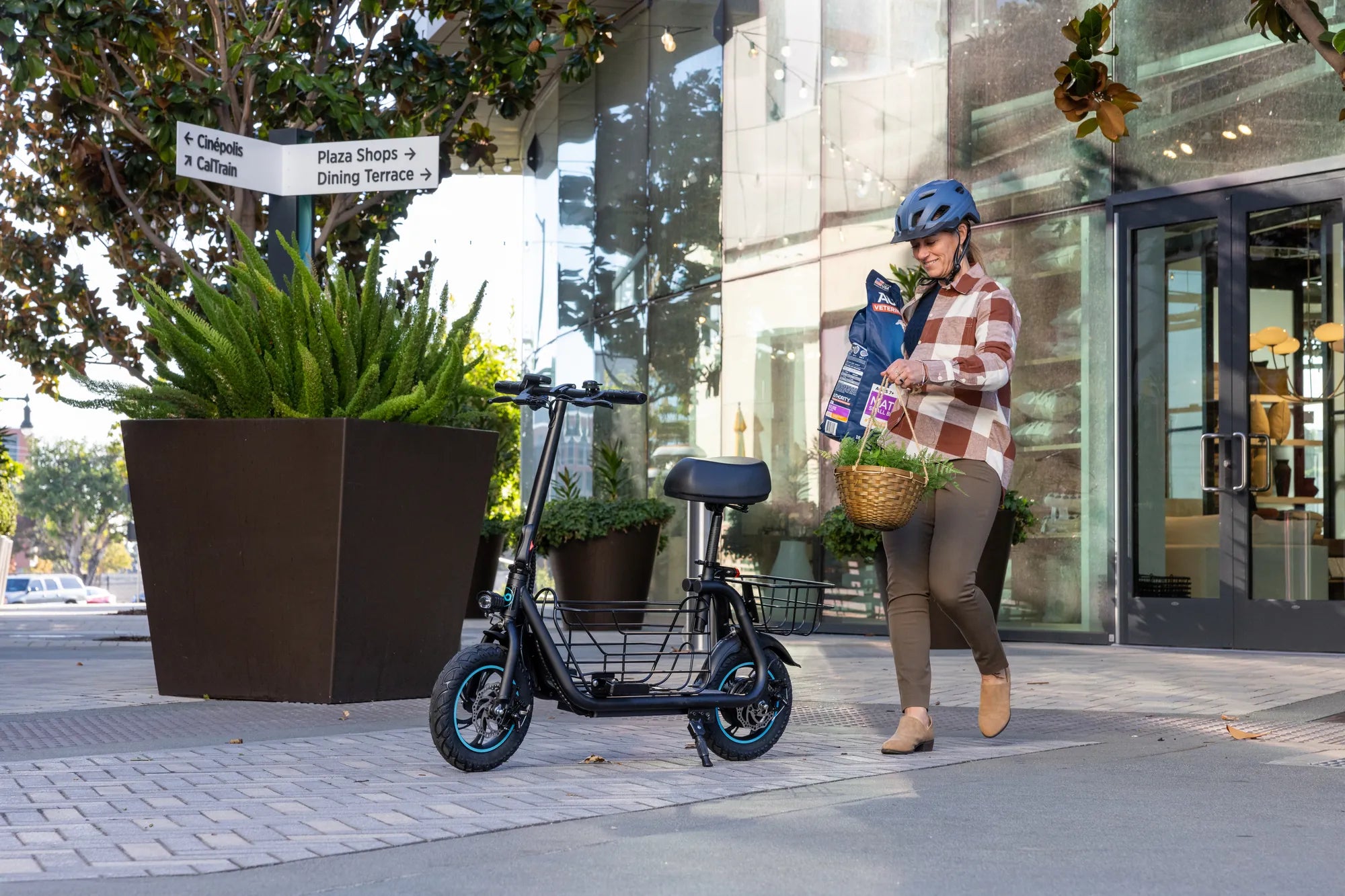
Electric scooters have become a popular mode of transportation, but many riders wonder: can I leave my electric scooter in the rain? The short answer is no, but there’s more to it. Water exposure can cause significant damage to your scooter’s electrical components, battery, and frame. In this article, we’ll explore why rain is harmful, how to protect your scooter, and what to do if it gets wet.
Why Rain is Bad for Your Electric Scooter
Electric scooters are not designed to withstand heavy rain or prolonged exposure to water. Most models have an IP (Ingress Protection) rating, which indicates their resistance to dust and water. However, even scooters with higher IP ratings are not completely waterproof. Here’s what can happen if you leave your scooter in the rain:
- Electrical Damage: Water can seep into the wiring, causing short circuits or corrosion.
- Battery Issues: Moisture can damage the battery, reducing its lifespan or causing it to malfunction.
- Rust and Corrosion: Metal parts, such as the frame or brakes, can rust over time.
- Motor Problems: Water can enter the motor, leading to costly repairs.
How to Protect Your Electric Scooter from Rain
If you must ride in wet conditions or store your scooter outdoors, take these precautions to minimize damage:
- Check the IP Rating: Know your scooter’s water resistance level. Higher ratings (e.g., IPX5 or IPX6) offer better protection.
- Use a Cover: Invest in a waterproof cover to shield your scooter when parked.
- Avoid Puddles: Riding through deep water can splash moisture into sensitive areas.
- Dry It Off: Wipe down your scooter after riding in the rain to prevent water buildup.
- Store Indoors: Whenever possible, keep your scooter in a dry, sheltered place.
What to Do If Your Scooter Gets Wet
Accidents happen, and your scooter might get caught in the rain. If this occurs, follow these steps:
- Turn It Off: Immediately power down the scooter to prevent electrical damage.
- Dry Thoroughly: Use a towel to remove surface water, then let it air-dry in a warm, dry place.
- Inspect Components: Check the battery, motor, and wiring for signs of moisture.
- Wait Before Charging: Ensure the scooter is completely dry before plugging it in.
Long-Term Care for Your Electric Scooter
To keep your scooter in top condition, adopt these habits:
- Regular Maintenance: Clean and inspect your scooter frequently to catch issues early.
- Lubricate Moving Parts: Apply lubricant to the chain, brakes, and other components to prevent rust.
- Monitor Battery Health: Avoid exposing the battery to extreme temperatures or moisture.
Protecting your electric scooter from rain is essential for its longevity and performance. By taking simple precautions and acting quickly if it gets wet, you can enjoy a reliable ride for years to come. Don’t let a little water ruin your investment—stay informed and keep your scooter safe!
Where to Buy Self Balancing Scooter in Toronto: Top Retailers and Tips
400 km Electric Scooter: The Future of Long-Distance Urban Commuting