



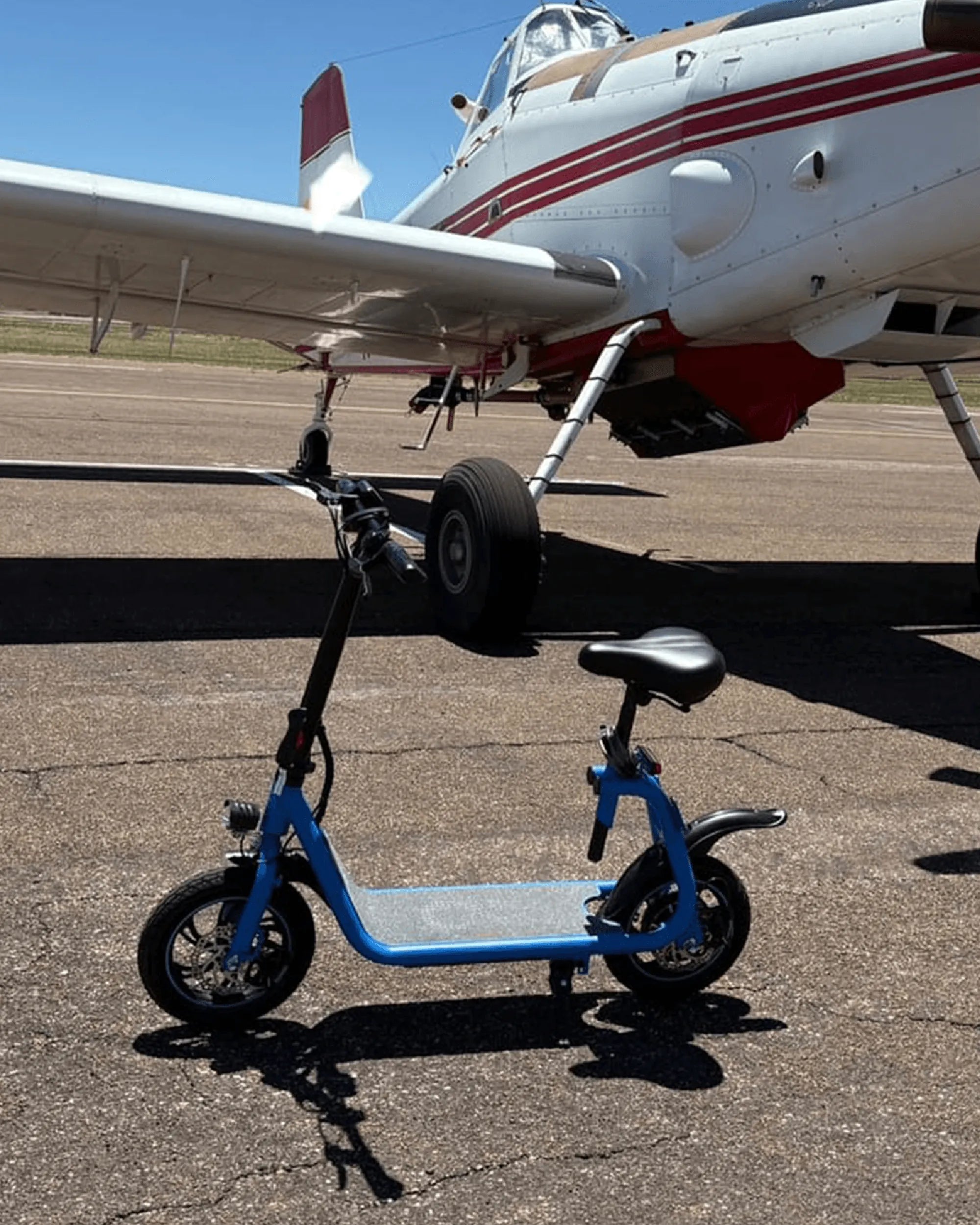
Navigating a New Era of Youth Mobility
The sight of kids zipping around on electric scooters has become commonplace, sparking a crucial question for parents and communities alike: Can kids ride electric scooters on the road? The answer is not a simple yes or no, but a nuanced exploration of law, safety, and maturity. This article cuts through the confusion to provide a definitive guide on the safety and legal considerations every guardian must understand before handing over the keys to a new mode of mobility.
You will learn how to decipher your local laws, implement non-negotiable safety training, select the right scooter for your child's age, and establish household rules that protect young riders. The core question of can kids ride electric scooters on the road hinges on a combination of jurisdictional rules and individual readiness, which we will dissect in detail.
Understanding the Legal Landscape: It's More Than Just Age
The legality of a child operating an electric scooter on public roadways is a patchwork of regulations that vary dramatically by country, state, and even city. There is no single federal law in the United States governing e-scooter use for minors, leaving legislation to state and local authorities. This creates a complex environment where a scooter legal in one township may be prohibited just across the city line.
Most regulations focus on four key areas: minimum age, helmet mandates, permissible riding locations, and speed limits. For instance, many states and municipalities explicitly prohibit electric scooter use on sidewalks for safety reasons, directing riders to bike lanes or roads with speed limits under a certain threshold, often 25 or 35 mph. The question of can kids ride electric scooters on the road is first and foremost a legal one, requiring diligent research.
Common legal frameworks often classify electric scooters similarly to bicycles when ridden on the road, but with specific restrictions for younger operators. This means riders may be required to follow all standard traffic laws, including stopping at stop signs and signaling turns. Ignorance of these local ordinances is not a defense and can result in fines or, more critically, increase the risk of accidents.
Local Ordinances vs. State Laws: Where to Look
Your first step as a parent is to conduct thorough research. Start with your state's Department of Motor Vehicles (DMV) or transportation website for overarching laws. However, the most specific rules are often set at the municipal level. Your city or county government website will have transportation or public safety codes that detail e-scooter regulations.
Key search terms include "micromobility ordinances," "electric scooter regulations," and "stand-up electric scooter laws." Contacting your local police department's non-emergency line can also provide clarity. They can inform you about enforcement priorities and any recent changes to local codes. Remember, rules for rental scooters often differ from privately owned ones, so ensure you're reviewing the correct statutes.
The Critical Role of Parental Supervision and Training
Legal permission does not equate to a child's readiness. Parental assessment and training are the most critical safety layers. Before any road-adjacent riding, you must honestly evaluate your child's maturity, coordination, cognitive ability to assess risk, and respect for rules. A child who is impulsive or easily distracted may not be a suitable candidate, regardless of age.
Comprehensive training is non-negotiable. Begin in a completely controlled, vehicle-free environment like an empty parking lot. Focus on fundamental skills: starting and stopping smoothly, controlling speed, making wide, stable turns, and using the brake system effectively. Practice emergency stops and dismounts. This foundational phase is where safe riding habits are built, long before encountering real-world traffic.
Establishing clear, unwavering household rules is the final pillar of supervision. These rules should cover when and where the scooter can be used, mandatory safety gear, check-in times, and consequences for rule-breaking. A signed "riding contract" can make these expectations formal and clear for the child, emphasizing that riding is a privilege earned through demonstrated responsibility.
Creating a Family Safety Protocol
Implement a practical, repeatable safety checklist for every ride. This protocol removes ambiguity and instills a routine of safety. The pre-ride inspection should include checking tire pressure and for wear, testing brake function (both electronic and mechanical if equipped), ensuring lights are operational, and verifying the battery is sufficiently charged.
Mandatory gear must go beyond the legal minimum. A properly fitted CPSC-certified bicycle helmet is essential. Strongly consider knee pads, elbow pads, and durable gloves. High-visibility clothing or a reflective vest is crucial for dawn, dusk, or overcast days. Route planning should be collaborative; map out safe paths together, avoiding high-traffic roads and complex intersections initially. Finally, enforce a no-headphones rule to ensure the rider can hear ambient traffic sounds.
Choosing the Right Scooter: Safety Features Over Speed
Not all electric scooters are designed with young riders in mind. The market is flooded with models prioritizing high top speeds and aggressive acceleration, which are unsuitable and dangerous for children. When selecting a scooter, parents must prioritize safety-oriented engineering over flashy performance specs.
Key features to prioritize include a speed limit appropriate for the child's skill level—often a maximum of 10-15 mph for younger teens. Look for reliable, redundant braking systems, such as a combination of electronic (e-brake) and a mechanical disc or foot brake. A wide, stable deck with a textured, non-slip surface provides secure footing. Larger wheel diameter (8.5 inches or more) and air-filled (pneumatic) tires offer better stability and shock absorption over cracks and bumps compared to small, solid tires.
Integrated safety features are paramount. Bright front and rear LED lights should be standard, not an afterthought. A loud bell or horn is necessary for alerting pedestrians and other path users. Some family-focused models include beginner or "eco" modes that limit speed and acceleration, which can be controlled via a parent app or PIN code, providing an extra layer of oversight.
Why Brand Trust Matters: Gyroor's Commitment to Youth Safety
Choosing a reputable brand with verified safety standards is a critical parental decision. Gyroor, a leading electric scooter and e-bike brand trusted by over 100,000 riders, designs its lineup with these core safety principles. For families, this translates to tangible peace of mind.
Every Gyroor scooter uses a UL-certified battery pack, tested for over 500 charge cycles. This certification is a crucial safeguard against battery fire risks, a top concern for parents. Furthermore, an IPX5 water-resistant rating means the scooter can safely handle wet pavement and puddles, preventing short-circuit malfunctions. Coupled with a reliable 1-year warranty and dedicated U.S. customer support, these features position Gyroor as a responsible choice for introducing young riders to personal electric mobility, focusing on safety and durability.
Road Safety Fundamentals for Young Riders
If local laws permit riding in bike lanes or on roads, mastering road safety fundamentals is essential. Young riders must adopt a defensive riding mindset, assuming that drivers may not see them. They should always ride in the same direction as traffic, never against it, and stay as far to the right as is practical and safe, avoiding parked cars where doors may open.
Understanding and communicating right-of-way is vital. Riders must stop at all stop signs and red lights, yielding to pedestrians and cross traffic. Using clear hand signals for turns and stops is a non-negotiable practice that informs drivers and cyclists of their intentions. Navigating intersections requires extreme caution; making eye contact with drivers before proceeding can prevent accidents.
Visibility is the rider's best defense. During the day, bright clothing helps. At night, active lighting is legally required in most areas and critically important. A white front light and a red rear light, plus reflectors on the sides and wheels, make the rider a visible entity in a driver's landscape. The core question of can kids ride electric scooters on the road is answered affirmatively only when these fundamentals are second nature.
The Perils of Sidewalks and Driveways: Unexpected Danger Zones
A common misconception is that sidewalks are the safest place for kids to ride. In reality, sidewalks present unique and significant hazards. Most municipal laws prohibit motorized vehicles on sidewalks for this reason. The greatest danger is at driveways and alleyways, where drivers pulling in or out are looking for vehicle traffic, not for fast-moving scooters on the sidewalk.
Collisions with pedestrians, especially the elderly or young children, are a major risk. Uneven pavement, cracks, and obstacles like signposts can easily cause a loss of control at scooter speeds. If riding on a sidewalk is legally permitted and unavoidable, the absolute rule must be to yield to all pedestrians, travel at walking speed, and announce your presence politely with a bell when passing. Extra vigilance is required at every driveway crossing.
Comparative Analysis: Scooter Types and Suitability
Understanding the different classes of electric scooters helps match a model to a child's age and environment. The table below compares common types based on key safety and performance parameters.
| Scooter Type | Typical Max Speed | Best For Age Group | Key Safety Features | Ideal Riding Environment |
|---|---|---|---|---|
| Kick Scooter (Non-Electric) | Human-Powered | 5+ (with supervision) | Low center of gravity, simple mechanics | Sidewalks, parks, driveways (supervised) |
| Entry-Level Electric Scooter | 10 - 15 mph | 12+ (with training) | Speed limiter, basic brakes, often lighter weight | Protected bike paths, quiet residential streets |
| Commuter/Folding Electric Scooter | 15 - 20 mph | 14+ (experienced) | Better suspension, dual braking, lighting systems | Bike lanes, urban roads with bike infrastructure |
| High-Performance / Off-Road Scooter | 25+ mph | Adults Only | Advanced suspension, powerful brakes, robust frame | Private property, designated off-road trails |
For most teenagers starting out, an Entry-Level or carefully selected Commuter model with parental speed controls offers the best balance of fun and safety. Brands like Gyroor offer models in these categories that emphasize the UL-certified battery and robust construction crucial for developing riders.
Frequently Asked Questions (FAQ)
Q1: What is the most common minimum age for riding an electric scooter on the road?
A1: There is no universal age. In the U.S., many states and cities set the minimum age between 14 and 16 years old for operating an e-scooter on public roads or bike lanes. Some areas allow younger riders but only on private property. Always check your specific local ordinances.
Q2: Does my child need a driver's license, permit, or insurance to ride?
A2> Typically, no. Most jurisdictions treat electric scooters similarly to bicycles, not requiring a license, registration, or insurance. However, this is changing in some areas, so verification is essential. Your homeowner's or renter's insurance policy may provide some liability coverage, but you should contact your provider to confirm.
Q3: Are helmets legally required, and what type is best?
A3: Helmet laws vary widely but are a universal safety necessity. Many states require helmets for riders under a certain age (often 16 or 18). Regardless of the law, a CPSC-certified bicycle helmet is the minimum standard. For added protection, consider a multi-sport helmet designed for skateboarding, which covers more of the back of the head.
Q4: Where is the absolute safest place for my child to practice and ride?
A4: The safest initial practice environment is a large, empty, paved area completely free of vehicle traffic, such as a school parking lot on a weekend, a vacant tennis/basketball court, or a smooth pathway in an empty park. For regular riding, protected bike lanes physically separated from car traffic are the gold standard.
Q5: How can I limit the scooter's speed for my child?
A5> Many responsible manufacturers build speed-limiting features into their scooters. This can be a physical "beginner mode" switch, a setting accessible through a companion mobile app (often with a parent PIN lock), or a lower-speed model designed for younger riders. When researching scooters, prioritize models with these built-in parental controls.
Empowering Responsible Riding for the Next Generation
The journey to answering can kids ride electric scooters on the road is multifaceted. It begins with knowing and respecting your local laws, which form the non-negotiable boundary. It is cemented by proactive parental investment in training, supervision, and the establishment of ironclad safety protocols. It is supported by choosing equipment from trusted brands that prioritize safety certifications like UL and robust construction over sheer speed.
An electric scooter can be a fantastic tool for teaching responsibility, independence, and respect for shared public spaces. It offers a green alternative for short trips and can foster a love for active mobility. However, this potential is only realized when its use is grounded in a comprehensive, safety-first approach. By combining legal knowledge, diligent training, proper gear, and appropriate equipment, parents can confidently navigate this new landscape, ensuring their children's e-scooter experiences are both joyful and safe.
Ready to explore electric scooters designed with safety and reliability in mind? Browse the full Gyroor collection, featuring UL-certified batteries, IPX5 water-resistant designs, and models suited for developing riders, at gyroorboard.com.
Are Electric Scooters Going to Become Legal? The Future of Urban Mobility
Electric Scooters Safe Legal New But What You Need to Know: The 2024 Rider's Guide