

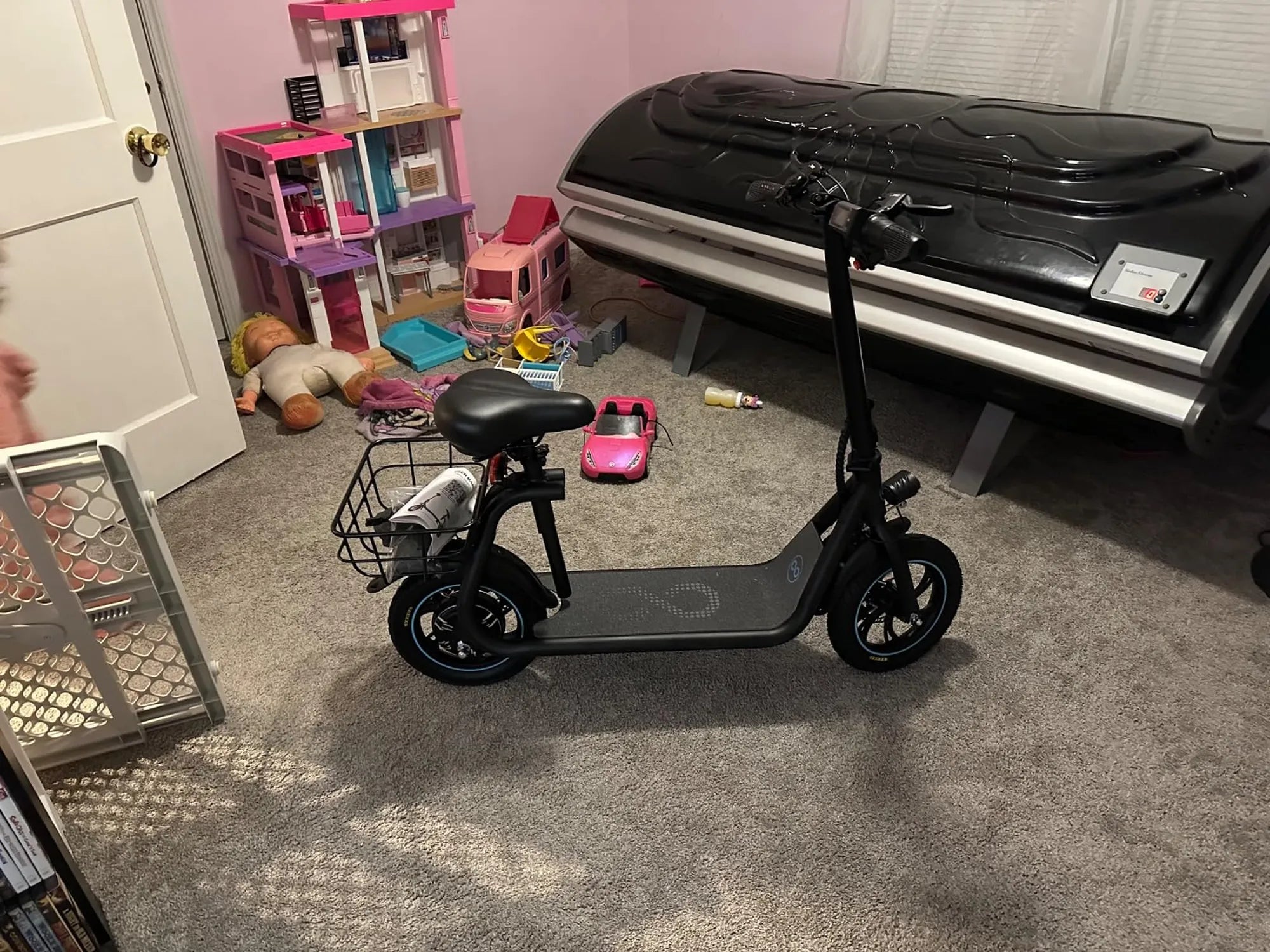
Ever wondered if you can hop on a 49cc scooter and hit the road without a license? The answer isn't as straightforward as you might think. While these small-engine scooters are often marketed as low-maintenance and easy to ride, the legal requirements vary widely depending on where you live. Let's dive into the details to help you navigate the rules and avoid costly mistakes.
Understanding 49cc Scooters
A 49cc scooter is a lightweight, low-powered vehicle designed for short-distance commuting. With an engine displacement of 49 cubic centimeters, these scooters are often categorized as mopeds or motorized bicycles in many jurisdictions. Their top speed typically ranges between 30 and 40 mph, making them ideal for urban environments.
Legal Requirements by Region
The laws governing 49cc scooters differ significantly from one place to another. Here's a breakdown of common regulations:
United States
In the U.S., scooter laws are determined at the state level. Some states classify 49cc scooters as mopeds, allowing them to be ridden without a motorcycle license. However, a standard driver's license or learner's permit may still be required. States like California and Texas mandate registration, insurance, and a helmet, while others have more relaxed rules.
Europe
In many European countries, 49cc scooters fall under the AM license category. Riders often need to complete a theory test and basic training, even if a full motorcycle license isn't required. Helmets are almost always mandatory, and some nations impose age restrictions.
Asia
Asian countries have diverse regulations. In some regions, 49cc scooters are treated like bicycles, requiring no license or registration. Others enforce strict licensing and insurance requirements, especially in densely populated cities.
Risks of Riding Without a License
Even if your local laws permit riding a 49cc scooter without a license, there are risks to consider:
- Legal Penalties: Getting caught without the proper documentation can result in fines, impoundment, or even court appearances.
- Insurance Issues: Most insurers won't cover accidents if you're riding illegally, leaving you financially vulnerable.
- Safety Concerns: Lack of training increases the likelihood of accidents, especially in high-traffic areas.
Alternatives to Skipping the License
If you're hesitant about obtaining a full motorcycle license, consider these options:
- Moped License: Many regions offer a simplified licensing process for low-powered vehicles.
- Training Courses: Even if not mandatory, completing a safety course can boost your confidence and skills.
- Electric Bikes: Some electric bicycles offer similar convenience without the licensing hassle.
Final Thoughts
Before you rev up that 49cc scooter, take the time to research your local laws. A few hours spent at the DMV or a quick online search could save you from hefty fines or worse. Riding responsibly isn't just about following the rules—it's about ensuring your safety and the safety of others on the road. So, is it worth the risk? Only you can decide.
Fastest 50cc Dirt Bike: Speed, Performance, and Thrills for Off-Road Enthusiasts
Best Folding E Bike 2025: The Ultimate Guide to Compact and Powerful Commuting