

Hoverboards have taken the world by storm, offering a fun and futuristic way to get around. But what happens when you want to take your hoverboard off the pavement and onto the grass? Can you drive a hoverboard on grass, or is it a recipe for disaster? Let’s dive into the details and find out.
Understanding Hoverboard Mechanics
Before tackling the question of grass riding, it’s important to understand how hoverboards work. These self-balancing scooters rely on gyroscopic sensors and electric motors to keep riders upright and moving. The wheels are typically small and designed for smooth, flat surfaces like sidewalks and indoor floors.
Challenges of Riding a Hoverboard on Grass
Grass presents several challenges for hoverboard riders. The uneven terrain, bumps, and resistance from the grass can make it difficult for the hoverboard’s sensors to maintain balance. Additionally, the small wheels may struggle to gain traction, leading to a less stable ride.
1. Uneven Terrain
Grass is rarely perfectly flat. Small dips, holes, or even slight inclines can throw off the hoverboard’s balance, making it harder to control. This increases the risk of falls or accidents.
2. Traction Issues
Hoverboard wheels are usually made of hard plastic or rubber, which doesn’t grip grass as well as pavement. Without proper traction, the hoverboard may slip or stall, especially on wet or dewy grass.
3. Battery Drain
Riding on grass requires more power from the hoverboard’s motors, as they work harder to overcome the resistance. This can drain the battery faster, reducing your ride time.
Tips for Riding a Hoverboard on Grass
While it’s not ideal, some hoverboards can handle grass with the right precautions. Here are a few tips to make the experience smoother and safer:
1. Choose a Hoverboard with Larger Wheels
Hoverboards with larger, more rugged wheels are better suited for grass. These wheels provide better traction and can handle uneven terrain more effectively.
2. Check the Grass Conditions
Avoid riding on wet or overly long grass, as these conditions increase the risk of slipping. Short, dry grass is the best option for a smoother ride.
3. Start Slow
If you’re new to riding on grass, start at a slow speed to get a feel for how the hoverboard handles the terrain. Gradually increase your speed as you gain confidence.
4. Maintain Proper Balance
Grass riding requires more focus on balance. Keep your weight centered and avoid sudden movements to prevent tipping over.
Alternatives to Grass Riding
If your hoverboard isn’t cut out for grass, consider these alternatives:
1. Paved Paths
Stick to sidewalks, bike paths, or other smooth surfaces for a safer and more enjoyable ride.
2. All-Terrain Hoverboards
Some hoverboards are specifically designed for off-road use, with larger wheels and more powerful motors. These models can handle grass, dirt, and other rough surfaces with ease.
Safety Considerations
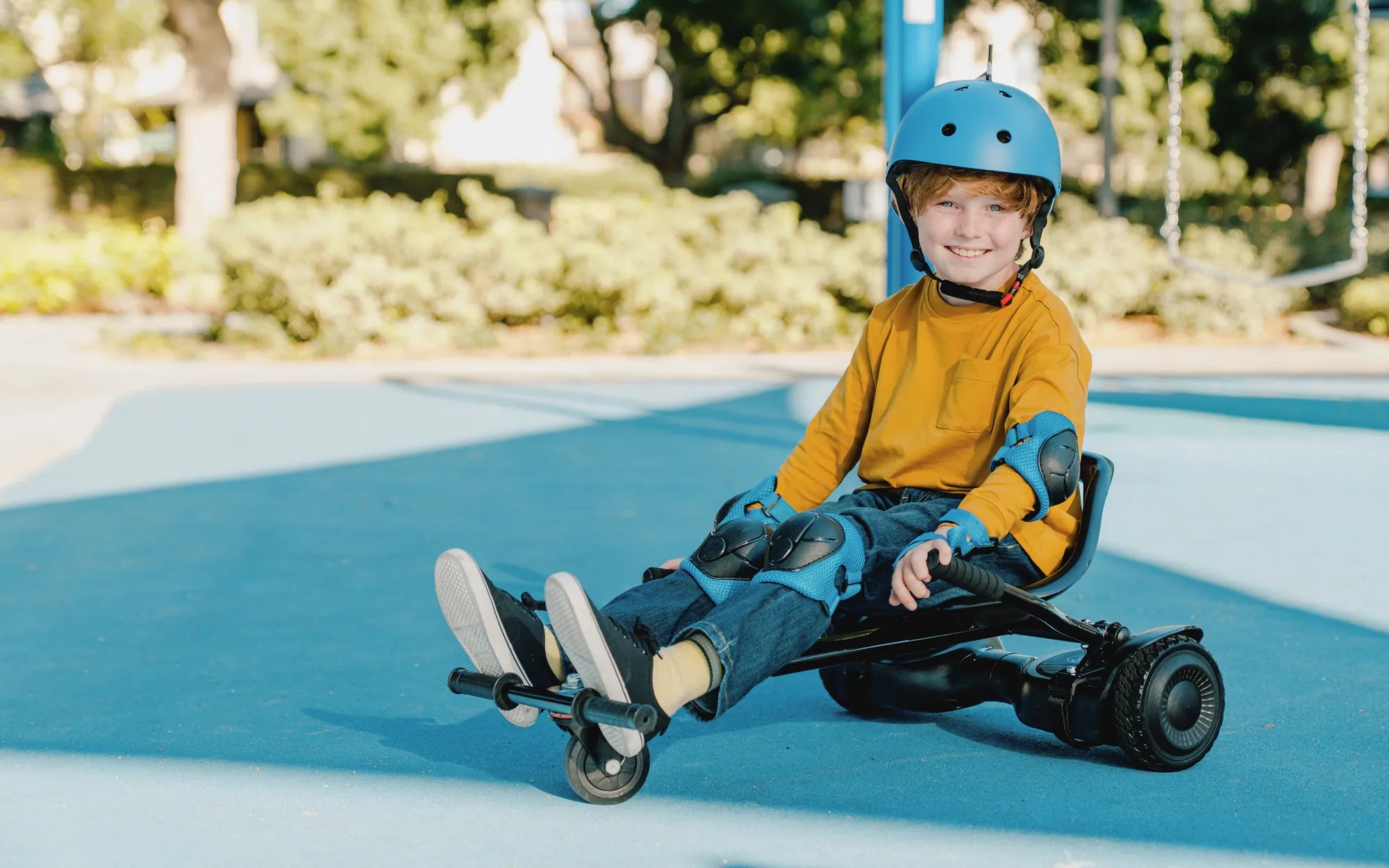
Riding a hoverboard on grass comes with risks. Always wear protective gear, including a helmet, knee pads, and elbow pads, to minimize injury in case of a fall. Additionally, avoid steep hills or overly rough terrain.
So, can you drive a hoverboard on grass? The answer is yes—but with caution. While it’s possible, the experience may not be as smooth or effortless as riding on pavement. By choosing the right hoverboard, checking the terrain, and practicing safe riding habits, you can enjoy your hoverboard on grass without compromising safety or performance. Ready to take your hoverboard adventure off-road? Give it a try, but remember to stay safe and have fun!
Good Hoverboard Brands and Prices: A Comprehensive Guide to Finding the Best Deals
Can Kids Use Adult Hoverboards? Safety and Considerations for Parents