

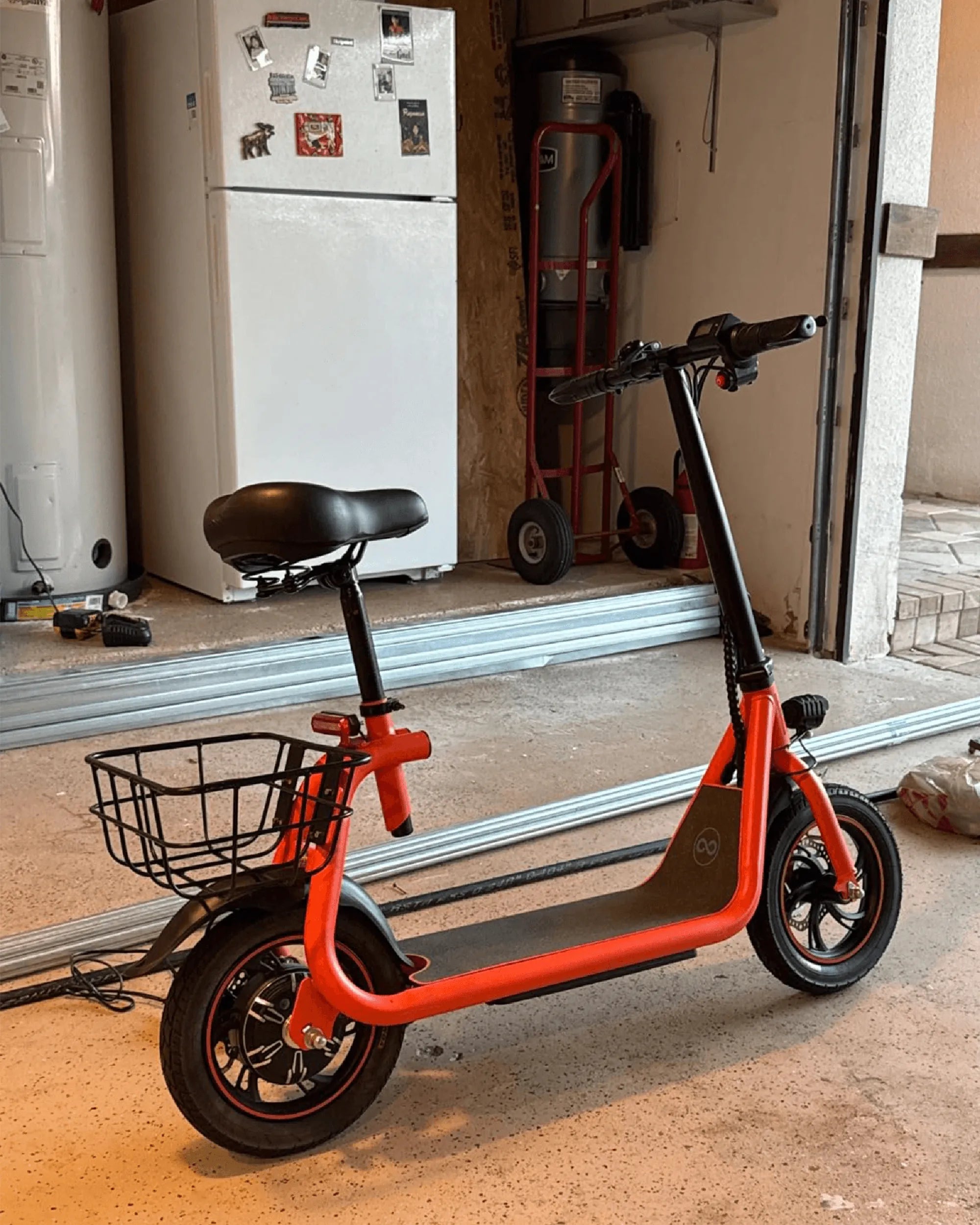
Electric bikes have surged in popularity as a convenient, eco-friendly, and cost-effective mode of transportation. But one question lingers in the minds of many potential riders: Can you drive an electric bike without a license? The answer isn’t always straightforward, as it depends on local laws, the type of e-bike, and how it’s classified. Let’s dive into the details to clear up the confusion.
Understanding Electric Bike Classifications
Before determining whether a license is required, it’s essential to understand how electric bikes are categorized. Most regions classify e-bikes into three main types:
- Class 1: Pedal-assist only, with no throttle, and a maximum assisted speed of 20 mph.
- Class 2: Throttle-assisted, with a maximum speed of 20 mph.
- Class 3: Pedal-assist only, with a maximum assisted speed of 28 mph.
These classifications play a significant role in licensing requirements. In many areas, Class 1 and Class 2 e-bikes are treated similarly to traditional bicycles, meaning no license is needed. However, Class 3 e-bikes may face stricter regulations due to their higher speed capabilities.
Legal Requirements for Riding an Electric Bike
The legality of riding an e-bike without a license varies by country, state, and even city. Here’s a general breakdown:
United States
In the U.S., federal law defines e-bikes as bicycles if they meet specific criteria (e.g., motor wattage under 750W and max speed of 20 mph). Most states follow this guideline, allowing riders to operate Class 1 and Class 2 e-bikes without a license. However, some states require helmets, age restrictions, or registration for Class 3 e-bikes.
European Union
The EU classifies e-bikes as "pedelecs" if they provide assistance only up to 25 km/h (15.5 mph) and have a motor under 250W. These typically don’t require a license. Faster e-bikes may be classified as mopeds, necessitating registration, insurance, and a license.
Other Regions
Countries like Canada and Australia have similar distinctions, often requiring licenses for higher-speed e-bikes. Always check local regulations before riding.
Benefits of Riding an Electric Bike Without a License
If your e-bike falls into a no-license-required category, you can enjoy several advantages:
- Cost Savings: Avoid expenses like licensing fees, insurance, and fuel.
- Ease of Use: No need for complex registration processes or tests.
- Eco-Friendly: Reduce your carbon footprint with zero emissions.
- Health Benefits: Pedal-assist modes encourage physical activity.
Potential Pitfalls and Misconceptions
While many e-bikes don’t require a license, riders should be aware of common misunderstandings:
- Speed Limits: Exceeding your e-bike’s legal speed may reclassify it as a motor vehicle.
- Modifications: Illegally upgrading your e-bike’s motor or speed can void its classification.
- Local Variations: Laws can change between cities, so always verify regulations.
How to Stay Compliant While Riding
To ensure you’re riding legally, follow these tips:
- Check your e-bike’s classification and local laws.
- Wear a helmet, even if not legally required.
- Avoid modifying your e-bike to exceed legal limits.
- Respect traffic rules and bike lane regulations.
Electric bikes offer a fantastic way to commute, exercise, and explore—often without the hassle of a license. By understanding the rules and choosing the right e-bike, you can hit the road with confidence and freedom. Ready to embrace the e-bike revolution? The open road awaits!
What Is Best Folding Electric Scooters for Tall Adults – A Complete Guide
Can You Use an E Scooter Without a Phone? Exploring the Possibilities