



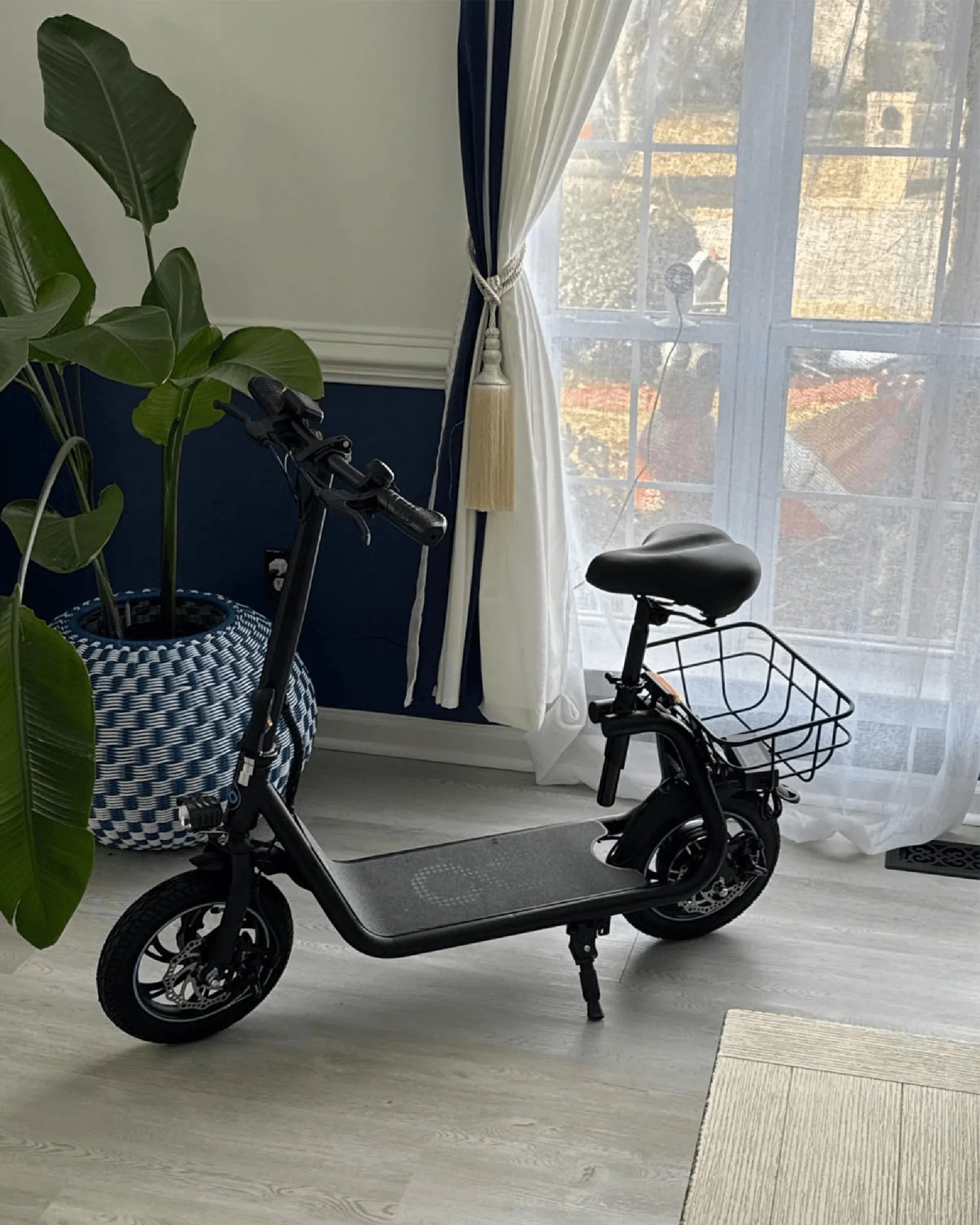
Electric scooters have surged in popularity across the UK, offering a convenient and eco-friendly way to navigate busy streets. But before you hop on one, it's crucial to understand the legal landscape. Can you drive an electric scooter in the UK? The answer isn't as straightforward as you might think. Let's dive into the details.
The Legal Status of Electric Scooters in the UK
Currently, electric scooters fall into a legal grey area in the UK. Under the Highway Act 1835 and the Road Traffic Act 1988, electric scooters are classified as Personal Light Electric Vehicles (PLEVs). This means they are treated similarly to motor vehicles, requiring insurance, tax, and a valid license to operate on public roads.
However, most electric scooters available for private purchase do not meet the necessary requirements for road use. As a result, riding them on public roads, pavements, or cycle lanes is illegal unless they are part of an approved rental scheme.
Where Can You Legally Ride an Electric Scooter?
If you own a private electric scooter, the only places you can legally ride it are:
- Private land with the landowner's permission.
- Approved rental schemes in designated trial areas.
The UK government has been running trials for rental e-scooters in select cities since 2020. These scooters are insured, meet safety standards, and can be used on roads and cycle lanes in the trial zones. Check your local council's website to see if your area is part of the scheme.
Penalties for Illegal Use
Riding an electric scooter illegally can result in severe consequences, including:
- Fines of up to £300.
- Penalty points on your driving license.
- Confiscation of your scooter by the police.
Police forces across the UK have been cracking down on illegal e-scooter use, particularly in busy urban areas. It's not worth the risk—always follow the law.
Safety Tips for Riding Electric Scooters
If you're using a rental e-scooter or riding on private land, safety should be your top priority. Follow these tips to stay safe:
- Wear a helmet—even though it's not legally required, it could save your life.
- Stick to speed limits—most rental scooters are capped at 15.5 mph.
- Be aware of pedestrians—yield to them and avoid riding on pavements.
- Check your scooter before riding—ensure brakes and lights are working.
The Future of Electric Scooters in the UK
The government is reviewing the current laws, and there's growing pressure to legalize private e-scooters with proper regulations. Potential changes could include:
- Mandatory safety standards for private scooters.
- Age restrictions and licensing requirements.
- Dedicated infrastructure like scooter lanes.
Until then, the safest and most legal way to ride an electric scooter in the UK is through approved rental schemes.
Electric scooters offer a fun, efficient way to get around—but only if you follow the rules. Stay informed, ride responsibly, and keep an eye on upcoming legal changes. The future of e-scooters in the UK is bright, but for now, play it safe and stick to the law.
How Fast Is the Average Electric Scooter: Speed, Safety, and Performance
Cons of Electric Scooters for Sustainability: Hidden Environmental Costs