



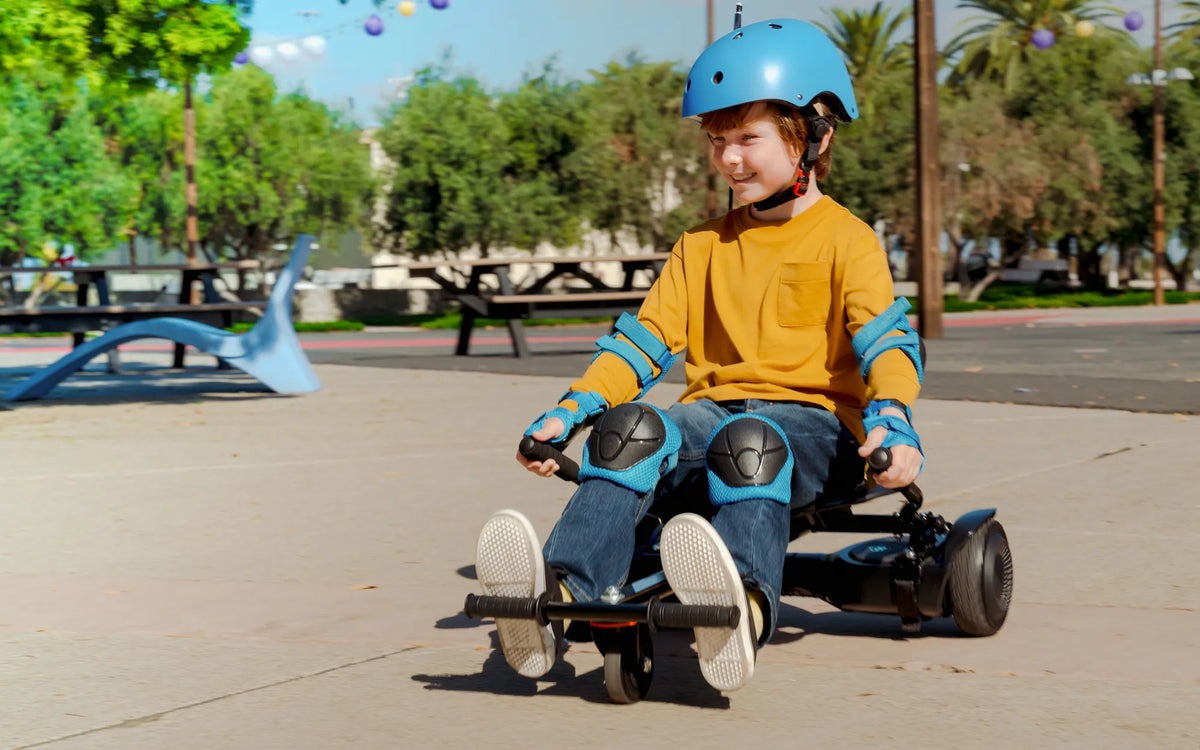
Hoverboards have become a popular mode of personal transportation, offering a fun and futuristic way to get around. But what happens when the weather turns rainy? Can you ride a hoverboard on wet ground, or is it a recipe for disaster? Let’s dive into the risks, safety measures, and best practices to keep you rolling safely.
Understanding the Risks of Riding a Hoverboard on Wet Ground
Riding a hoverboard on wet surfaces poses several significant risks. First, water can damage the internal electronics, leading to malfunctions or even complete failure. Most hoverboards are not waterproof, and exposure to moisture can short-circuit the battery or motors. Additionally, wet ground reduces traction, increasing the likelihood of slips and falls. The smooth surface of a hoverboard’s wheels combined with water creates a slippery combination that can be hard to control.
How Water Affects Hoverboard Performance
Water doesn’t just pose a risk to the hoverboard’s electronics—it also impacts performance. Wet surfaces reduce grip, making it harder to accelerate, brake, or turn smoothly. Even a small puddle can cause the wheels to lose traction, leading to sudden movements that may throw the rider off balance. Furthermore, moisture can seep into the wheel bearings or other mechanical components, causing rust or corrosion over time.
Safety Precautions for Wet Conditions
If you must ride your hoverboard in damp conditions, take these precautions to minimize risks:
- Avoid deep puddles or standing water—these can submerge the electronics and cause immediate damage.
- Ride slowly and cautiously—reducing speed helps maintain control on slippery surfaces.
- Dry the hoverboard thoroughly after use—wipe down the wheels and body to prevent water from seeping inside.
- Check the manufacturer’s guidelines—some models may have limited water resistance, but few are fully waterproof.
Alternatives to Riding on Wet Ground
If the ground is wet, consider alternative transportation methods. Walking, using a waterproof scooter, or waiting for the surface to dry are safer options. If you rely on your hoverboard for short commutes, plan ahead by checking the weather and avoiding rides during or after rain.
Long-Term Maintenance for Wet Rides
If your hoverboard gets wet, proper maintenance is crucial. Store it in a dry place, inspect for water damage, and avoid charging it until you’re sure it’s completely dry. Regular maintenance can extend the lifespan of your device, even if it occasionally encounters damp conditions.
Riding a hoverboard on wet ground might seem tempting, but the risks far outweigh the convenience. From damaged electronics to dangerous slips, water and hoverboards don’t mix well. By following safety tips and knowing when to avoid riding, you can keep your hoverboard—and yourself—safe. Next time the skies open up, think twice before taking your hoverboard for a spin!
Hoverboard Electric Scooter Self Balancing Scooter: The Future of Personal Transportation
Can You Ride a Hoverboard Between Charging? Exploring Battery Life and Performance