

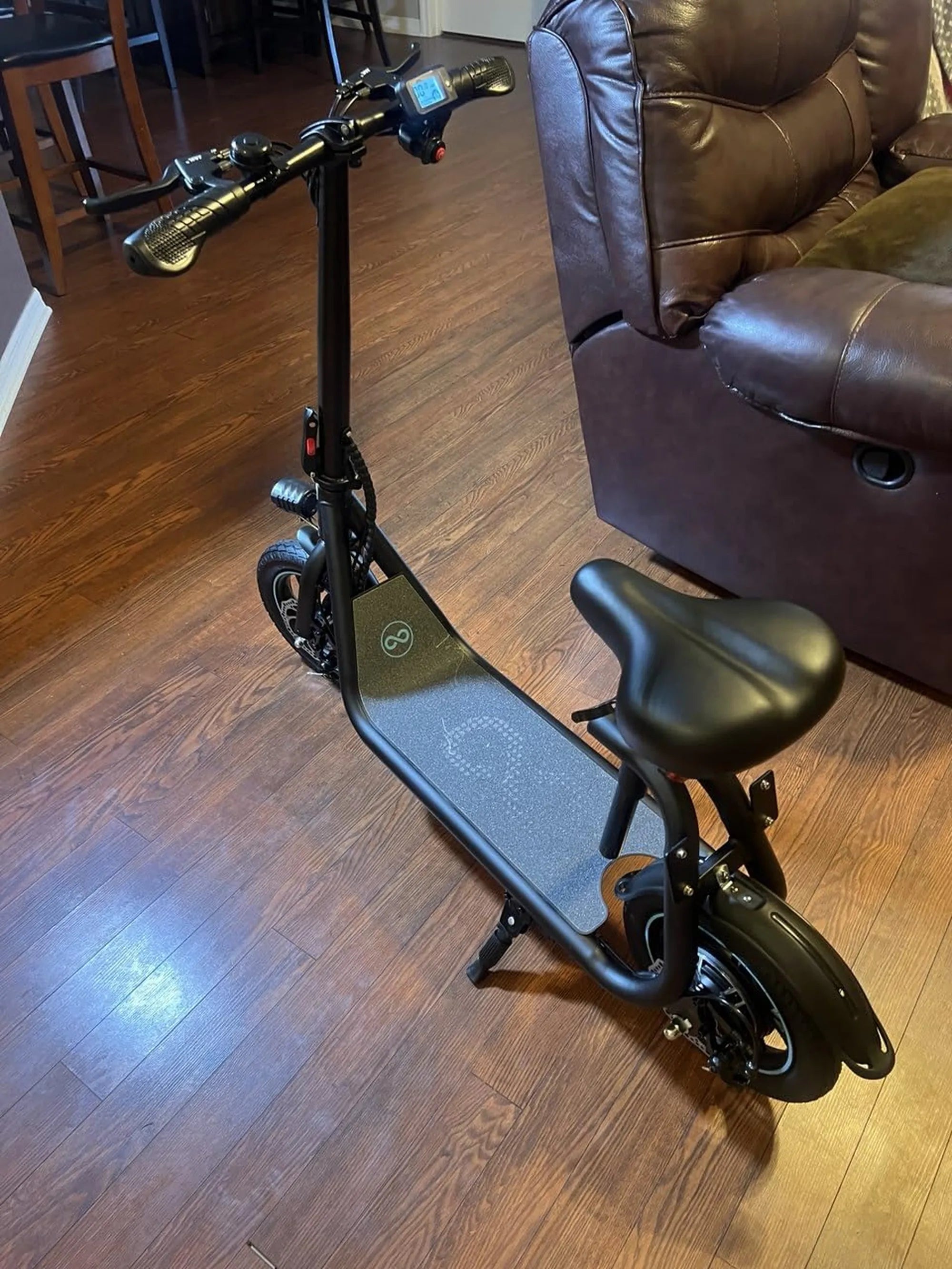
Electric bikes, or ebikes, have surged in popularity as a convenient and eco-friendly mode of transportation. But one question lingers for many riders: can you ride an ebike on the sidewalk? The answer isn’t always straightforward, as laws vary by location, and safety considerations play a major role. Whether you’re a seasoned rider or new to the world of ebikes, understanding the rules of the road—and sidewalk—is crucial.
Understanding Ebike Classifications
Before diving into sidewalk regulations, it’s important to know how ebikes are classified. Most regions categorize ebikes into three classes:
- Class 1: Pedal-assist only, with no throttle, and a maximum speed of 20 mph.
- Class 2: Throttle-assisted, with a maximum speed of 20 mph.
- Class 3: Pedal-assist only, with a maximum speed of 28 mph.
These classifications often determine where an ebike can legally operate, including whether sidewalk riding is permitted.
Local Laws and Sidewalk Riding
The legality of riding an ebike on the sidewalk depends heavily on local regulations. Some cities and states explicitly prohibit it, while others allow it under certain conditions. Here’s what you need to know:
Where Sidewalk Riding Is Prohibited
Many urban areas ban ebikes on sidewalks entirely, treating them similarly to traditional bicycles. For example:
- Major cities often restrict sidewalk riding to protect pedestrians.
- High-traffic areas may enforce fines for ebike riders on sidewalks.
Where Sidewalk Riding Is Allowed
In some regions, especially suburban or rural areas, sidewalk riding may be permitted if:
- The ebike is classified as a low-speed model (e.g., Class 1 or 2).
- There are no dedicated bike lanes available.
- The rider yields to pedestrians and maintains a safe speed.
Safety Concerns of Sidewalk Riding
Even where legal, riding an ebike on the sidewalk poses several safety risks:
- Pedestrian Collisions: Sidewalks are designed for walking, and ebikes can startle or endanger pedestrians.
- Visibility Issues: Drivers may not expect fast-moving bikes on sidewalks, increasing the risk of accidents at intersections.
- Uneven Surfaces: Sidewalks often have cracks, bumps, or obstacles that can destabilize an ebike.
Best Practices for Ebike Riders
If you must ride on the sidewalk, follow these guidelines to stay safe and compliant:
- Check Local Laws: Always verify the rules in your area before riding.
- Slow Down: Reduce speed to match pedestrian traffic.
- Yield to Pedestrians: Give right-of-way and announce your presence politely.
- Use Bike Lanes When Available: Opt for designated bike lanes whenever possible.
Alternatives to Sidewalk Riding
If sidewalk riding isn’t an option, consider these alternatives:
- Bike Lanes: Use dedicated bike lanes for a safer, faster commute.
- Quiet Streets: Choose low-traffic roads with slower speed limits.
- Multi-Use Paths: Look for shared paths designed for both cyclists and pedestrians.
Riding an ebike on the sidewalk isn’t always the best or safest choice, but with the right knowledge and precautions, you can navigate urban environments responsibly. Whether you’re zipping through city streets or cruising in a suburban neighborhood, staying informed and courteous ensures a smoother ride for everyone.
How to Reset E-Bike Battery: A Step-by-Step Guide to Restoring Power
Best Fat Tire E Bike: The Ultimate Guide to Choosing the Perfect Ride