



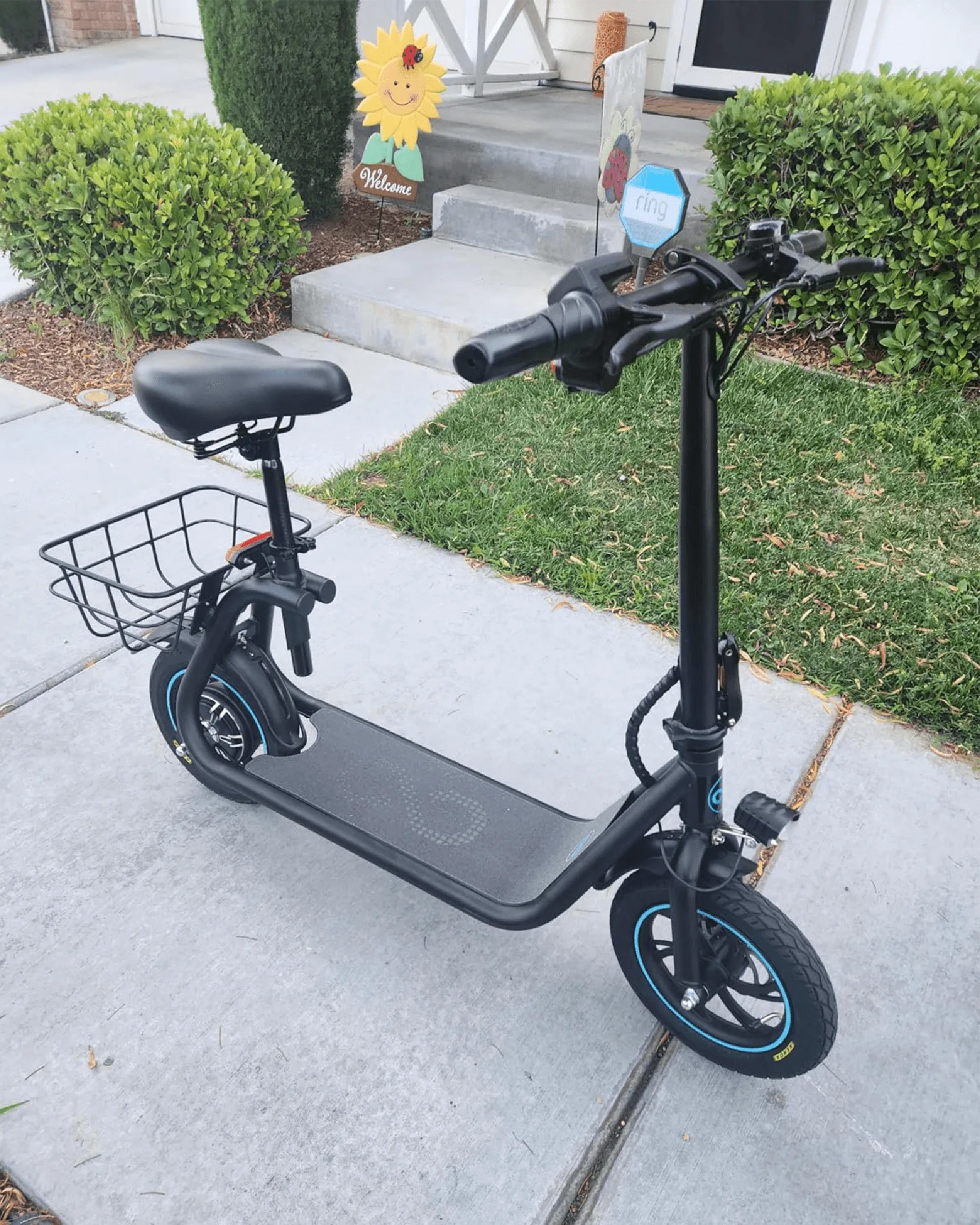
Being banned from driving can feel like a major setback, but what if there's a way to stay mobile without breaking the law? Electric bikes (e-bikes) have surged in popularity as a convenient and eco-friendly mode of transport, but are they a legal alternative for those with a driving ban? Let’s dive into the details.
Understanding Driving Bans and Their Implications
A driving ban, often imposed for serious traffic offenses or repeated violations, prohibits an individual from operating a motor vehicle on public roads. The ban typically applies to cars, motorcycles, and other vehicles requiring a driver's license. But where do electric bikes fit into this picture?
What Classifies as an Electric Bike?
E-bikes come in various forms, and their legal classification depends on factors like power output, speed capabilities, and whether they require pedaling. In many jurisdictions, e-bikes are categorized as follows:
- Class 1: Pedal-assist only, with a maximum speed of 20 mph.
- Class 2: Throttle-assisted, with a maximum speed of 20 mph.
- Class 3: Pedal-assist only, with a maximum speed of 28 mph.
These classifications matter because they determine whether an e-bike is treated like a bicycle or a motor vehicle under the law.
Legal Status of E-Bikes for Banned Drivers
In most regions, standard e-bikes (Class 1 and 2) are not considered motor vehicles, meaning they don’t require a driver's license, registration, or insurance. This makes them a potential option for those banned from driving. However, there are exceptions:
- Some areas classify higher-speed e-bikes (Class 3) as mopeds or motor vehicles, requiring a license.
- If your driving ban includes a prohibition on operating any motorized vehicle, even e-bikes might be off-limits.
- Local laws vary, so checking your region’s specific regulations is crucial.
Potential Restrictions and Considerations
Even if e-bikes are legally permissible, there are other factors to consider:
- Insurance: While not always required, insurance can protect you in case of accidents.
- Age Restrictions: Some areas impose age limits for e-bike riders.
- Road Rules: E-bike riders must follow bicycle laws, including helmet requirements and traffic signals.
Benefits of Choosing an E-Bike
For those eligible, e-bikes offer several advantages:
- Eco-Friendly: Zero emissions and energy-efficient.
- Cost-Effective: No fuel costs and minimal maintenance compared to cars.
- Health Benefits: Pedal-assist modes encourage physical activity.
Risks and Challenges
Despite the perks, there are downsides:
- Weather Dependency: Riding in rain or snow can be uncomfortable.
- Limited Range: Battery life may restrict long-distance travel.
- Safety Concerns: Sharing roads with cars can be hazardous.
How to Stay Compliant
To avoid legal trouble, follow these steps:
- Research local e-bike laws to confirm eligibility.
- Choose an e-bike that fits within legal classifications.
- Wear protective gear and adhere to traffic rules.
If you’ve been banned from driving, an e-bike could be your ticket to staying on the move—just make sure you’re riding within the law. With the right knowledge and precautions, you can enjoy the freedom of two wheels without risking further penalties.
Best Electric Bike for 500 Dollars: Affordable and Reliable Options
City Bike Electric Scooter: The Future of Urban Commuting