



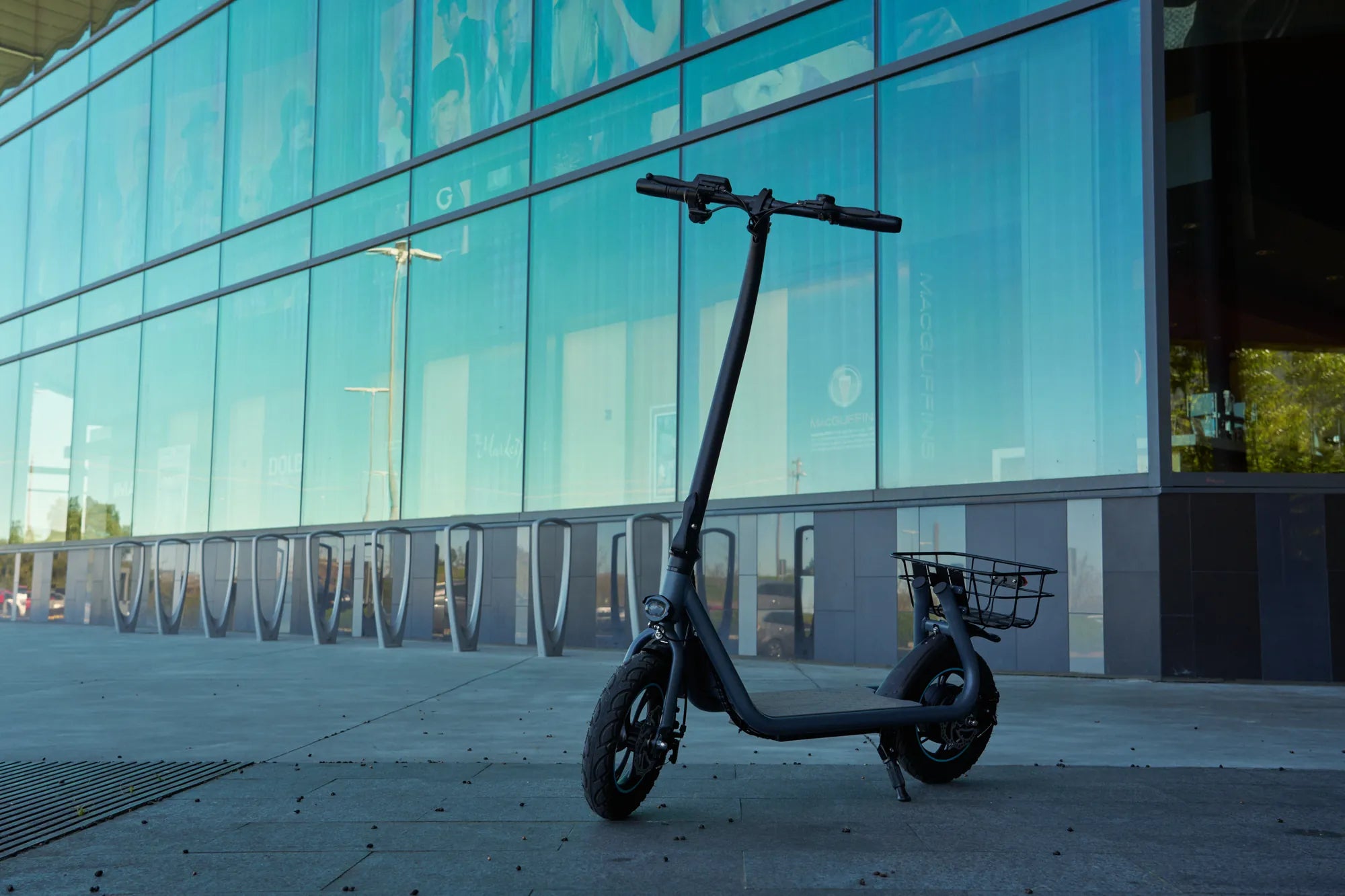
Rainy weather can turn a fun electric scooter ride into a slippery, dangerous adventure. But can you ride an electric scooter in the rain? The answer isn’t a simple yes or no—it depends on your scooter’s design, your riding skills, and the conditions. Let’s dive into the details to help you stay safe while riding wet.
Understanding Water Resistance in Electric Scooters
Not all electric scooters are built the same when it comes to handling rain. The key factor is the IP (Ingress Protection) rating, which indicates how well the scooter resists water and dust. A higher IP rating means better protection against moisture.
- IPX4: Resists splashing water from any direction but not sustained exposure.
- IPX5: Can handle low-pressure water jets, making it suitable for light rain.
- IPX6 or higher: Offers strong protection against heavy rain and temporary submersion.
If your scooter has a low IP rating, riding in the rain could damage its electrical components, leading to costly repairs or even accidents.
Safety Risks of Riding an Electric Scooter in the Rain
Even if your scooter is water-resistant, wet conditions introduce several hazards:
- Slippery Surfaces: Wet roads reduce tire traction, increasing the risk of skidding.
- Reduced Visibility: Rain makes it harder for drivers and pedestrians to see you.
- Braking Distance: Stopping takes longer on wet pavement, so you need extra space.
- Electrical Malfunctions: Water can seep into unprotected wiring, causing sudden power loss.
If you must ride in the rain, slow down, avoid sharp turns, and wear reflective gear to stay visible.
How to Protect Your Electric Scooter in Wet Conditions
Taking precautions can extend your scooter’s lifespan and keep you safe:
- Check the Forecast: Avoid riding in heavy downpours or storms.
- Use Fenders: Install fenders to minimize water splashing onto the scooter’s body.
- Dry It Off: Wipe down your scooter after riding to prevent water damage.
- Store Properly: Keep your scooter in a dry place when not in use.
What to Do If Your Scooter Gets Wet
Accidents happen—if your scooter gets soaked, follow these steps:
- Turn it off immediately to prevent short circuits.
- Dry the exterior with a towel.
- Let it air-dry in a warm, dry place for at least 24 hours.
- Avoid charging until you’re sure it’s completely dry.
If your scooter won’t turn on after exposure to water, consult a professional for repairs.
Alternatives to Riding in the Rain
When the weather turns nasty, consider these options:
- Public Transport: Buses and trains are safer in heavy rain.
- Ridesharing: A quick car ride can keep you dry and safe.
- Wait It Out: If possible, delay your trip until the rain stops.
Riding an electric scooter in the rain isn’t impossible, but it requires caution and preparation. By understanding your scooter’s limits and prioritizing safety, you can navigate wet conditions without compromising performance or your well-being. Stay dry, stay visible, and ride smart—even when the skies open up.
High Boy Electric Scooter: The Ultimate Guide to Urban Mobility
High Boy Electric Scooter: The Ultimate Guide to Urban Mobility