



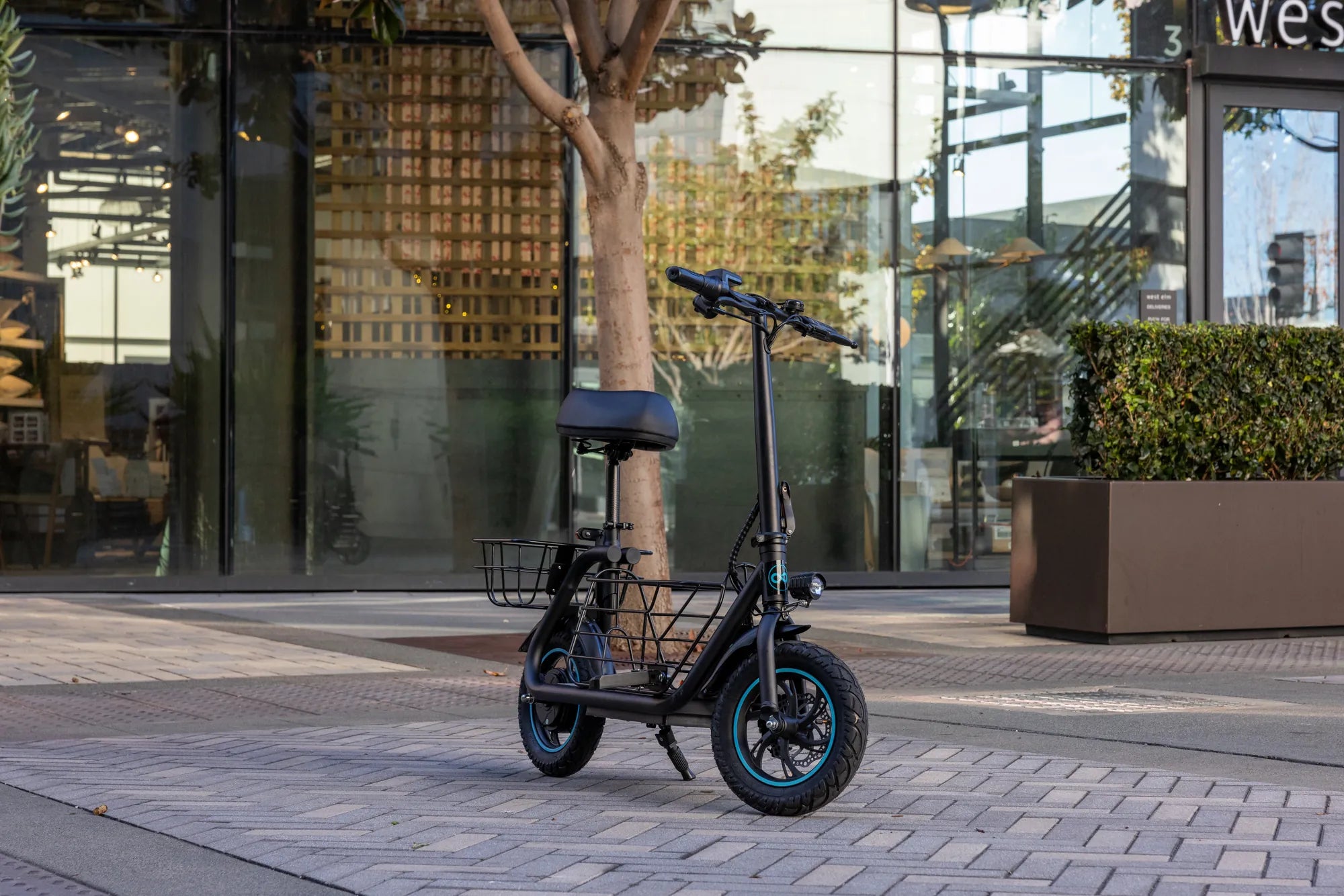
Electric scooters have become a popular mode of transportation, but many riders wonder: can you ride an electric scooter on gravel? The answer isn't a simple yes or no—it depends on several factors, including the scooter's design, tire type, and rider skill. Let's dive into the details to help you navigate rough terrain with confidence.
Understanding the Challenges of Riding on Gravel
Gravel surfaces present unique challenges for electric scooters. Unlike smooth pavement, gravel is loose and uneven, which can affect stability, traction, and control. Here are the key issues riders face:
- Reduced Traction: Loose gravel can cause wheels to slip, especially during acceleration or braking.
- Uneven Terrain: Bumps and rocks can make the ride uncomfortable and harder to control.
- Increased Wear and Tear: Rough surfaces may accelerate tire and suspension damage.
Factors That Determine Gravel Compatibility
Not all electric scooters are built the same. Some models handle gravel better than others due to these critical features:
Tire Type
Solid tires or air-filled (pneumatic) tires? Pneumatic tires generally perform better on gravel because they absorb shocks and provide better grip. Solid tires, while puncture-proof, offer less traction and a rougher ride.
Suspension System
A robust suspension system can make a significant difference. Scooters with front or dual suspension handle bumps more effectively, reducing rider fatigue and improving stability.
Motor Power
Higher wattage motors provide better torque, helping the scooter maintain speed on uneven surfaces. A weak motor may struggle on gravel, especially uphill.
Weight and Build Quality
Heavier, sturdier scooters with reinforced frames are more stable on rough terrain. Lightweight models may wobble or feel unstable.
Tips for Riding an Electric Scooter on Gravel
If you must ride on gravel, follow these tips to stay safe and minimize discomfort:
- Slow Down: Reduce speed to maintain control and avoid skidding.
- Stand Properly: Bend your knees slightly to absorb shocks and keep your weight centered.
- Avoid Sudden Movements: Gradual acceleration and braking prevent wheel spin or loss of traction.
- Choose the Right Path: Look for packed gravel or smoother sections to ride on.
- Wear Protective Gear: Helmets and pads are essential in case of falls.
When to Avoid Gravel Altogether
Some electric scooters simply aren't designed for off-road use. If your scooter has small wheels, solid tires, or no suspension, gravel riding could be risky. Additionally, wet or loose gravel increases the danger, so it's best to stick to pavement in those conditions.
Alternative Solutions for Rough Terrain
If you frequently encounter gravel or off-road paths, consider these alternatives:
- Upgrade Your Tires: Switching to off-road or all-terrain tires can improve performance.
- Use a Different Vehicle: Electric bikes or all-terrain scooters may be better suited for rough surfaces.
- Plan Your Route: Opt for paved paths whenever possible to extend your scooter's lifespan.
So, can you ride an electric scooter on gravel? Yes—but with caution. The right scooter, proper technique, and smart choices can make it possible. Whether you're commuting or exploring, knowing your scooter's limits ensures a safer, smoother ride every time.
Electric Dirt Bike Battery Upgrade: The Ultimate Guide to Boosting Performance
Lifestyle Mobility Scooter: Enhancing Independence and Freedom