



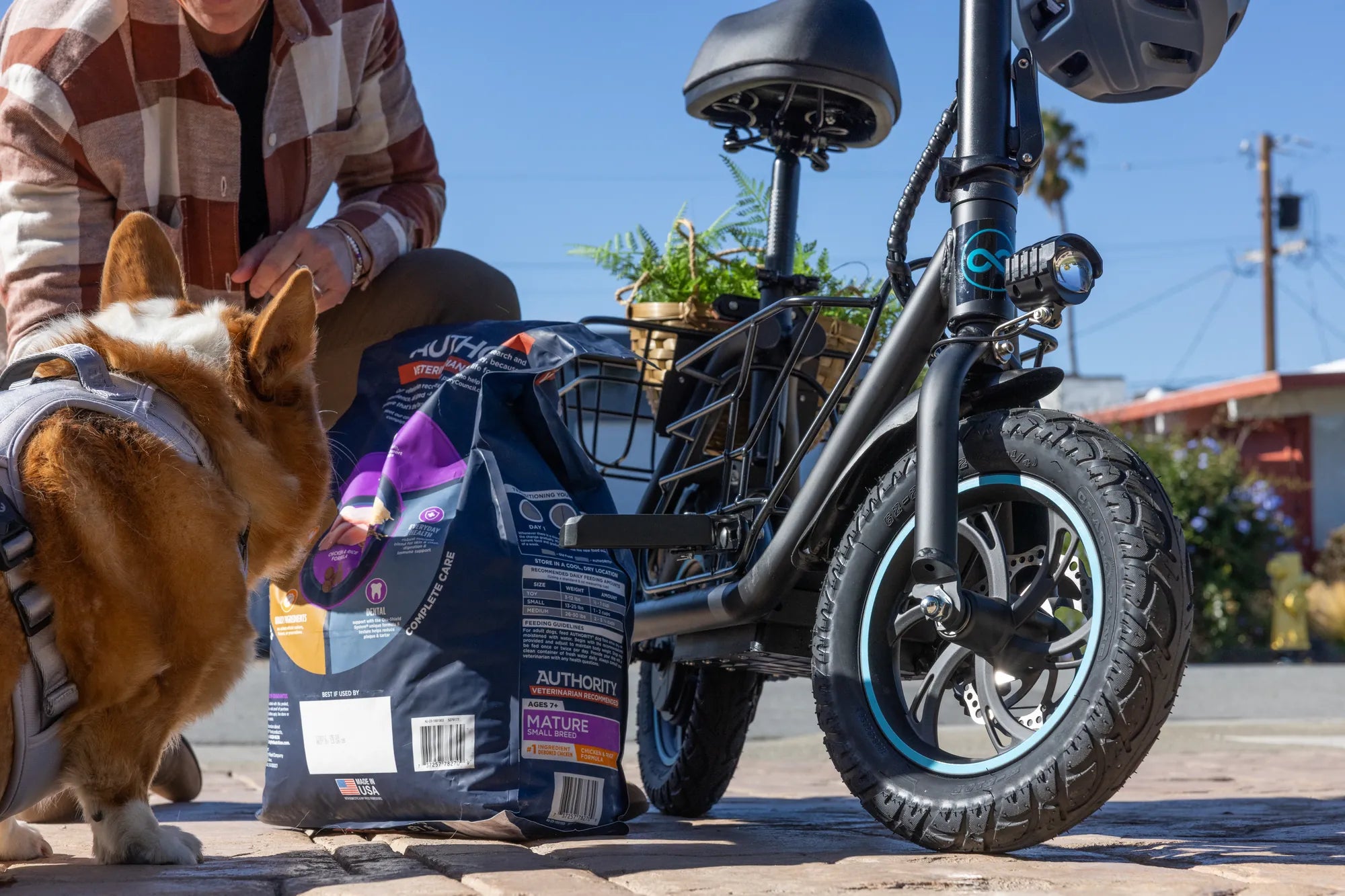
The Park Ride Dilemma for Electric Scooter Users
The appeal is undeniable: gliding through a scenic park on an electric scooter, enjoying fresh air and beautiful views without the stress of traffic. It promises a perfect blend of recreation and efficient, enjoyable transportation. However, the answer to the common question, 'Can you ride electric scooters in parks?' is rarely straightforward. It's a complex landscape of varying rules that depend on your specific location.
This article provides a clear, practical guide to navigating these regulations. We will explore how to decipher local laws, outline universal best practices for safety and etiquette, and examine the features that make an e-scooter ideal for park environments. Understanding these elements is crucial for ensuring your ride is both fun and fully compliant with the rules.
Ignorance of local ordinances can lead to fines, confiscation of your scooter, and can contribute to negative perceptions of all micro-mobility users. By riding informed and responsibly, you help maintain and potentially expand access to these wonderful public spaces for everyone.
Understanding the Legal Landscape: It's Not a Simple Yes or No
The legality of riding an electric scooter in a park is not governed by a single, universal law. Instead, it is dictated by a layered system of regulations that can differ by country, state, city, and even by individual park. Assuming that a public park is automatically a scooter-friendly zone is a common and costly mistake.
Three primary authorities typically set these rules: city or municipal ordinances, which often regulate e-scooters on all public property; state vehicle codes, which may classify e-scooters and define where they are permitted; and specific park district or department regulations, which have the final say on what is allowed within their managed green spaces.
Local Ordinances vs. Park-Specific Rules
Your first step must always be research. Start by checking your city's official government website, searching for terms like "electric scooter ordinance," "micro-mobility regulations," or "park rules." These documents will outline where scooters are permitted on city property, which often includes parks.
However, park-specific rules can be more restrictive. Always look for posted signage at park entrances, parking lots, and major pathway intersections. These signs may explicitly prohibit "motorized vehicles," "e-bikes and e-scooters," or set specific speed limits for shared pathways.
When in doubt, contact your local Parks and Recreation department directly. A quick phone call or email can provide definitive clarification and prevent an unfortunate encounter with park enforcement. This due diligence is the cornerstone of responsible riding.
Common Rule Classifications and What They Mean for Riders
While rules vary, they generally fall into a few common categories. Understanding these classifications will help you quickly interpret the regulations you encounter.
Complete Bans on Motorized Vehicles
Many parks, especially nature preserves, botanical gardens, or heavily pedestrian-focused urban squares, implement a complete ban on all motorized vehicles. This includes electric scooters, e-bikes, and sometimes even skateboards.
The rationale is typically twofold: safety and preservation. In crowded pedestrian areas, motorized vehicles pose a collision risk. In natural areas, they can contribute to trail erosion, disturb wildlife, and disrupt the peaceful, non-motorized experience these spaces are designed to provide. Respecting these bans is non-negotiable.
Designated Pathways and Speed Limits
This is the most common regulatory scenario for larger urban and suburban parks. Electric scooters are permitted on paved, multi-use pathways that are shared with cyclists, joggers, walkers, and rollerbladers.
With this permission comes strict responsibility. Enforced speed limits are almost always in effect, typically ranging from 10 to 15 miles per hour. These limits are crucial for the safety of all path users. Riding at excessive speed is the fastest way to get scooter access revoked in a park. The rule is simple: if the path is shared, your speed must be controlled and cautious.
"Class 1 E-Bike" Loopholes and Hybrid Rules
Some regulations differentiate by vehicle type, creating a legal gray area. A growing number of parks adopt rules that align with state e-bike classifications. They may allow Class 1 e-bikes (pedal-assist only, no throttle, with a maximum assisted speed of 20 mph) but prohibit throttle-only vehicles like most stand-up electric scooters.
This distinction is important. If a park's signage states "Class 1 and 2 e-bikes permitted on paved paths," a traditional electric scooter likely does not qualify. Always verify the specific definitions used in your local laws to avoid accidental violations.
Safety and Etiquette: The Rider's Responsibility in Shared Spaces
Your behavior while riding in a park directly impacts future access for all e-scooter users. Responsible riding is not just about following the law; it's about being a courteous and predictable member of the park community.
Yielding, Speed, and Audible Signals
A clear hierarchy of right-of-way must be observed: Pedestrians have the absolute right-of-way, followed by cyclists, then scooter riders. Always slow down and prepare to stop when approaching others, especially children, pets, or groups.
An audible signal is essential. Use a bell or call out politely ("Passing on your left!") well before overtaking someone. Never silently zip past a pedestrian, as this can startle them. On blind corners or in areas with limited visibility, reduce your speed to a walking pace. Your ability to stop suddenly is the most important safety feature you control.
Parking and Docking: Don't Be an Obstruction
When you stop, park responsibly. Always move completely off the pathway. Do not block benches, access ramps, sidewalks, landscaping, or building entrances. Look for a designated bike rack or a discreet, out-of-the-way spot.
This highlights a key advantage of owning a personal scooter from a reputable brand like Gyroor versus using disposable rental scooters. Responsible owners take their vehicles with them or secure them properly, eliminating the clutter and tripping hazards associated with poorly discarded rental fleets.
Choosing the Right E-Scooter for Park Riding
Not all electric scooters are equally suited for park environments. Selecting a model with specific features can make compliance with rules easier and dramatically enhance your riding experience.
Key Features for Park Compliance and Enjoyment
Certain specifications align perfectly with common park regulations and conditions:
- Speed Modes: Multiple speed modes (e.g., Eco, Normal, Sport) are invaluable. An Eco mode that caps speed at 10-12 mph allows you to comply with low park speed limits effortlessly, without constantly watching your speedometer.
- Tire Type: For paved park paths, air-filled (pneumatic) tires provide a significantly smoother, more comfortable ride by absorbing bumps and cracks. They offer better traction than solid tires, especially on surfaces that may have morning dew or light gravel.
- Weight & Portability: A scooter that is lightweight and foldable is ideal. If a paved path ends or you encounter a "no scooters" section, you can easily carry it for a short distance without hassle.
- Noise Level: A quiet motor preserves the peaceful ambiance of a park. Loud, whining motors are disruptive and draw negative attention from other park users and enforcement staff.
| Feature | Importance for Park Riding | Ideal Spec/Example |
|---|---|---|
| Speed Modes | Enables easy compliance with low speed limits (e.g., 10-15 mph). | Dedicated "Eco" mode with speed cap. |
| Tire Type & Size | Determines comfort and stability on paved paths. | 8.5" or 10" air-filled (pneumatic) tires. |
| Weight & Folding | Portability for carrying over obstacles or when dismounting is required. | Under 35 lbs with a secure folding mechanism. |
| Motor Power | Sufficient for gentle park inclines without excessive speed. | 350W-500W nominal power. |
| Battery Range | Allows for extended, leisurely park loops without range anxiety. | 15+ miles of real-world range. |
Why Gyroor Models Are Engineered for Versatile Riding
Brands that prioritize quality engineering build features that directly address the needs of park riders. For instance, a UL-certified battery pack, a standard across Gyroor's lineup, isn't just a safety benchmark. It ensures reliable performance and longevity, giving you the confidence for longer scenic loops without worrying about premature battery failure.
Furthermore, an IPX5 water-resistance rating is highly practical for park use. It protects the scooter's electronics from morning dew, wet grass, or unexpected sprinkler systems, ensuring a ride isn't ruined by a little moisture. This durability, backed by a reliable 1-year warranty, provides peace of mind for frequent use in varied outdoor conditions.
Models with these robust features are designed for real-world versatility, moving seamlessly from city commutes to weekend park exploration, all while supporting the rider in adhering to local rules through controllable performance and reliable construction.
Special Considerations: National Parks, Trails, and Events
Beyond local parks, special rules apply to larger or more protected areas. These regulations are almost always more restrictive.
In the vast majority of U.S. National Parks, electric scooters are prohibited on trails, pathways, and in wilderness areas. They are generally treated as motor vehicles and are only allowed on public roads open to standard automotive traffic. Always check the specific park's website before your visit.
Regarding dirt or grass trails, the rule is simple: unless a trail is explicitly marked for motorized vehicle use (typically for dirt bikes or ATVs), assume electric scooters are not allowed. Riding off paved paths causes erosion, damages ecosystems, and is a primary reason for bans.
During special park events (marathons, festivals, farmers markets), temporary restrictions are common. Normal access may be suspended for safety and crowd management. Always be alert for temporary signage and be prepared to dismount and walk your scooter if necessary.
Frequently Asked Questions (FAQ)
Q: Are electric scooters allowed in national parks?
A: Typically, no. National parks largely prohibit e-scooters on trails and pathways. They may only be used on public roads open to cars, which is rare and not recommended. Always verify with the specific national park's regulations before planning a ride.
Q: Can I ride my e-scooter on park grass or dirt trails?
A: Almost never. Unless a trail is specifically designated for motorized vehicles (like an OHV trail), riding on grass or dirt is prohibited to prevent erosion and protect the landscape. Always stick to paved, multi-use paths where riding is permitted.
Q: What happens if I'm caught riding where it's prohibited?
A> Consequences can include a fine (which can be substantial), confiscation of your scooter, and a citation. Beyond the immediate penalty, such incidents contribute to negative perceptions of e-scooter riders and can lead to broader, more restrictive bans.
Q: Do the same rules apply to e-bikes?
A> Rules are often similar, but Class 1 pedal-assist e-bikes sometimes have greater access, as they are sometimes grouped with traditional bicycles. However, this is not universal. You must check the specific rules for the park, as they may differentiate between vehicle types.
Q: How can I find out the rules for my local park?
A> Follow this research checklist: 1) Search your city's municipal code online for "electric scooter" ordinances. 2) Visit the website of your local Parks and Recreation department. 3) Look for posted signage at all park entrances. 4) When in doubt, call the park office directly for clarification.
Riding Responsibly Paves the Way for Everyone
The freedom to enjoy parks on an electric scooter is a privilege that hinges on collective responsibility. The core principle is simple: Know before you go. Investing time in understanding local regulations is the first and most critical step. Once on the path, your conduct—controlling speed, yielding diligently, signaling clearly, and parking thoughtfully—becomes the public face of the micro-mobility community.
Choosing a well-engineered scooter from a trusted brand with features that support compliant and courteous riding is an investment in your own enjoyment and in the reputation of all riders. By demonstrating that electric scooters can integrate safely and respectfully into shared public spaces, we help ensure that park pathways remain open and welcoming for this efficient and enjoyable form of transportation.
Explore responsibly, respect the space you share with others, and enjoy the unique perspective a park ride can offer. For a range of electric scooters built with the durability, controlled performance, and safety features ideal for versatile urban and park riding, browse the full Gyroor collection at gyroorboard.com.
Top Best Electric Scooters: The Ultimate Guide for 2024
Best Electric Scooters Under $600 2024: Top Picks for Budget Riders