



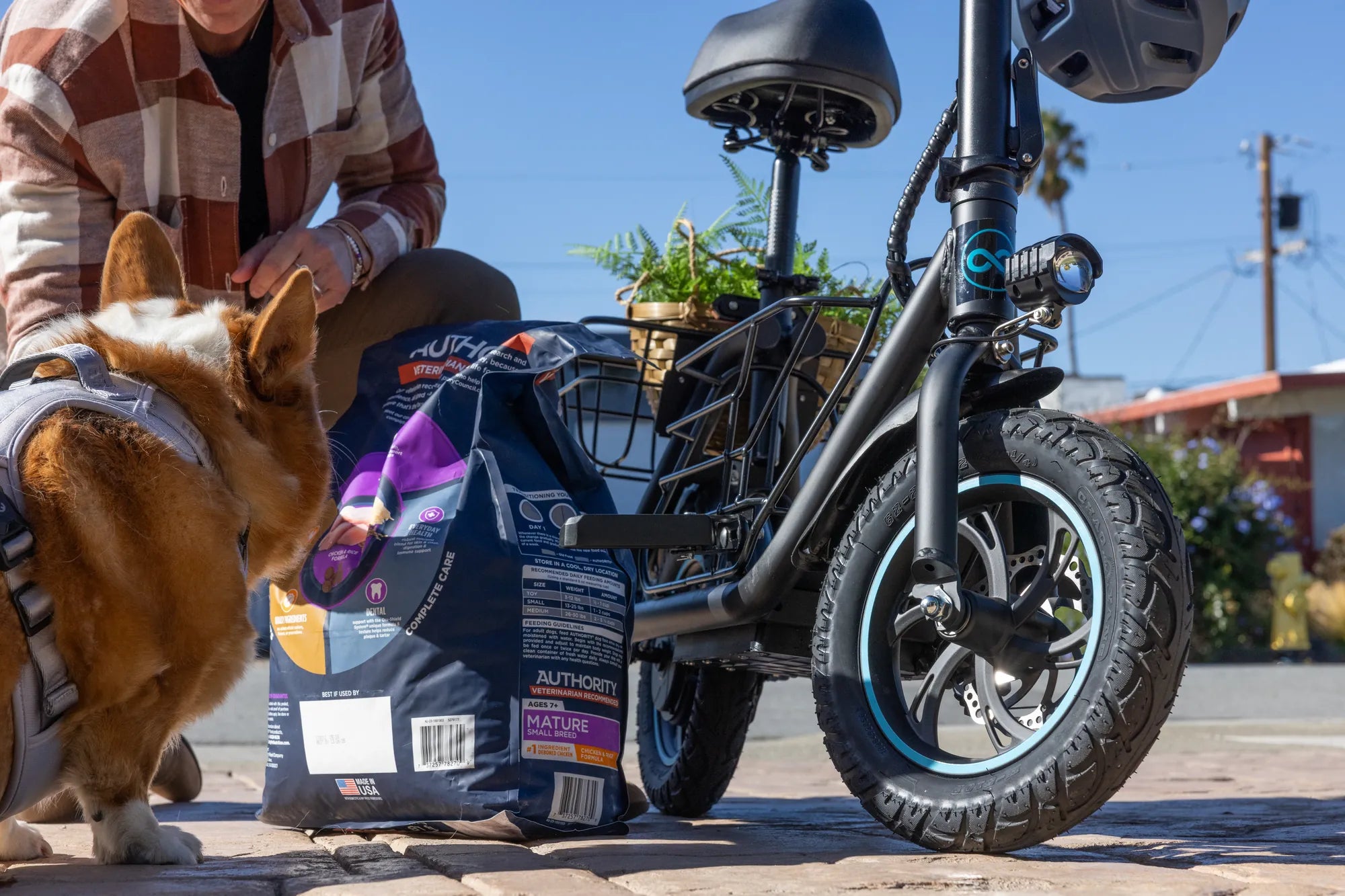
Electric bikes are transforming the way we commute, offering a blend of convenience and eco-friendliness. But one question lingers in the minds of many: can you use an electric bike without pedaling? The answer isn’t as straightforward as you might think. Let’s explore the ins and outs of e-bike functionality to uncover the truth.
How Electric Bikes Work
Electric bikes, or e-bikes, are equipped with a motor that assists the rider’s pedaling effort. Most e-bikes fall into one of three categories:
- Pedal-assist (Pedelec): The motor only engages when you pedal, providing a boost to your effort.
- Throttle-controlled: These e-bikes allow you to activate the motor with a throttle, similar to a motorcycle, without pedaling.
- Hybrid: Combines both pedal-assist and throttle modes for flexibility.
If your e-bike has a throttle, you can indeed ride it without pedaling. However, not all e-bikes come with this feature, and local regulations may restrict its use.
Legal Considerations
Laws governing e-bikes vary by region. In many places, e-bikes are classified based on their speed and power output:
- Class 1: Pedal-assist only, no throttle, with a top speed of 20 mph.
- Class 2: Throttle-assisted, up to 20 mph, with or without pedaling.
- Class 3: Pedal-assist only, up to 28 mph, often restricted to certain areas.
Before relying on throttle-only riding, check your local laws to ensure compliance. Some regions prohibit throttle-controlled e-bikes on bike paths or require additional licensing.
Battery Life and Efficiency
Riding an e-bike without pedaling drains the battery faster. Pedal-assist modes extend battery life by sharing the workload between the motor and the rider. If you plan to use the throttle exclusively, expect shorter rides and more frequent recharges. Here’s a quick comparison:
| Riding Mode | Estimated Range |
|---|---|
| Pedal-assist (low) | 40-60 miles |
| Pedal-assist (high) | 20-40 miles |
| Throttle-only | 15-30 miles |
Practical Scenarios for Throttle-Only Riding
While pedaling is often more efficient, there are times when throttle-only riding makes sense:
- Steep Hills: Tackling inclines without exhausting yourself.
- Injury or Fatigue: When pedaling isn’t an option due to physical limitations.
- Quick Bursts: Accelerating from a stop or navigating traffic.
However, relying solely on the throttle can reduce the health benefits of cycling and may not be sustainable for long commutes.
Maintenance and Wear
Throttle-only riding places additional strain on the motor and battery, potentially shortening their lifespan. Regular maintenance, such as checking tire pressure and keeping the battery charged, becomes even more critical. Pedaling occasionally can help distribute the workload and prolong component longevity.
Is Throttle-Only Right for You?
Deciding whether to use an e-bike without pedaling depends on your needs and circumstances. If you prioritize convenience over exercise or face challenging terrain, a throttle-equipped e-bike could be ideal. But if you’re looking for a workout or longer rides, pedal-assist might be the better choice.
Electric bikes offer incredible versatility, whether you prefer pedaling or letting the motor do the work. Understanding your e-bike’s capabilities and local laws ensures a smooth, enjoyable ride. Ready to hit the road? Your perfect e-bike experience awaits!
Same Bike Electric: The Future of Sustainable Urban Commuting
Electric Bike That Can Go 45 MPH: The Future of High-Speed Commuting