



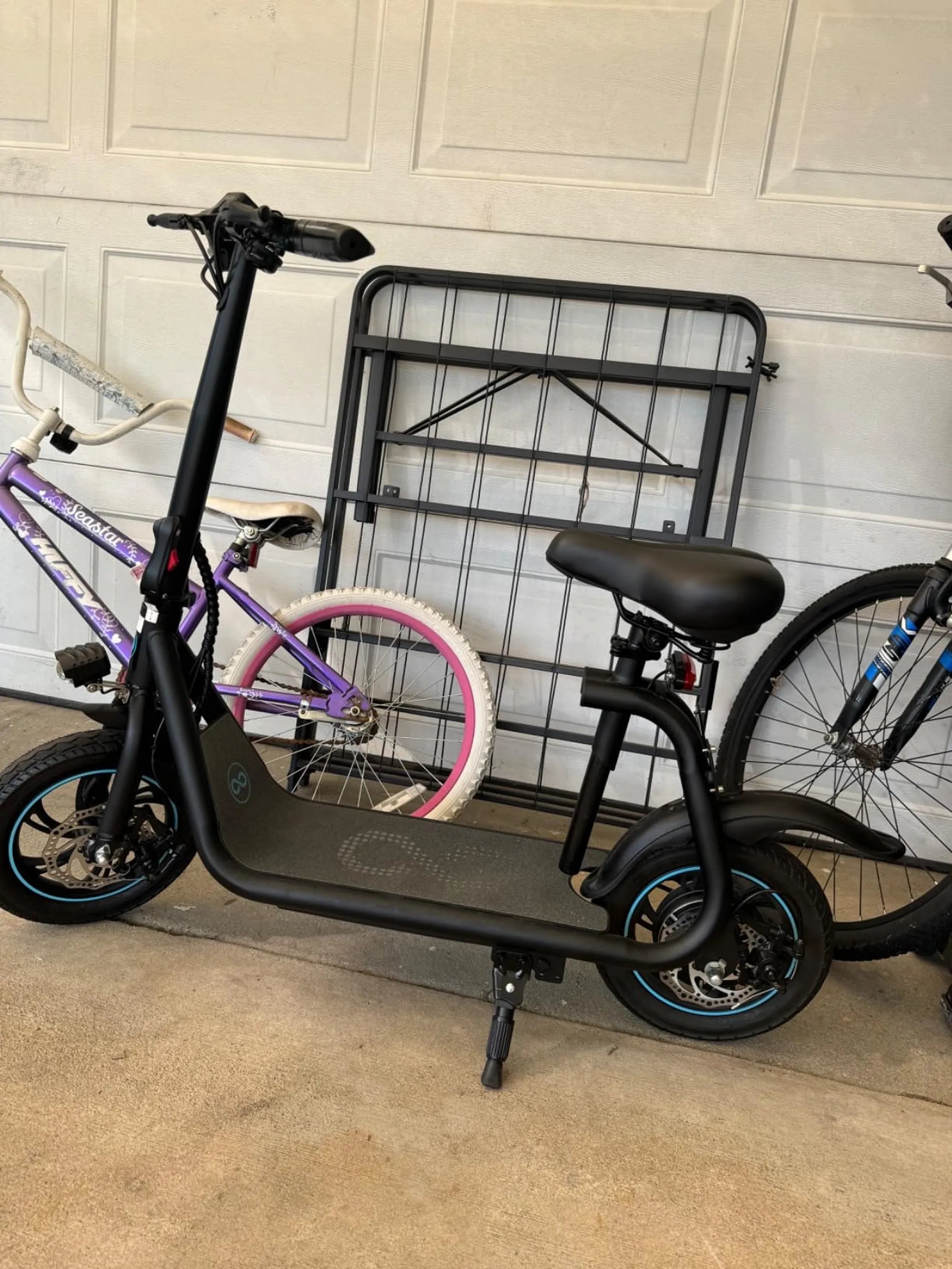
The simple question of whether you can use electric scooters on the road has a complex answer that varies block by block. For commuters and urban explorers, the electric scooter offers unparalleled convenience, but stepping onto the pavement or into traffic without knowing the rules can lead to fines, confiscation, or accidents. This guide will provide a definitive exploration of the legal landscape, break down critical safety protocols, and offer practical advice for responsible riding. You'll learn how to verify local ordinances, equip yourself with the right gear and techniques, and understand what makes a scooter truly suitable for road use.
Understanding the Legal Landscape: A Global Patchwork of Rules
The legality of using electric scooters on the road is not uniform. It is dictated by a tangled web of national, state/provincial, and municipal laws that change frequently. In many jurisdictions, e-scooters exist in a legal gray area, falling between definitions of bicycles, motor vehicles, and pedestrian devices.
Generally, classification hinges on factors like maximum speed, motor power, and whether the scooter has a seat. A scooter capable of 20 mph is often treated differently than one capped at 10 mph. The first and most critical step for any rider is to conduct thorough research on their specific city and state regulations before riding.
Many major cities have implemented specific ordinances for shared and privately-owned e-scooters, while rural areas may have no rules at all, defaulting to state vehicle codes. Relying on hearsay or the practices of other riders is a common and risky mistake. Official government transportation or police department websites are the most reliable sources.
Key Regulations to Look For: Speed, Age, and Helmet Laws
When researching, focus on these four universal regulatory pillars. First, speed limits are paramount. Many regions that allow road or bike lane use mandate a maximum speed, often between 15-20 mph (24-32 km/h). Scooters that can exceed this may be restricted to private property.
Second, age requirements are common. A minimum age of 16 is standard, with some areas requiring riders to be 18, especially for road use. Third, helmet laws vary widely; they are often mandatory for all riders in some places and only for minors in others. Wearing a helmet is always recommended regardless of the law.
Fourth, check if a driver's license, registration, or insurance is required. In most areas, a license is not needed for lower-speed e-scooters, but this is changing. For instance, some European countries now require a license for certain classes of e-scooters. Always confirm these details for your locality.
Gyroor's Commitment to Road-Ready Safety and Reliability
Once the legal pathway is clear, the next essential component is a scooter built for the demands of road use. Not all electric scooters are created equal for this environment. Gyroor designs its lineup with the real-world needs of commuters in mind, prioritizing safety and durability that meet or exceed common regulatory standards.
A core commitment is battery safety. All Gyroor models use UL-certified battery packs, rigorously tested for over 500 charge cycles. This certification is a critical benchmark, reducing fire risk and ensuring long-term, reliable power—a non-negotiable feature for a vehicle used in public spaces.
Furthermore, Gyroor scooters feature IPX5 water-resistant designs, offering protection against water jets from any direction. This means a sudden rain shower or wet roads won't end your ride or damage critical electronics, providing all-weather reliability that cheaper, non-certified models cannot guarantee.
Backed by a reliable 1-year warranty and trusted by over 100,000 riders across North America and Europe, Gyroor focuses on delivering performance where it counts: responsive braking systems, bright LED lighting for visibility, and robust frames that handle urban pavement with stability.
Essential Safety Tips for Confident Road Riding
Legal compliance and a quality scooter are your foundation; proactive safety habits are your daily practice. Riding on roads shared with cars, trucks, and bicycles demands a defensive and alert mindset. Assuming you are invisible to drivers is the safest starting point.
Always use designated bike lanes when they are available and legally accessible. On roads without bike lanes, ride in the same direction as traffic, as close to the right-hand curb as is safe, but avoid riding in the gutter where debris collects. Never ride against traffic.
Use clear hand signals for turns and stops. Obey all traffic signals, signs, and road markings—you are a vehicle operator. Avoid distractions: do not use headphones or a phone while riding. Your full attention should be on the road and your surroundings.
Pre-Ride Checklist: The 2-Minute Safety Inspection
Developing a quick pre-ride ritual can prevent most mechanical failures. First, check tire pressure. Under-inflated tires affect handling and increase the risk of punctures. Next, test both your electronic and mechanical brakes at low speed before entering traffic.
Ensure all lights are functional: headlight, brake light, and any side reflectors. Visibility is your best defense. Finally, verify your battery charge level. Plan your route with a buffer; running out of power on a busy road is dangerous. A quick visual check for loose bolts or damage rounds out a thorough inspection.
On-the-Road Etiquette and Defensive Riding Techniques
Defensive riding means anticipating the mistakes of others. Watch for parked cars—doors can open suddenly. Be cautious at intersections, making eye contact with drivers when possible. Assume a car will turn right in front of you without signaling.
Maintain a safe following distance from vehicles ahead. Do not weave between stopped cars or ride in a driver's blind spot. Your positioning should be predictable. When passing pedestrians on shared paths, slow down and give an audible warning (a bell or polite verbal cue) well in advance.
Adjust your speed for conditions. Wet pavement, gravel, and metal surfaces like manhole covers or train tracks are significant hazards. Slow down and cross them at as close to a 90-degree angle as possible. Your safety is always more important than your speed.
Riding Zone Comparison: Road, Bike Path, or Sidewalk?
Choosing where to ride is a balance of legality, safety, and courtesy. The following table compares the three primary zones.
| Riding Zone | Typical Legality | Pros | Cons & Risks |
|---|---|---|---|
| Road / Street | Often permitted for e-scooters meeting specific speed/power criteria. Check local laws. | Direct route; predictable traffic flow; often the only legal option. | Highest risk from motor vehicles; requires high rider skill and vigilance; exposure to weather. |
| Bike Lane / Path | Most commonly permitted and recommended zone where available. | Separation from fast car traffic; generally smooth surface; shared with predictable users (cyclists). | Can be obstructed or end abruptly; potential conflicts with cyclists at high speed differentials. |
| Sidewalk / Pavement | Frequently prohibited, especially in urban business districts. Sometimes allowed at walking speed. | Perceived safety from cars; accessible. | Illegal in many areas; dangerous to pedestrians (especially elderly/disabled); driveways and intersections become high-risk conflict points. |
As the table illustrates, dedicated bike lanes or paths are almost always the ideal and safest compromise when road riding is your legal option. They provide a buffer from traffic while offering a dedicated right-of-way.
Frequently Asked Questions (FAQ)
Do I need insurance to ride my electric scooter on the road?
Currently, most jurisdictions in North America do not require specific insurance for privately-owned, lower-speed e-scooters. However, this is rapidly evolving. In some European countries, third-party liability insurance is mandatory. Always check your local laws. Regardless, it's wise to check if your homeowner's or renter's insurance policy offers any coverage for personal electric vehicles.
Can I ride my Gyroor scooter in the rain?
Thanks to its IPX5 water-resistant rating, a Gyroor scooter is built to withstand wet conditions like light rain and riding on damp roads. However, no consumer e-scooter is fully waterproof. Avoid deep puddles, submerging any part of the scooter, and heavy downpours. Always dry your scooter after riding in the rain and store it in a dry place.
What should I do if I'm involved in an accident?
First, ensure your safety and move to a safe location if possible. Call emergency services if there are injuries. Exchange information with any other involved parties (driver, cyclist, pedestrian), just as in a car accident. Document the scene with photos, including vehicle damage, road conditions, and any relevant traffic signs. File a police report. Notify your insurance company if applicable.
Are electric scooters allowed on highways or freeways?
Almost universally, no. Electric scooters are prohibited on highways, freeways, and other high-speed roadways where the minimum speed limit far exceeds a scooter's capability. These roads are designed for motor vehicles traveling at high speeds and are extremely dangerous for micromobility users.
How do I know if my scooter is road-legal in my area?
You must verify against local ordinances. Key specs to check are your scooter's maximum speed and motor wattage. Compare these to the legal limits in your city and state. A scooter like the Gyroor F1 Pro, with a top speed of 19 mph, is designed to be compliant in many areas that have a 20 mph cap, but the final determination is always your local law.
Your Path to Confident and Compliant Riding
The freedom of electric scooter travel comes with the responsibility to understand and follow the rules. Successfully using electric scooters on the road is a three-part formula: research your local laws, invest in a reliably built scooter designed for the task, and commit to unwavering safe riding practices. By taking these steps, you integrate seamlessly into the modern transportation ecosystem, enjoying an efficient, fun, and sustainable commute. Don't let uncertainty park your scooter—equip yourself with knowledge and the right gear to ride with assurance.
Ready to explore a scooter built for the road? Browse the full collection of UL-certified, road-ready electric scooters and e-bikes at gyroorboard.com. Find the model that matches your commute and your local regulations, and join over 100,000 riders who trust Gyroor for their daily journey.
Luxury Electric Scooters Market: Trends, Growth, and Future Prospects
Electric Scooters With High Weight Capacity Price: A Complete Value Guide