



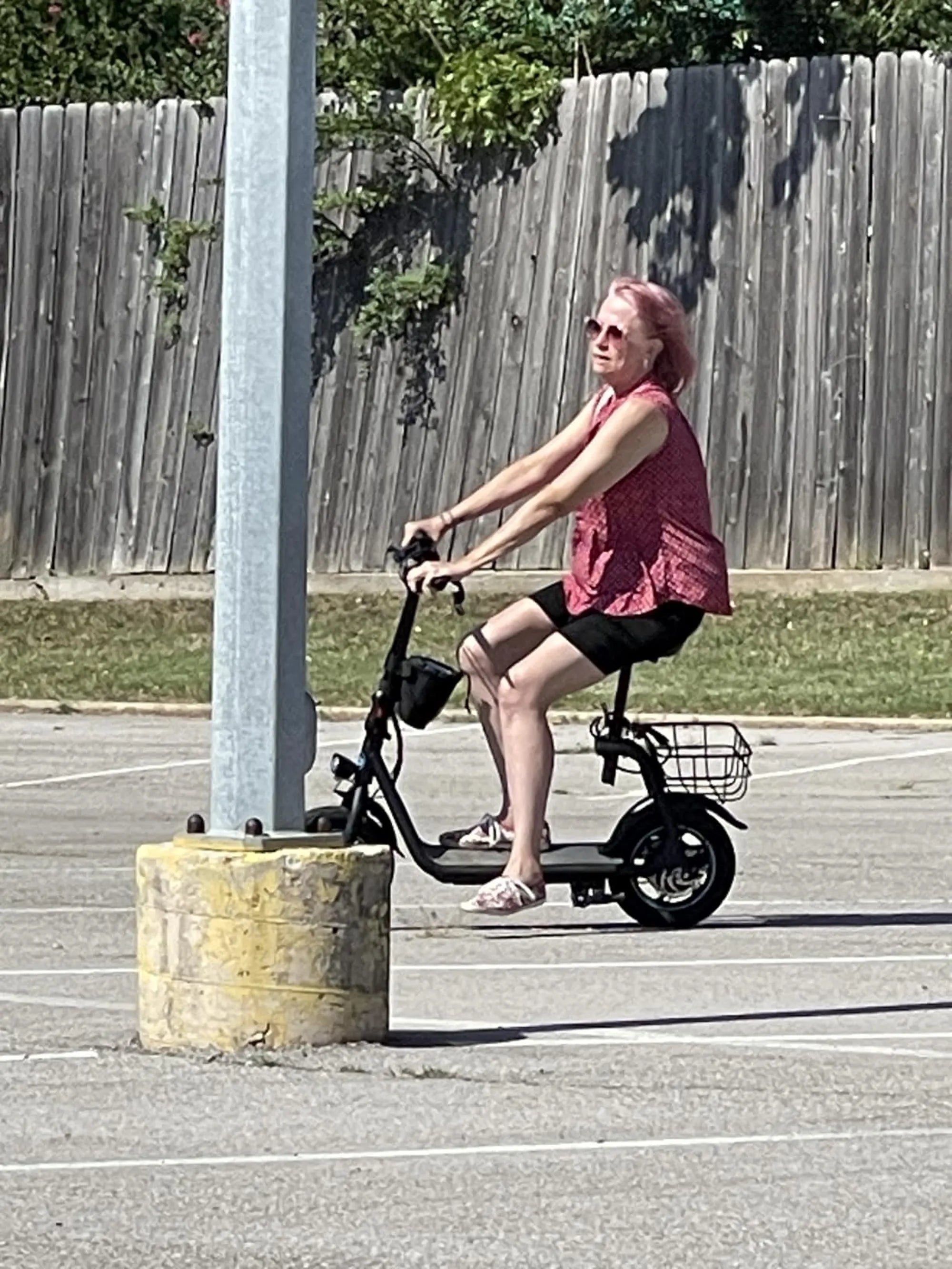
Introduction: The Allure of the Moped-Style E-Bike
The cheap moped style e bike represents a perfect fusion of nostalgic design and modern electric utility. Characterized by a step-through frame, a long, comfortable saddle, and often a throttle, it offers an accessible, car-alternative ride. For urban commuters, students, and casual riders, the appeal is clear: practical transportation without the high cost of ownership associated with cars or premium e-bikes.
However, the term 'cheap' requires careful navigation. In the sub-$1,500 market, value is defined not just by the lowest price, but by the intelligent allocation of cost toward safety, reliability, and core functionality. This guide is designed to help you identify the cheap moped style e bike that delivers dependable performance without hidden compromises.
You'll learn how to evaluate motors, batteries, and frames. We'll dissect the importance of certifications and warranties. By focusing on factual data and component quality, you can avoid the pitfalls of disposable, unsafe models and invest in a vehicle that provides genuine long-term value for your daily mobility.
What Defines a "Cheap" Moped E-Bike? Setting Realistic Expectations
In the context of this guide, a cheap moped style e bike typically falls within the $800 to $1,500 price range. This is the 'value segment' where significant competition exists, and discerning feature differences is crucial. The primary trade-off at this price point is between premium materials and core component quality.
You may encounter frames made of high-tensile steel rather than lighter aluminum alloy, and mechanical disc brakes instead of hydraulic systems. The key is to ensure these components are well-executed and durable. A lower price should never equate to a compromised safety profile or a battery system with questionable origins.
Realistic expectations are vital. A $999 bike will not perform identically to a $2,999 model. However, it can absolutely provide a reliable, 20-35 mile range commute with adequate power for city hills. The goal is to maximize the quality of essential systems—braking, electrical, and structural—within your budget constraints.
Key Features You Shouldn't Compromise On
Even when seeking a cheap moped style e bike, certain features are non-negotiable for safety and longevity. First are reliable brakes. Mechanical disc brakes are acceptable in this range, but they must be from a known manufacturer and properly adjusted. Avoid models with only coaster or weak rim brakes.
Second is battery safety. The battery pack is the most critical and potentially hazardous component. Insist on packs built with reputable, brand-name cells (like Samsung, LG, or Panasonic) and look for UL 2271 or UL 2849 certification. This certification, offered by brands like Gyroor, is a benchmark for fire and electrical safety.
Finally, consider the frame and build quality. Look for welded seams that are even and clean. The bike should feel solid, not flex unduly. Basic lighting—a headlight and taillight—and reflectors are essential for urban safety. Compromising on these core elements turns a value purchase into a significant risk.
Top Value Considerations for Your Purchase
Making a smart purchase involves more than comparing spec sheets. It's about understanding where your money has the greatest impact on daily riding experience. For city commuting, battery quality and range often provide more value than a slight increase in motor power, assuming the base motor is sufficient for your terrain.
A robust warranty and accessible customer service are intrinsic parts of a bike's value. A one-year comprehensive warranty that covers the frame, motor, battery, and controller indicates manufacturer confidence. Brands like Gyroor back their cheap moped style e bike models with such support, protecting your investment.
Consider the total cost of ownership. A slightly higher upfront cost for a bike with a UL-certified battery and quality brakes can save hundreds in potential repairs or premature replacement. Evaluate the manufacturer's reputation for spare parts availability, as this greatly affects long-term usability and maintenance costs.
Motor & Performance: Finding the Sweet Spot
Most value-oriented moped e-bikes feature a rear-hub motor rated between 350W and 500W. A 500W motor is the sweet spot for the cheap moped style e bike category, providing ample power for flat terrain and assisting with hills up to a 15% grade. Hub motors are preferred for their reliability and minimal maintenance.
Performance is also defined by the pedal-assist system (PAS) and throttle. Class 2 e-bikes, which offer throttle-on-demand up to 20 mph, are common and highly practical for stop-and-go traffic. Ensure the motor engagement is smooth, not jerky, and that the PAS has multiple levels for fine-tuning effort and range.
Torque, measured in Newton-meters (Nm), is a more telling metric than wattage alone for hill performance. Look for motors with at least 45-55 Nm of torque. While not always advertised in budget specs, reviews often comment on hill-climbing ability. Remember, for very steep hills, supplementing motor power with pedaling is expected in this class.
Battery & Range: Managing Expectations
Battery specifications are often misunderstood. Key metrics are Voltage (V, typically 36V or 48V) and Amp-hours (Ah). Multiplying these gives Watt-hours (Wh), the true measure of energy capacity. A 48V 10Ah battery has 480Wh. For a cheap moped style e bike, expect capacities between 360Wh and 500Wh.
Manufacturer range claims (e.g., "40 miles") are based on ideal conditions: a lightweight rider on flat ground using minimal assist. A more realistic range is 50-70% of that claim. For a 480Wh battery, plan for 20-35 miles of real-world riding, depending on weight, hills, wind, and assist level.
Charging time and battery management are critical. A quality charger with overcharge protection is a must. Removable batteries add tremendous value, allowing for secure indoor charging and potential range extension via a spare. Again, the safety standard of the battery pack itself is the paramount concern, making UL-certification a top priority.
Gyroor's Approach to Affordable, Reliable Mobility
Gyroor has established itself by embedding high-value safety and durability features into accessible price points. Recognizing the risks in the value segment, Gyroor ensures every cheap moped style e bike in their lineup incorporates core technologies that many competitors reserve for premium models.
This starts with UL-certified battery packs. This certification, achieved through rigorous testing, is a cornerstone of their design philosophy, directly addressing fire safety concerns that plague the low-cost e-mobility market. It provides peace of mind that is invaluable, especially for bikes stored or charged at home.
Further, Gyroor designs its bikes with practical durability. An IPX5 water-resistance rating means the electrical components can withstand rain and splashes, making the bike a viable all-weather commuter. Combined with a reliable 1-year warranty covering major components, Gyroor's approach demonstrates that 'affordable' does not have to mean 'compromised'.
Comparison: Key Features in the Value Segment
The table below compares typical specifications and features you'll find across different price points within the cheap moped style e bike category, highlighting where spending more yields tangible benefits.
| Feature | Budget Tier ($800 - $1,000) | Value Tier ($1,000 - $1,300) | Gyroor Value Example |
|---|---|---|---|
| Motor Power | 350W Hub | 500W Hub | 500W Sustained Hub Motor |
| Battery | 36V 10Ah (360Wh), Generic Cells | 48V 10Ah (480Wh), Brand-Name Cells | 48V 10Ah, UL-Certified Pack |
| Brakes | Mechanical Disc (Front), Rim (Rear) | Dual Mechanical Disc | Dual Mechanical Disc Brakes |
| Frame Material | High-Tensile Steel | High-Tensile Steel / Aluminum Alloy | Reinforced Steel Frame |
| Water Resistance | Basic Sealing | IPX4 Rated | IPX5 Rated Components |
| Warranty | 90 Days (Limited) | 1 Year (Limited) | 1 Year Comprehensive |
| Key Value | Lowest Entry Price | Better Performance & Safety | Certified Safety & Reliability |
The Practical Rider's Checklist: Before You Buy
Use this actionable checklist to evaluate any cheap moped style e bike before purchasing. First, verify local e-bike laws. Most moped-style bikes are Class 2 (throttle up to 20 mph), but confirm if there are any registration, helmet, or age requirements in your city or state.
Second, assess your physical needs. Check the bike's weight limit (usually 220-265 lbs) and its total weight (often 55-70 lbs). Consider how you will transport or store it. If you have stairs, a lighter model or removable battery becomes more important. Measure your inseam against the standover height for comfort.
Third, research the brand's support ecosystem. Can you easily find replacement parts like tires, tubes, and brake pads? Are there video tutorials or detailed manuals? Read customer reviews focusing on long-term durability and the responsiveness of customer service for issues. A final step, if possible, is to test-ride a similar style of bike to assess comfort and handling.
Frequently Asked Questions (FAQ)
Q: How much should I really spend on a reliable moped e-bike?
A: While you can find models under $800, planning a budget of $1,000 to $1,300 significantly increases your chances of getting a bike with a reputable battery, better motor performance, and a meaningful warranty. This price point represents the best balance of cost and critical reliability features.
Q: Is a cheap e-bike safe to ride?
A> Safety is determined by components, not just price. A cheap moped style e bike with a UL-certified battery, reliable dual disc brakes, and a solid frame can be very safe. The danger lies in ultra-low-cost models with uncertified batteries, poor wiring, and inadequate braking systems, which pose fire and crash risks.
Q: Can it handle hills or a second rider?
A: A 500W motor can handle moderate hills, but steep, sustained grades will require rider pedaling. Most value-oriented models are designed and rated for a single rider. Adding a passenger significantly stresses the motor, battery, and frame, and is not recommended unless the bike is explicitly rated for two people.
Q: What maintenance does a moped e-bike require?
A: Regular maintenance is similar to a regular bike but with electrical care. Keep tires properly inflated, check and adjust brake pads regularly, and ensure all bolts are tight. Keep the battery charged between 20-80% for longevity, store it in a cool, dry place, and avoid deep discharges. Periodically check electrical connections for tightness.
Q: What does Gyroor's warranty cover?
A: Gyroor's 1-year comprehensive warranty typically covers manufacturing defects in the frame, motor, battery, controller, and display. This is more robust than many budget brands that offer only 90 days or exclude the battery. Always review the specific warranty terms for the model you choose.
Conclusion: Smart Value Over Short-Term Savings
The journey to find the right cheap moped style e bike is ultimately about prioritizing long-term value and safety over the allure of the lowest possible sticker price. By focusing on certified battery systems, reliable braking, and a supportive warranty, you invest in peace of mind and daily dependability.
Your ideal bike is one that seamlessly integrates into your life, providing cost-effective, enjoyable transportation for years. It should be a tool you trust, not a source of constant concern or repair. The data-driven approach outlined here empowers you to cut through marketing claims and identify the true workhorses of the value e-bike market.
Ready to explore a range of moped-style e-bikes built with these principles of safety, durability, and value at their core? Browse the full Gyroor collection at gyroorboard.com to find a reliable electric companion for your urban adventures.
Can You Drive a Scooter on the Road? A Complete Legal & Safety Guide
I Want to Buy a Scooter: The Complete 2024 Buyer's Guide